Category: Formula One

  • Hungary for success: title battle enters last race before summer break

    image courtesy of Pirelli Motorsports
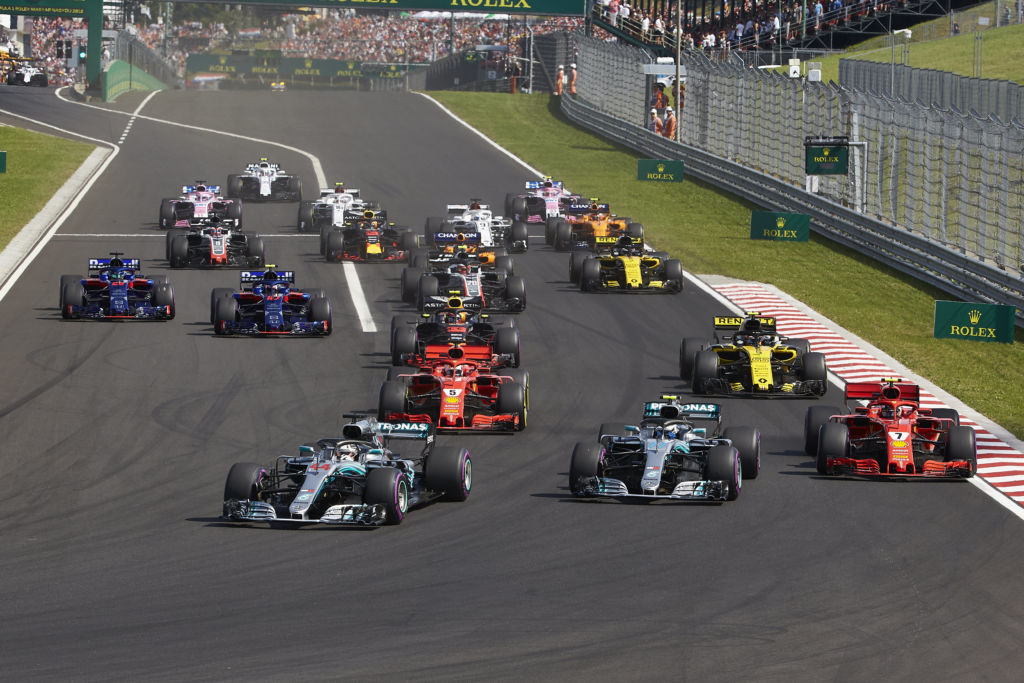
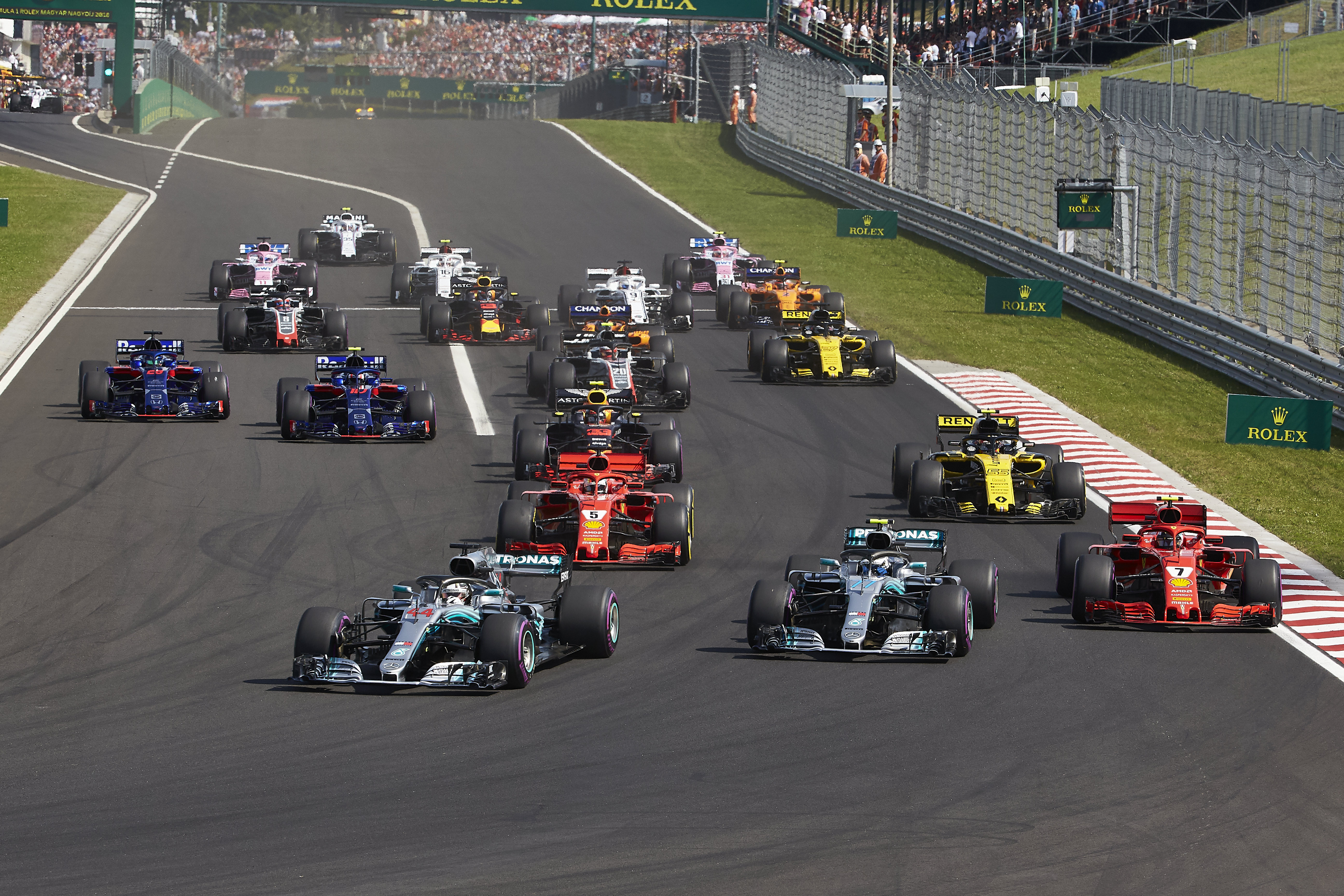
    Twenty-five kilometres away from the Hungarian capital Budapest sits the town of Mogyoród, The Hungaroring lies in an atmosphere of extremely warm and humid conditions, and this is not just the track itself that will be getting heated this weekend in Formula One.

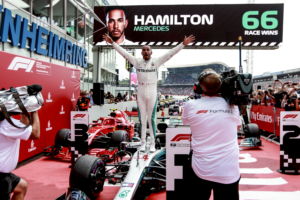
    One week on from Germany, Ferrari’s Sebastian Vettel will desperately be looking for redemption, following his crash from the lead of his home race in slippery conditions. Lewis Hamilton brilliantly claimed victory from fourteenth on the grid, and he now brings a seventeen-point lead into this weekend’s race.

    The Hungaroring’s hilly, tight, and twisty nature makes overtaking very difficult, and the drivers’ concentration has to constantly be at 100% despite the track’s physically demanding conditions. With seventy laps of the fourteen-corner track scheduled for Sunday, the race is extremely difficult for the drivers, with little time to relax.

    The Hungaroring held the first ever Grand Prix back in 1986. The race was won that year by Nelson Piquet, the first of two victories the Brazilian would claim at Magyar Nagydíj.

    Lewis Hamilton is the most successful driver of all time in Hungary, with five victories to his name. His win in 2016 moved him ahead of Michael Schumacher, the previous record holder. Hamilton’s title rival Sebastian Vettel has won twice, in 2015 and 2016.

    Like in Germany, there is a chance of rain for the race on Sunday, which will provide a chance for another entertaining race and a real chance of redemption for Vettel.

    The favourites, particularly if it rains, are Red Bull. The Austrian team, with its incredible amount of downforce, are expected to perform well round this downforce-dominated circuit – the comparative aerodynamic deficiencies of Mercedes and Ferrari make this a brilliant opportunity for Red Bull to snatch victory.

    Furthermore, Daniel Ricciardo is not expected to take a grid penalty despite his new engine failing him in Germany according to the team, which gives them the opportunity for a potential one-two.

    However, this weekend will mainly be about who will be leading the championship going into the summer break between the two title rivals. This track should suit Ferrari better than Mercedes, the championship pendulum may well swing once more.

    25/07/18

    Rob Kershaw.

  • Is DRS becoming a problem in Formula One?

    Is DRS becoming a problem in Formula One?

    In several races this year – notably Australia, Canada, Austria, Britain, and Germany –  we saw increases in the number of DRS zones on track, which didn’t provide that much more overtaking. Instead, they created a few issues.

    Brought in for the 2011 season, DRS is a system whereby the driver presses a button on the steering wheel when they are within one second of the car in front, which then opens a flap on the rear wing and reduces drag on the straights. The FIA intended it to increase the amount of overtaking in F1.

    It used to be the case that the drivers were allowed to use DRS at any part of the circuit during practice and qualifying, but this was reversed for 2013. This was partly because it was too dangerous, but also because it was creating too much disparity between the top teams with better aerodynamic efficiency – like Red Bull, McLaren and Ferrari – and the lower-ranked teams with worse aerodynamic efficiency, like Marussia and Caterham.

    Since 2013, DRS can only be opened at certain areas of the track, which remain the same for practice, qualifying and the race. Between 2013 and 2017, there used to be no more than two DRS zones at a circuit.

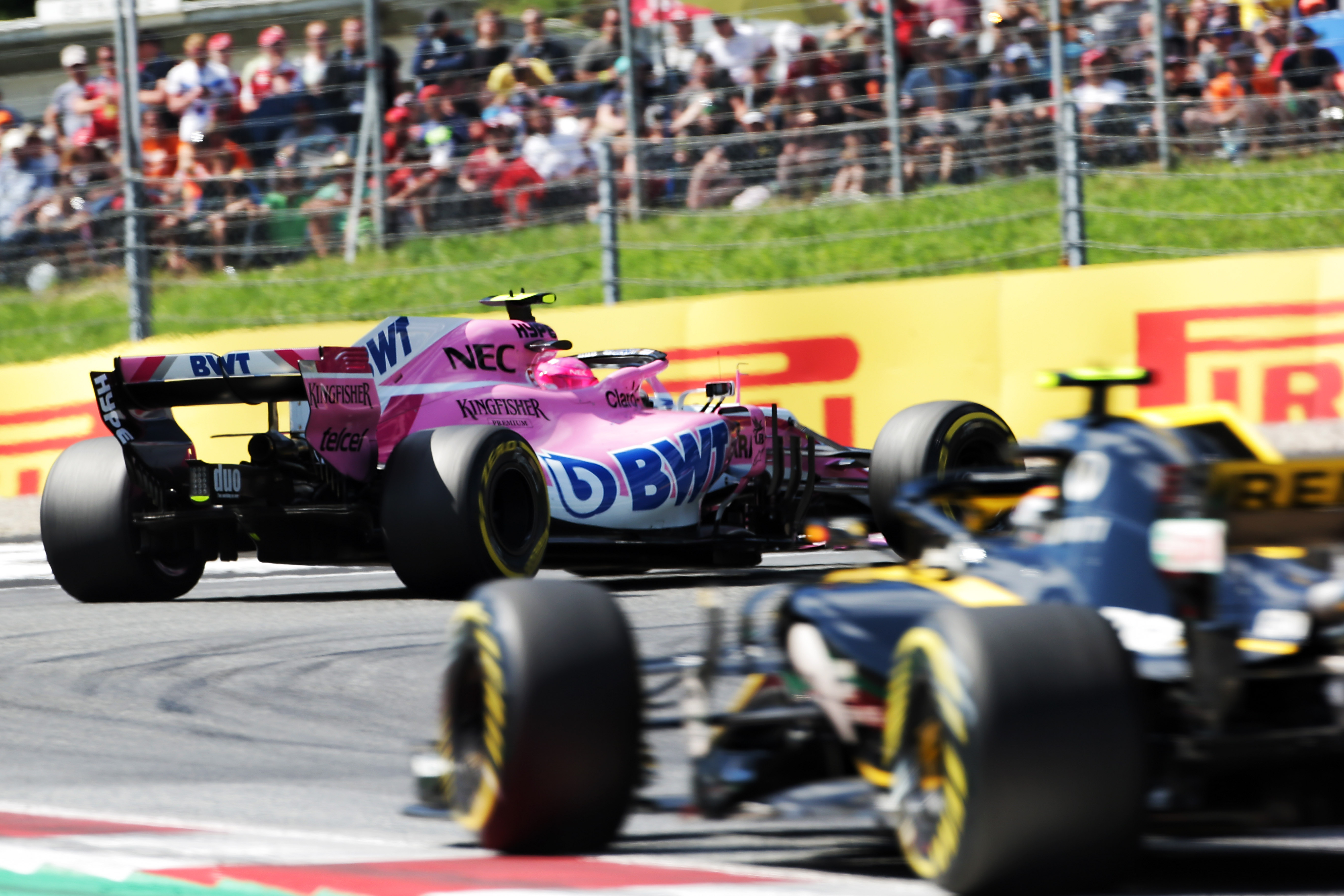
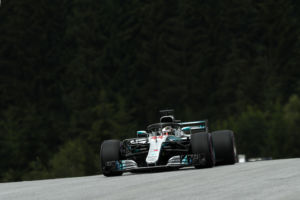
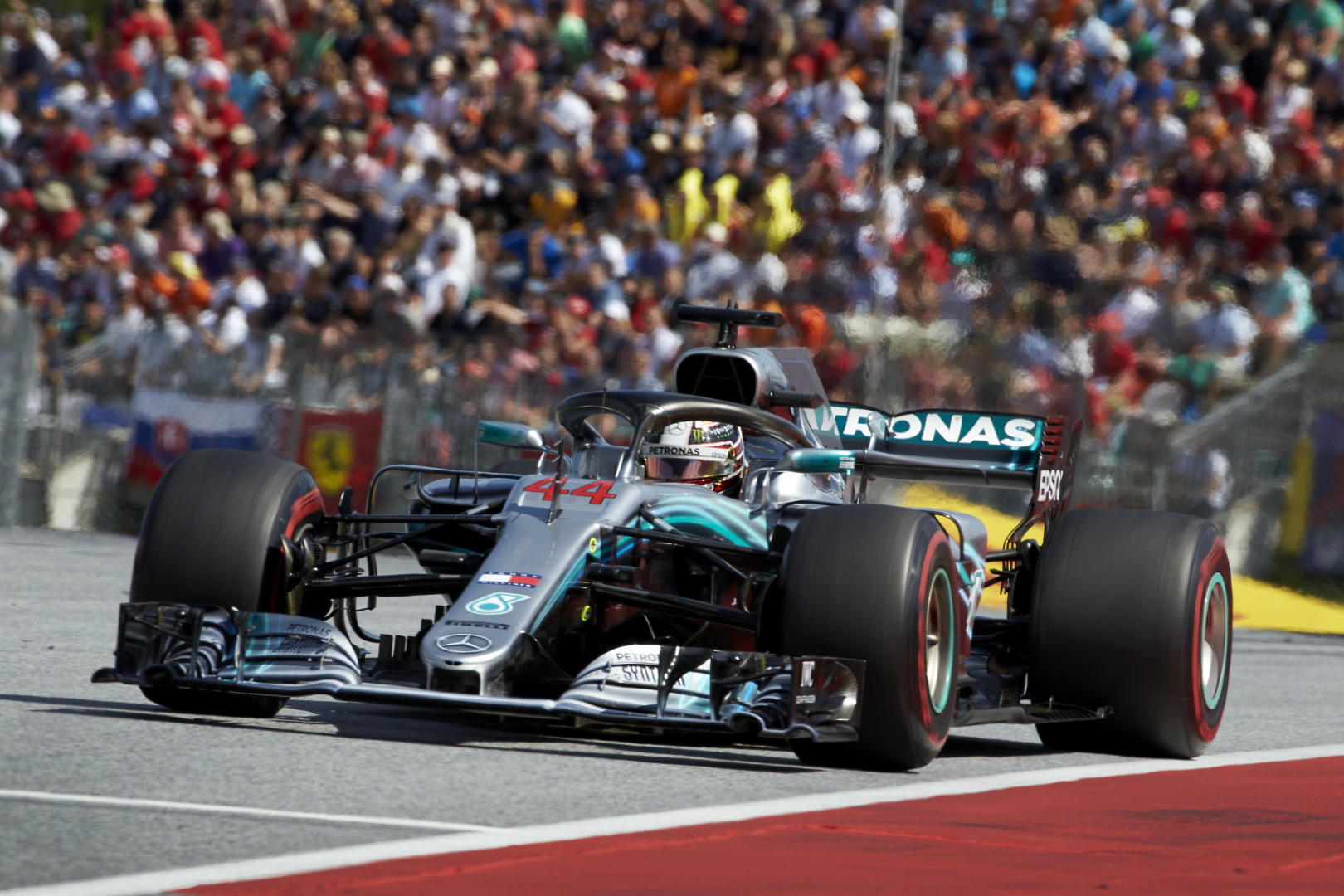
    2018 Großer Preis von Osterreichisch, Freitag – Wolfgang Wilhelm

    Now, however, we have had three DRS zones at a fair few of the circuits, meaning that the gap between the bigger teams and the smaller teams has extended. It really has turned into a case of mind the gap in F1.

    In fact, it has got to the point where the teams below Mercedes, Ferrari and Red Bull have formed what is being called a second tier championship. At Silverstone, for example, the top three teams were able to run their cars through turn one with the rear wing open. When the Sauber of Marcus Ericsson tried it, however, he ended up in the barrier.

    As a result, we can essentially say that the financially better-off teams with more aerodynamic capability, who already had an advantage before, now have an even greater advantage, which is really taking away from the spectacle of Formula One.

    However, the potential danger of being able to have the rear wing open through high speed corners could add to the excitement experienced by us as spectators and increase the adrenaline for the drivers, not forgetting that they can choose not to use DRS in areas where it is permitted if they feel that it is unsafe or detrimental to performance over the course of a lap.

    The already substantial gap between the big three and the rest is, if anything, being increased by the perhaps excessive adding of DRS zones and, as Marcus Ericsson proved in Silverstone, this is something which can also be quite expensive for the teams. Formula One’s technical rule-makers need to think about trying and beginning to decrease the gulf between the teams in Formula One, and maybe DRS is the place to start.


    Featured image – 2018 Großer Preis von Frankreich, Freitag – Steve Etherington

  • Where do the changes at Ferrari’s helm leave them?

    Where do the changes at Ferrari’s helm leave them?

    Ferrari CEO and Chairman Sergio Marchionne was supposed to stay on with the company until 2021, only leaving once a successor had been found and readied. Things, however, have not gone to plan. Marchionne was taken into hospital for planned shoulder surgery, but complications have since arisen which have left him unable to return to work and in an undetermined state of health.

    Once it became clear that Marchionne would not be able to return, Ferrari’s Board of Directors convened and named John Elkann as the new Chairman and proposed Louis Camilleri as the new CEO, splitting Marchionne’s old role into two separate ones. Before these appointments, Elkann was the CEO and Chairman of investment company Exor, while Camilleri was already a board member at Ferrari.

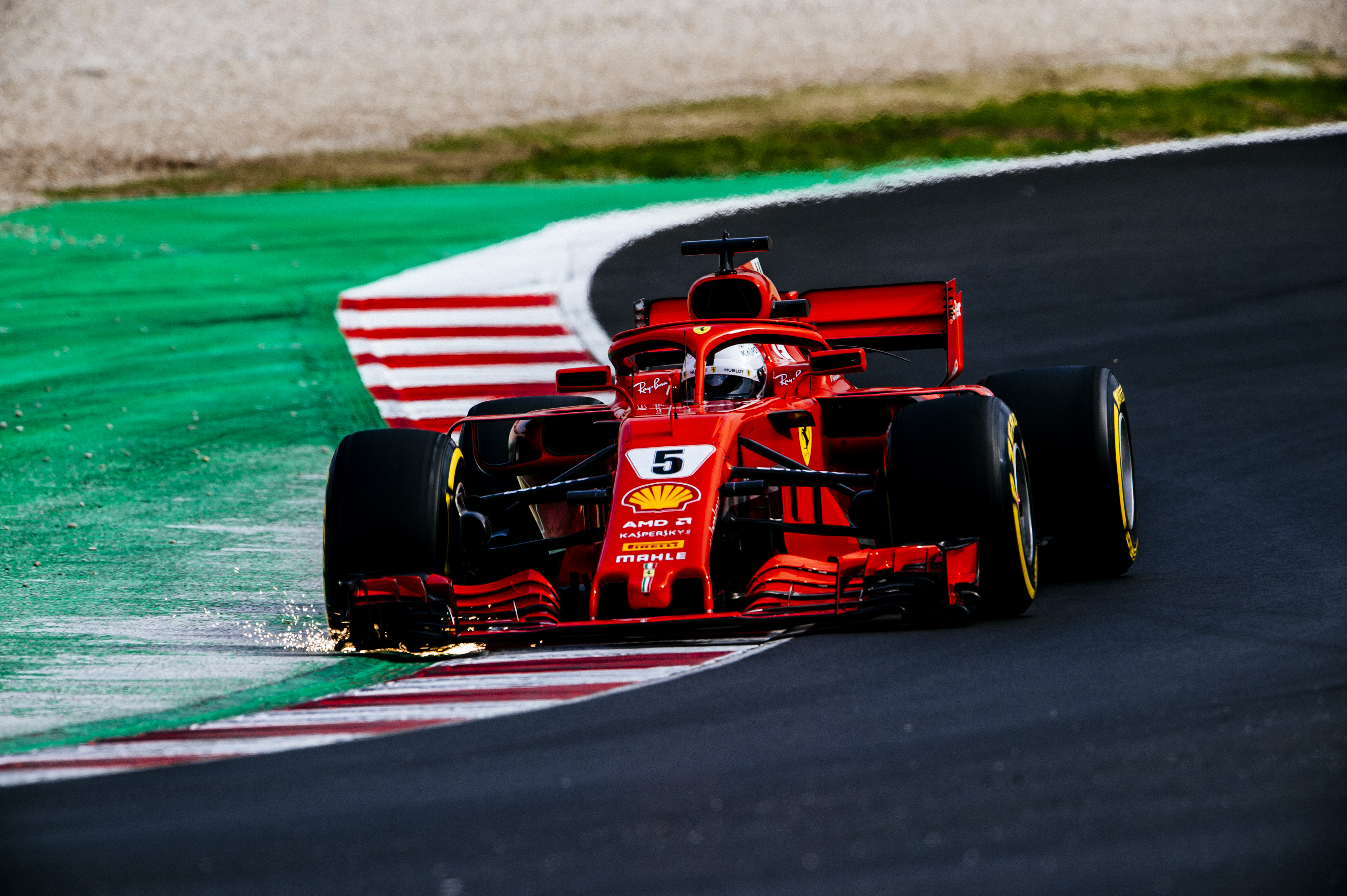
    Ferrari Media

    This movement has rocked Ferrari’s settling boat. The team say that their thoughts remain with Marchionne and his family, but a change this big and unscheduled will have undoubtedly thrown them.

    There are going to be some sizeable short and long-term consequences of the shift for the team as they try to work out where they stand, and prepare themselves for the remainder of what could be a title-winning season for them.

    One of the first issues for the new bosses to deal with is the matter of who drives alongside Sebastian Vettel next year. When Marchionne was in charge, it was thought that the team were leaning more towards the much-hyped Charles Leclerc as opposed to the aging Kimi Raikkonen but this, like everything else, has seemingly changed.

    Promoting Leclerc into the Scuderia is a huge risk considering his lack of experience in F1, whereas Raikkonen is a known quantity who, while no longer very exciting, doesn’t represent as much of a gamble. This means that the Finn is much more likely to be retained now than he was before, simply because the new management aren’t going to want to come in and have one of their first major decisions be a big risk. It would be a shame for Leclerc, but he has time on his side and will certainly get to Ferrari one day.

    Another thing that needs addressing is the negotiations surrounding F1’s 2021 regulation change. Marchionne had threatened to pull Ferrari out of F1 as a result of the planned engine changes, although many saw this as a bluff to give them more influence in the talks. The main question is if Ferrari’s tune will stay the same with new management – will they deal with F1’s owners Liberty Media in the same way or will things change?

    F1 Chairman Chase Carey has said that they will give Ferrari time to sort themselves out before resuming talks. However, with the team having been left somewhat unstable following Marchionne’s departure, it could mean that their position in those talks will be subsequently weakened.

    Ferrari Media

    Then there’s the rest of this season to deal with. After issuing unclear team orders at the German Grand Prix, Raikkonen was certainly unhappy and the team as a whole just seemed a bit flustered. Vettel hit the wall and saw not only an almost certain victory slip away from him, but also the lead in both championships. Ferrari can’t afford to let another championship escape their grasp, as this is the closest they’ve been for a decade – their last constructors’ title came in 2008, with their last drivers’ title in 2007.

    The Ferrari revolution, led by Marchionne, had almost been completed. The team were almost back to their championship-winning ways, and it was just that last little bit of work that was missing.

    Now, with the new management in place, the question is whether Ferrari continue Marchionne’s good work, or whether it will go to waste? Only time will tell, but these next few weeks and months will be pivotal for the future of Ferrari’s F1 team.


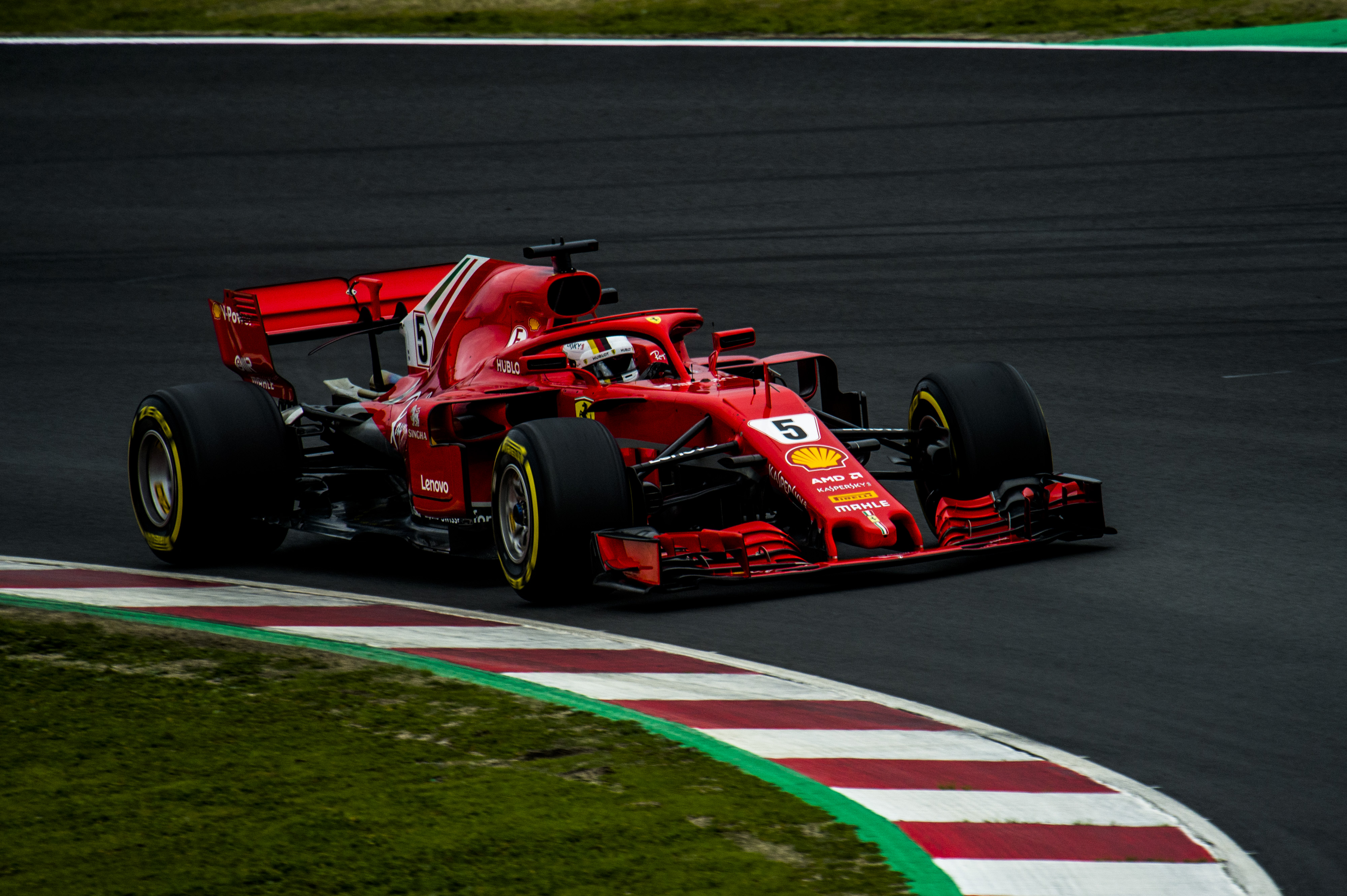
    Featured image – Ferrari Media

  • Is the end in sight for Force India’s troubles?

    Is the end in sight for Force India’s troubles?

    If you looked solely at Force India’s on-track results, you’d hardly believe there are any worries for the team at all. However, financial issues have been brewing for years, and they are now in need of a buyer to realistically stay afloat.

    Many thought that the BWT deal – which was made at the start of 2017 and notably turned the car’s livery pink – was to be the beginning of the end of Force India’s financial worries. That turned out not to be the case, and now the likeable Silverstone-based team have found themselves on the brink of collapse with talks of them going into administration filling the German Grand Prix paddock.

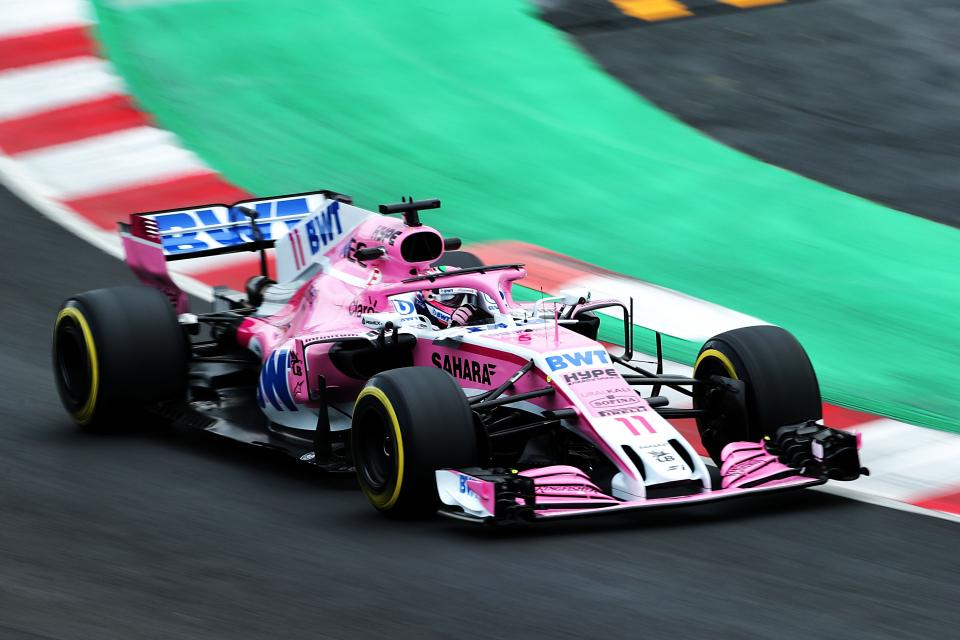
    Sahara Force India F1 Team

    There is, however, a possible saviour for Force India amongst. Cue Lawrence Stroll. The Canadian billionaire famously bought son Lance’s way into Formula 1 with a multi-million dollar deal that saw the young driver placed at the then-midfield team of Williams. But, as Williams’ fortunes have since turned for the worse, the Stroll family are now looking for another team to throw their money at, in search of good results. Force India might just be that team.

    There are some unconfirmed reports going around in German press circles that this supposed buyout has already happened but, for now at least, there is no official word.

    Before we fully jump on the Stroll buyout hype-train, there are some things to bear in mind. This is not by any means the first time there’s been a rumoured buyout of Force India – there have been countless stories over the years that have reported a deal having been completed, but that ultimately came to nothing. Force India are one of the most popular teams for potential buyers – with a car already full of sponsors, you can see why. Even so, given the history of misleading reports, any rumours should be taken with a pinch of salt.

    Force India have been at the head of the ‘best of the rest’ battle for the whole of the hybrid era. While they only finished sixth in the constructors’ standings in 2014, they rose to fifth the following year, and then to fourth in 2016 where they remained in 2017. However, that position has become under threat in 2018 due to the bunching up of the midfield. Renault are currently in fourth, and Force India are currently behind them in fifth with 59 points, equal with Haas but ahead by virtue of Perez’ Azerbaijan podium. McLaren, though challenging in the initial stages of the season, are becoming less of a threat as the year goes on, with their own woes to deal with.

    Sahara Force India F1 Team

    Anyway, back to the buyout talks. One key and expected consequence of the Stroll buyout, if it does go ahead as reported, is that Lance will take one of the seats at Force India. This will leave either Esteban Ocon or Sergio Perez out of a seat. However, with Ocon’s rumoured move to Renault seemingly a done deal, it will be the Mexican driver who will remain with Force India, where he has been since 2014.

    Lance Stroll already has one podium to his name (Azerbaijan 2017) and a front row start (Italy 2017) – he is undoubtedly talented but has been hampered by a vastly underperforming Williams car this year. A Force India seat would give Stroll a chance to build on the potential he showed last year and get back to being a regular points scorer, rather than finishing last, second to last or not at all.

    Overall, the Stroll buyout of Force India could only be a good thing, because it keeps one of the most-loved F1 teams well-funded and on the grid, as well as giving a young driver the kind of opportunity he deserves in F1, given his junior career. It’s a win-win situation… as long as it actually goes through! If not, Force India’s future will continue to hang in the balance.


    Featured image – Sahara Force India F1 Team

  • Toto Wolff calls German Grand Prix podium “the perfect scene” after Mercedes’ 1-2

    Toto Wolff calls German Grand Prix podium “the perfect scene” after Mercedes’ 1-2

    Toto Wolff has hailed Mercedes’ unexpected 1-2 finish at the German Grand Prix as the “perfect scene”.

    The German marque’s duo of Valtteri Bottas and Lewis Hamilton had started the race in P2 and P14 respectively, after the Brit suffered a hydraulic failure in qualifying. Bottas held position at the start but for the most part could only sit back and watch Ferrari’s Sebastian Vettel begin to open up the gap, whilst Hamilton set about carving through the field. Both drivers had longer first stints than those around them – Bottas changed from the ultras to the softs on lap twenty-eight, and Hamilton swapped from softs to ultras on lap forty-two after having broken into the top five.

    2018 Großer Preis von Deutschland, Sonntag – Wolfgang Wilhelm

    It was after Hamilton’s pitstop that the rain began to fall. It had been a looming threat hanging over the race, and it was only a matter of when, not if, it would arrive. Despite it turning out to be only a brief shower, many in the midfield made the decision to pit for intermediates.

    On lap fifty-two, championship leader Sebastian Vettel crashed in the damp conditions and brought out the safety car, with Bottas and Vettel’s team-mate Kimi Raikkonen choosing to pit for fresh ultrasoft tyres. Hamilton, though, stayed out and thus inherited the lead.

    When the race restarted, Hamilton began to pull away – although he was helped by Mercedes telling Bottas to hold position despite the Finn being on the fresher tyre – and eventually crossed the line to win the German Grand Prix and reclaim the lead of the drivers’ championship. With Bottas in P2, Mercedes also re-took the lead of the constructors’ championship from Ferrari.

    2018 Großer Preis von Deutschland, Sonntag – Wolfgang Wilhelm

    Hamilton’s win was briefly under threat when he was summoned to the stewards post-race to explain why he cut across the pitlane entry line when under the safety car, but he was eventually let off with a reprimand and was not given a penalty.

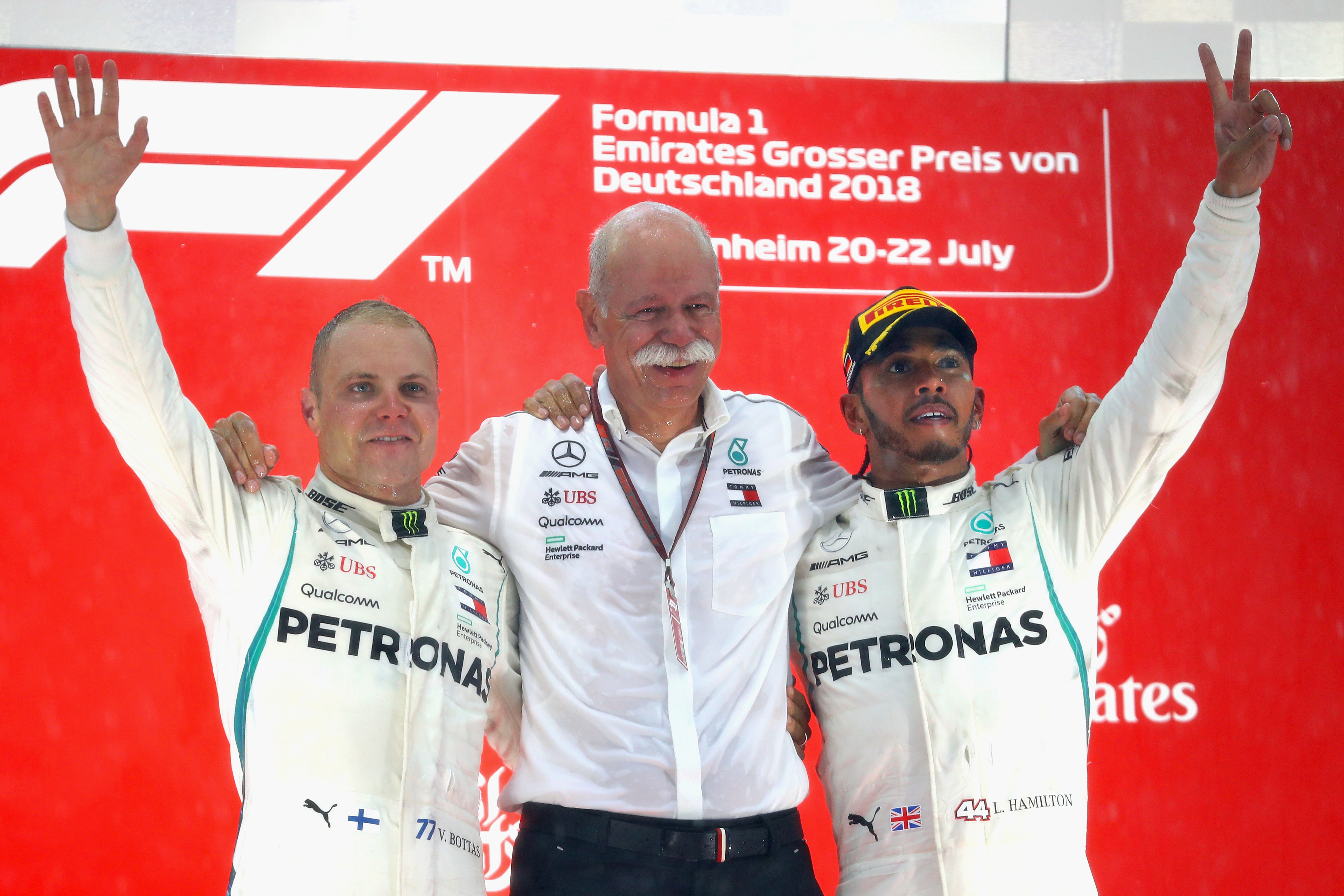
    “What an incredible race – here at Hockenheim, on home turf for Mercedes, and a one-two finish after all the bad luck we have had in recent races,” Toto Wolff said. “Today it felt like that turned into good fortune for us and it was the perfect scene on the podium with our two drivers and Dr Zetsche up there. Like always, the race happens on Sunday not Saturday, and sometimes it’s not the quickest car that wins; that was what happened today.”

    Wolff also extended his sympathies to Ferrari regarding the news that Fiat Chrysler’s CEO Sergio Marchionne was replaced due to worsening health after a recent operation. “But even in the joy of victory, our thoughts also remain with Sergio Marchionne and his family; although we are rivals on the track, we are friends off it and we were saddened to hear the news of his illness.

    “It’s hard to sum up a Grand Prix like this one in a few sentences but things were unfolding in an interesting way when the rain came.

    “After the drama of Silverstone and then qualifying yesterday, this is a dream result and that unpredictability is the beauty of sport. But our focus will turn quickly to Hungary, where we will have to do it all over again next weekend.”


    Featured image – 2018 Großer Preis von Deutschland, Sonntag – Steve Etherington

  • Strategic nightmare: What’s going on at Mercedes?

    A fast car, two fast drivers, but a strategist under fire for a series of errors – and the loss of a lot of points.

    It all started in Australia. Of course, it wasn’t entirely Mercedes’ fault. The virtual safety car allowed Sebastian Vettel to pit and emerge ahead of Lewis Hamilton, taking the win away from world champion that day. However, it was found that it could have been avoided had the team not misread the delta on Hamilton’s car. If he had not been so slow, he would have come out on top in Melbourne.

    Steve Etherington / Mercedes AMG F1

    They were outdone again on strategy by Ferrari in Bahrain; Sebastian Vettel going long on the second stint of a one-stop strategy compared with the Mercedes’ two-stop saw him beat Valtteri Bottas to the line.

    Then came China, where Mercedes had the chance to pit Lewis Hamilton under the safety car, and opted not to. The Red Bulls of Max Verstappen and Daniel Ricciardo passed him as a result, and the latter took the win. The Virtual Safety Car this time, was their undoing in Austria. They again opted not to pit Lewis Hamilton, and this allowed Max Verstappen to gain a free pitstop and take lead away from him, with Hamilton then suffering a mechanical failure. At the latest race in Silverstone, Mercedes again had a chance to pit onto fresher, softer rubber, and decided not to, and this meant that Valtteri Bottas fell from first to fourth with no means of a fightback.

    2018 has not been the only year that Mercedes have been hampered by these errors. Lewis Hamilton, albeit by fault of his own, pitted from the lead of the 2015 Monaco Grand Prix, believing that he had a gap back to team mate Nico Rosberg, only to rejoin in third behind Rosberg and Sebastian Vettel. However, the team allowed him to make this pit stop, instead of holding their ground on the issue. And let’s not forget Australia last year where Vettel’s long first stint got him the jump on Hamilton that day too.

    Fortunately for chief strategist at Mercedes, James Vowles, the Austrian mistake proved to be somewhat immaterial due to the mechanical failures for Mercedes, but in light of the amount of precious points Mercedes have lost to poor strategy calls this season, we have to ask what exactly is going wrong at Mercedes?

    From comments made by Mercedes over the last year, following strategy errors, they do seem to look at the wrong things. From a viewer’s point of view it seemed the Mercedes data was betraying the actuall racing. I felt that if James Vowles, looked at the television screen, and he would have seen what the rest of us saw; that it was necessary to make a pit stop under Safety Cars and Virtual Safety Cars to cover off the Red Bulls and the Ferraris.

    In a team sport like Formula One, it is very much a case of “win as a team and lose as a team,” but it seemed as though Mercedes were happy to allow Vowles to be singled out as the villain of the piece, which was frankly a bit of a betrayal of trust within the team. Given that Mercedes has repeatedly said that they do not pursue a “blame culture”; the events seems to say otherwise. Lets hope this was a one off.

    So they have the power, they have the talent, but Mercedes are being severely hampered by their incapacity compared to their rivals to make the right call at the right time, and Mercedes could be made to look back and rue these errors come the end of the 2018 championship.

  • Fernando Alonso: “We need to improve our qualifying performances” for German Grand Prix

    Fernando Alonso: “We need to improve our qualifying performances” for German Grand Prix

    McLaren’s Fernando Alonso has said the team is seeking to improve their pace during qualifying ahead of this weekend’s German Grand Prix at Hockenheim.

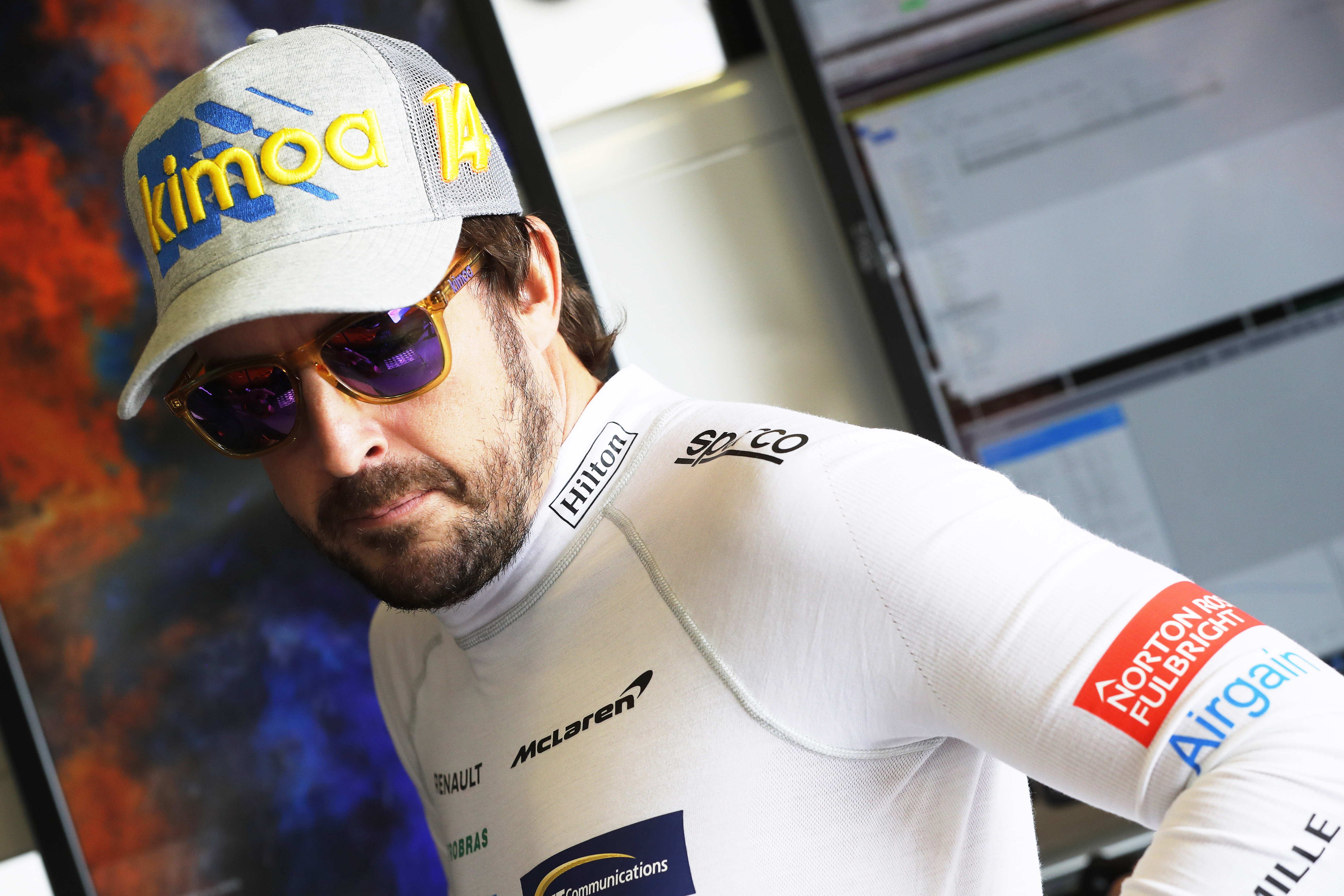
    “We know we need to work on our qualifying performances to give ourselves the best chance on Sunday,” he said, “but we’ve also seen that during the race we can push forward and secure points, so the aim is to achieve the same in Germany [this] weekend.”

    Circuit Gilles-Villeneuve, Montreal, Canada
    Saturday 9 June 2018.
    Fernando Alonso, McLaren.
    Photo: Steven Tee/McLaren
    ref: Digital Image _1ST9206

    So far this season, Alonso has only made it into Q3 twice – in Spain and in Monaco – while team-mate Stoffel Vandoorne hasn’t managed to do so at all. For the most part, the duo have been stuck in the midst of the mid-field, with P13 and P14 being their most frequent results in qualifying. There is no doubt that the French Grand Prix provided their worst Saturday of the year so far – though Vandoorne has failed to make it out of Q3 on four occasions, Paul Ricard has been the only track thus far where Alonso has joined him.

    Speaking of the Hockenheim track, Alonso was realistic about his chances. “[I] have won there three times so it’s great to be back after a break last year. The track is viewed as one of the classics, it’s fun to drive and there are a couple of overtaking opportunities – and an extra DRS zone this year – so hopefully we can fight with the cars around us.

    “The next couple of races before the summer break are on very different tracks. We need to work hard, and do as much as possible to adapt our set-up for each of them to maximise our chances. We know this weekend won’t be an easy track for us but we’ll give it our best as always.”

    Last time out at the power-sensitive Silverstone, Alonso unexpectedly made up five places during the race to end up in the points for the 200th time in his career. In apparently typical McLaren style, the eighth place finish was not made easy for him after – unsurprisingly – a lacklustre qualifying the day before, a trend Alonso and the team are hoping they can end sooner rather than later.


    Featured image courtesy of Steven Tee/McLaren

  • Toto Wolff: Mercedes “hungry” and “ambitious” ahead of German Grand Prix

    Toto Wolff: Mercedes “hungry” and “ambitious” ahead of German Grand Prix

    Mercedes’ Toto Wolff has said that the team are “hungry [and] ambitious” ahead of their home event at this weekend’s German Grand Prix.

    It has been a strange series of races for the Silver Arrows, something Wolff admits. “We didn’t score as many points in the triple-header as we had hoped for,” he said. “A lot of that was down to our own mistakes. However, there is a silver lining to this – while we didn’t maximise on points, we did bring the quickest car to all three races.

    “Hockenheim will mark the halfway point of the 2018 season. We’ve had a decent first half – on the one hand, we’ve left points on the table and had to do damage limitation more often than we would have wanted. On the other hand, we still scored a good amount of points, both drivers have shown strong performances and we have a fast car.

    “So, there are many reasons why we’re looking forward to the second half of the 2018 season; we’re hungry, ambitious and want to kick on from there.”

    Steve Etherington/Mercedes AMG

    At the French Grand Prix, the first race of the triple-header, Lewis Hamilton romped to victory while Valtteri Bottas was spun at the start by Sebastian Vettel, suffering a left-rear puncture in the process that dropped him way down the order. He eventually recovered to seventh. A week later in Austria, both Bottas and Hamilton retired from the race in what is believed to be Mercedes’ first double mechanical retirement in F1 since the 1950s. Then, another week after that, Silverstone and the British Grand Prix saw an inversion of the Paul Ricard incident. This time, it was the other Mercedes of Hamilton that was pitched into a spin on the first lap by the other Ferrari of Kimi Raikkonen. Bottas would finish P4, while Hamilton recovered to finish P2.

    Speaking of the looming German Grand Prix, Wolff added, “Going to Hockenheim always feels like coming home. It’s only about a 90-minute drive from the Daimler headquarters in Stuttgart.

    “While we had the great opportunity to race in front of many of our colleagues from Brackley and Brixworth in Silverstone, we’re now looking forward to welcoming the German members of the Mercedes family to the circuit and to holding high the three-pointed star on home turf.

    “The track itself is quite interesting; it has a variety of corner speeds and will test every aspect of the car.

    “We will fight hard to not only put on a good show for our friends and fans in Hockenheim, but also get the result that they will be hoping for.”

    Going into the race, Hamilton and Bottas are P2 and P5 in the WDC respectively, with the former eight points behind leader Sebastian Vettel. In the constructors’ championship, Mercedes are twenty points behind Ferrari, with the prospect of their home race making them keener than ever to make up ground.


    Featured image courtesy of Steve Etherington / Mercedes AMG F1.

  • A forest, an impressive bridge, and a race track – Formula One returns to Hockenheim

    A forest, an impressive bridge, and a race track – Formula One returns to Hockenheim

    As part of a once-every-other-year contract, Formula One returns to Hockheim for the first time in twenty-four months for the German Grand Prix, and what a setting it is. Situated twenty kilometres south of Mannheim in south-west Germany, trees stretch as far as the eye can see across the forest into which the track used to extend. Heidelberg crosses the River Neckar, with two massive white pillars forming a beautiful gate at the end of it. Standing proudly among the trees behind it is Heidelberg castle. There is a really special old racing town feel about Hockenheim, making it extremely frustrating that the Formula One bandwagon can only visit every other year.

    This will of course be the first ever time that these new-spec Formula One cars will have raced around the Hockenheimring. The last time the race was held back in 2016, Lewis Hamilton took the win from the Red Bulls of Daniel Ricciardo and Max Verstappen, en route to Rosberg’s thrilling championship victory. That particular win had given Hamilton a 19-point advantage in the championship, but in 2018, Hamilton is fighting to take back the lead.

    He will have to do so against another of the local heroes that of Ferrari’s Sebastian Vettel. The German emerged from the race at Silverstone with an eight-point championship lead after an excellent victory at his rival’s home race. Hamilton brilliantly recovered to second place after contact on the first lap with the other Ferrari of Kimi Raikkonen.

    Up until 2013, Hockenheim shared ownership of the German Grand Prix with the Nurburgring in Ahrweiler, but the historic circuit lost these rights due to a lack of funding. This prompted the then F1 supremo Bernie Ecclestone to take some creative measures to try and keep the circuit on the calendar, which led to a messy bribery court case.

    Hockenheim race stats. Image courtesy of Pirelli

    As well as Sebastian Vettel, it is also the home race for Renault’s Nico Hulkenberg, with the French team for whom he drivers continues to battle with Haas and Force India in the mid-field. And of course, it is a return home for constructors’ champions Mercedes.

    Predominantly, this is a circuit that should suit Mercedes, but don’t completely rule out Ferrari and Red Bull. The second and final sectors offer a few more twisty sections, so expect them to be right on their tails.

    As beautiful as the setting and the track are, Hockenheim holds painful memories for motor racing. The [longer] circuit has claimed the life of twenty-seven drivers over the years, including the great Jim Clark.

    The championship battle is heating up almost as much as the British weather, as we head to Germany for round eleven of the 2018 world championship.

  • Three Years Since Bianchi’s Death – What Has F1 Learned From the Horror Crash?

    Three Years Since Bianchi’s Death – What Has F1 Learned From the Horror Crash?

    5th October 2014 was a dark day that holds many painful memories for the world of Formula One. It was the day that French racing driver Jules Bianchi – a man so talented he was tipped to be a multi-world champion – crashed into a recovery vehicle at turn seven at Suzuka and, after a long battle, eventually succumbed to his injuries on the 17th July 2015.

    Jules Bianchi at Silverstone 09/07/2014
    Image courtesy of FOTO STUDIO COLOMBO X FERRARI

    Exactly what has Formula One learned since Jules’ passing? First of all, we have to look at the marshals and the stewards. Regardless of whose responsibility it was, a recovery vehicle was deployed under a yellow flag in incredibly wet conditions. Not a safety car or a red flag, but a yellow flag. This, plainly and simply, should never have happened.

    As a result of this recovery vehicle deployment, the Virtual Safety Car (VSC) was invented so as to keep the drivers to a delta time after an incident. This would mean that drivers would slow down immediately, and there would not be the confusion that is otherwise presented by localised yellows. This is not to say that localised yellows no longer exist, but Adrian Sutil’s accident in Suzuka – the reason the recovery vehicle was deployed – would have seen a VSC brought out instead. The VSC was first used at Monaco in 2015 when Max Verstappen and Romain Grosjean crashed at Sainte Devote.

    However, the most concerning aspect of the incident is not the yellow flags, but rather the fact that the recovery vehicle was allowed out on track under such circumstances. In 2008 at the Nurburgring, a recovery vehicle was deployed after several spins at turn one, and it was hit by a Toro Rosso. Thankfully it was a small impact and no harm was done as a result, but surely you would think that Charlie Whiting would learn from something so dangerous. As it was, he didn’t, and once again he allowed the recovery vehicle to be let out onto the track at Suzuka. This time, the decision resulted in a fatal accident.

    This negligence is the reason Jules’ father, Philippe Bianchi, decided to sue Formula One, then-F1 supremo Bernie Ecclestone, FOM (Formula One Management) and the Marussia Formula One Team for whom Jules had been racing. He later retracted this because, realistically, he could receive all the money in the world, but he would not get his son back.

    Jules Bianchi. Image courtesy of Ferrari media

    Our sport has come a long way since Bianchi’s death, and steps have been taken to prevent the same thing happening again. In fairness, Charlie Whiting has since taken precautions to avoid similar circumstances to the ones to which he contributed nearly four years ago.

    They say the good die young, but Jules was not just good. He was on another level, but unfortunately these safety advances came too late for one of Formula One’s brightest ever stars.


    Featured image © FOTO STUDIO COLOMBO X FERRARI