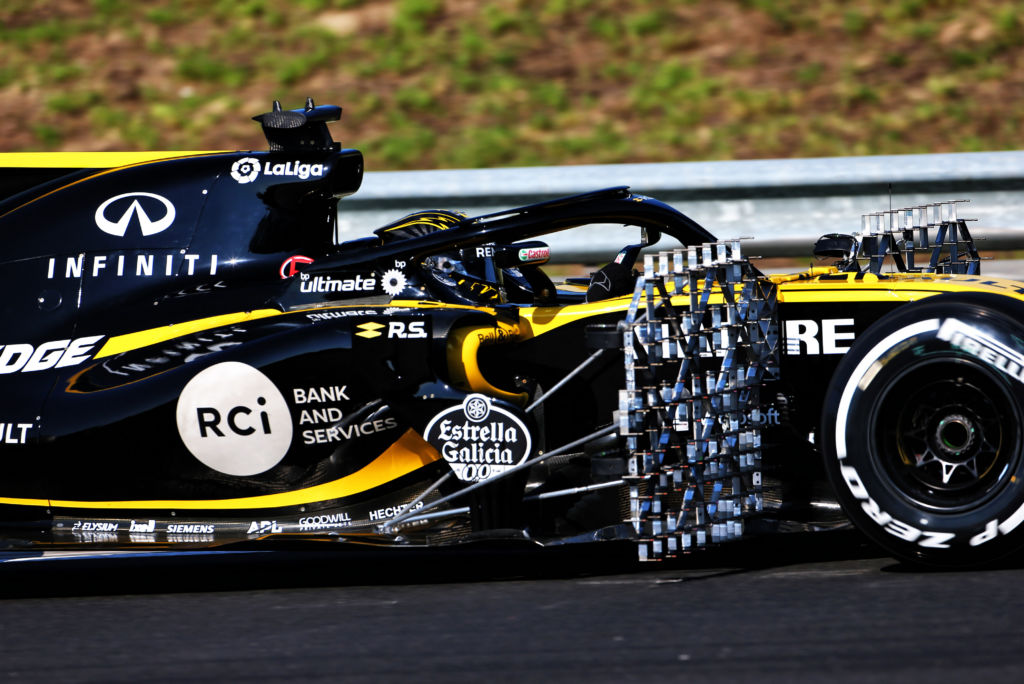
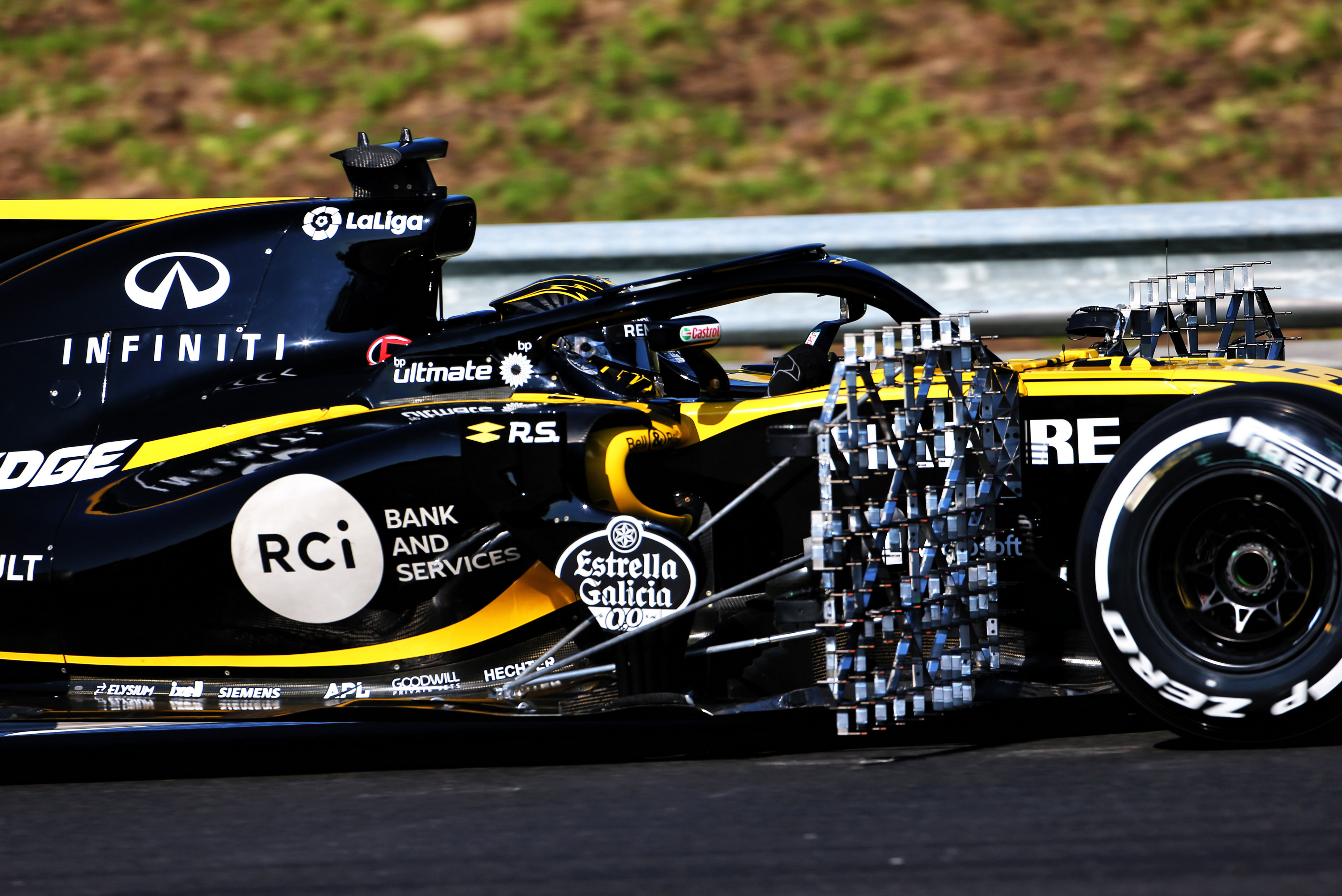
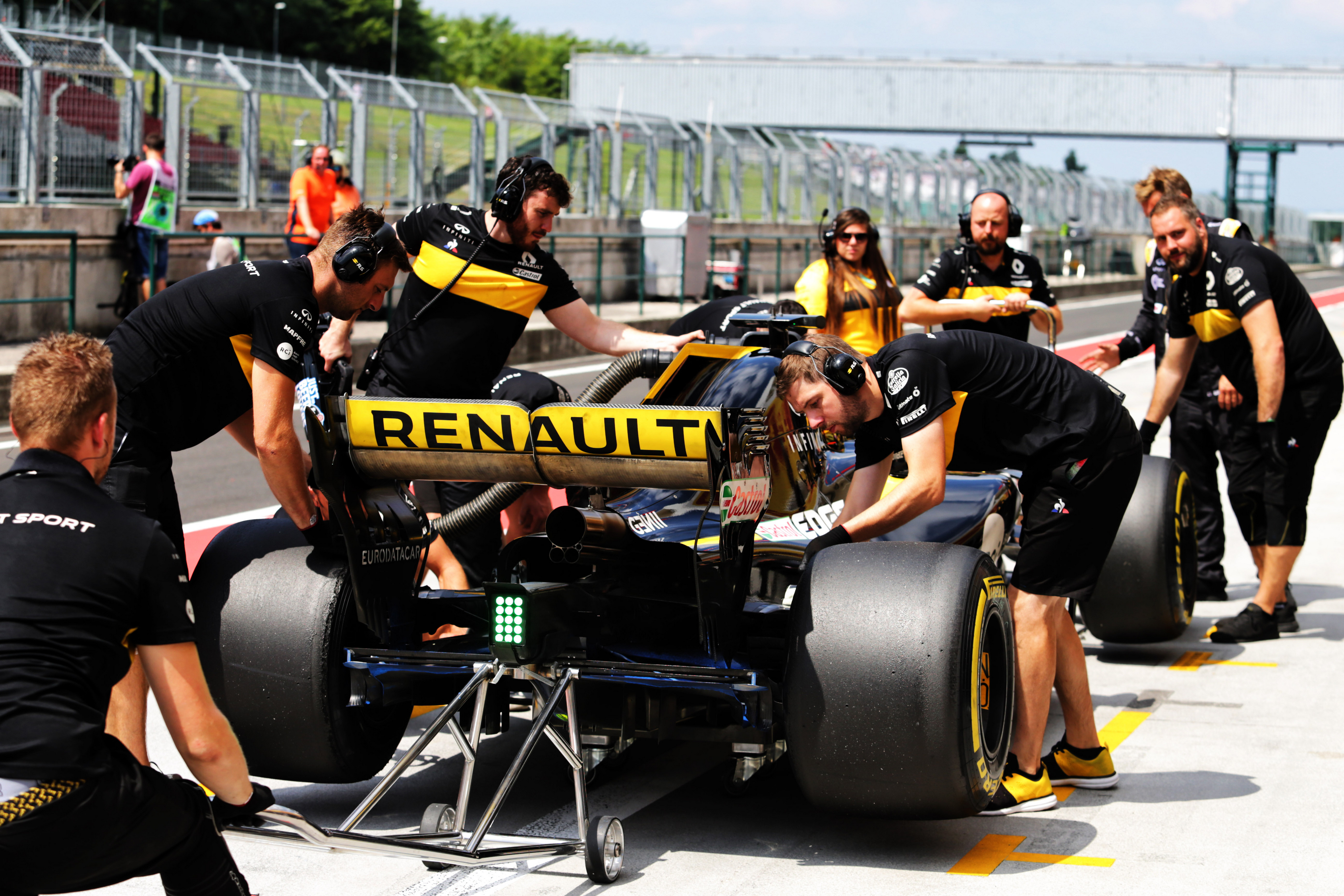
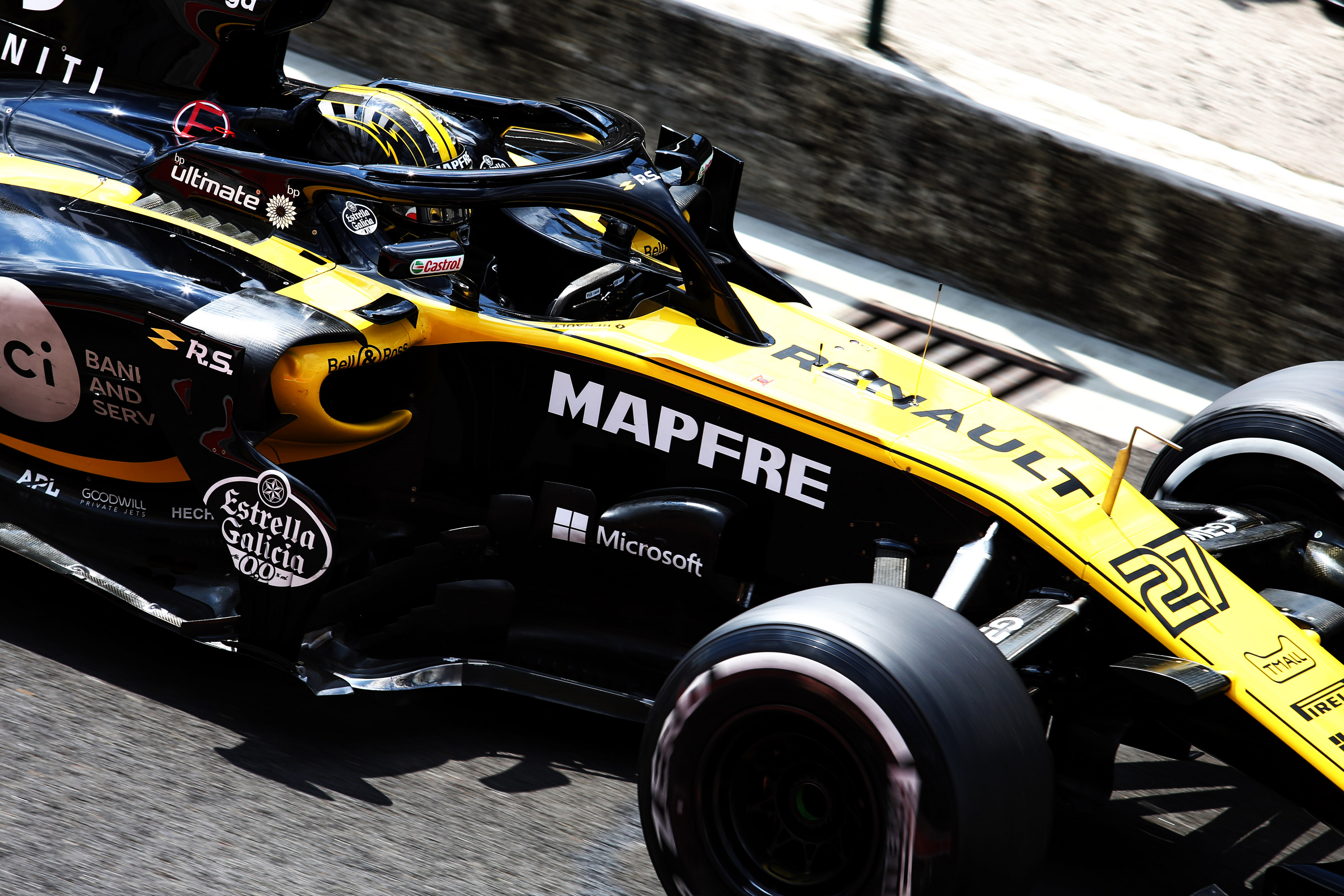
Renault director Cyril Abiteboul has said that the team will begin trialling concepts for its 2019 car at Spa this weekend, as focus at Enstone turns towards the new wing regulations coming for next year.
“Most of our resources are now focused in preparing for 2019,” Abiteboul said. “We are pushing on with aero developments, and will bring some concepts at upcoming races onto the R.S.18 that are ultimately destined for next year’s car.
“We have been offensive and decisive in the driver market [in signing Daniel Ricciardo] and now we have to do the same on both chassis and engine development.”
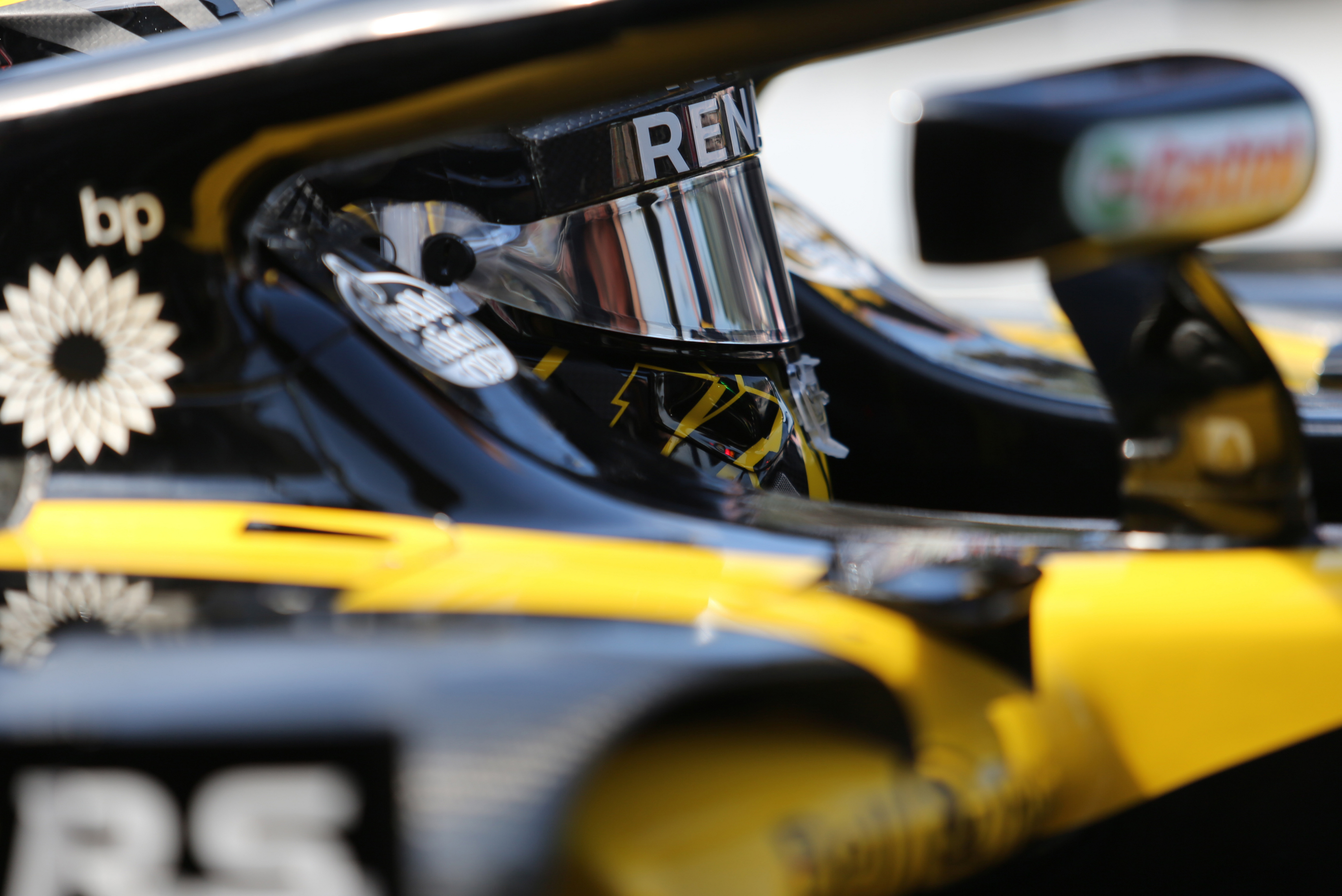
Renault Sport F1 Team
Abiteboul also said that, despite looking ahead to 2019, Renault will still “keep bringing developments to this year’s car to find gains wherever possible”.
Technical director Nick Chester said that maintaining their development pace will be key in making sure Renault stays ahead of Haas and Force India in the fight for fourth in the Constructors’ Championship:
“We’re in a super tight battle in the midfield. We’re being pushed hard and we have quite a lot of work to do.
“The objective is to find raw car pace. We have to put more performance on the car to have a good fight until the end of the year. We have a new floor for Spa and some other bodywork parts to go with that, which should be helpful.”
It was one of the most dramatic races ever – It’s worth mentioning also that the team hadn’t done that well that year, with numerous DNF’s and a very slow car as well. However, when the team changed their designer, bringing Mike Gascoyne on board and he introduced a new floor and sidepods. Damon Hill drove the improved car to fourth in the German and Hungarian races, the two races before Belgium.
During the Friday’s free practice sessions, Damon placed the car fourth and then third fastest, showing the changes were making a dramatic difference. Then in qualifying Damon put the car third on the grid, ahead of Michael Schumacher and behind only Mika and David in their McLaren Mercedes.
In the wet and raining warm up on Sunday morning the two Ferrari’s led the way, with Michael ahead of Eddie Irvine, whilst Damon was sixth.
At the first start there was a massive accident taking out nine cars. The drivers who didn’t restart were Rubens who was injured, Olivier, Salo and Rosset.
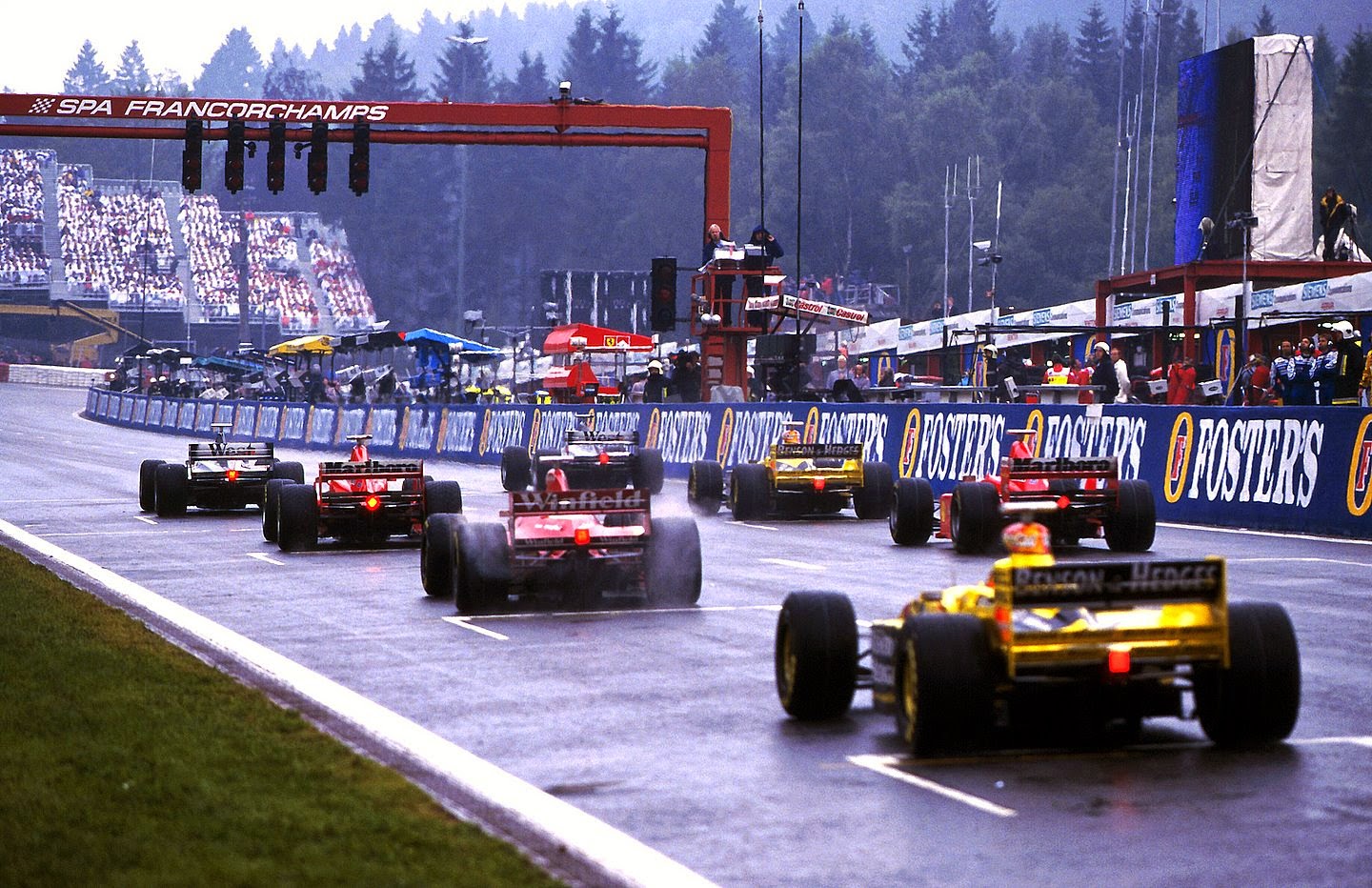
The rain eased off and after the clean up that saw so many cars out, the grid lined up for a restart with the drivers opting to switch to intermediate tyres.
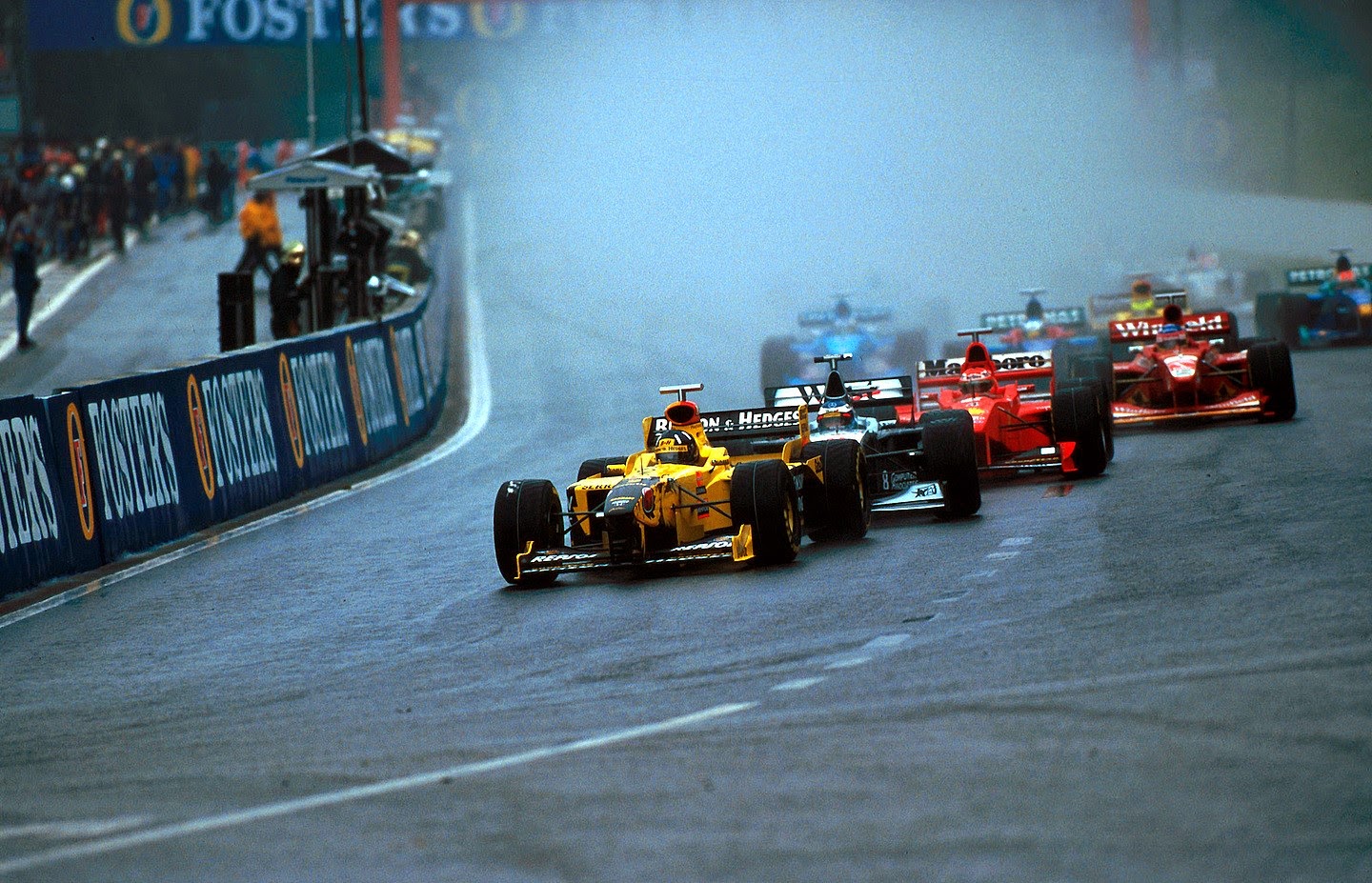
At the start, Damon Hill took the lead, but Mika Hakkinen spun at La Source and was hit by Johnny Herbert who clipped the front of the McLaren. With Mika and Johnny colliding at the first corner, the safety car came out for a couple of laps whilst the mess was cleared up.
1998_belgian_grand_prix_by_f1_history-d9iq172
At the restart after those safety car laps, Jacques passed Jean Alesi, moving into fourth place. Seven laps into the race, Damon and Michael were lapping a full three seconds faster than all the other drivers and were eight seconds ahead of Eddie Irvine who was third.
After eight laps, the rain started to fall harder and Michael Schumacher took the lead from Damon, out braking the Brit into the bus stop chicane. Once there, with his set-up on his Ferrari set to the track getting wetter. Each lap saw the German pull away from Damon and the lead by lap 13 was ten seconds.
Lap nine saw Eddie spin off and damage his front wing and further back the remaining Stewart driven by Jos Verstappen retired after his Ford engine failed. Twelve laps in and Michael had a nine second lead over Damon. Williams driver, Heinz Harald Frenzen was now in third place, but Jean in his Sauber was actually catching the German ahead of him. On lap 14, Frenzen ran wide into the gravel in the final third of the lap, and Jean passed him, moving into third and was now lapping faster than Damon. The lap times were starting to increase as the rain began to fall heavier and Jacques had now caught his teammate. On lap 16, having not stopped for full wets the Canadian spun out and retired from the race. The result of that was our top three was now Michael, Damon and Ralf.
However, the race was to have a dramatic moment on lap 25, when Michael struck the rear of David’s McLaren as he was coming through to lap him, and this ripped off his right-front wheel and suspension, and David’s rear wing being knocked off! The two drivers completed the lap, Michael driving on just three wheels, but then Michael stormed down to the McLaren pits and had a go at David. He was pushed away by his own team who had tried to stop him from going down there in the first place.
The net result of this was that Damon was back in the lead. A couple of laps later, Damon ran wide at the bus stop chicane and took a skip over the grass. No big drama though, as he had a good lead over his teammate. In third place by this point was Jean Alesi in his Sauber and at points, he was lapping faster than the two Jordan’s ahead of him.
The following lap saw an identical crash – Fisichella in his Renault hit the rear of Nakano’s Minardi as they came down to the bus stop chicane, with the result that he lost control and also hit the barrier at the start of the pit lane. A small fire started on the side of the car, which was put out quickly and given the position of the car, race control released the safety car which stayed out for five to six laps whilst the mess was cleared up. A number of cars pitted during the safety car period and Damon managed to pit and re-join in the lead.
David’s McLaren had been rebuilt with a new rear wing and re-joined the race in seventh place but was four laps behind the sixth-place driver. With 12 laps remaining, the safety car was still out there but preparing to pit and the race would restart.
With 10 laps remaining, Damon had everything under control and was pulling away from his young teammate, Ralf, who in turn was keeping a good gap to Jean in his Sauber and four seconds covered the top three with eight laps remaining, but the gap then started falling as the rain eased off and with just five laps remaining just three seconds covered the top three.
Three laps to go and Damon had opened up a bit more of a lead now with the rain falling harder again. Jarno Trulli, running in the final points position was lapped safely by Damon on lap 42.
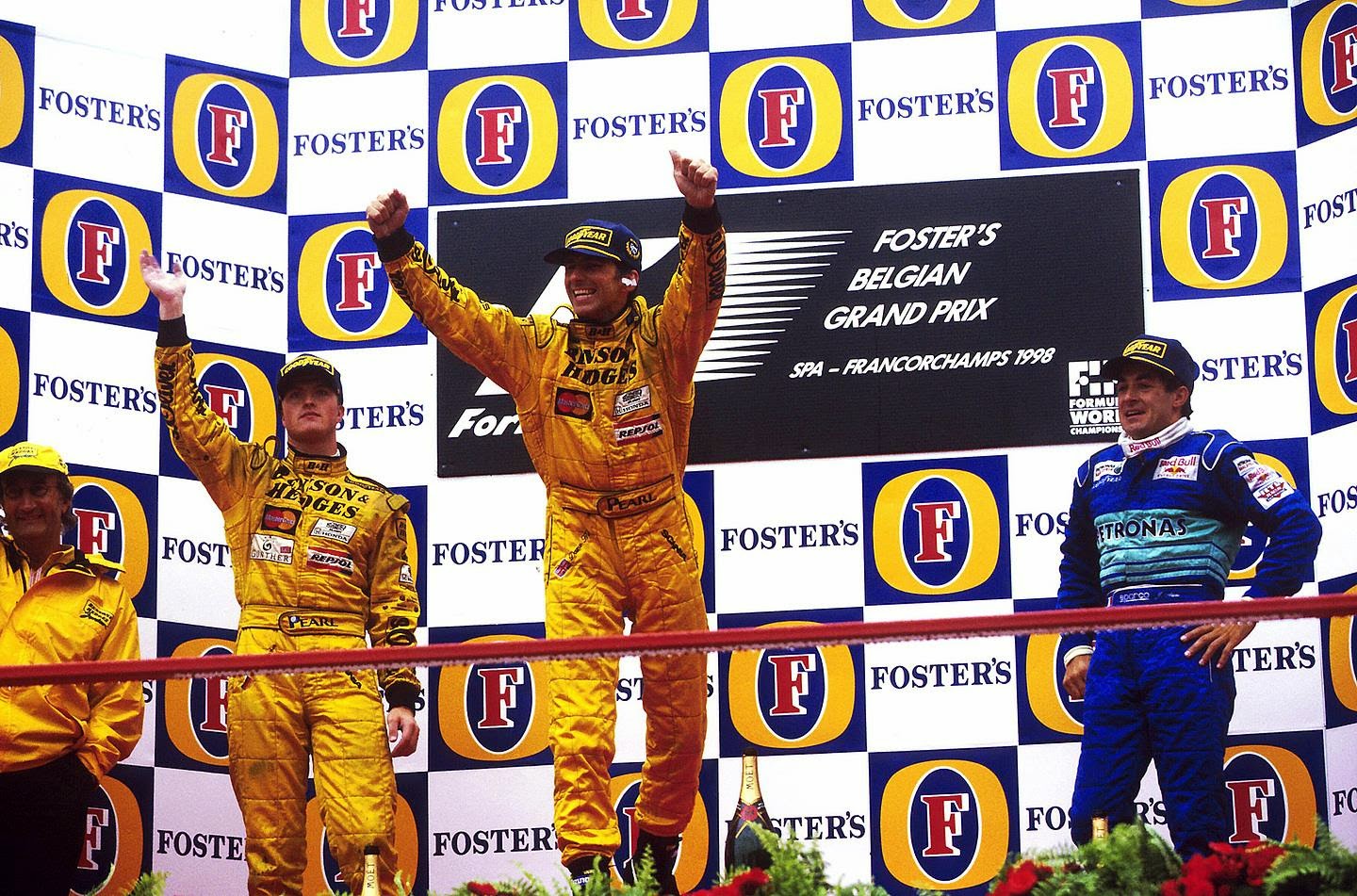
The final lap passed without incident and Damon Hill crossed the line to win his twenty-second race and Jordan’s first. Ralf took second place and Jean Alesi took Sauber’s first podium in third place with a brilliant drive. Heinz Harald-Frenzen was fourth and Pedro Diniz, driving for Arrows was fifth and taking the final points position of sixth, Jarno Trulli in his Prost.
I’d say, that this race is definitely one of my favourites, and not just because Damon won, but for the incredible drama and excitement it brought to the those who watched.
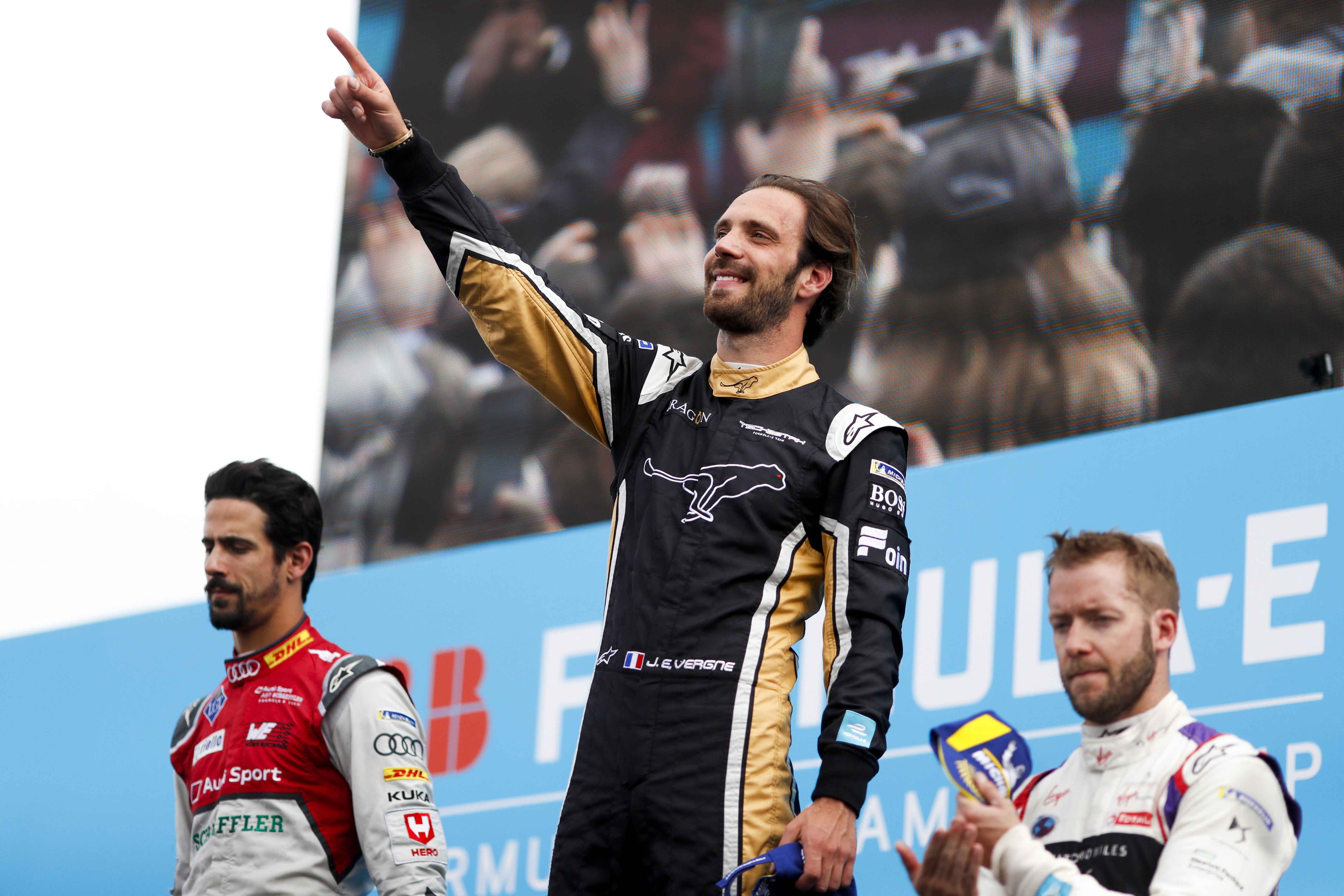
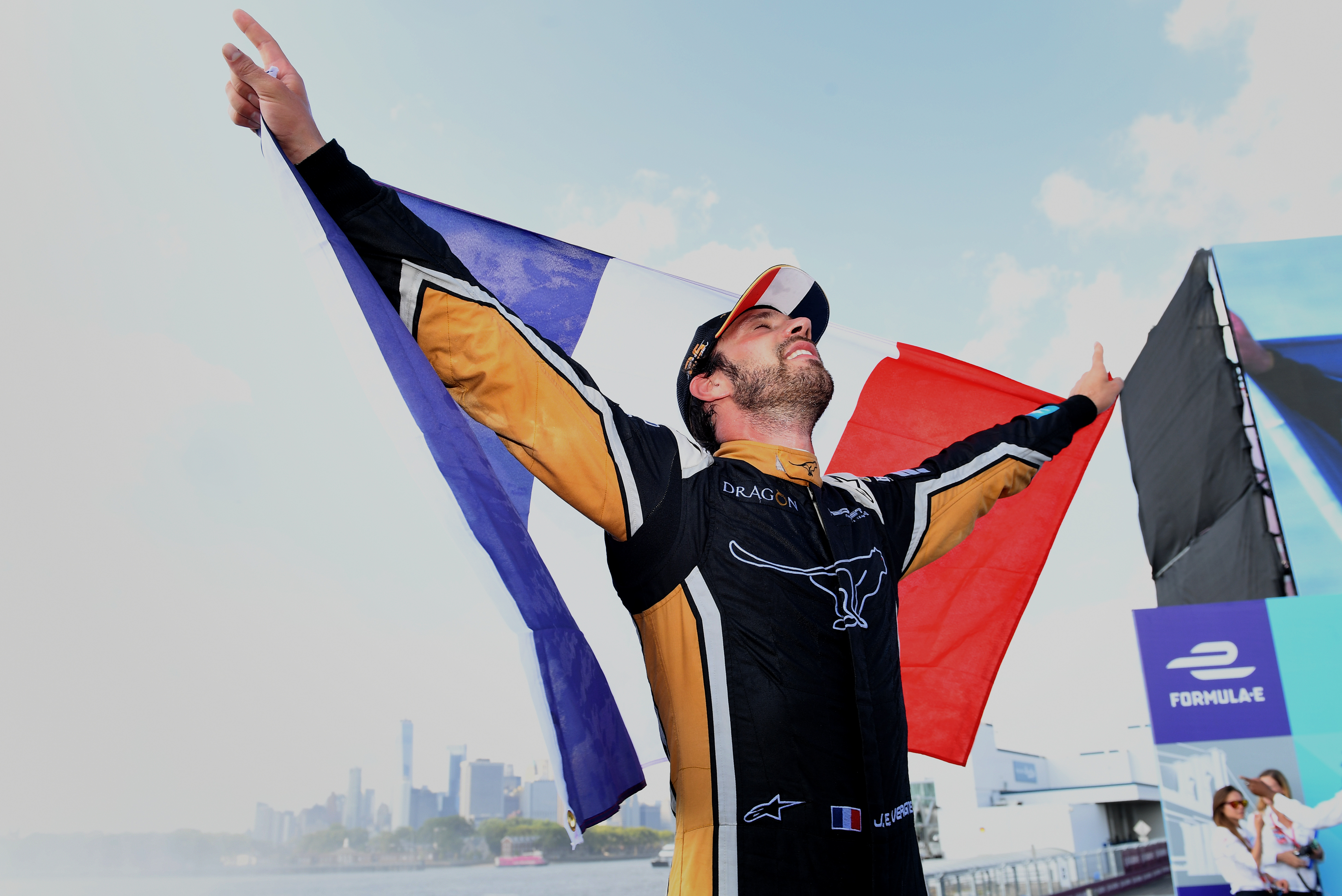
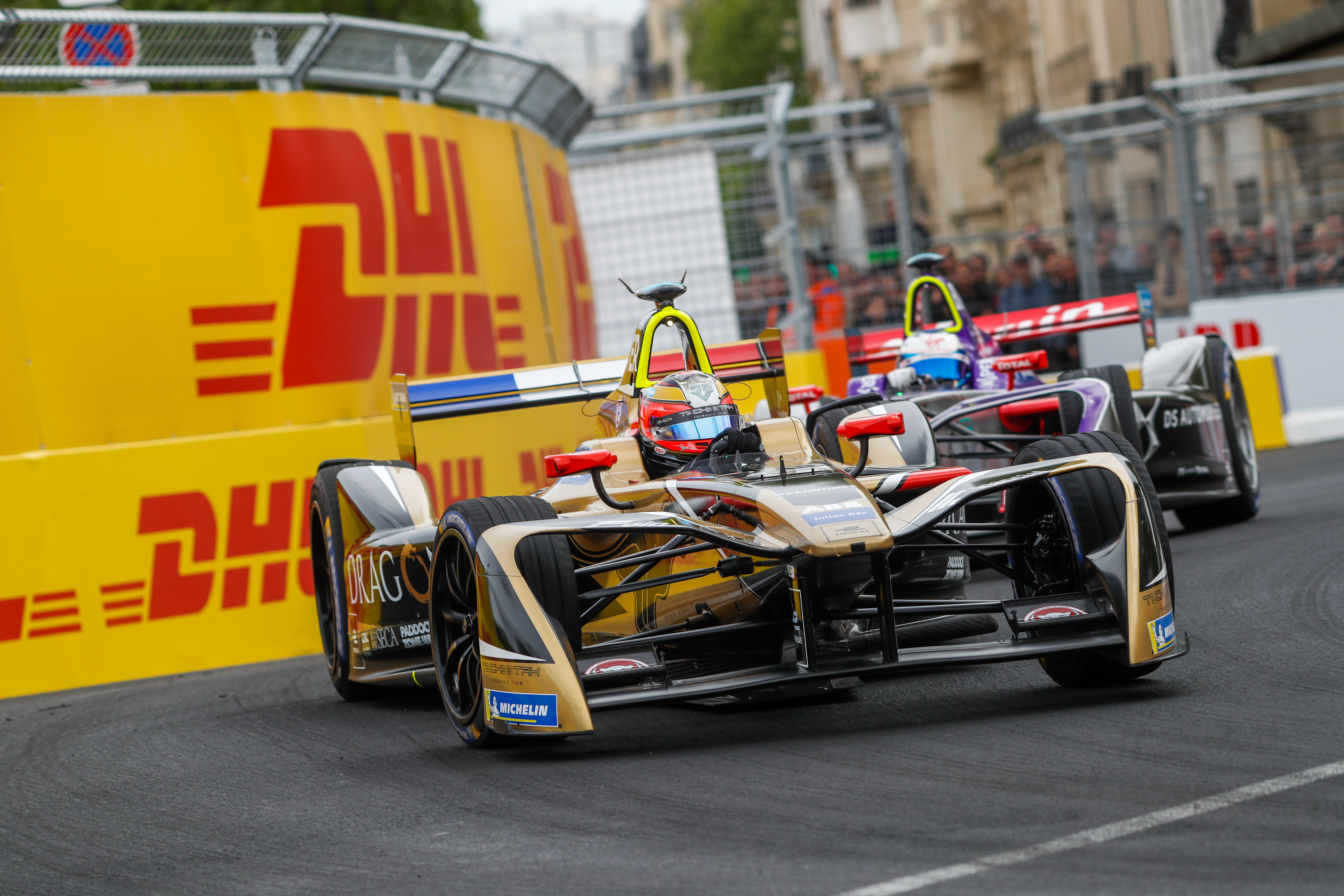
2017–18 Formula E champion Jean-Éric Vergne has said that he has been approached by an F1 team over a 2019 race drive.
LAT Images / Formula E Media
The former Toro Rosso F1 driver revealed the contact in an interview with crash.net when asked about his chances of returning to Grand Prix racing:
“It’s a possibility. It’s funny how the world of motorsport changes. Three years ago, I don’t think anybody would have called me from F1 and said: ‘Hey, do you have a contract for next season?’.
“When you change your state of mind, when you change a little bit how you work, you see the results straight away. You see it in the results, and you see it in how people look at you and how they speak to you. When you start representing a brand [like Formula E], it changes a lot of things.”
LAT Images / Formula E Media
Vergne’s comments have come amid a breakout year for the Frenchman, in which he took four Formula E victories en route to the season four title with Techeetah, as well as an LMP2 class win at Le Mans with G-Drive (although this was later taken away for a team technical infringement).
They also follow a series of surprise announcements in the F1 driver market over the summer, which will see Daniel Ricciardo move from Red Bull to Renault and Fernando Alonso step away from the series in 2019.
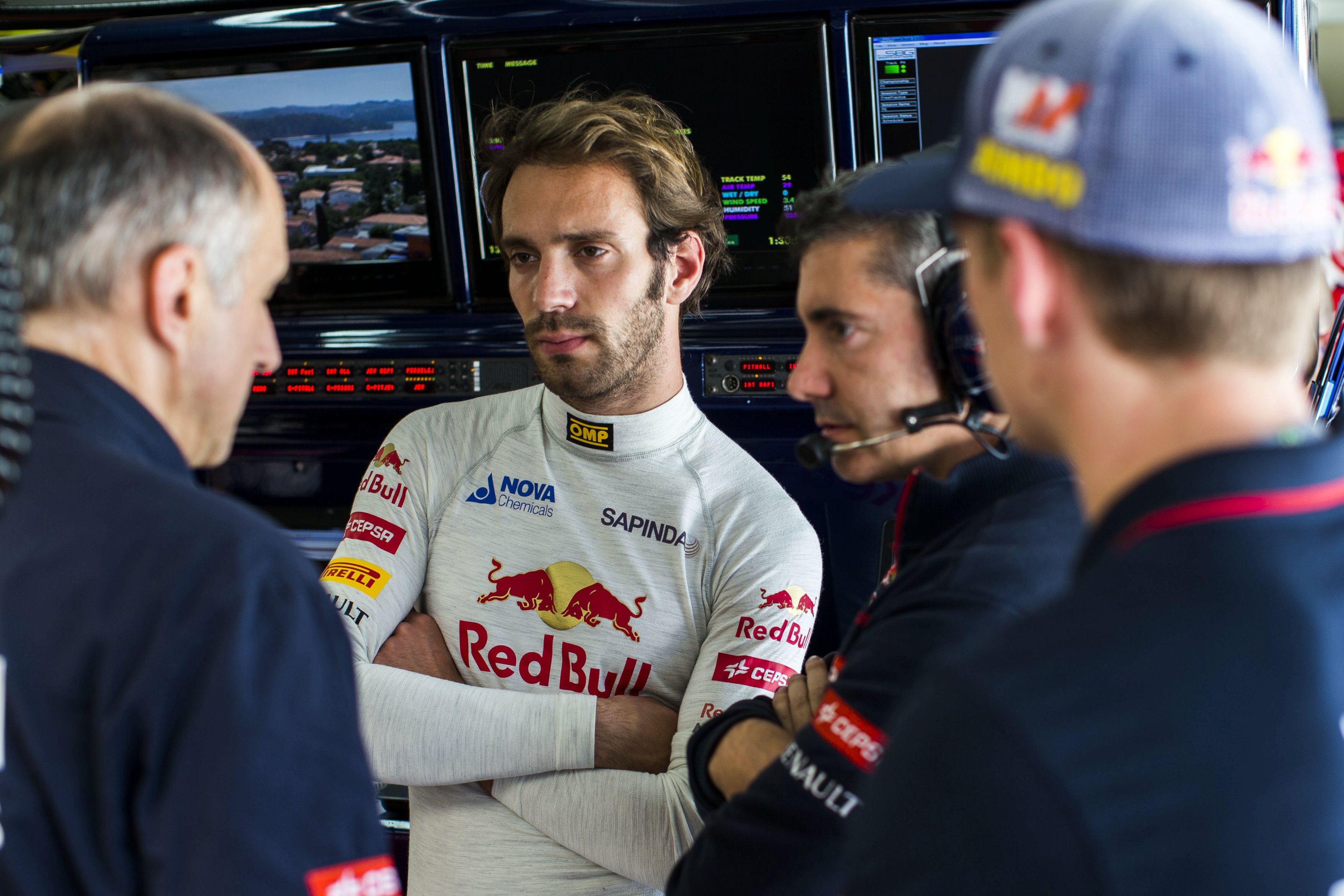
Vergne’s previous F1 tenure spanned three years at Toro Rosso between 2012–2014, in which he partnered future Red Bull graduates Ricciardo and Daniil Kvyat. He was dropped from the Red Bull programme for 2015 in favour of Max Verstappen and Carlos Sainz, and spent two full seasons as a simulator driver at Ferrari before leaving the F1 paddock completely in early 2017.
Getty Images / Red Bull Content Pool
Who might Vergne’s F1 suitor be?
Although Vergne confirmed he had been approached by an F1 team for next year, he gave no clues as to which team was interested in his services.
The most obvious possibility is his former employer, Toro Rosso. The Red Bull junior team is in need of at least one new driver for next year—with Pierre Gasly set to replace Ricciardo—and proved last year with Brendon Hartley that calling back ex-academy drivers is an option when an F1-ready protege isn’t available.
The chances of Vergne wanting to return to the Red Bull fold after the manner of his 2014 exit are slim—although Vergne hasn’t necessarily said he’s entertaining the offer he’s received, for that matter.
Haas were said to have had an interest in Vergne ahead of their maiden campaign in 2016, and may do so again as they weigh up alternatives to Romain Grosjean. Williams may also have been the ones to offer Vergne a 2019 drive, as Lance Stroll’s expected move to Force India will leave a race seat open at the Grove team.
After the news that Fernando Alonso will be leaving McLaren at the end of the season, on has to ask; how on earth the Woking team will fill the boots of one of the most enigmatic and talented drivers that Formula One has ever seen.
Alonso has provided a racing know-how that took the car to greater levels than were expected, and frankly, he has made the team look an awful lot better than it really is. Frustratingly for McLaren, the arrival of Renault engines to their car has provided little more than Honda did for three abysmal years, which has bought about the valid suggestion that perhaps it has been the team at fault all along, which has thus frustrated Alonso.
With someone like Alonso in the car, points finishes can still be achieved, but as Stoffel Vandoorne has proven, the car is not a legitimate points scorer, and it most certainly is not a car that gives any kind of indication or even any hope that success will return to MTC any time soon.
Of course, if you’re in the Belgian’s shoes, there’s absolutely no shame in being out-done by a legend like Alonso, but the fragilities of the McLaren-Renault are highlighted every race weekend, which has been the cause of much frustration for him as well as Alonso let’s not forget.
Losing Alonso will have a big effect on the team; they’re losing one of, if not the best to ever have raced in the sport, and the quality of the Spaniard, which at times paper-covered the enormous cracks in their performance, is sure to further expose the lack of harmony between the chassis and the engine, which has already been glaringly obvious even with Alonso in the team
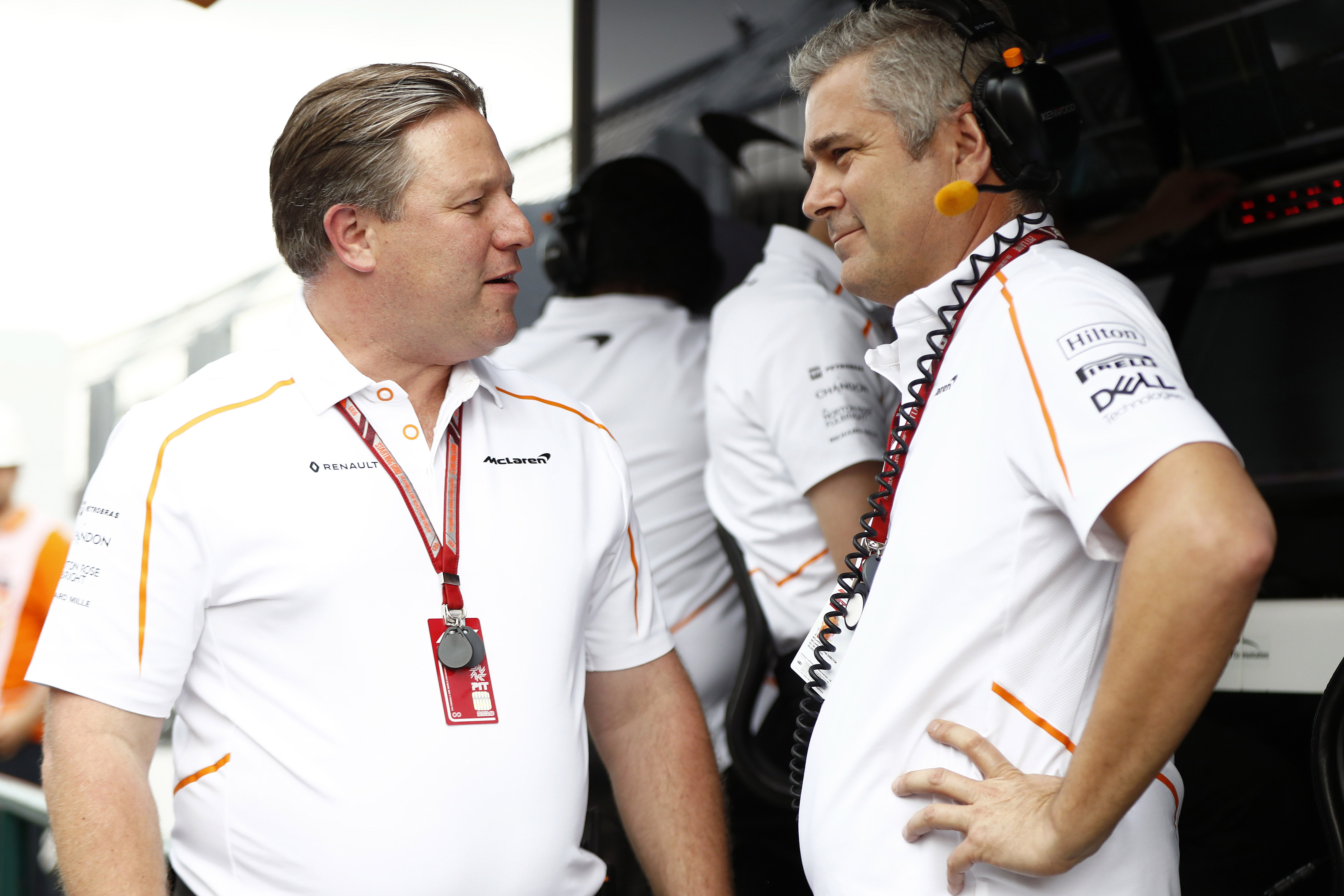
Hungaroring, Budapest, Hungary. Saturday 28 July 2018. Zak Brown, Executive Director, McLaren Technology Group, and Gil de Ferrarn, Sporting Director, McLaren. Photo: Glenn Dunbar/McLaren ref: Digital Image _X4I1271
However, is there light at the end of the tunnel? Well, when we say that Alonso’s enigmatic, that didn’t half bring pressure upon McLaren’s shoulders. There have been an awful lot of occasions since 2015 in which Alonso has savagely slated the Honda engine, making the team look disjointed and putting his team in a position where they really have no choice but to stand with him in squabbling with the engine supplier. Now of course, Alonso was not the reason for the problems, but if we have to be honest here, his complaining on team radio has never helped his team.
What happens with Vandoorne now? His future has been cast into doubt amongst the media, but this news may well just aid the Belgian in terms of keeping his seat in the orange car, and now that the superhuman Alonso will be leaving, we will get to see Vandoorne stand out as himself, rather than compared to such a great.
Who replaces Alonso? There are two main candidates: Carlos Sainz and Lando Norris. Sainz has learned this summer that he will lose his seat at Renault to the incoming Daniel Ricciardo from Red Bull – there was even speculation at some stage that Alonso was to make a sensational move to the Austrian team. Sainz, who is a good friend to compatriot Alonso, would surely much prefer to trade places with Ricciardo and move to Red Bull, but if this becomes an impossibility, McLaren would undoubtedly see Sainz as a brilliant replacement for Alonso. However, Lando Norris has been one of the most promising rising stars in all of motorsport in the last few years, and he is currently second in the Formula 2 championship for Carlin Racing; the young British driver has been nurtured as a young talent for McLaren up until now, and he will certainly see this as the perfect opportunity to move into Formula One and make a name for himself, perhaps even to surpass Fernando Alonso’s talent.
Either way, Alonso is going to leave a gaping hole in this McLaren team, which will inauspiciously add to the concerning amount of holes that already exist, and there are lot of unknowns for this brand new chapter for the McLaren Formula One Team.
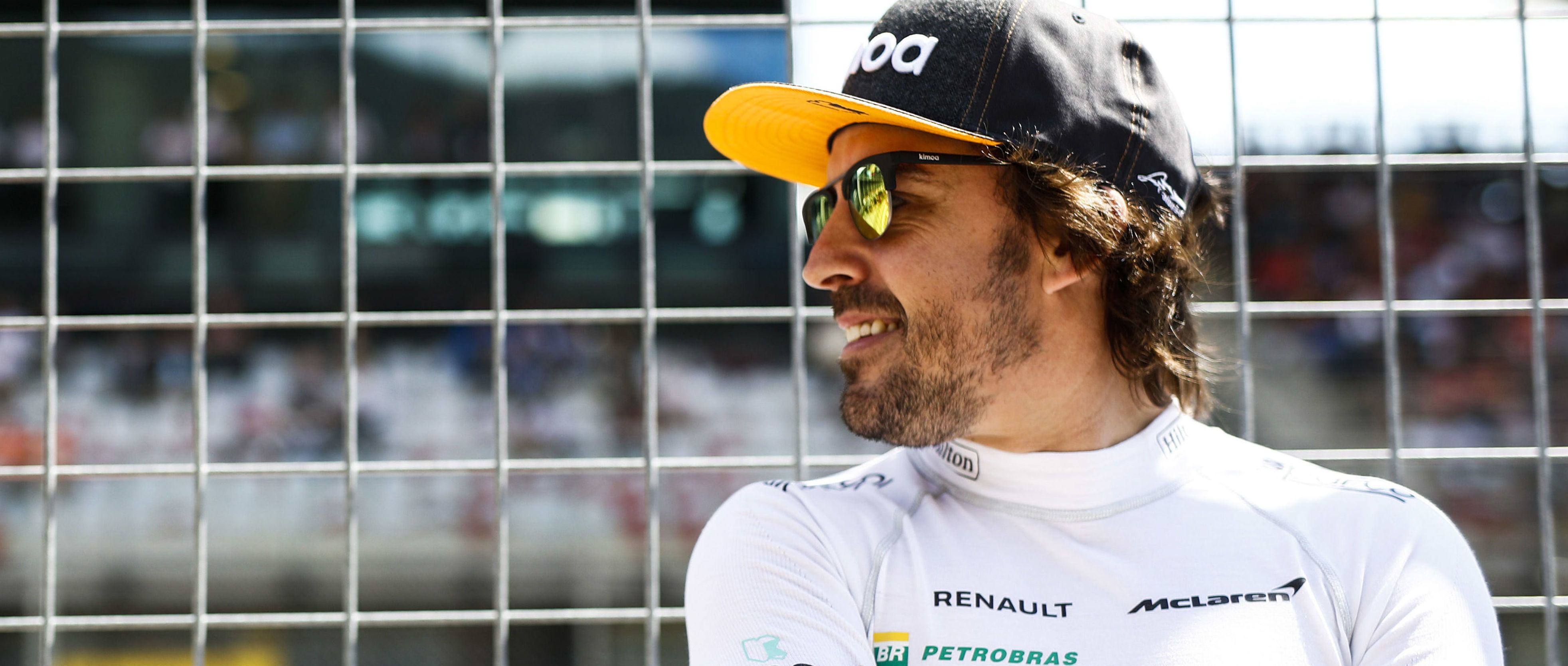
Fernando Alonso is one of the most highly regarded drivers in F1 but, after a torrid four years with McLaren, he’s finally called it quits on the sport he loved so dearly. Now, let’s get one thing straight; this is, by no means, a retirement from Alonso, the guy lives and breathes racing and will certainly continue for many years to come… just not in F1.
In truth, this announcement has been coming for a long time. Alonso has the habit of being in the wrong place at the wrong time when it comes to teams and his last venture with McLaren was certainly that. The well-documented but doomed partnership with Honda caused the first three years of misery for Alonso while this current season put the final nail in his F1 coffin when the team were unable to live up to expectations following a switch to Renault.
Moving away from McLaren but staying in F1 was never really an option for Alonso either, sure there was a bit of speculation around the Red Bull seat and a few blind hopes that he might return to Ferrari but really, the only place that would have him was McLaren. Despite mellowing in his latter years in F1, Alonso spent the best part of a career burning bridges and inadvertently making this stretch of his career much harder – the doors-off-hinges malarkey at McLaren in 2007 did nothing for his reputation while the Ferrari years left him being portrayed as ‘grumpy’ and ‘difficult to work with’.
It was not always this way for the Spaniard, he is, after all, a two-time world champion. Once upon a time he was the whiz kid, the young upstart, the driver that would be the one to beat the all-dominant Schumacher. That, he did. Alonso claimed both the 2005 and 2006 world titles before moving to McLaren for 2007 to partner F1’s new hope, Lewis Hamilton. We all know how that story went, what with the massive fall-outs and scandals resulting in Alonso sulking off back to Renault and so on.
This stint back at the Enstone team wasn’t nearly as successful and only resulted in two wins, one of which was as a result of ‘crash-gate’ but we won’t open that can of worms again now…
If you look at Alonso’s first year with McLaren in 2007 combined with his 2010 and 2012 seasons with Ferrari, he missed out on all those titles by a total of eight points. Just eight points difference would’ve made him a five-time world champion. That just shows that the record books don’t tell half the story when it comes to Alonso!
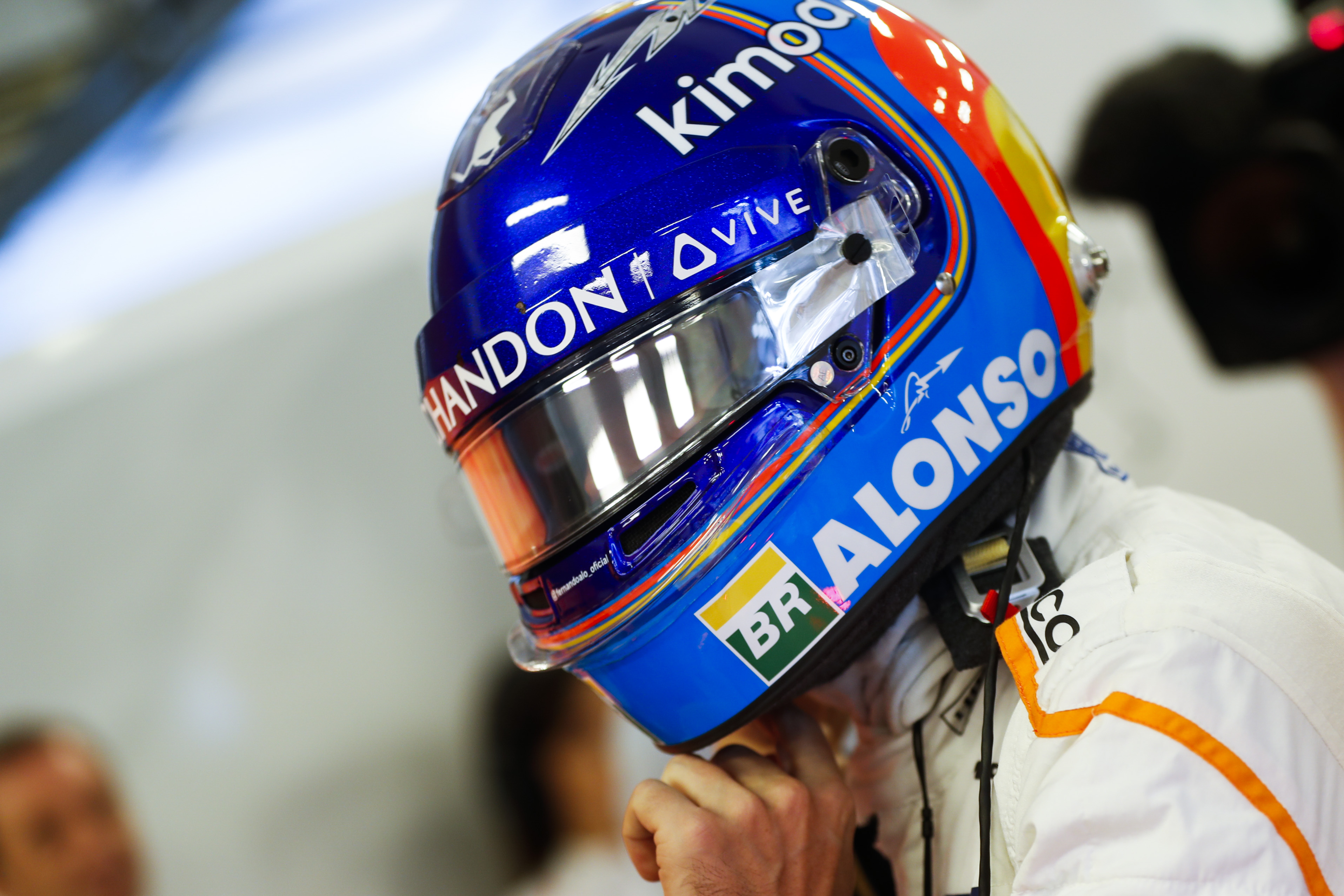
Hungaroring, Budapest, Hungary. Saturday 28 July 2018. Fernando Alonso, McLaren, puts on his helmet in the garage. Photo: Steven Tee/McLaren ref: Digital Image _2ST0511
But, with all that behind him, what’s next for a rather frustrated Alonso?
The best bet is by far and away IndyCar. 37-year old Alonso has long said that he wishes to complete the unofficial ‘Triple Crown’ of motorsport – Indy 500, Le Mans 24 Hours and Monaco GP. Of these three, Alonso has two after winning Monaco twice in 2006 and 2007 before taking the Le Mans 24 Hours victory on his first attempt with Toyota earlier this year. The only one missing for him is the Indy 500 which he attempted in 2017 to no avail.
With the new universal aero kits in IndyCar, doing the Indy 500 as a one-off, as Alonso did in 2017, and being competitive is a lot harder, meaning that if Alonso wants to stand a chance at drinking the milk, he needs to do the full season. 2016 IndyCar Series champion, Simon Pagenaud, has said that he thinks it would take Alonso three years to get up to speed and win a championship, referring to title-contender Alexander Rossi, who’s in his third season of IndyCar after a spell in F1, as a prime example.
A sticking point surrounding all this could be Honda. After numerous media attacks at the manufacturer following their time together in F1, Honda might not be so willing to accept Alonso with open arms however, the huge potential for media coverage and success may well outweigh any pre-standing grudges. The biggest problem is that Alonso’s under contract with Toyota for WEC, and you can’t imagine them being overly pleased at Alonso driving for one of their biggest rivals.
The way around this problem would be Alonso driving for a Chevrolet-powered team, such as Penske, and it would be a viable solution for the Spaniard because they’re just as competitive and just about every team manager on the grid will be phoning him up, so he’s got the pick of the lot!
Another option for Alonso would be to take a step back and just do the remainder of the Super-Season with Toyota in WEC however, given that’s only three races in 2019, that’s probably not the most appealing option for Alonso – who would be racing every weekend if he could.
It won’t take long for Alonso to tell the world what he plans to do next season given he’s almost certainly already made that decision, at least in himself. He’s got the entire IndyCar silly season on pause and has left some large, if expected, shockwaves in F1 but the world will keep turning without him there and soon, his void will be filled by another.
Wherever he ends up going, Alonso will be met with a huge amount of support and will provide a huge boost to the given series but, most of all, he will be hungry of victory, for wins, for championships…
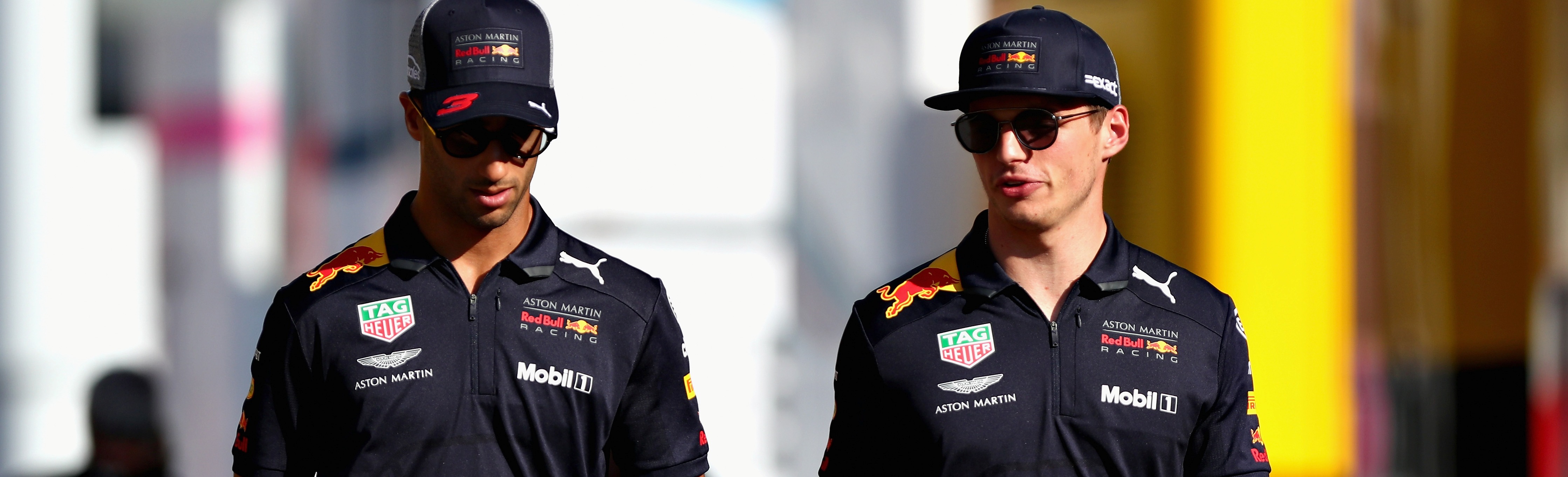
Silly season has officially started. The driver market got a major shock on Friday the 3rd of August when Red Bull surprisingly announced that Daniel Ricciardo is set to leave the Austrian team after the 2018 season.
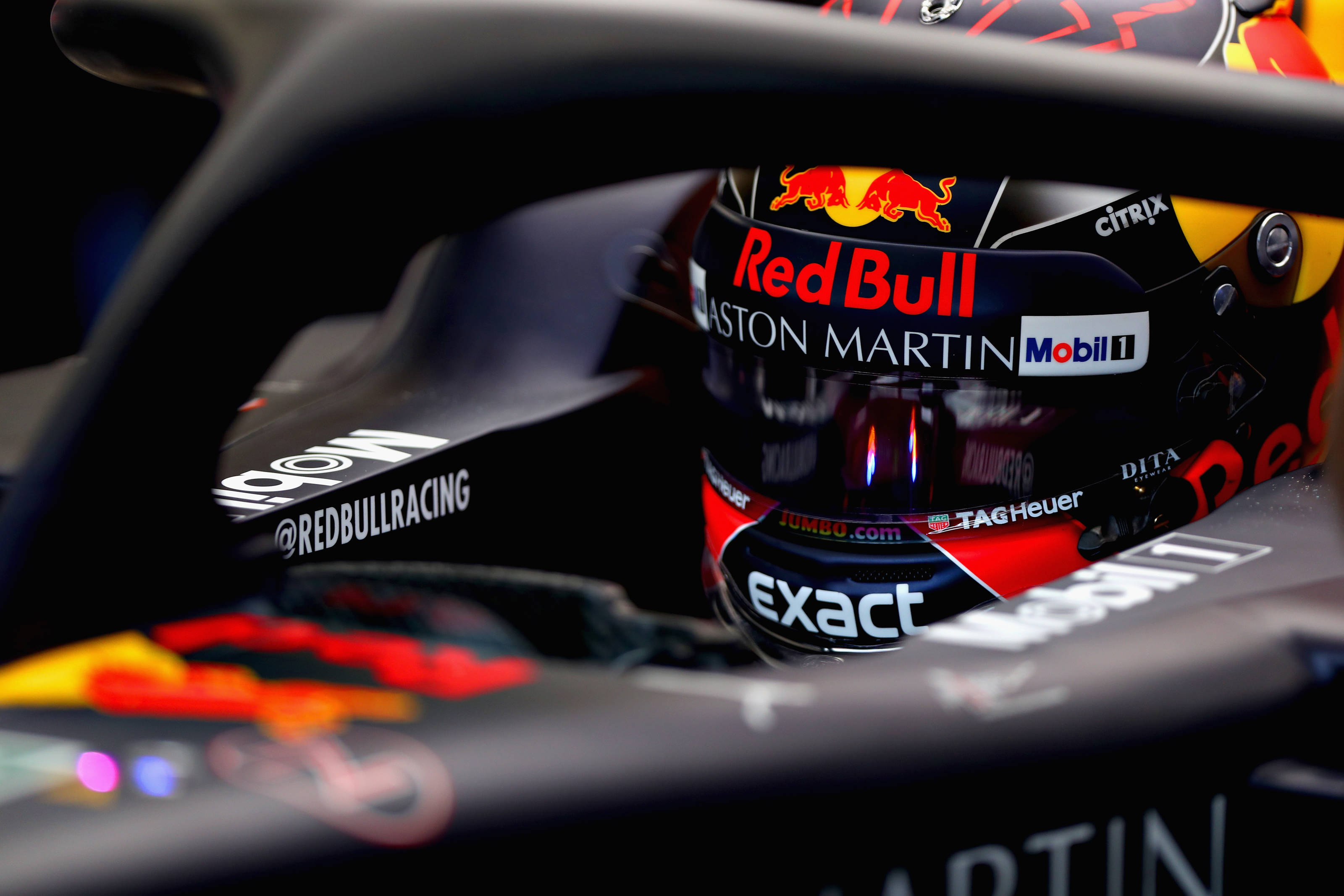
Team Principal Christian Horner commented on this news saying: “We fully respect Daniel’s decision to leave Aston Martin Red Bull Racing and we wish him all the best in his future. We would like to thank him for his dedication and the role he has played since joining the Team in 2014, the highlights, of course being the seven wins and the 29 podiums he has achieved so far with us.”
With the Australian set to leave the team, there’s now a very much sought-after seat to take. Red Bull Racing know that and are now looking for an alternative.
“We will now continue to evaluate the numerous options available to us before deciding on which driver partners Max Verstappen for the 2019 season. In the meantime, there are still nine races left in 2018 and we are fully focused on maximising every opportunity for Max and Daniel for the remainder of the season” Horner added.
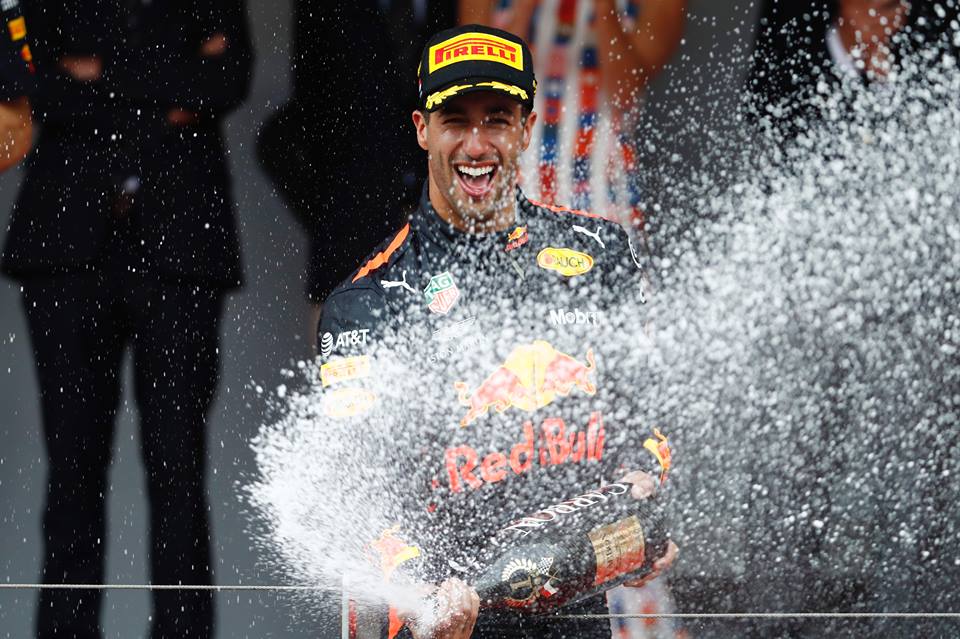
Daniel Ricciardo has been part of the Red Bull Junior Team since 2008 and made his F1 debut at the 2011 British Grand Prix. After only two seasons at Toro Rosso he joined Red Bull Racing. He achieved seven victories, two pole-positions, twenty-nine podium finishes and brought the team 904 points. His last victory was at the prestigious Monaco Grand Prix this year, an absolute highlight for the ‘Honey Badger’ at Red Bull.
In another shocking announcement that same day- just an hour after the Red Bull announcement- Renault confirmed that Daniel Ricciardo has signed for 2019 at the French team. Completing their line-up for 2019 is Nico Hülkenberg. This means that Carlos Sainz will leave Renault at the same time, now looking for another team.
Ricciardo said in an official announcement from Renault: “It was probably one of the most difficult decisions to take in my career so far. But I thought that it was time for me to take on a fresh and new challenge. I realise that there is a lot ahead in order to allow Renault to reach their target of competing at the highest level but I have been impressed by their progression in only two years, and I know that each time Renault has been in the sport they eventually won. I hope to be able to help them in this journey and contribute on and off track.”
With these announcements we are left with a very mixed-up driver market. There’s now one space available at Red Bull next to Verstappen. Most likely to go there are either Carlos Sainz or Pierre Gasly. Pierre Gasly has impressed the Milton-Keynes team at their sister team Toro Rosso, whilst Carlos Sainz is still awaiting a renewal of his Red Bull Junior Team contract.
A lot of predictions for 2019 will probably have gone wrong after this announcement. Ocon won’t go to Renault as they already signed Ricciardo and Hülkenberg. Ricciardo isn’t staying at Red Bull as many -even himself- had predicted.
Now it’s waiting for the next announcements as the 2019 grid finally shapes up a bit.
Safety cars and virtual safety cars form an important part of modern Formula One, and they are something we see very often over the course of the season.
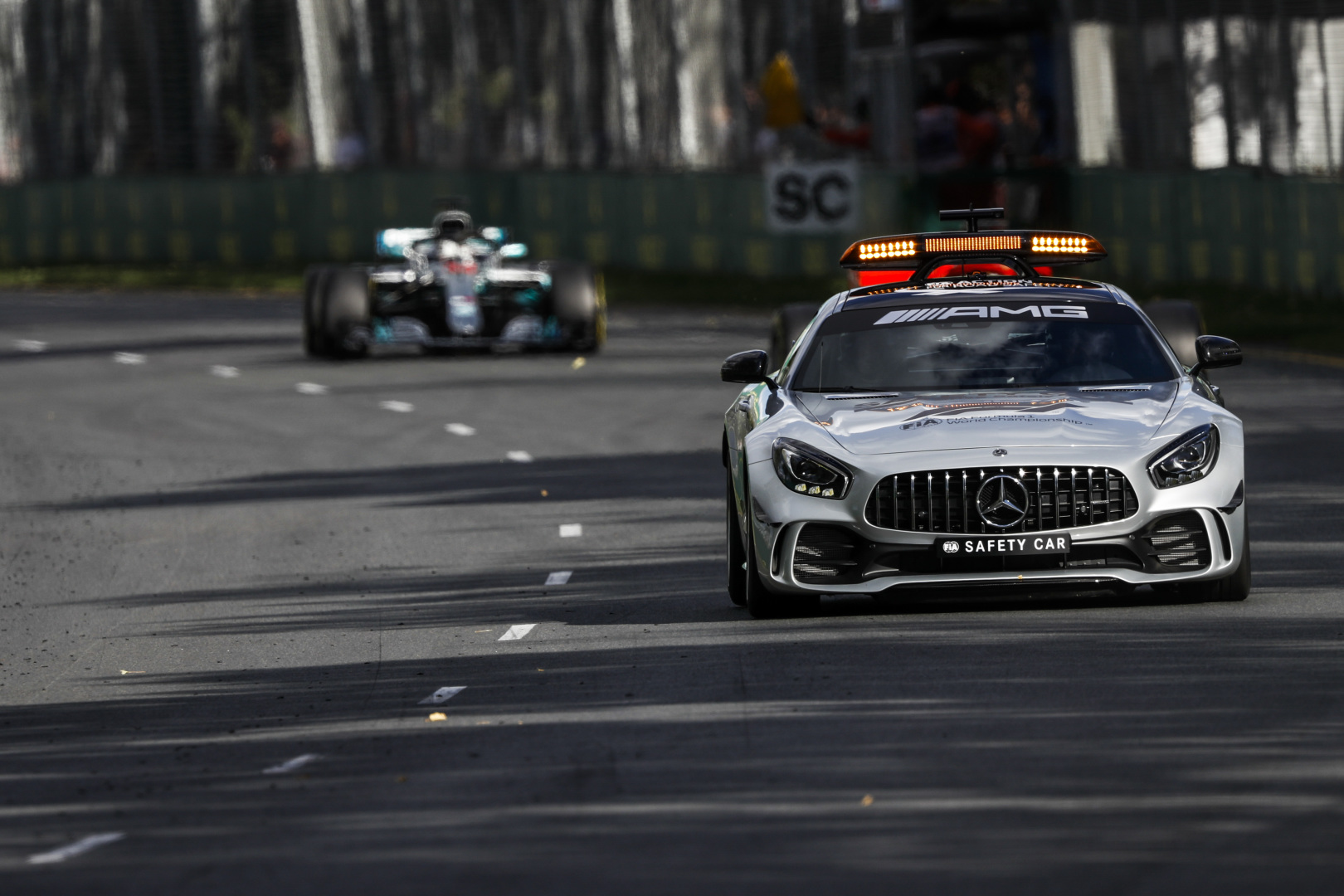
Known in the United States as the pace car, the safety car gives the drivers the opportunity to make a free pit stop while everyone else is going slowly, and it can completely change the outcome of a race.
However, the safety car is not there for show. It is there, in essence, to save lives. When there is an incident on track, the safety car can be deployed to lead the drivers around the track at a reasonable and controllable speed, guide everyone through the site of the accident and ensure that no harm can come to any of the drivers, marshals, or spectators. This can be while there is a stricken car on or just off the circuit, or while there are marshals working on removing it.
If the track is extremely wet and slippery after rain, the safety car can even be used to begin a race if performing a normal start would be too dangerous. Likewise, if the safety car then leads the drivers away and it is found to be too wet, the race can be stopped ready for the safety car to lead them away again if and when the conditions improve.
The virtual safety car was created after Jules Bianchi’s horror crash at Suzuka in 2014, which would eventually claim the talented Frenchman’s life nine months later. When a Safety Car is considered excessive after an incident, a virtual safety car can instead be deployed to ensure that all the drivers stick to a minimum delta.
It is also used for when localised yellow flags are not enough. Drivers are expected to slow down under yellow flags, but they are given no delta time to stick to. As a result, the drivers can end up going too quickly into the yellow flag zone as they try and lose as little time as possible. This could then result in them losing control and hitting either the stricken car, or those trying to recover it. If we look back at most races, how many times did we see drivers slowing down significantly for local yellows? The VSC means that they are obliged to go slowly, thus extremely decreasing the chances of being involved in potentially life-threatening accident.
Though they are a common sight in F1, safety cars and virtual safety cars should be viewed as a very special aspect not just of F1 but of racing in general. Without them, we would be seeing many more incidents of drivers running into other drivers’ stricken cars, or worse, making these safety measures extremely vital in our sport.
Featured image by Wolfgang Wilhelm, courtesy of Mercedes AMG
There are several car features in modern day Formula One which have significantly improved protection for the drivers over the years, and these features have been developed over the years through thorough research and testing. Here are some key features to protect F1 drivers during a crash:
Dan Istitene, Getty Images / Red Bull Content Pool
Monocoques:
The first Monocoque was introduced to Formula One in 1962, and it was made entirely of aluminium. This went a little way towards protecting the driver, but the cars were still dangerous, because the material simply isn’t the most efficient way to protect a racing driver during a crash.
In 1982 the first ever carbon monocoque was produced, and over the years carbon composites have been developed thanks to devoted research from experts.
During a crash, the monocoque, which is tight to the driver in the cockpit, will absorb a lot of pressure from the impact, reducing the stress put on the driver’s body during a heavy impact.
Monocoques for F1 cars actually used to be made by plane manufacturers, but these days all F1 teams are expected to make their own monocoque.
Ferrari Media
Front nose:
A head-on crash is one of the most dangerous in F1, because it means a lot of exposure to the driver’s body on impact with a wall or another car.
The front wing is designed to shatter on impact. This is scientifically proven to cause a constant reduction in speed after the crash, which helps to limit shocks to the driver from a heavy impact—instead the crash feels more cushioned, with the majority of the pressure from the impact being absorbed by the car.
Steve Etherington / Mercedes AMG
HANS device:
The HANS (Head and Neck Support) device is used for the driver’s neck and shoulders. It limits their movement within the car so that they are less exposed and more protected, not just during crashes, but also during high levels of G-Force.
The HANS device goes over the shoulders and round the neck, clipping onto the driver’s crash helmet.
Steven Tee / McLaren
Head rest:
The head rest is the object you see drivers taking off from around their heads when they get out of an open-wheel race car.
The head rest does a similar job to the HANS device, except it is designed to provide more protection to the head. It limits movement of the head during high levels of G-Force or a crash, and ensure that not too much strain is put upon the head and neck. If the head is not able to move as much, then the neck will also be more still, reducing the risk of a serious neck injury. Head rests are also used to absorb the pressure during a crash.
In the past, we have seen head-rests come loose: for example in Baku 2017 when Lewis Hamilton lost the lead because it was not put on properly by the team. It also came off during Kevin Magnussen’s Eau Rouge crash in 2016, which could have been very serious because Magnussen’s head will have had mass exposure and his neck will have suffered a lot of strain because of the unabsorbed impact.
Alfa Romeo Sauber F1 Team
The Halo:
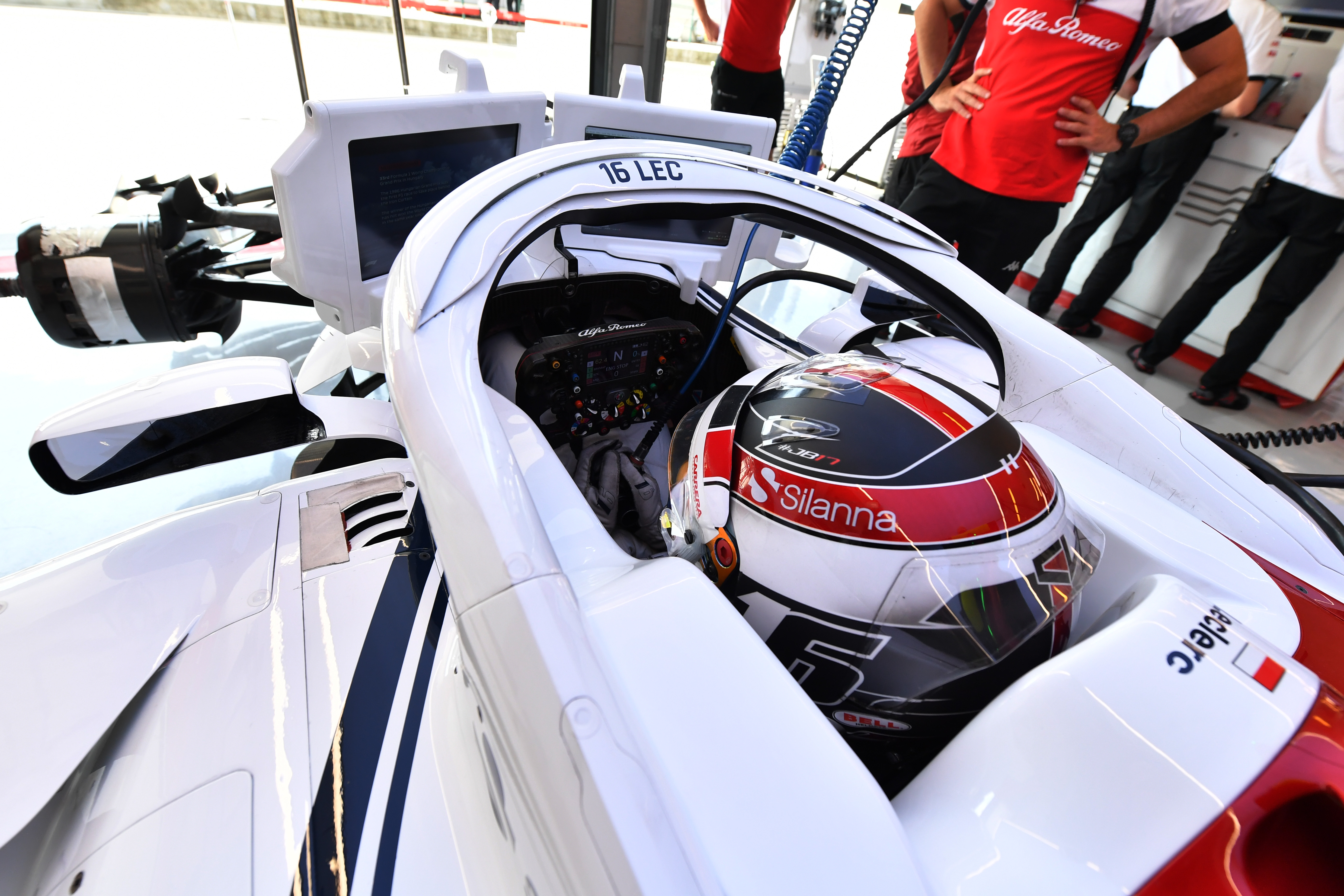
The Halo is a new feature for 2018, and it is being steadily introduced across all FIA-sanctioned series’.
The Halo is designed to prevent debris from hitting the driver in the head. The late Jules Bianchi’s crash was cited, and if a car comes into contact with a recovery vehicle, the Halo is thought to be able to prevent the head hitting the vehicle.
Pirelli Media
Wheel tethers:
F1 now has much stronger wheel tethers than it did before, which greatly reduces the risk of wheels flying off during a crash.
In 2009, Henry Surtees tragically passed away when he was hit in the head by a flying wheel following a crash during a race. The wheel tethers now are designed to hold on to the wheel even during extreme impacts, so that there is much less chance of a wheel hitting someone’s head following a crash.
Pirelli Media
Barriers:
The cars are not the only things designed to keep drivers safe during crashes. Tecpro barriers were introduced to F1 several years back to help absorb the impact when a car hits it, rather than spitting the car back out again like metal barriers do.
Tecpro barriers provide more of a cushion for the car and the driver, so as to provide extra protection during a crash.
Pirelli Media
Crash tests:
Every year when a team releases their new car, the FIA runs extremely thorough crash tests to make sure the car can survive high speed crashes, and that they will provide the correct protection for the driver in the event of a crash.
The team will not be allowed to run their car on track until they have met all the criteria in the crash test.
The Hungarian Grand Prix was the twelfth round of the 2018 Formula One season, meaning we are now over halfway through the year. All the teams will enjoy a well-deserved break for four weeks, which gives them the time to relax and maybe come up with some new ideas to improve the car and gives us the time to look back at this season before looking ahead to the Belgian Grand Prix.
After the Hungarian Grand Prix, Lewis Hamilton leads the drivers’ championship with 213 points, in front of rival Sebastian Vettel who has 189 points. Behind him are Räikkönen (146 points), Bottas (132 points), Ricciardo (118 points), and Verstappen (105 points), with Hülkenberg (52 points), Magnussen (45 points), Alonso (44 points) and Perez (30 points) closing the top ten in the drivers’ championship.
However, these numbers don’t tell the whole story. How did it come to these standings? How did each team perform this year so far? How did the drivers perform? Let’s take a look at that, team by team.
Mercedes
Currently leading both the drivers’ championship with Lewis Hamilton and the constructors’ championship, it would seem that Mercedes are on another dominant run. However, that is far from the truth. Mercedes are having a very tough season currently. Their season started mediocre in Australia as Hamilton ended in a solid second place (the VSC cost him a shot at victory), but Bottas only ended up in eight place after an awful qualifying.
In Bahrain things got a little better for the Brackley-based team, with Hamilton bringing home eighteen points with his P2 finish, whilst Bottas brought home fifteen points with his third place finish. The following races they scored some good points too, although a late drama in Azerbaijan cost Bottas a victory as he ran over debris and incurred a puncture.
Mercedes have so far achieved two 1-2 finishes, one at the Spanish Grand Prix and one at the German Grand Prix, with the latter meaning a lot more to the German team, especially because Hamilton started from fourteenth place and came through to win the rain-affected race.
A definite all time low this season for Mercedes came at the Austrian Grand Prix, where both cars failed to cross the finish line due to mechanical problems (just after they got an upgraded engine).
The team can go into the summer break buoyed by a victory in the Hungarian Grand Prix, courtesy of Lewis Hamilton. Bottas had a disappointing race in Hungary, though, as he made contact with Vettel and Ricciardo in the last ten laps of the race, costing him his front wing and resulting in a ten-second time penalty after the race.
Mercedes are still the team to beat, and it is most likely that if they continue like this Lewis Hamilton will become a five-time World Champion. Bottas looks out of the running for the championship battle, because of his bad luck early on this season.
2018 Großer Preis von Ungarn, Sonntag – Wolfgang Wilhelm
Ferrari
Someone else who is hoping to become a five-time world champion is Sebastian Vettel. In the first couple of races of the year it was the German who got away with a full complement of points. A very chaotic Chinese Grand Prix, however, ruined his winning-streak as he got hit by Verstappen. Vettel was spun and picked up some damage so he could only finish in eighth.
His teammate Kimi Räikkönen scored some solid points too with a third position in Australia and China, although he retired from the Bahrain Grand Prix.
Räikkönen will probably have to help his teammate in this fight – he got ordered at Hockenheim to let Vettel past. It was at that race where the biggest disaster this year so far took place for Ferrari, as Vettel crashed out of the lead of his home race in the rain. This very rare mistake from Vettel kept him from taking his first every victory at Hockenheim and, with the track’s uncertain future you wonder if it will even be possible for him to make up for it in the future. This meant he lost some important points, and with his rival Hamilton taking victory it meant Vettel lost the championship lead.
In the Hungarian GP Vettel crossed the line in second place, losing another seven points to his rival Hamilton, who took victory.
With the passing of Ferrari president Sergio Marchionne at the age of 66 just before the Hungarian Grand Prix the Italian team might lose some stability. Marchionne led Ferrari to become the team it is now and they are the closest they’ve ever been to a constructors championship since 2007. Let’s hope Ferrari can continue to fight Mercedes for the constructors championship and bring it home for Marchionne.
Red Bull
The Austrian team were the third-best team last year, and this year it is no different. They are not fast enough to regularly beat the Mercedes or Ferrari, but are much faster than Renault, Haas and McLaren in the mid-field.
Where Mercedes and Ferrari have a pretty stable point scoring record so far, Red Bull have had more problems. They have walked away from a race weekend with no points on two occasions this year. At the Bahrain Grand Prix mechanical issues ended the race of both Max Verstappen and Daniel Ricciardo, and the Azerbaijan Grand Prix ended up as a major disaster for the team as their drivers crashed into each other, costing the team valuable points.
However, there were still some very good moments for the Austrian team this season. In China Ricciardo took victory because of a brilliant strategy in what was a chaotic race, whilst Verstappen took victory at the team’s home Grand Prix at the Red Bull Ring, although they were helped by the DNFs of both Mercedes drivers. Ricciardo also dominated at the Monaco Grand Prix, even though he suffered some problems with the car during the race.
The team announced earlier this season that they will switch to Honda engines for 2019, and they hope this will make it possible for them to not just fight for the third position in the teams standings, but also for the first place.
For now though, they still have ten races to go with Renault engines. With circuits coming up like Mexico and Singapore there should be enough possibilities for them to get at least another victory.
Renault
Best of the rest at the moment are Renault. The French team are currently embroiled in a tight battle for the fourth position in the constructors championship, with Force India, Haas and McLaren.
There has only been one race so far where they haven’t scored any points, which is a very impressive result for the French team.
Two fifth places are the highlights of the year so far, by Hulkenberg at his home Grand Prix at Hockenheim, and by Sainz at the Azerbaijan Grand Prix. The difference between the two teammates in the drivers’ championship, however, is big, with Hulkenberg on almost twice as many points as Sainz.
The fight for the constructors championship is still very much on, and Renault have to find improvements from Spa-Francorchamps onwards as their rivals are still on their tail.
Renault Sport F1 Team
Force India
After a terrible qualifying at the Hungarian Grand Prix the gap to their main rivals at Renault only increased for Force India. The team really struggle to even get in the top ten regularly, and there have been three races so far where Esteban Ocon and Sergio Perez have not scored any points between them.
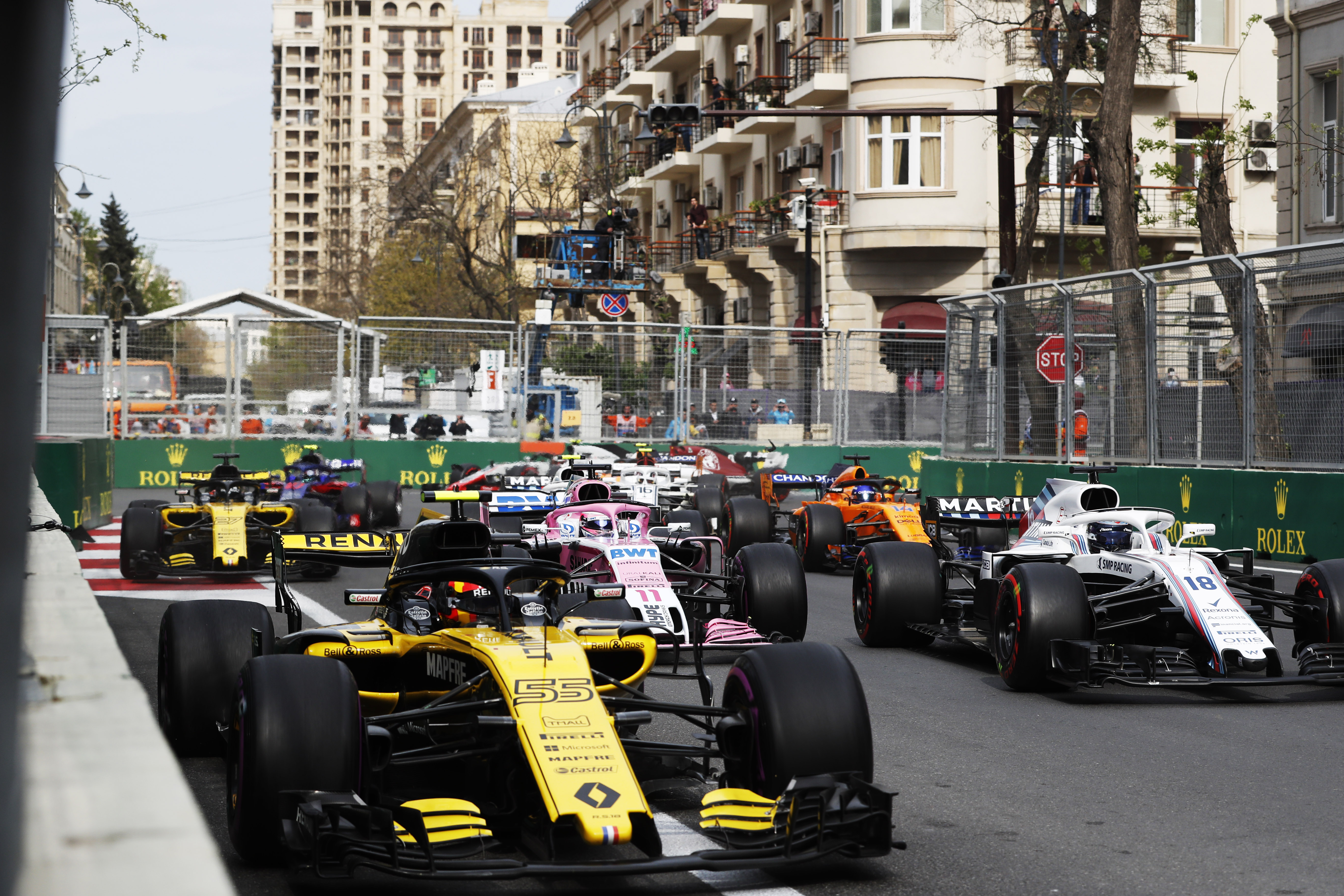
Their biggest points haul came from the Azerbaijan Grand Prix, where the team scored fifteen points in total, thanks to a spectacular third place for Perez.
Placed into administration over the Hungarian Grand Prix weekend, the team’s future is uncertain. Sergio Perez, his manager, BWT, and Mercedes want the money back Force India owes them, with Perez saying he brought action against his team to “save [them] and protect the 400 people who work there”. Now it is even a question whether they’ll start the Belgian Grand Prix or not. Let’s hope they can get out of trouble,as it would be a huge shame to lose such an amazing team.
Haas
Haas began the Hungarian Grand Prix equal on points with Force India. The so-called “second Ferrari” team started the season very promising at the Australian Grand Prix after an impressive qualifying. The race, however, ended in a horrible nightmare as two identical mistakes at the pit-stops of both Romain Grosjean and Kevin Magnussen meant they had to retire.
At the Austrian Grand Prix they once again put in an impressive qualifying and followed that up with an even more impressive race in which they scored twenty-two points thanks to a fourth place for Grosjean and fifth place for Magnussen.
After a pretty good Hungarian Grand Prix the team jumped to fifth in the constructors championship, leaving Force India behind.
The team seem to have found pace this year. Of course not all races ended well, but for a relatively new team they are surely proving what they are capable of. Can they keep up their good performances for the upcoming nine races?
McLaren
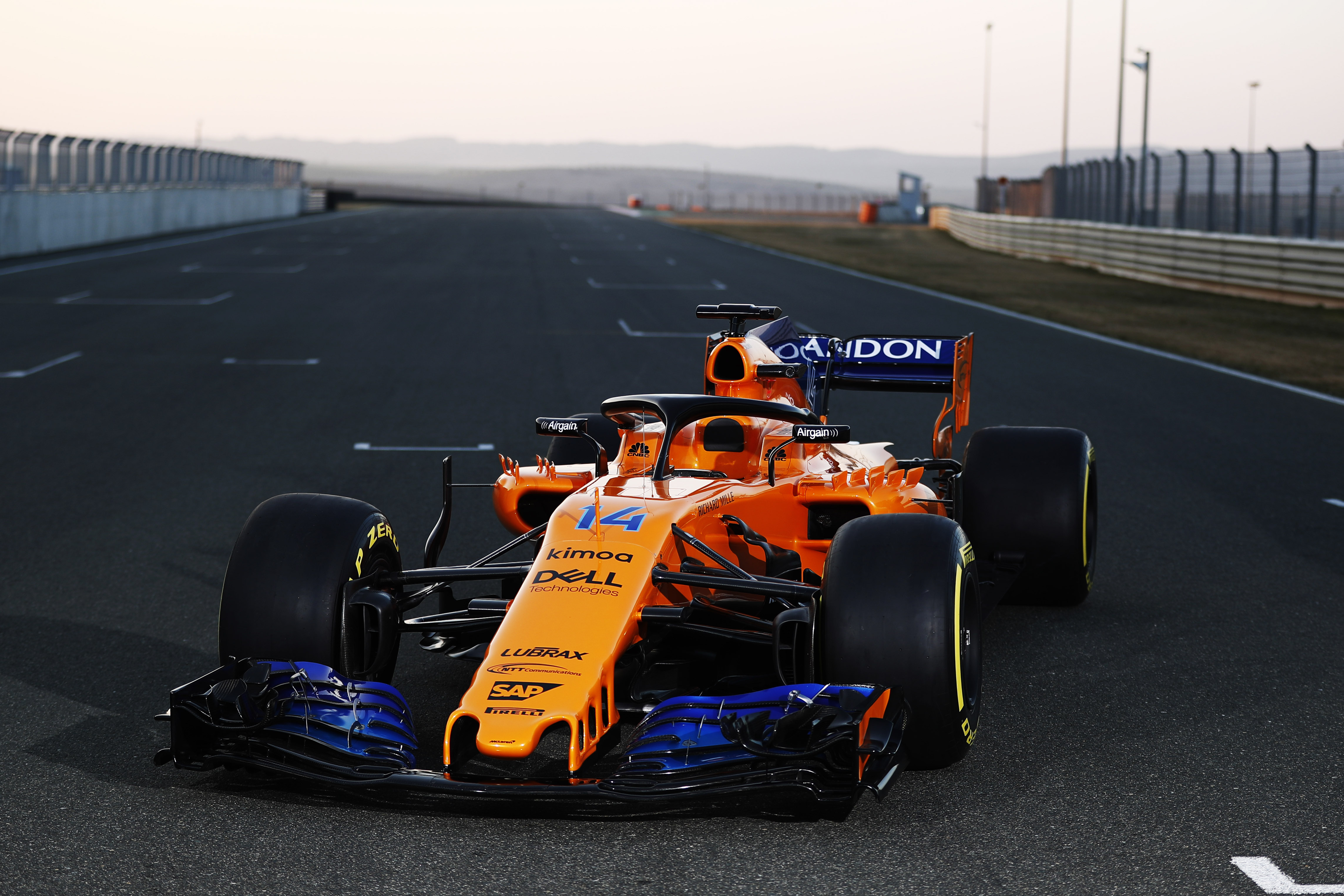
After years of disappointment due to problems with the Honda engine, this year could finally have meant the Woking team could fight for the podiums.
Now driving with a Renault engine, they were immediately aiming to fight the Red Bulls. At the Australian this looked very much possible, with Alonso finishing in P5 and saying “now we can fight!’”. Vandoorne ended that race in ninth, a nice result for McLaren then, scoring almost more points in one race than in the whole of last year. The dreams of fighting the Red Bulls continued when they finished the Bahrain Grand Prix in seventh and eighth.
Unfortunately, these dreams were shattered from Monaco onwards, where the pace had seemingly vanished and the points almost became out of reach. At the Monaco, Canadian and French Grand Prix the team scored no points, mostly because of retirements (Alonso had DNFs in all these races).
The highest position they achieved after these problems was P8 in Austria, Great Britain and Hungary, all thanks to Alonso. Team-mate Vandoorne was lacking pace, even losing almost a full second to Alonso at the qualifying for the British Grand Prix, and he had to retire from the Hungarian Grand Prix from what would have been a ninth-place finish.
The Renault engines have not brought the real change the team were hoping for. It even looks like the team are struggling more than ever, as qualifying pace is way off and results in the races are disappointing for such a great team. Maybe the summer break will bring the change they desperately need.
Steven Tee/McLaren
Toro Rosso
Currently standing eighth in the constructors standings with just twenty-eight points, the team will not be happy.
Brendon Hartley in particular has just had no luck. This became especially clear when he crashed heavily during free practice at the British Grand Prix due to a suspension failure. Two days later, he had to retire from the race after just one lap as the team found a problem with the car.
Seven races out of the twelve so far have yielded no points. When they have gotten into points though, the results have been very impressive. Gasly got P4 at the Bahrain Grand Prix and P6 at the Hungarian Grand Prix.
Hartley has just two points to his name, whilst Gasly brought home twenty-six points. The Kiwi’s future is uncertain because of his disappointing results, but a lot has been due to problems out of his control.
Alfa Romeo Sauber
One driver showing his potential this season is Charles Leclerc. The Ferrari Driver Academy driver from Monaco just keeps on impressing everyone. With a car that shouldn’t regularly finish in the points, he got himself two consecutive points finishes in Baku and Spain. His sixth place in Baku definitely was a highlight for the team, bringing home eight very important points for the team. He even held up Alonso in Spain in a tense battle in a race where he finished in tenth place.
His teammate Ericsson has improved himself. Seemingly motivated by the speeds Charles has shown, he now too scores points from time to time. With five points for the Swedish and thirteen points for Leclerc, the team are now ninth in the constructors championship.
The last few races Sauber were able to out-qualify McLaren, and even in the races they have showed they have the pace to fight for position. Hopefully they are able to continue this fantastic performance.
Williams
It has been an absolute nightmare for Williams so far. Eleven of the twelve races resulted in zero points for the team, leaving them last in the championship. The only points they have managed so far were the four points Lance Stroll achieved because of his eighth position at the Azerbaijan Grand Prix.
Even Robert Kubica, test driver for the team, said it is “embarrassing” to drive the car. Newcomer Sergey Sirotkin, while showing a few flashes of pace, doesn’t seem to be able to build up any momentum.
Williams has lots of work to do if it wants to score some points after the summer break. If they don’t, they will be hoping for another chaotic race like Azerbaijan, otherwise the points will be scarce.