After a weekend off, the IndyCar paddock is back on American soil for the Honda Indy 200 at Mid-Ohio. This round marks five-to-go for the 2018 season while the championship lead is at its biggest for quite some time with Scott Dixon boasting a 62-point lead over Josef Newgarden. Even that margin is far from safe, especially in IndyCar, and a late charge from Newgarden, or any other of the top five, cannot be ruled out.
Dixon was the victor last time out on the Streets of Toronto, extending his already large championship lead after Newgarden, and pretty much all of his championship rivals, faltered in dramatic fashion. Consistency is key when it comes to winning championships and Dixon is the only driver who’s shown that so far this season, all the rest have been very up and down, going from winning to having a disaster of a weekend.
Anyway, back to Toronto and it was fairly even between the two manufactures of Honda and Chevrolet with a Honda win but an equal distribution of the cars throughout the field – something we’ve become accustomed to seeing in the universal aero kit era.
Dixon may have had it all his own way at Toronto however, it was a Newgarden show at Mid-Ohio last year with the Penske driver dominating the race after starting second. Will Power completed the Penske 1-2 with only Graham Rahal standing in the way of it being a Penske 1-2-3 – a level of dominance that is now a distant memory. The 2.258-mile road course has often been classed as a Chevrolet track, but the form book has already been chucked out the window for this season, given how much has changed regulation-wise.
What the track does bring is a very narrow racing line which can make it harder to overtake than usual however, the overtakes that do happen are sensational to watch. It’s also a track that can punish any minor mistakes harshly, despite the walls being quite some distance from the track, and the tricky pit entry nearly always causes problems.
The next two races may be ovals but, for now, we’re sticking to the road courses which means the usual grouped qualifying format, eventually culminating into the Firestone Fast Six.
There are a number of notable driver changes this weekend, some expected but some not so. Pietro Fittipaldi makes his much-anticipated return to IndyCar after his leg-breaking crash at the WEC 6 Hours of Spa outing. He will take the wheel of the #19 Dale Coyne for only the second time after a combination of Zachary Claman De Melo and Santino Ferrucci filling in for where Fittipaldi was supposed to race.
Both Jordan King and Rene Binder are staying in the respective cars while Jack Harvey is back in the #60 Schmidt Peterson/Shank Racing machine for the first time since the Indy 500. Also staying put is Conor Daly who, after delivering Harding’s best result in his first race with the team, has been kept on for another race at the expense of Gabby Chaves while the team asses their options for next season.
Josef Newgarden, driver of the #2 PPG Automotive Finishes Team Penske IndyCar Chevrolet V6, celebrates his victory Sunday July 30, 2017, after winning the Verizon IndyCar Series Honda Indy 200 race at Mid-Ohio Sports Car Course in Lexington, Ohio. (Photo by Scott R. LePage/LAT for Chevy Racing)
Heading into this weekend, there are some drivers who you’d expect to be strong and others who desperately need a good weekend to stay in realistic championship contention. As a five-time winner at Mid-Ohio, you’d expect Dixon to be up there, along with last year’s winner Newgarden. The other three title contenders – Alexander Rossi, Ryan Hunter-Reay and Power – need good weekends to prevent the remainder of the season becoming a Dixon/Newgarden dogfight.
Each weekend is becoming more and more pivotal in the championship, so you really don’t want to miss the action! Practice is being streamed as usual but qualifying is not this weekend while the race is being shown on BT Sport/ESPN. The whole Mazda Road to Indy programme is also in tow for Mid-Ohio and, with those three series approaching season’s end, they are certainly ones to watch on IndyCar’s streaming channels. If you want to catch the action this weekend, the timings, in BST, are as follows…
Friday
Practice 1 – 4:00pm
Practice 2 – 7:35pm
Saturday
Practice 3 – 3:00pm
Qualifying – 6:30pm
Sunday
Race – 8:00pm
Featured image courtesy of Scott R. LePage/LAT for Chevy Racing
Twenty-five kilometres away from the Hungarian capital Budapest sits the town of Mogyoród, The Hungaroring lies in an atmosphere of extremely warm and humid conditions, and this is not just the track itself that will be getting heated this weekend in Formula One.
One week on from Germany, Ferrari’s Sebastian Vettel will desperately be looking for redemption, following his crash from the lead of his home race in slippery conditions. Lewis Hamilton brilliantly claimed victory from fourteenth on the grid, and he now brings a seventeen-point lead into this weekend’s race.
The Hungaroring’s hilly, tight, and twisty nature makes overtaking very difficult, and the drivers’ concentration has to constantly be at 100% despite the track’s physically demanding conditions. With seventy laps of the fourteen-corner track scheduled for Sunday, the race is extremely difficult for the drivers, with little time to relax.
The Hungaroring held the first ever Grand Prix back in 1986. The race was won that year by Nelson Piquet, the first of two victories the Brazilian would claim at Magyar Nagydíj.
Lewis Hamilton is the most successful driver of all time in Hungary, with five victories to his name. His win in 2016 moved him ahead of Michael Schumacher, the previous record holder. Hamilton’s title rival Sebastian Vettel has won twice, in 2015 and 2016.
Like in Germany, there is a chance of rain for the race on Sunday, which will provide a chance for another entertaining race and a real chance of redemption for Vettel.
The favourites, particularly if it rains, are Red Bull. The Austrian team, with its incredible amount of downforce, are expected to perform well round this downforce-dominated circuit – the comparative aerodynamic deficiencies of Mercedes and Ferrari make this a brilliant opportunity for Red Bull to snatch victory.
Furthermore, Daniel Ricciardo is not expected to take a grid penalty despite his new engine failing him in Germany according to the team, which gives them the opportunity for a potential one-two.
However, this weekend will mainly be about who will be leading the championship going into the summer break between the two title rivals. This track should suit Ferrari better than Mercedes, the championship pendulum may well swing once more.
After winning race one of the Big Brands Bash, Josh Brookes was hoping to double up in the second race, and he had the perfect platform from which to do so as he set the fastest lap in the first race, giving him pole position for race two.
He made the most of it too, as he launched the 20th-anniversary-coloured R1 at Paddock Hill Bend far better than anyone else – the holeshot easily his, from Glenn Irwin. The Buildbase Suzuki of Richard Cooper also made a stunning start, steaming around the outside to take second place, although Glenn Irwin reclaimed that when the pack arrived in Druids for the first time.
From the beginning, Brookes tried to stretch the pack, with gaps appearing between the front three, including the Aussie himself as well as Irwin and Leon Haslam. However, by the middle of lap two, the field had bunched, and the front group went back to Christian Iddon in seventh place – once again the Tyco BMW enjoying the early stages of the race.
As they moved onto lap three, Luke Mossey was closing the leading group down and bringing Tarran Mackenzie with him – the second McAMS Yamaha rider had made an average-at-best start but had made a decent initial recovery in the early laps.
The group then started to split again, with the front three of Brookes, Irwin and Haslam breaking away a little bit from Cooper – who crashed at Paddock Hill trying to keep the pace. The crash of Cooper left a reasonably void between Haslam in third and Jake Dixon who had inherited Cooper’s fourth place. Back from Dixon was another rift before Christian Iddon became visible; the Tyco BMW trying to hold off Danny Buchan and Taz Mackenzie.
But it soon became clear that Dixon wouldn’t be able to catch the leading trio, and soon enough third placed Haslam dropped away from Irwin and Brookes ahead.
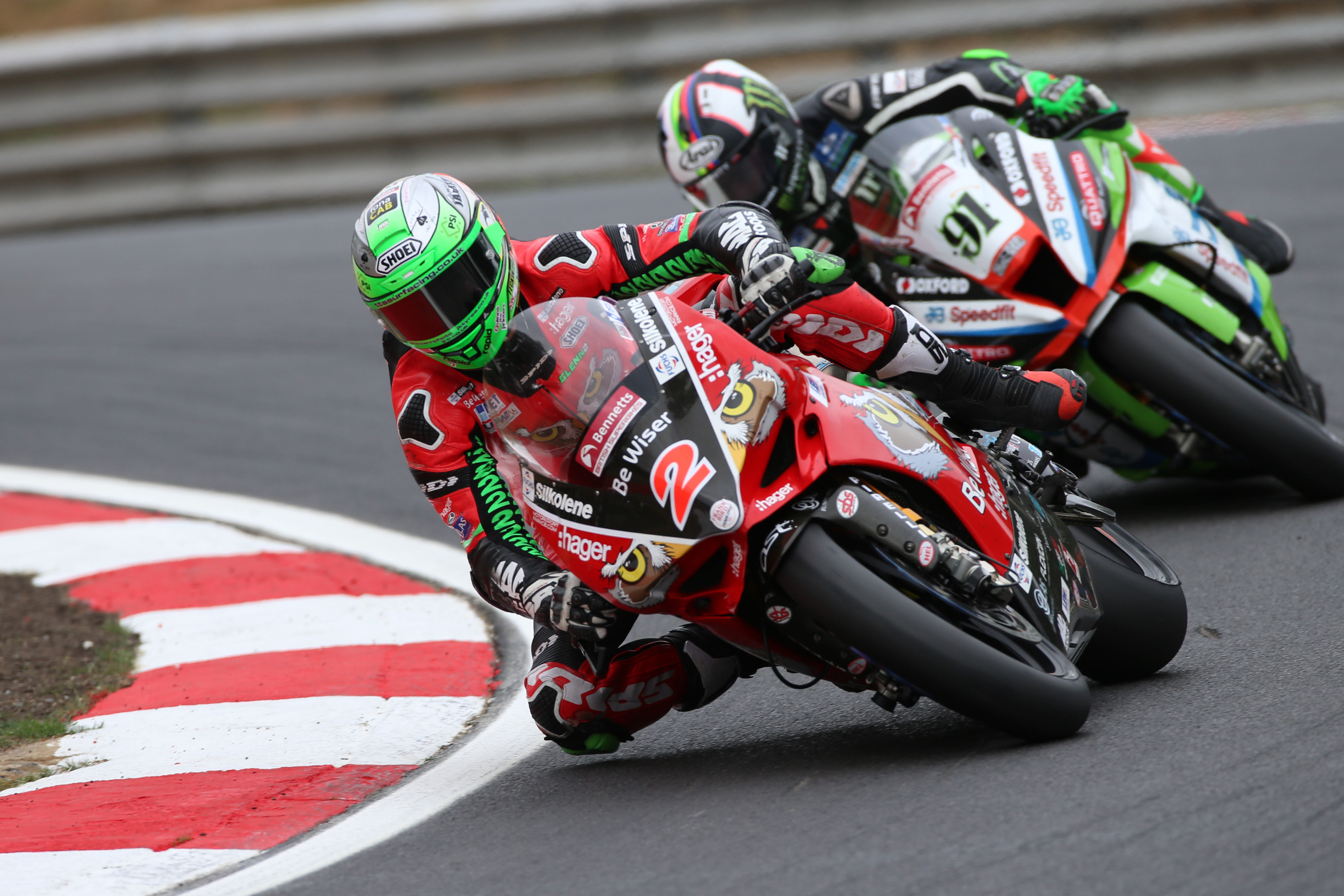
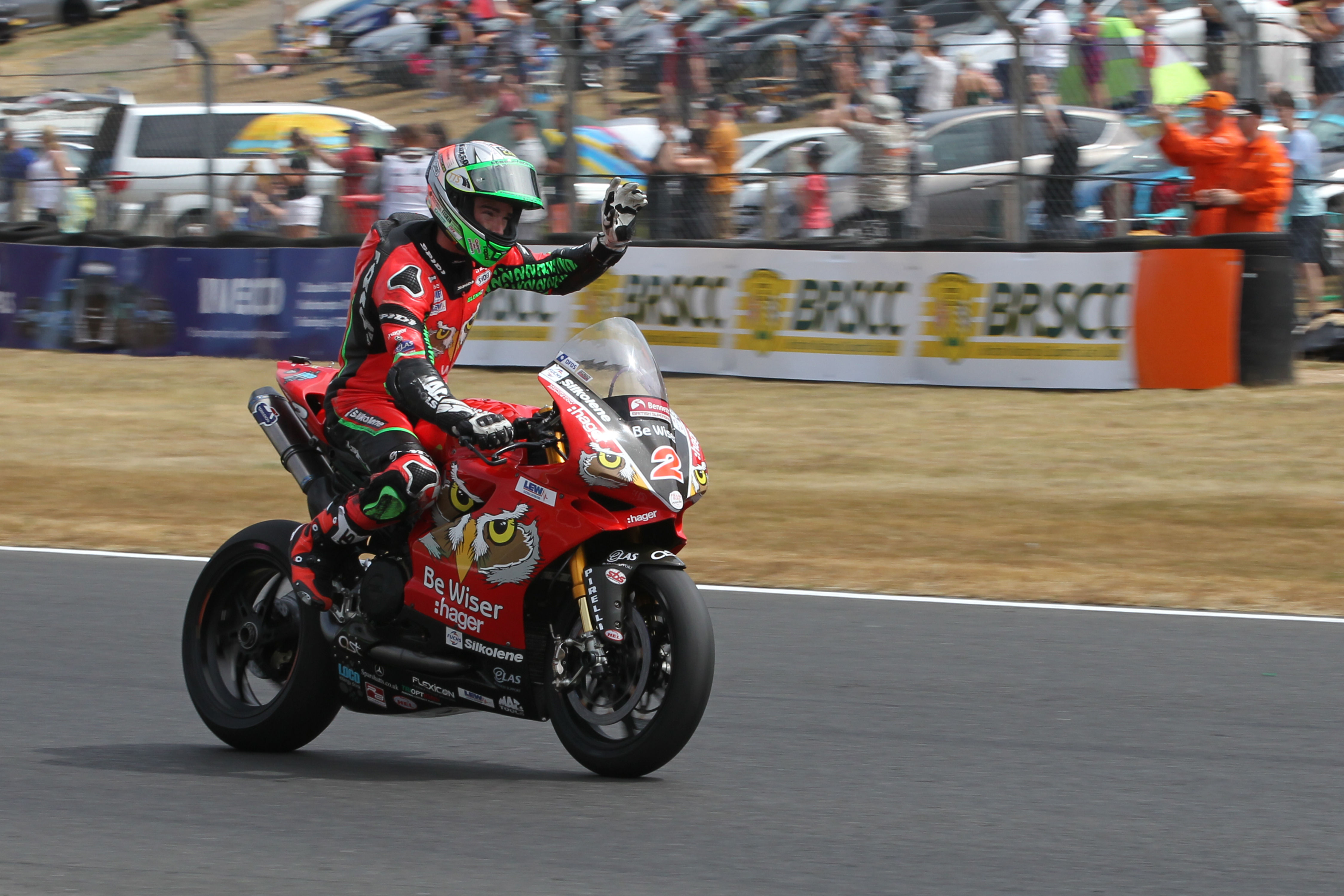
Glen Irwin – Be Wiser Ducati. Image courtesy of Ducati media
Once again, it was a last lap duel between Brookes and Irwin, and once again Glenn was not close enough to Josh to make a move, leaving the McAMS Yamaha rider to take his first double of 2018, and be crowned ‘Kind of Brands’. Quite an ominous result for Brookes, and one very reminiscent of his dominant 2015 season where, after being unable to find victory before the mid-season Brands Hatch round, he then struggled to miss the top step for the remainder of the year. Of course, it wasn’t all good, Brookes – as promised – shaved off his magnificent moustache after his double win, raising over £1500 for Movember in the process. Facial hair aside, Brookes announced his championship intentions this weekend and with two more solid circuits for the Aussie next up, another second-half championship charge could well be on.
Another second place for Glenn Irwin was not the result he desired, however once more he proved to Paul Bird that life without Shan Byrne atop one of his bikes is indeed possible – and potentially very fruitful. Like in the first race, his missed victory is not the end of the world, because his consistency over the course of this season, and the form he has built in that time, shows that his time will come for his first win, and you kind of get the feeling that it won’t be too long before he tastes the victory champagne.
A second podium of the weekend perhaps surpassed the expectations of Leon Haslam, but that is precisely what he got. He ran out of pace at the end to be able fight Irwin and Brookes, but two third places is better than he has gone in Brands Hatch for a while, and bodes well for the rest of his season.
Jake Dixon will be disappointed to have walked away from Brands Hatch without a podium, considering the pace he showed through practice, but in reality the result has not been too bad for him. He only lost two points – really – in the championship compared to Haslam and he had some decent speed across the weekend on one of – what you might call – his weaker tracks.
Fifth place for Tarran Mackenzie is not really enough to make up for the missed podium opportunity in race one, but both races showed his ability and potential, as he was fighting with the strongest riders in the championship throughout both. Also, the result of the second race is his first top ten of the season, which highlights the positive trend both he and the McAMS Yamaha team are on.
Sixth place went to Christian Iddon, who again struggled more towards the end of the race after a strong first half. He was ahead of Tommy Bridewell who completed a superb Moto Rapido Ducati debut with a seventh place, ahead of Danny Buchan, James Ellison and Peter Hickman who completed the top ten.
Michael Laverty was eleventh, but was happy with the second race as he felt he and the Tyco BMW team had found a decent direction for them to head in after a somewhat inconsistent first half of the season.
It was twelfth place for Andrew Irwin, so a step backwards on paper compared to race one, but at this stage in his BSB career he is doing nothing but learning, and no doubt he will be getting consistently stronger over the course of the rest of the season.
His crash in race one gave Luke Mossey an injured elbow, which is presumably, at least part of, the reason he finished only thirteenth in race two. Next up on the calendar is Thruxton, where Mossey had his big crash last year, which has set him back ever since – really – so it will be interesting to see how the number twelve reacts when the paddock arrives in Hampshire in a couple of weeks.
Jason O’Halloran. Image courtesy of hondaracingbsb.co.uk
Another impressive ride from Chrissy Rouse saw him take fourteenth place, ahead of Jason O’Halloran who was the final points finisher.
A lowly sixteenth place for Bradley Ray shows the kind of struggle he had over the course of the weekend. Big changes were made to the Buildbase Suzuki before race two, but they clearly did little to improve the youngster’s feeling with the bike. Both Ray and the team will be hoping that the form of the early season will return in the next rounds, after the Suzuka 8 Hour has passed – in which Ray is riding for the factory Yoshimura Suzuki team.
Seventeenth place was Gino Rea’s, ahead of Mason Law, Martin Jessopp and Dean Harrison who completed the top twenty. Fraser Rogers was twenty-first, and then it was Luke Hedger, Shaun Winfield and Aaron Zanotti who was the final finisher in 24th.
There were only two retirements: Sylvain Barrier and the aforementioned Richard Cooper.
For the first race of the ‘Big Brands Bash’ weekend, Glenn Irwin started from his first pole position scored in qualifying, with Josh Brookes and Jake Dixon alongside him on the front row of the grid.
However, it was Brookes who took the holeshot ahead of Irwin and Tarran Mackenzie who came through from the second row of the grid to third place.
The next few laps saw a lot of position changes at the front, especially between the top two of Brookes and Irwin, and this helped keep the field together, with a group of about twelve riders all covered by only a couple of seconds.
By half-distance, though, it was clear who the contenders were. Brookes led a breakaway group including Irwin, Mackenzie, Iddon and Haslam with Dixon just off the back.
But it was Brookes who led to the flag. Apart from a few exchanges between himself and Irwin in the first few laps of the race, it was pretty much a lights-to-flag win for the 2015 champion. It was Brookes’ first win of the season, and allowed him back into the top six after a difficult Knockhill round a couple of weeks ago. This race was an important step for Brookes in this season, as he made the step he needed to return to the top step.
Glenn Irwin. Image courtesy of Ducati media
The second place of Irwin was both impressive and slightly disappointing. Glenn was in the mix for the whole race and despite Brookes squeezing out a small advantage in the closing stages, the Irishman was able to erase that on the final lap to come back into contention, but he just couldn’t get close enough into Clearways for a final corner move. Either way, Glenn once again proved that he is capable of stepping into the shoes of the absent Shane Byrne, even if the situation is a far-from-ideal one. Whilst he didn’t manage his first victory, he certainly proved himself capable of achieving that very soon, and considering the team he has behind him, it would be unfair to rule him out of title contention at this stage.
Leon Haslam lucked into third place after Tarran Mackenzie crashed on the penultimate lap at Hawthorn’s. Ultimately, such a result for Leon is a good one, on a track he hasn’t tasted victory at since 2006, and fundamentally struggled at since his BSB return in 2016. Critically, he also beat Jake Dixon, so extended both his points lead in the general standing, and his lead on podium points. A performance like this might prove pretty ominous for the rest of the season, and should stand him in good stead for the final round in October, where he has struggled in the past.
Jake Dixon’s fourth place was a disappointing result for him, no doubt about it. It is possible to say that, like Haslam, Jake doesn’t go so well in Brands Hatch, but this weekend he had been stunningly fast, and finally it was a surprise that he did not take the pole position. But his race looked in jeopardy from that start, where he made a poor start and dropped from third on the grid to about seventh place, leaving himself a lot of work to do for the twenty-lap race. Furthermore, the incidents in the front group seemed to happen at the wrong time for him, costing him time and Mackenzie’s crash cost him a point in the podium points to Haslam. Anyway, when Dixon had clear space he was quite fast, which is important because it shows that Snetterton and Knockhill were not flukes for him, in terms of pace, and that he has some consistency this season which hopefully, for him, will last the entirety of the season in 2018.
Fifth place went to Christian Iddon, who seemed to suffer in the opposite way to usual. Normally, Iddon suffers in the beginning, and comes stronger towards the end of the race when the tyre goes away. However, in this race, it was the opposite, as Christian went extremely well at the start, fighting strongly at the very front of the race but towards the end fell away, presumably with rear tyre issues.
Peter Hickman had his best ride of the year in sixth place, ahead of Richard Cooper who similarly has his best performance of 2018 in seventh place. Danny Buchan came home in eighth place, although he looked better than that over the course of the weekend. Ninth place went to Andrew Irwin, who continues to be incredibly impressive on the Be Wiser PBM Ducati – since he cleaned out half the pack in Snetterton race one he has been sublime and the potential for this kid is immense. The top ten was rounded out by Michael Laverty.
Tommy Bridewell’s replacement at Halsall Suzuki, Chrissy Rouse, had a remarkable ride to eleventh place. Was it not for Andy Irwin’s current form, Rouse would be seeing a lot more attention for this result.
Bridewell himself was twelfth over the line on his Moto Rapido Ducati debut, ahead of round one double winner Bradley Ray. The Buildbase Suzuki rider has been struggling recently because he has to use the hard front – which isn’t giving the grip he wants – because the softer compound front tyres are overheating in the atypically warm British summer. In fourteenth was Jason O’Halloran, presumably still suffering with the ankle injury he picked up replacing Leon Camier in the Red Bull Honda Team for the Imola World Superbike round, and Mason Law rounded out the points for WD40 Kawasaki.
Sixteenth place went to Gino Rea, who was ahead of Dean Harrison, Luke Hedger, Fraser Rogers and Shaun Winfield who was the last of the twenty finishers.
The retirements were Sylvain Barrier – who was out on the sighting lap – Dan Linfoot who broke a scaphoid putting him out until Thruxton; Luke Mossey who bashed an elbow up fairly bad; Martin Jessopp, James Ellison who had brake problems early on but re-joined the race a few laps down; Aaron Zanotti and final Taz Mackenzie who crashed out of a potential first BSB podium on the penultimate lap.
In several races this year – notably Australia, Canada, Austria, Britain, and Germany – we saw increases in the number of DRS zones on track, which didn’t provide that much more overtaking. Instead, they created a few issues.
Brought in for the 2011 season, DRS is a system whereby the driver presses a button on the steering wheel when they are within one second of the car in front, which then opens a flap on the rear wing and reduces drag on the straights. The FIA intended it to increase the amount of overtaking in F1.
It used to be the case that the drivers were allowed to use DRS at any part of the circuit during practice and qualifying, but this was reversed for 2013. This was partly because it was too dangerous, but also because it was creating too much disparity between the top teams with better aerodynamic efficiency – like Red Bull, McLaren and Ferrari – and the lower-ranked teams with worse aerodynamic efficiency, like Marussia and Caterham.
Since 2013, DRS can only be opened at certain areas of the track, which remain the same for practice, qualifying and the race. Between 2013 and 2017, there used to be no more than two DRS zones at a circuit.
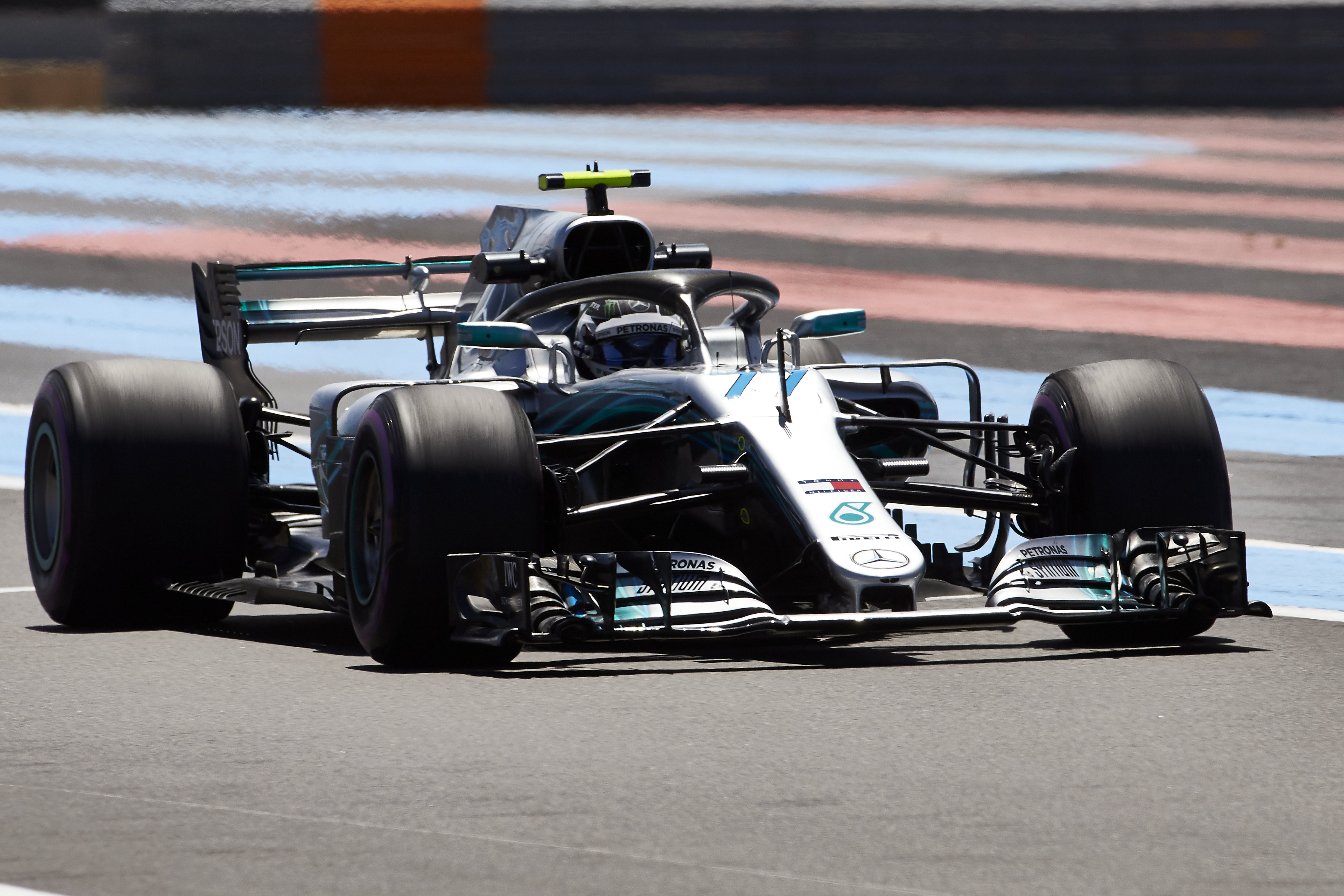
2018 Großer Preis von Osterreichisch, Freitag – Wolfgang Wilhelm
Now, however, we have had three DRS zones at a fair few of the circuits, meaning that the gap between the bigger teams and the smaller teams has extended. It really has turned into a case of mind the gap in F1.
In fact, it has got to the point where the teams below Mercedes, Ferrari and Red Bull have formed what is being called a second tier championship. At Silverstone, for example, the top three teams were able to run their cars through turn one with the rear wing open. When the Sauber of Marcus Ericsson tried it, however, he ended up in the barrier.
As a result, we can essentially say that the financially better-off teams with more aerodynamic capability, who already had an advantage before, now have an even greater advantage, which is really taking away from the spectacle of Formula One.
However, the potential danger of being able to have the rear wing open through high speed corners could add to the excitement experienced by us as spectators and increase the adrenaline for the drivers, not forgetting that they can choose not to use DRS in areas where it is permitted if they feel that it is unsafe or detrimental to performance over the course of a lap.
The already substantial gap between the big three and the rest is, if anything, being increased by the perhaps excessive adding of DRS zones and, as Marcus Ericsson proved in Silverstone, this is something which can also be quite expensive for the teams. Formula One’s technical rule-makers need to think about trying and beginning to decrease the gulf between the teams in Formula One, and maybe DRS is the place to start.
Featured image – 2018 Großer Preis von Frankreich, Freitag – Steve Etherington
Ferrari CEO and Chairman Sergio Marchionne was supposed to stay on with the company until 2021, only leaving once a successor had been found and readied. Things, however, have not gone to plan. Marchionne was taken into hospital for planned shoulder surgery, but complications have since arisen which have left him unable to return to work and in an undetermined state of health.
Once it became clear that Marchionne would not be able to return, Ferrari’s Board of Directors convened and named John Elkann as the new Chairman and proposed Louis Camilleri as the new CEO, splitting Marchionne’s old role into two separate ones. Before these appointments, Elkann was the CEO and Chairman of investment company Exor, while Camilleri was already a board member at Ferrari.
Ferrari Media
This movement has rocked Ferrari’s settling boat. The team say that their thoughts remain with Marchionne and his family, but a change this big and unscheduled will have undoubtedly thrown them.
There are going to be some sizeable short and long-term consequences of the shift for the team as they try to work out where they stand, and prepare themselves for the remainder of what could be a title-winning season for them.
One of the first issues for the new bosses to deal with is the matter of who drives alongside Sebastian Vettel next year. When Marchionne was in charge, it was thought that the team were leaning more towards the much-hyped Charles Leclerc as opposed to the aging Kimi Raikkonen but this, like everything else, has seemingly changed.
Promoting Leclerc into the Scuderia is a huge risk considering his lack of experience in F1, whereas Raikkonen is a known quantity who, while no longer very exciting, doesn’t represent as much of a gamble. This means that the Finn is much more likely to be retained now than he was before, simply because the new management aren’t going to want to come in and have one of their first major decisions be a big risk. It would be a shame for Leclerc, but he has time on his side and will certainly get to Ferrari one day.
Another thing that needs addressing is the negotiations surrounding F1’s 2021 regulation change. Marchionne had threatened to pull Ferrari out of F1 as a result of the planned engine changes, although many saw this as a bluff to give them more influence in the talks. The main question is if Ferrari’s tune will stay the same with new management – will they deal with F1’s owners Liberty Media in the same way or will things change?
F1 Chairman Chase Carey has said that they will give Ferrari time to sort themselves out before resuming talks. However, with the team having been left somewhat unstable following Marchionne’s departure, it could mean that their position in those talks will be subsequently weakened.
Ferrari Media
Then there’s the rest of this season to deal with. After issuing unclear team orders at the German Grand Prix, Raikkonen was certainly unhappy and the team as a whole just seemed a bit flustered. Vettel hit the wall and saw not only an almost certain victory slip away from him, but also the lead in both championships. Ferrari can’t afford to let another championship escape their grasp, as this is the closest they’ve been for a decade – their last constructors’ title came in 2008, with their last drivers’ title in 2007.
The Ferrari revolution, led by Marchionne, had almost been completed. The team were almost back to their championship-winning ways, and it was just that last little bit of work that was missing.
Now, with the new management in place, the question is whether Ferrari continue Marchionne’s good work, or whether it will go to waste? Only time will tell, but these next few weeks and months will be pivotal for the future of Ferrari’s F1 team.
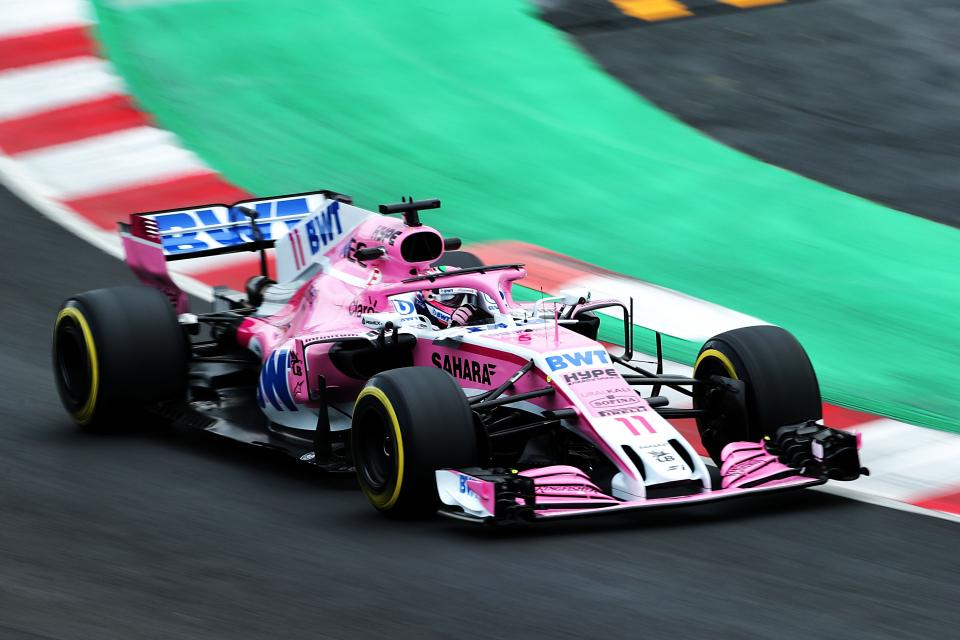
If you looked solely at Force India’s on-track results, you’d hardly believe there are any worries for the team at all. However, financial issues have been brewing for years, and they are now in need of a buyer to realistically stay afloat.
Many thought that the BWT deal – which was made at the start of 2017 and notably turned the car’s livery pink – was to be the beginning of the end of Force India’s financial worries. That turned out not to be the case, and now the likeable Silverstone-based team have found themselves on the brink of collapse with talks of them going into administration filling the German Grand Prix paddock.
Sahara Force India F1 Team
There is, however, a possible saviour for Force India amongst. Cue Lawrence Stroll. The Canadian billionaire famously bought son Lance’s way into Formula 1 with a multi-million dollar deal that saw the young driver placed at the then-midfield team of Williams. But, as Williams’ fortunes have since turned for the worse, the Stroll family are now looking for another team to throw their money at, in search of good results. Force India might just be that team.
There are some unconfirmed reports going around in German press circles that this supposed buyout has already happened but, for now at least, there is no official word.
Before we fully jump on the Stroll buyout hype-train, there are some things to bear in mind. This is not by any means the first time there’s been a rumoured buyout of Force India – there have been countless stories over the years that have reported a deal having been completed, but that ultimately came to nothing. Force India are one of the most popular teams for potential buyers – with a car already full of sponsors, you can see why. Even so, given the history of misleading reports, any rumours should be taken with a pinch of salt.
Force India have been at the head of the ‘best of the rest’ battle for the whole of the hybrid era. While they only finished sixth in the constructors’ standings in 2014, they rose to fifth the following year, and then to fourth in 2016 where they remained in 2017. However, that position has become under threat in 2018 due to the bunching up of the midfield. Renault are currently in fourth, and Force India are currently behind them in fifth with 59 points, equal with Haas but ahead by virtue of Perez’ Azerbaijan podium. McLaren, though challenging in the initial stages of the season, are becoming less of a threat as the year goes on, with their own woes to deal with.
Sahara Force India F1 Team
Anyway, back to the buyout talks. One key and expected consequence of the Stroll buyout, if it does go ahead as reported, is that Lance will take one of the seats at Force India. This will leave either Esteban Ocon or Sergio Perez out of a seat. However, with Ocon’s rumoured move to Renault seemingly a done deal, it will be the Mexican driver who will remain with Force India, where he has been since 2014.
Lance Stroll already has one podium to his name (Azerbaijan 2017) and a front row start (Italy 2017) – he is undoubtedly talented but has been hampered by a vastly underperforming Williams car this year. A Force India seat would give Stroll a chance to build on the potential he showed last year and get back to being a regular points scorer, rather than finishing last, second to last or not at all.
Overall, the Stroll buyout of Force India could only be a good thing, because it keeps one of the most-loved F1 teams well-funded and on the grid, as well as giving a young driver the kind of opportunity he deserves in F1, given his junior career. It’s a win-win situation… as long as it actually goes through! If not, Force India’s future will continue to hang in the balance.
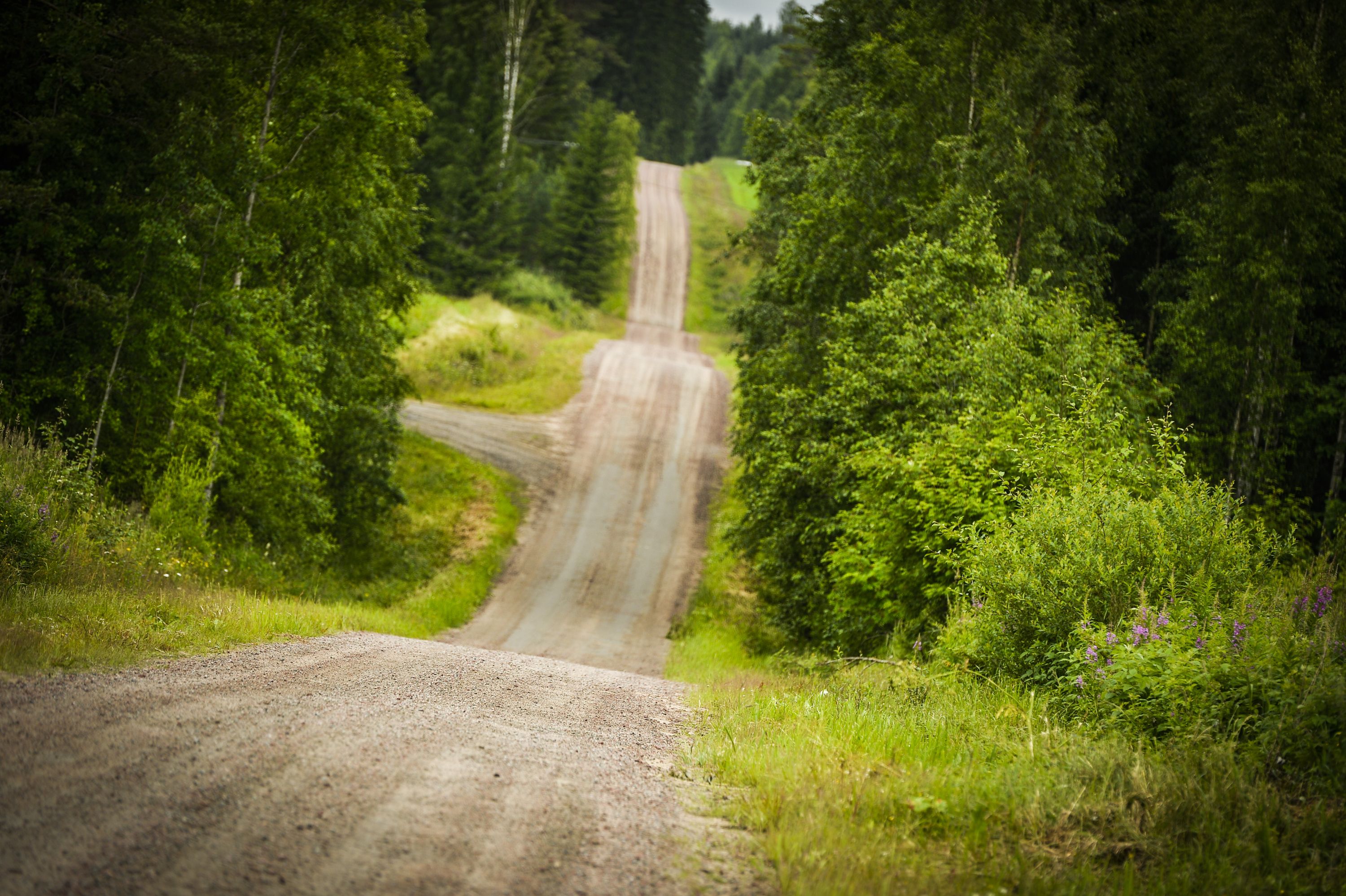
The summer break is over and there are six rounds left this year. Thierry Neuville leads the championship by twenty-seven points over the reigning champion, Sebastien Ogier. The Frenchman has also not finished this event for the last two years, but can be quick, having taken victory in 2013. His Belgian rival will want a decent haul of points from this event but opening the road will make it hard for him to fight for victory, particularly with the three Toyota’s having been honed to perfection on the very unique gravel roads that make this event so hard for non-Scandinavians to win.
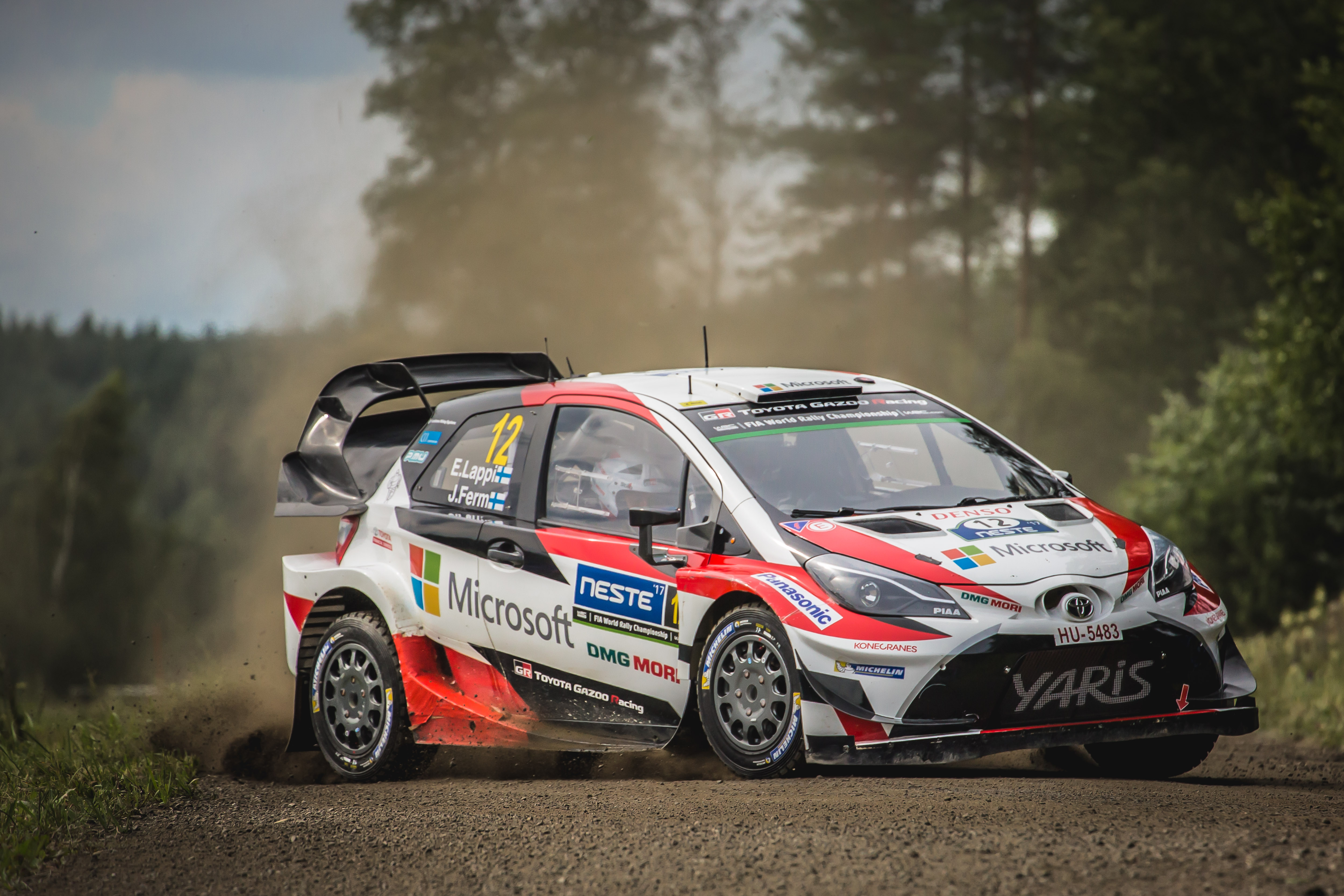
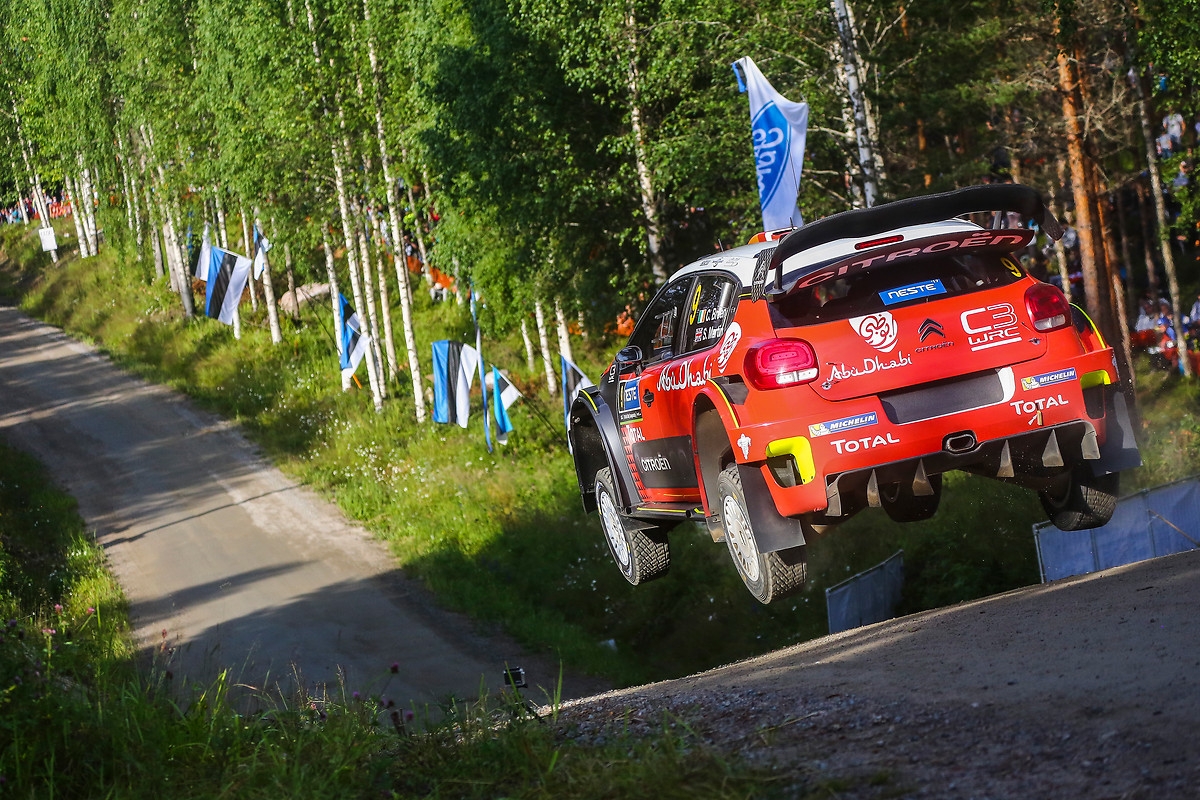
FIA WORLD RALLY CHAMPIONSHIP 2017 -WRC Finland (FIN) – WRC 26/07/2017 to 31/07/2017 – PHOTO : @World
Now, there’s a good chance that Toyota could sew up the whole podium, with former winners Jari-Matti and Esapekka Lappi in the team, plus a very quick Ott Tanak, but who could challenge this? Well, Elfyn Evans scored a brilliant second place last year, after being patient early on and getting the car in a good place, showed great pace on the Saturday and Sunday to score his best result ever on these roads.
Hoping to do well will be the Citroen squad. Two years ago, Kris Meeke took an incredible victory, the first for any British driver, beating Jari-Matti. Now Craig Breen and Mads Ostberg are the drivers the team are looking to, and both have scored podiums on this event. The key to their chances will be with whether they can take advantage of the road position on Friday, which if they can, will benefit them both on Saturday and Sunday.
Here’s the full schedule for the event. Sixty-five percent of the stages are new, and two that were run last year are being run in the opposite direction. Getting those pace notes correct during the reece which takes place today (Tuesday) and Wednesday will be so important.
RALLY FINLAND SCHEDULE (GMT+3)
THURSDAY 26 JULY
8.00am: Shakedown Vesala (4,26 km)
6.37pm: Start (Jyväskylä Paviljonki)
7.00pm: SS 1 – Harju 1 (2,31 km)
7.25pm: Parc fermé
FRIDAY 27 JULY
7.15am: Service A (Jyväskylä Paviljonki – 15 min)
8.18am: SS 2 – Moksi 1 (20,04 km)
9.21am: SS 3 – Urria 1 (12,28 km)
10.13am: SS 4 – Ässämäki 1 (12,33 km)
11.36am: SS 5 – Äänekoski 1 (7,71 km)
12.51pm: Service B (Jyväskylä Paviljonki – 30 min)
2.24pm: SS 6 – Oittila (19,34 km)
3.27pm: SS 7 – Moksi 2 (20,04 km)
4.30pm: SS 8 – Urria 2 (12,28 km)
5.22pm: SS 9 – Ässämäki 2 (12,33 km)
6.45pm: SS 10 – Äänekoski 2 (7,71 km)
8.00pm: SS 11 – Harju 2 (2,31 km)
8.30pm: Flexi service C (Jyväskylä Paviljonki – 45 min)
SATURDAY 28 JULY
6.00am: Service D (Jyväskylä Paviljonki – 15 min)
8.13am: SS 12 – Päijälä 1 (23,92 km)
9.29am: SS 13 – Pihlajakoski 1 (14,90 km)
10.38am: SS 14 – Kakaristo 1 (23,66 km)
12.13pm: SS 15 – Tuohikotanen 1 (8,95 km)
1.31pm: Service E (Jyväskylä Paviljonki – 30 min)
2.55pm: SS 16 – Tuohikotanen 2 (8,95 km)
4.08pm: SS 17 – Kakaristo 2 (23,66 km)
5.36pm: SS 18 – Päijälä 2 (23,92 km)
6.54pm: SS 19 – Pihlajakoski 2 (14,90 km)
8.55pm: Flexi service F (Jyväskylä Paviljonki – 45 min)
SUNDAY 29 JULY
7.30am: Service G (Jyväskylä Paviljonki – 15 min)
8.38am: SS 20 – Laukaa 1 (11,74 km)
9.38am: SS 21 – Ruuhimäki 1 (11,12 km)
11.01am: SS 22 – Laukaa 2 (11,74 km)
1.18pm: SS 23 – Ruuhimäki 2 Power Stage (11,12 km)
2.21pm: Service H (Jyväskylä Paviljonki – 10 min)
4.00pm: Podium
So, lets hear from the drivers.
Hyundai Motorsport
Thierry Neuville
“Sardinia was an incredible weekend, we couldn’t have hoped for a better result heading into the summer break! Now I’m ready to carry the momentum forward into the second half of the season. Finland is one of those rallies that everyone looks forward to. It’s going to be tricky this year coming into it after the extended break and jumping straight in the car. For the second event in a row, we’ll be first on the road and won’t have the advantage of the sweeping effect to begin with. It will be tough as the speed is very high – but I can’t wait for the challenge.”
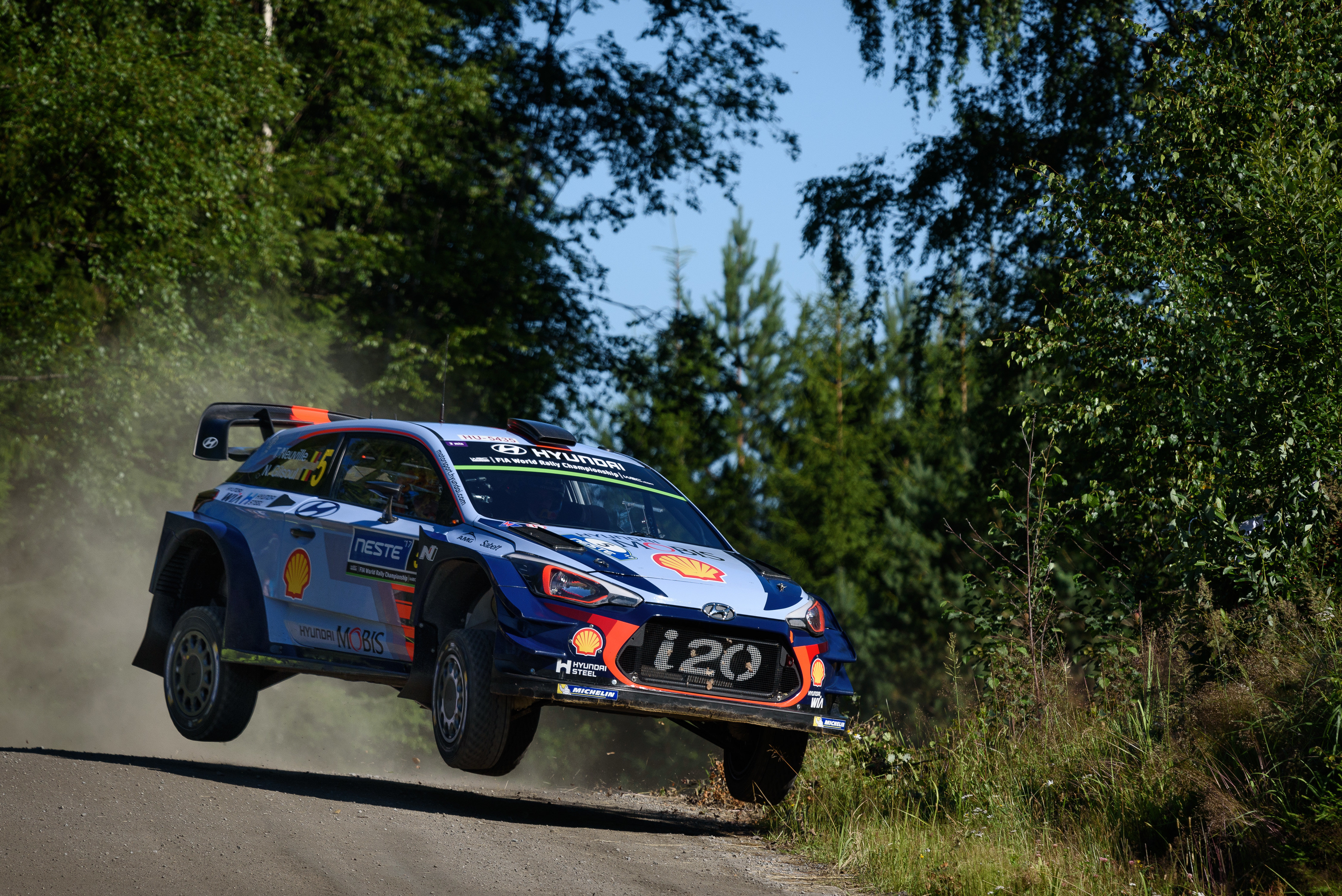
2017 FIA World Rally Championship, Round 09, Rally Finland 27 – 30 July 2017, Thierry Neuville, Nicolas Gilsoul, Hyundai i20 Coupe WRC, Photographer: RaceEMotion, Worldwide copyright: Hyundai Motorsport GmbH
Andreas Mikkelsen
“Rally Finland is a really nice rally – it’s probably the event the drivers fear most, but also the one they really want to win! Because the grip is so low, you have to be very confident in the car to go fast on the stages. We were disappointed we couldn’t show our true potential in Sardinia, so hopefully we can find a good pace quickly and push hard to bring home a strong result.”
Hayden Paddon
“For me, Finland is the most incredible rally of the year. Not only are the roads, the jumps, and the pure speed impressive but also the atmosphere is electric. It really makes the hairs on the back of your neck stand up. I’m really looking forward to getting back into the Hyundai i20 Coupe WRC. We hope we can put the pieces together this year to bring home a strong result.”
M-Sport Ford
Sébastien Ogier
“It was nice to have a little break and spend some time relaxing with family and friends, but now the action is ready to resume and we’re fully focused on Rally Finland.
“For so many people this is the highlight of the year and it’s easy to see why. There is an atmosphere here that you don’t get anywhere else and the roads were tailor-made for rallying.
“This is the fastest event on the calendar and at those speeds its mere tenths of a second that you’re fighting for. The competition will be extremely strong, but the engineers and designers from M-Sport and Ford Performance have been working tirelessly to ensure we’re in the best possible position.
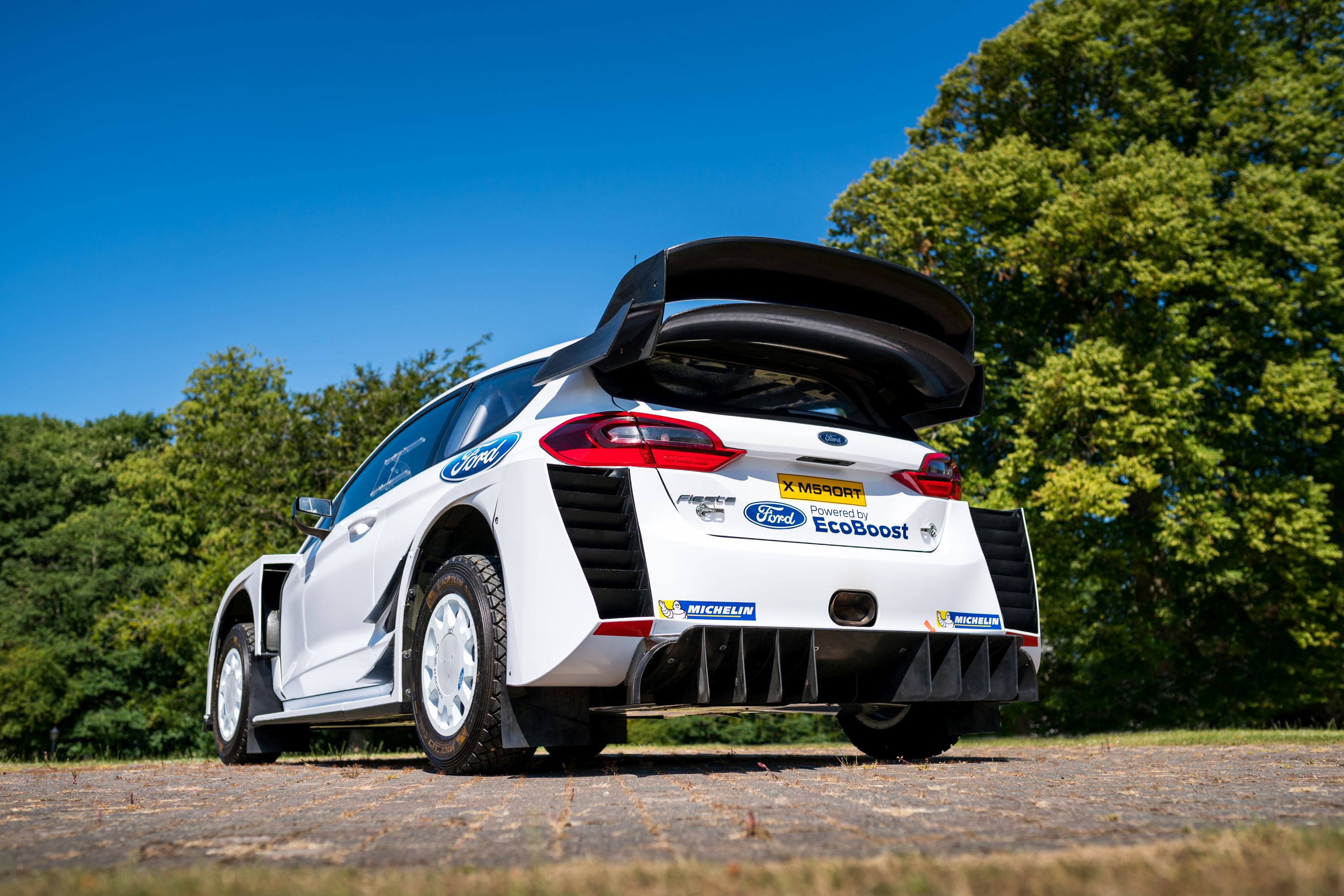
“We’ll have some aerodynamic updates on the rear of the car that we hope will give us that little bit extra in terms of performance, but we’ll still have to get absolutely everything right over the course of the weekend if we want to be in the fight for the top results.
These are the updates that will be run on Seb’s car.
“We know that the car was strong here last year and we had a good feeling on the test, but this is a rally that doesn’t forgive even the smallest of mistakes. We’ll certainly give it our best and the goal is always to come home with a strong haul of points.”
Elfyn Evans
“It feels like a long time since we were last in competition, but we’ve not been sitting idle! The team have been working extremely hard, we’ve had a good test, and I’ve also been doing a lot of PR work with Ford and Red Bull.
“I was involved in an advert for the new Fiesta ST – a great little road car – and also got behind the wheel of the Fiesta WRC to film some promotion with Red Bull ahead of Goodwood Festival of Speed. The festival itself was great, but now we’re ready to get back to business, and start the second half of the season with one of the highlights of the year – Rally Finland.
“I’d challenge anyone who said they didn’t enjoy driving Finland’s gravel roads in a world rally car! The high speed combined with the technical nature of the stages is incredible, and when you get into a good rhythm it’s a phenomenal feeling.
“We did well here last year and found a good feeling on the test; but the margins for error are so fine and the gaps so small that even the slightest of mistakes can be costly. The competition is going to be strong so we’ll need to be note perfect and deliver a very clean and precise drive. If we can do that, and get everything right, then I’d hope that we’ll be in with a good chance.”
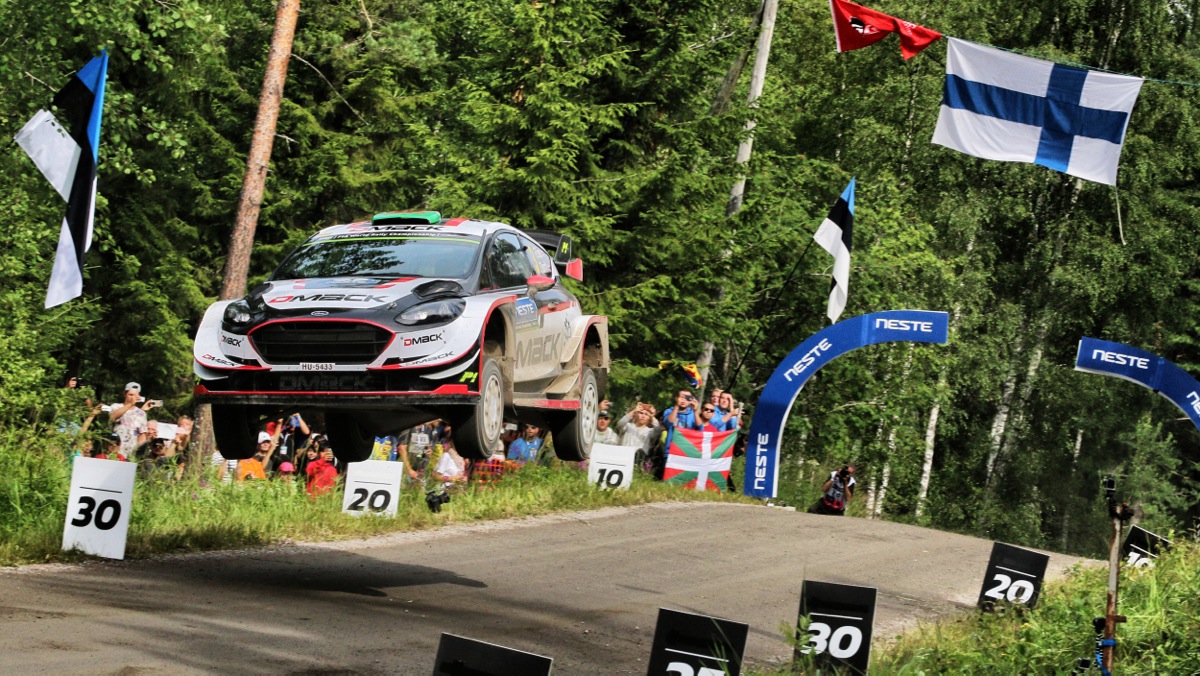
Last year Elfyn drove his D-Mack shod Fiesta to second place. Photo credit, M-Sport
Teemu Suninen
“We had a really good test and are feeling ready and well prepared for the rally. We drove more than 200 kilometres on our test day – starting with the base set-up my team mates found earlier in the week. All three of us drive with a pretty equal set-up, so there were only some small confirmations to find and the car feels really fast.
“Having come so close last year, the top-three is my ultimate goal. It could be hard to achieve, but we will try our best. At the end it’s such a small margin that decides whether you finish third or sixth!
“Starting the first forest stage last year I was pretty nervous, but as soon as I saw the time and saw that my speed was enough I felt better straight away. This year the rally will be driven on similar roads and we have a very good feeling with the car in the high-speed sections. We’ll start the rally as we mean to continue – driving flat-out.”
Toyota Gazoo WRT
Jari-Matti Latvala
“I am really looking forward to Rally Finland. It is a good opportunity to start the second half of the season in a positive way. I have always felt really good support on my home event, and this is even more the case now that we are driving a car that has been built here. I could really feel last year that everybody was behind the team and willing us on. One of the big challenges this year will be the changes to the route. I have driven some of the new roads before, but it was a long time ago and there are large sections that even I don’t know. Therefore, I think it will actually create a more level playing field.”
Ott Tanak
“Rally Finland is always one of my favourite events. It is quite a specific rally: really high-speed but also quite technical with the jumps. You really need to have some respect for the roads there. This year there will be a lot of new roads that we have not seen before, which will add to the challenge. I think we have had some really good preparation. As well as our pre-event testing, I took part in Rally Estonia last weekend and won it, which was quite nice in front of so many fans. I am sure that a few of them will go to Rally Finland as well, and I hope we can give them a good result there too.”
Esapekka Lappi
“Rally Finland is always a special event and even more so after our victory last year. I am really looking forward to it. There is more pressure this year. From my side, I am expecting a good result and I think everyone else is too, so we really need to perform. I think it will be tougher to win it this time, though. The competition will be tougher, both from inside our team and from the other teams as well. The new stages will also create a big challenge. We know that our car will be competitive so the focus will be on making good pace-notes and finding a nice flow with the driving.”
FIA WORLD RALLY CHAMPIONSHIP 2017 -WRC Finland (FIN) – WRC 26/07/2017 to 31/07/2017 – PHOTO : @World
Citroen Abu Dhabi WRT
Craig Breen
“Rally Estonia was excellent preparation for me. It gave us the opportunity to look at a few things and we also noted that with the new front geometry, the C3 WRC is even better balanced. I feel very confident coming into this round, especially as it’s one of the world championship events where I have the most experience. Experience is absolutely critical here, even though some of the stages have changed for this year’s rally.”
Craig Breen, Scott Martin will be hoping for a good result on these challenging roads. Photo credit Citroen Racing
Mads Østberg
“This really is one of my favourite events of the season. Although you need to make good pace notes in recce, afterwards it’s all-out attack! You don’t have to worry about tyre wear or the road surface breaking up. I have some very good memories from here, especially the podium secured when driving for Citroën in 2015, and I hope to take advantage of my two days of pre-event testing to get off to a good start and try to reproduce the same kind of performance.”
Khalid Al Qassimi
“This round is special for me because it’s where I made my debut in a works team in 2007. The feeling in the car during the stages, with the high speeds and never-ending crests, is also unique. It’s also what makes it such a difficult rally: you must be really comfortable and have good pace notes. As my last outing was in Argentina, I’ll need to get my bearings back first of all. I’ll then try to up the pace gradually whilst making sure I don’t make any mistakes.”
Well, can Hyundai score their first ever podium on these roads this year, or will we see a podium lockout for the Toyota team? What about Seb? Will he use the new aero on the back of his car to win? Can Citroen have a better event and challenge at the front?
Toto Wolff has hailed Mercedes’ unexpected 1-2 finish at the German Grand Prix as the “perfect scene”.
The German marque’s duo of Valtteri Bottas and Lewis Hamilton had started the race in P2 and P14 respectively, after the Brit suffered a hydraulic failure in qualifying. Bottas held position at the start but for the most part could only sit back and watch Ferrari’s Sebastian Vettel begin to open up the gap, whilst Hamilton set about carving through the field. Both drivers had longer first stints than those around them – Bottas changed from the ultras to the softs on lap twenty-eight, and Hamilton swapped from softs to ultras on lap forty-two after having broken into the top five.
2018 Großer Preis von Deutschland, Sonntag – Wolfgang Wilhelm
It was after Hamilton’s pitstop that the rain began to fall. It had been a looming threat hanging over the race, and it was only a matter of when, not if, it would arrive. Despite it turning out to be only a brief shower, many in the midfield made the decision to pit for intermediates.
On lap fifty-two, championship leader Sebastian Vettel crashed in the damp conditions and brought out the safety car, with Bottas and Vettel’s team-mate Kimi Raikkonen choosing to pit for fresh ultrasoft tyres. Hamilton, though, stayed out and thus inherited the lead.
When the race restarted, Hamilton began to pull away – although he was helped by Mercedes telling Bottas to hold position despite the Finn being on the fresher tyre – and eventually crossed the line to win the German Grand Prix and reclaim the lead of the drivers’ championship. With Bottas in P2, Mercedes also re-took the lead of the constructors’ championship from Ferrari.
2018 Großer Preis von Deutschland, Sonntag – Wolfgang Wilhelm
Hamilton’s win was briefly under threat when he was summoned to the stewards post-race to explain why he cut across the pitlane entry line when under the safety car, but he was eventually let off with a reprimand and was not given a penalty.
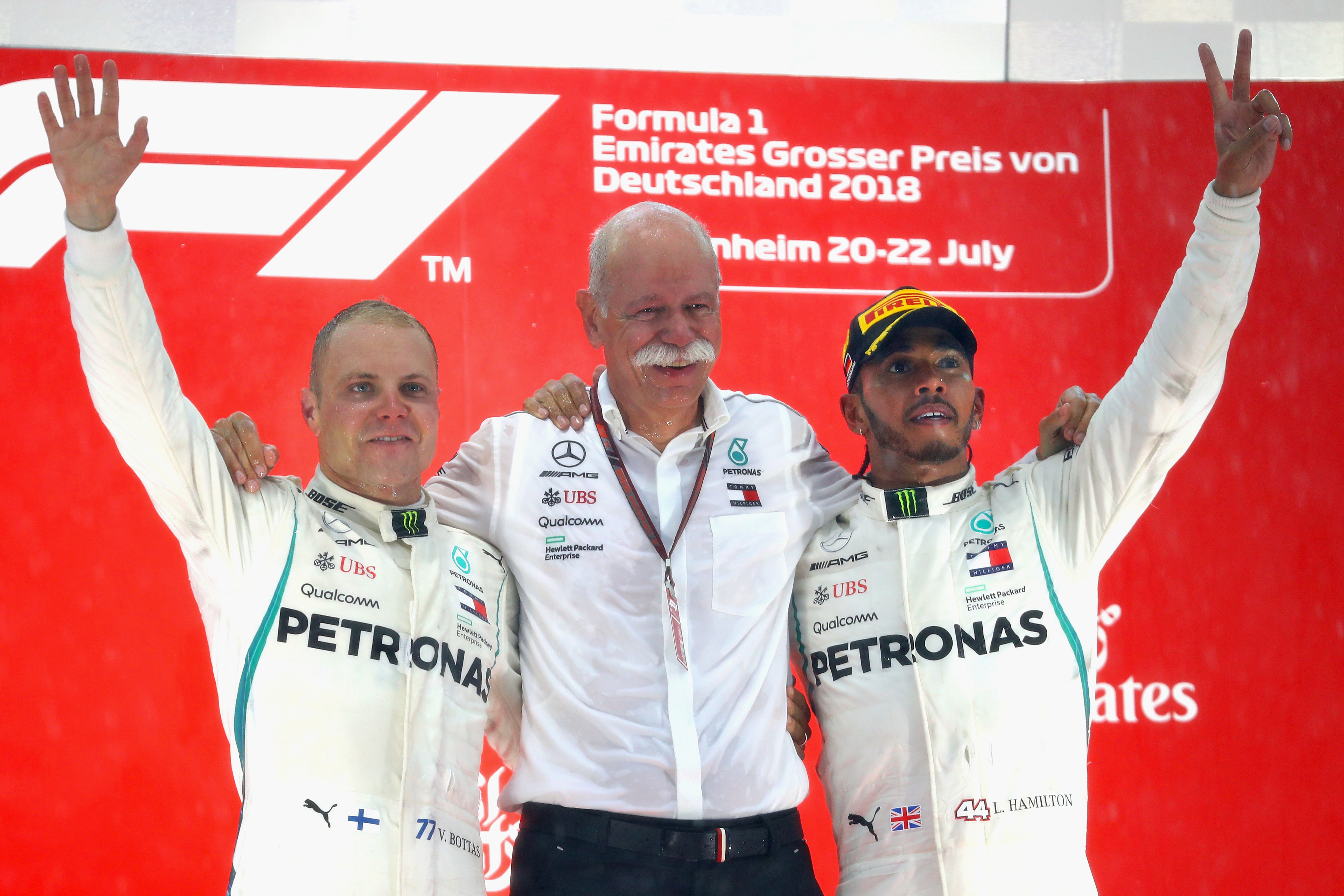
“What an incredible race – here at Hockenheim, on home turf for Mercedes, and a one-two finish after all the bad luck we have had in recent races,” Toto Wolff said. “Today it felt like that turned into good fortune for us and it was the perfect scene on the podium with our two drivers and Dr Zetsche up there. Like always, the race happens on Sunday not Saturday, and sometimes it’s not the quickest car that wins; that was what happened today.”
Wolff also extended his sympathies to Ferrari regarding the news that Fiat Chrysler’s CEO Sergio Marchionne was replaced due to worsening health after a recent operation. “But even in the joy of victory, our thoughts also remain with Sergio Marchionne and his family; although we are rivals on the track, we are friends off it and we were saddened to hear the news of his illness.
“It’s hard to sum up a Grand Prix like this one in a few sentences but things were unfolding in an interesting way when the rain came.
“After the drama of Silverstone and then qualifying yesterday, this is a dream result and that unpredictability is the beauty of sport. But our focus will turn quickly to Hungary, where we will have to do it all over again next weekend.”
Featured image – 2018 Großer Preis von Deutschland, Sonntag – Steve Etherington
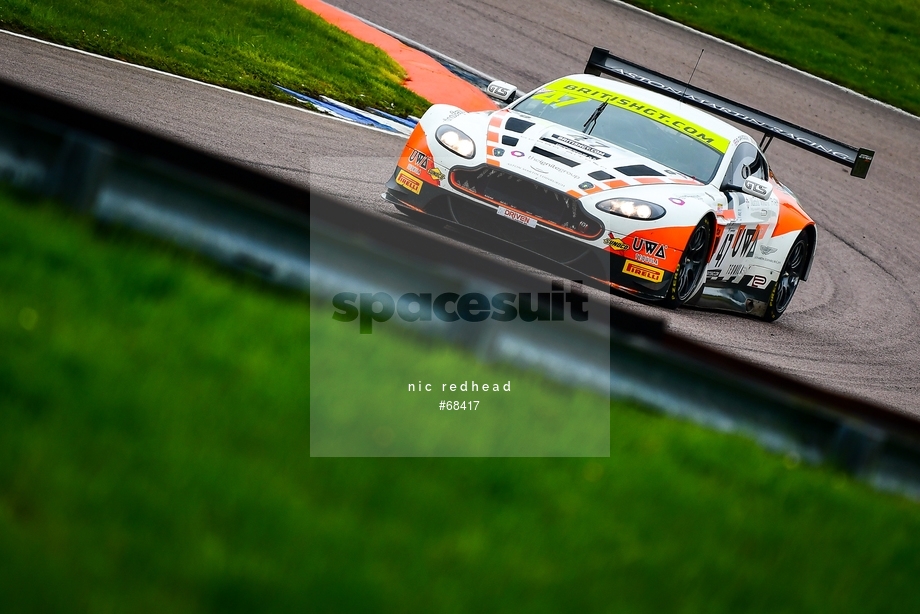
Maxime Martin and Graham Davidson notched their first win of the British GT season at the one mainland European race in Spa-Francorchamps for Jetsream Motorsport Aston Martin.
Ryan Ratcliffe and Rick Parfitt Junior in the #1 Bentley held on for second ahead of Jonny Adam and Flick Haigh’s Optimum Aston Martin, who completed the GT3.
In GT4 a well timed pitstop just as the Safety Car saw Dean Macdonald and Jack Mitchell emerge in the lead, where they stayed.
Tolman Motorsport’s McLaren of Michael O’Brien and Charlie Fagg were second to continue their strong season while the podium was completed by Equipe Verschuur’s Finlay Hutchison and Daniel McKay.
It was drama right from the start when Mark Farmer’s TF Sport Aston Martin took to the grass on the run down to Eau Rouge before catching fire and dropping oil. Andrew Howard was also damaged ad the Safety Car quickly appeared.
Remon Vos was blamed for the incident and served a 60-second stop/go penalty.
After racing resumed, Jordan Witt was given a 20-second stop/go penalty for colliding with Loggie at the final chicane and that moved the Team Parker Racing Bentley of Rick Parfitt Jnr up to second behind Davidson.
The Barwell Motorsport duo of Sam De Haan in the #69 Lamborghini and Jon Minshaw in the #33 Huracan also came to blows with De Haan given a 10-second stop/go penalty while Adam Christodoulou’s Mercedes also caught fire.
Once the Ams handed over to the Pros, Martin was able to stroke the Aston Martin home ahead of Ratcliffe and Adam for his and Davidson’s first ever British GT victories.
In GT4 O’Brien led the way at the start ahead of fellow McLaren Finlay Hutchison, with Ben Tuck also in the mix and Lewis Proctor fourth.
A fire for Proctor’s McLaren saw many take to the pits, and Century Motorsport’s Jack Mitchell was the lucky man as he emerged from the pits in the lead ahead of Charlie Fagg, whose Tolman had been leading.
That was how it would stay, with McKay in the Equipe Verschuur McLaren remaining third and Ben Tuck fourth in the other Century BMW.
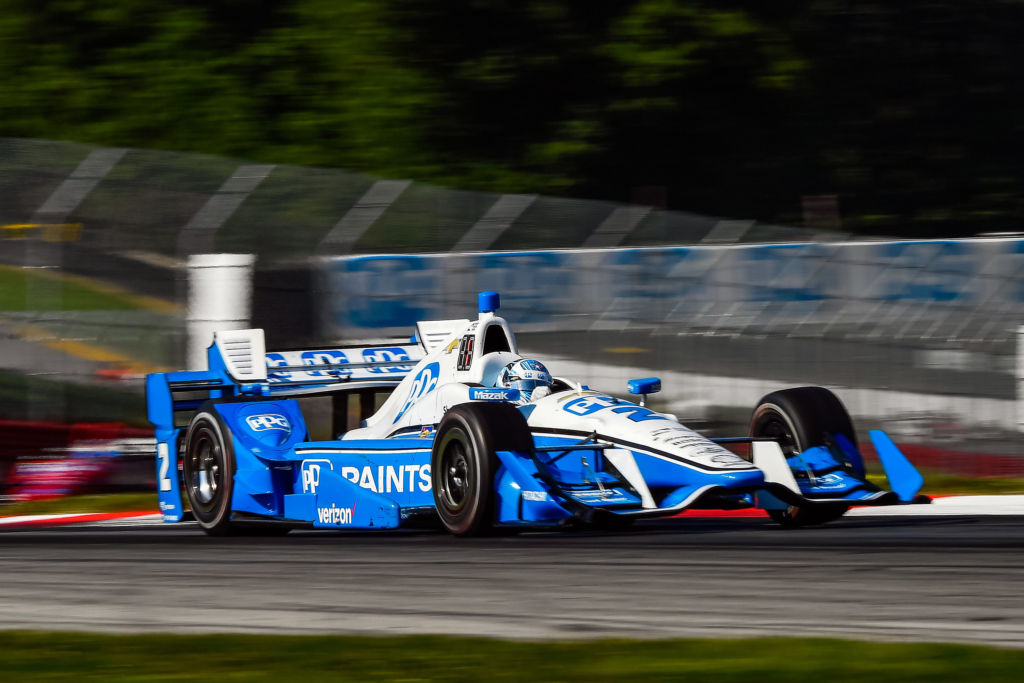
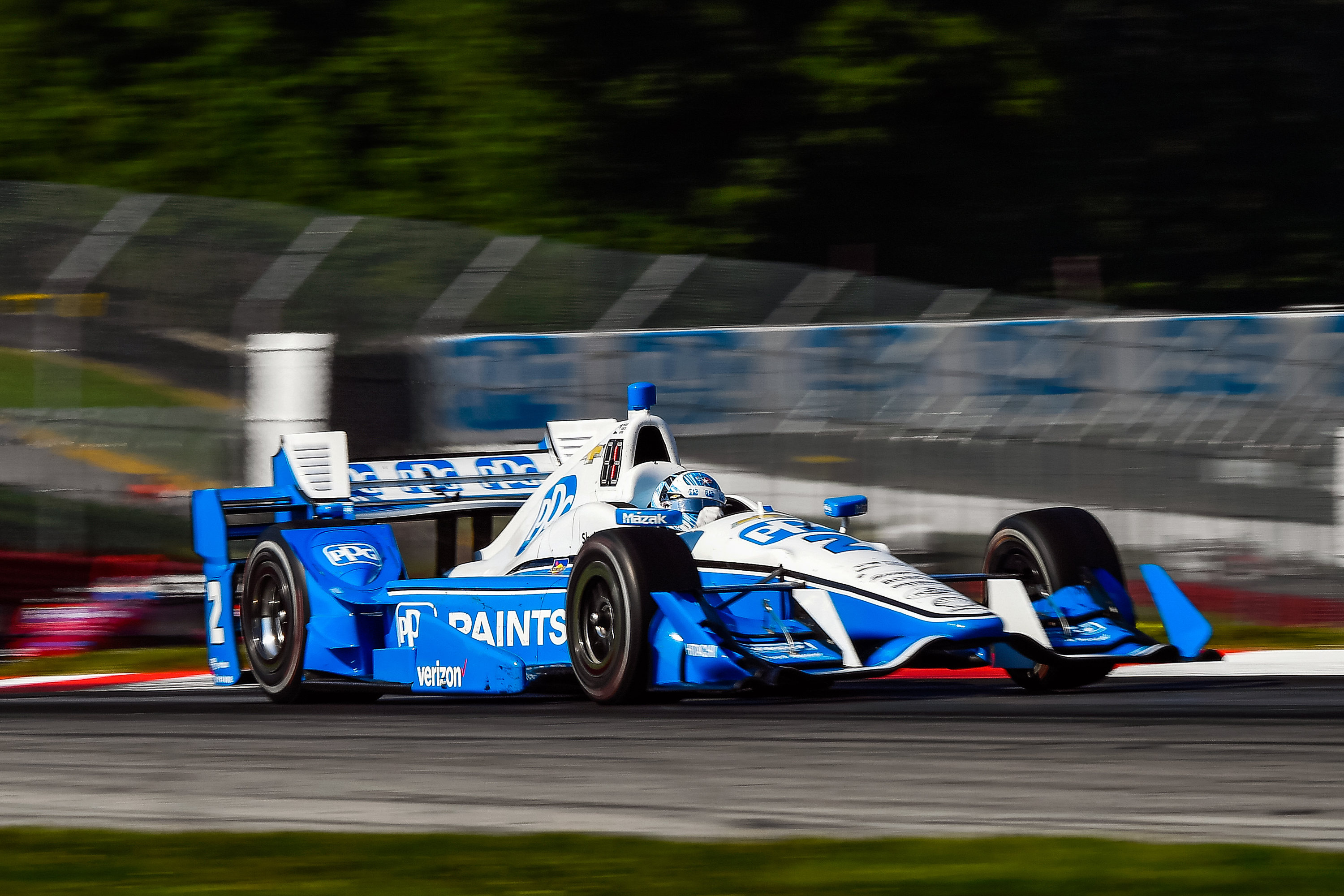
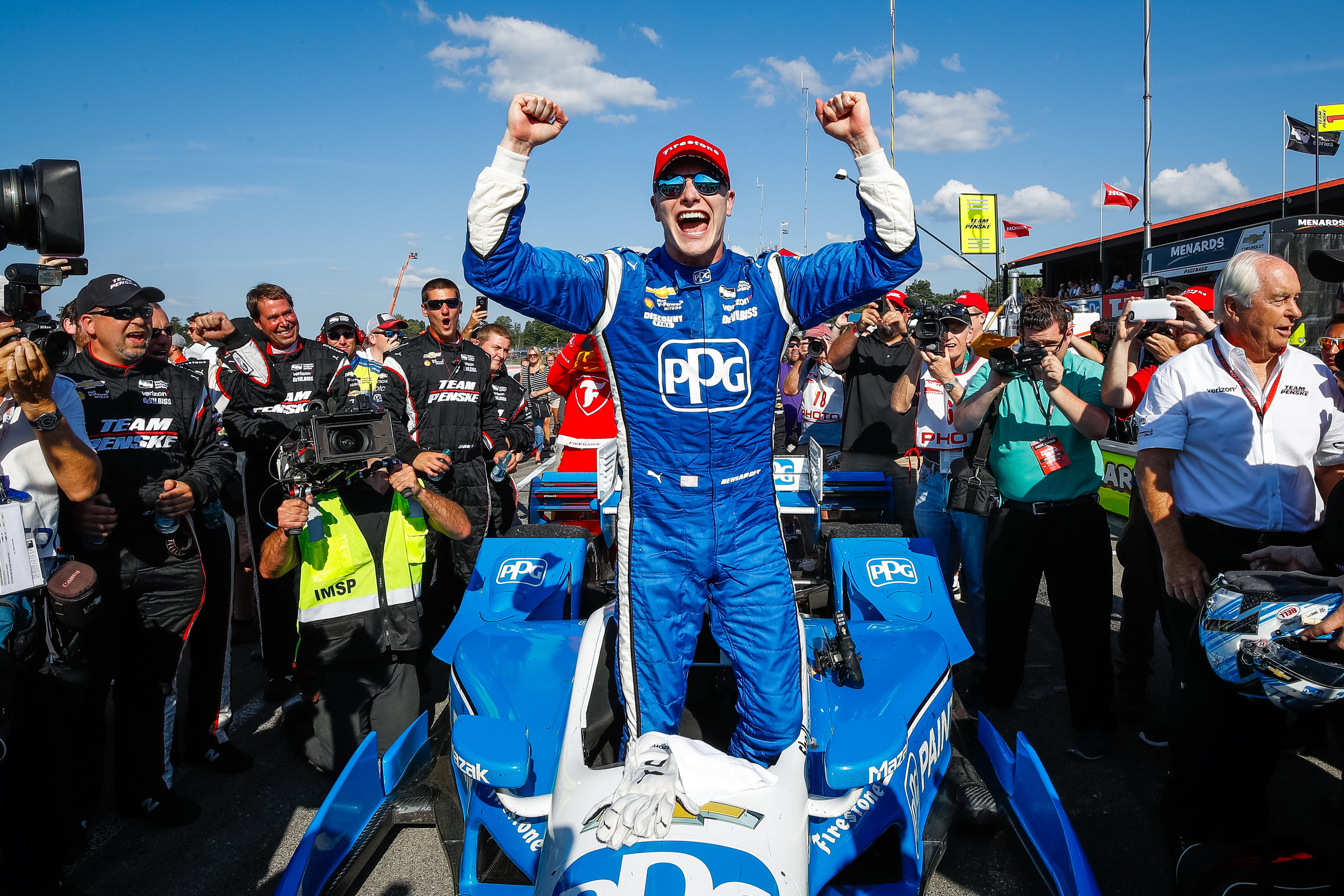
 image courtesy of Pirelli Motorsports