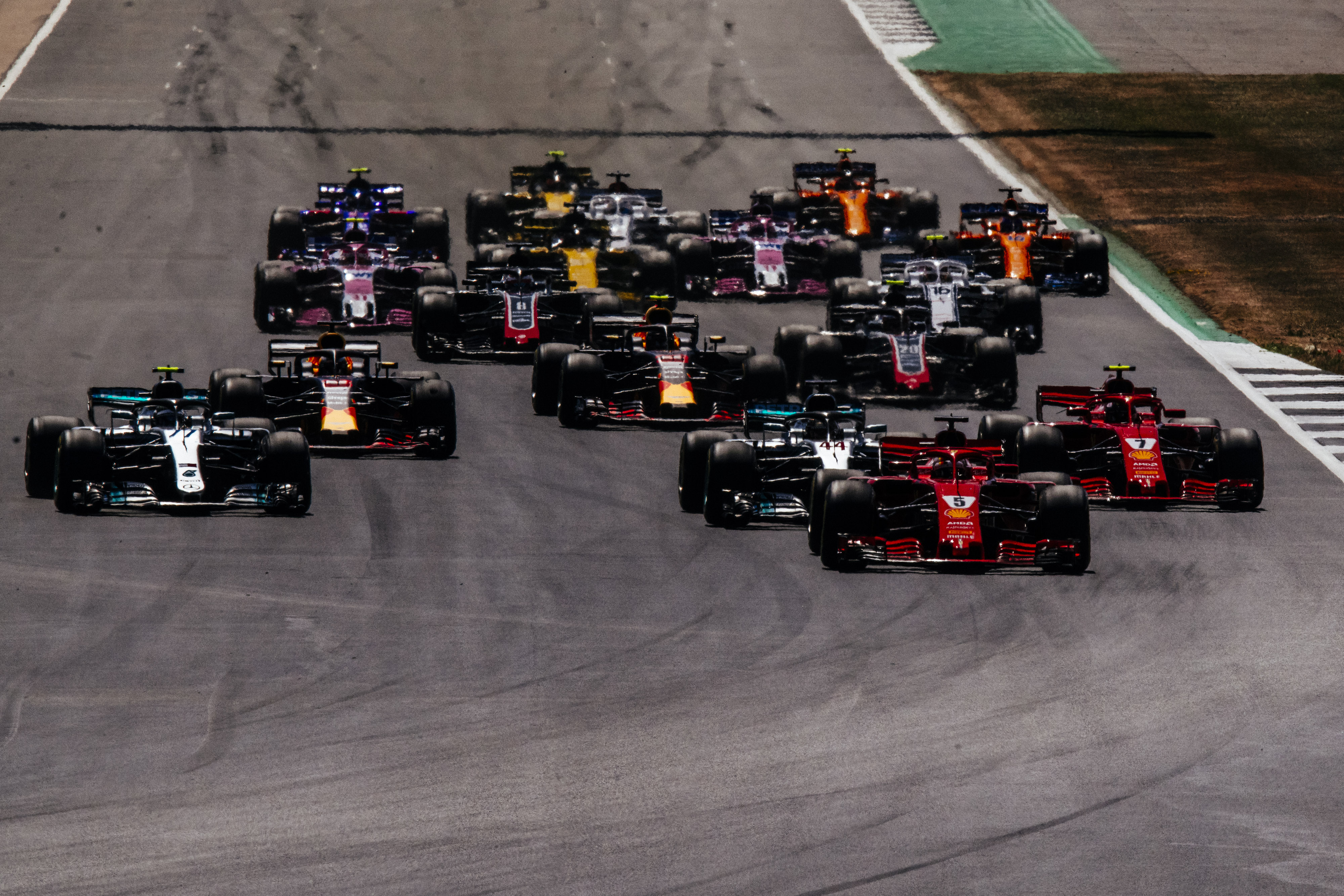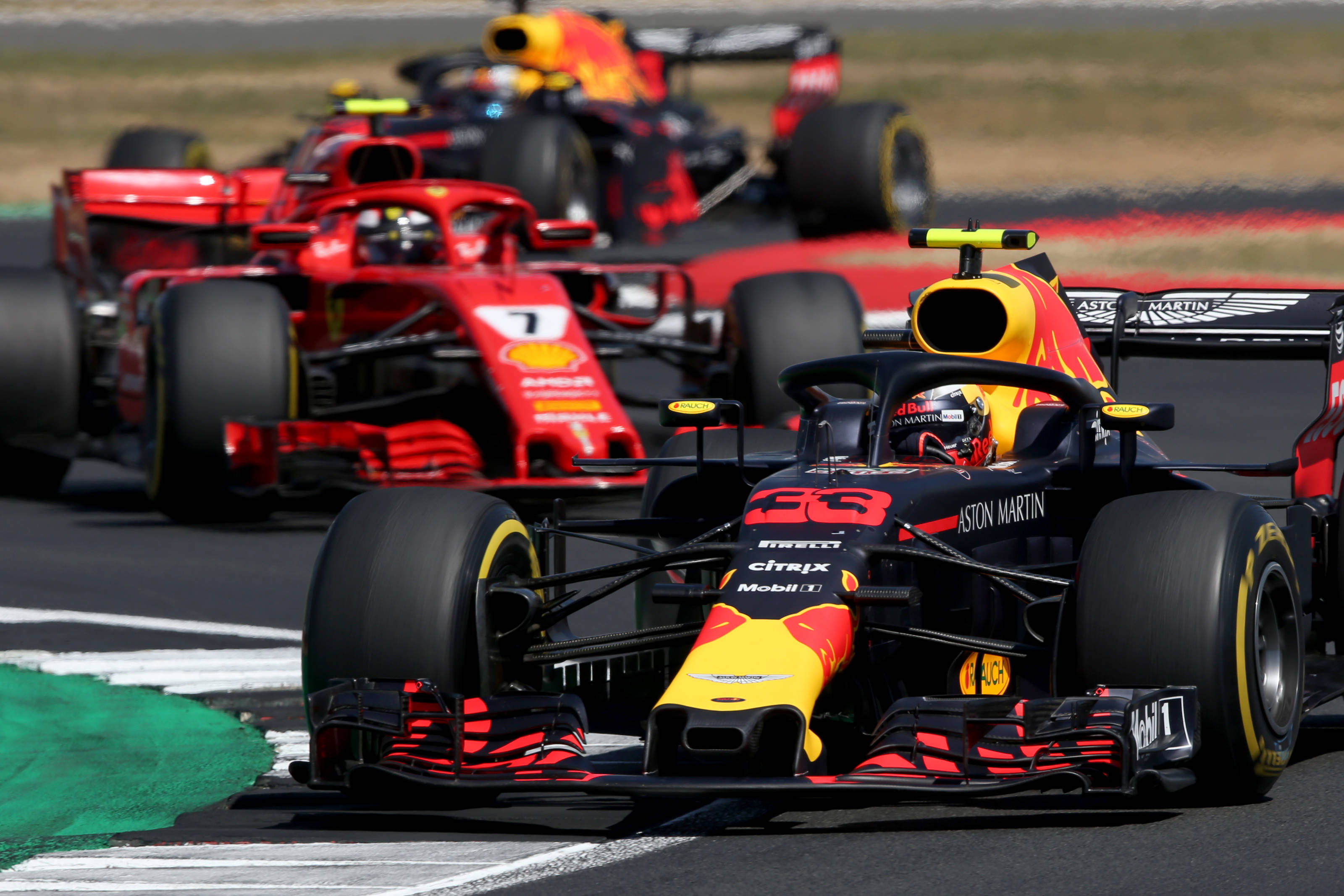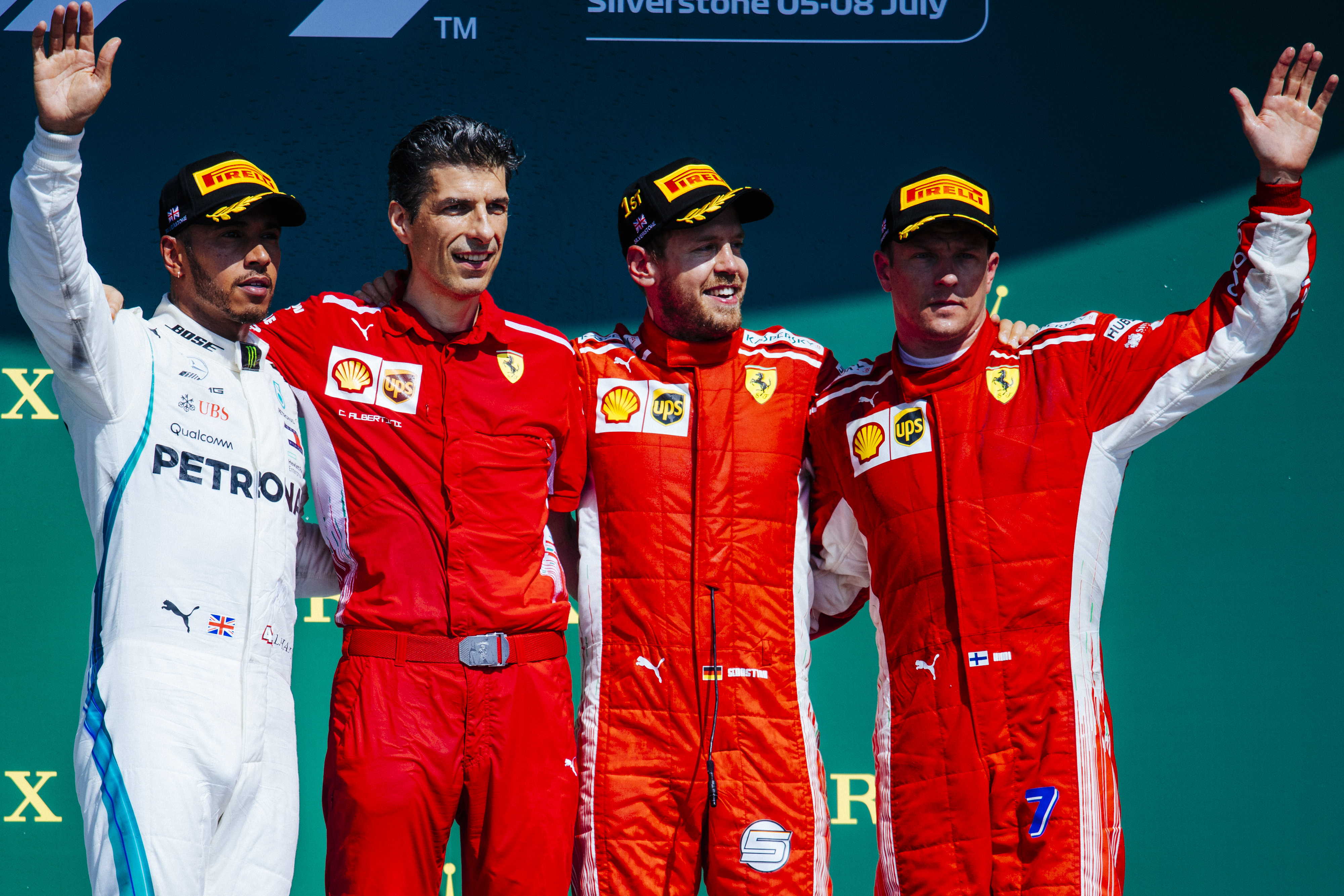
Well, after two wins apiece for Mercedes, Ferrari and Red Bull, the world of Formula 1 descends onto the Ile Notre-Dame of Montreal this weekend.
Circuit Gilles Villeneuve; renamed following the Canadian’s tragic death in 1982, is a 2.7-mile, 14-turn ribbon of tarmac perfection which has become one of the most loved tracks on the circuit by both the teams and drivers due to its high-speed straights and heavy braking zones.
A #CanadianGP moment that never gets old ?@JensonButton's last-lap pass on Vettel after a legendary recovery drive
Perhaps two of those high-octane areas will arrive at the L’Epingle hairpin at Turn 10 and the final chicane at Turns 13 and 14 located at the end of the back straight – adjacent to the infamous ‘Wall of Champions’ – where some of the biggest names of the sport have damaged much more than pride over the years.
However, another area which will undoubtedly provide an abundance of thrills and spills is between Turn 7 and Turn 8, with the FIA opting this year to implement a third DRS Zone.
But of course, with any race, particularly it seems this season – with teams excelling at specific tracks more so than in previous terms – strategy may prove to be king, and this weekend’s rubber will play a significant role within that.
For the second weekend running, Pirelli has opted for the hypersoft compound to be part of the team’s set up; which will be a carbon copy to that of the selection of Monaco a fortnight ago, meaning the teams will be able to run one step softer than last year.
“While Monaco was the first appearance for the new hypersoft, we can almost consider Montreal to be the real debut for this tyre, as Monaco is completely atypical,” Pirelli’s Head of Car Racing, Mario Isola, told F1’s official website.
“The track surface at Montreal is actually quite smooth, but we should still see more than one pit stop due to the combination of the softest tyre nomination that we have ever brought to Canada, and a more demanding track layout than Monaco.
In the past, there has been an extremely wide variety of strategies seen at this race, and the arrival of the hypersoft should now open up those possibilities still further.
In reality, nobody knows exactly how it will perform in Canada in terms of wear and degradation, so the homework done during free practice will be more important than ever.”
Tune into the Candian GP this weekend (8th to 10th of June
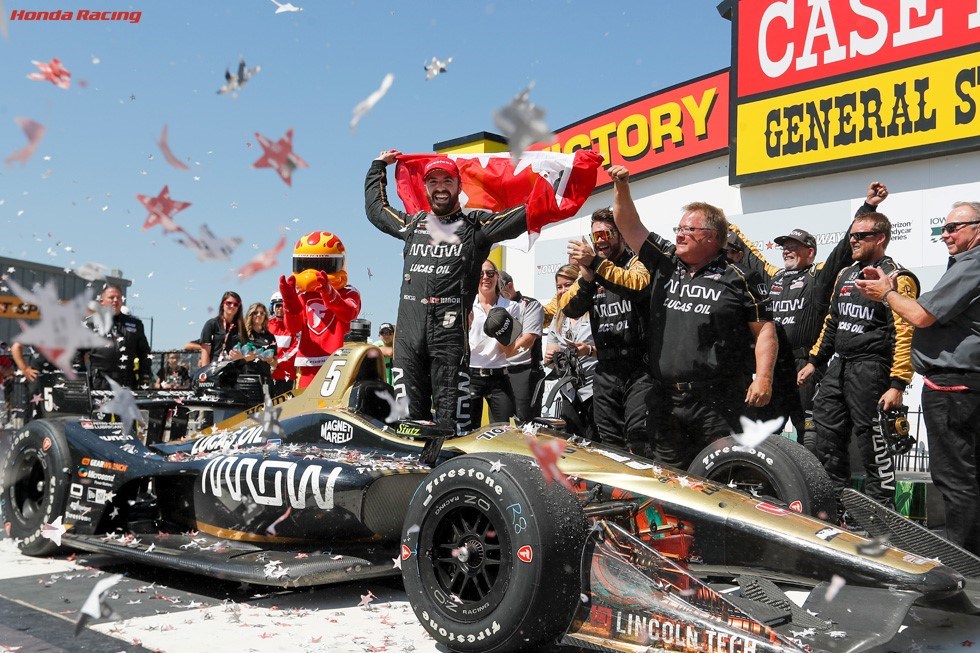
A long-awaited break is just one weekend away from the teams and drivers but first, it’s the night race at Texas Motor Speedway – marking the mid-way point in the season. Last year’s event threw up a few surprises and, if the first half of this season is anything to go by, this race will too!
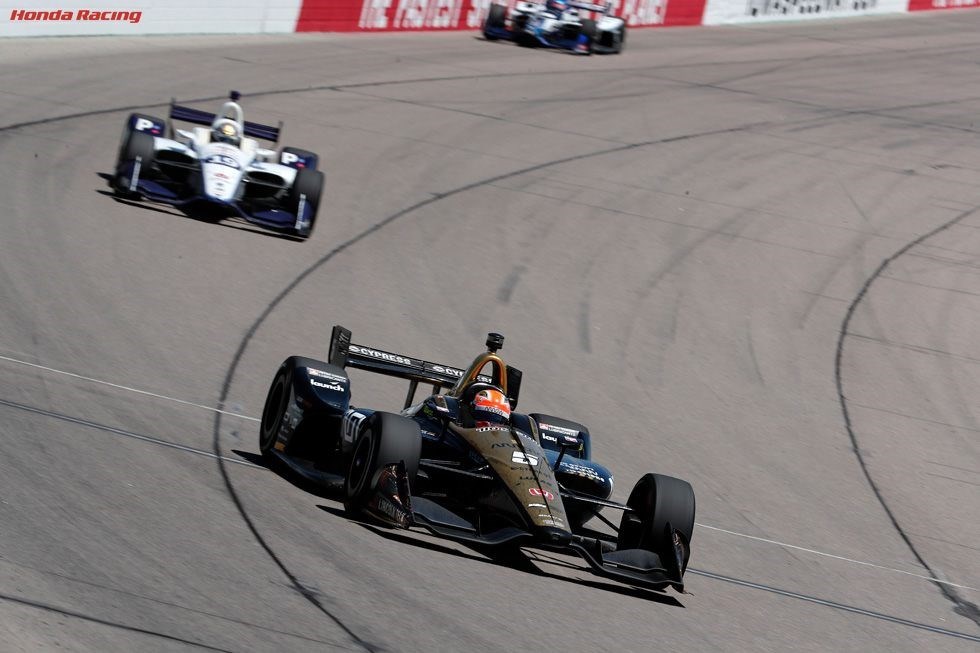
The IndyCar paddock were out for the double-header that is the Dual in Detroit last weekend with the wins being shared between Scott Dixon and Ryan Hunter-Reay. Manufacturers-wise, the weekend was building up to be a Honda whitewash but, while Race 1 comprehensively was, Race 2 saw a resurgence of sorts from Chevrolet in what is still classed as Honda territory. Both Dixon and Hunter-Reay had comfortable runs to the chequered flag with their nearest competitors being some way off, something that will almost certainly not be repeated at Texas.
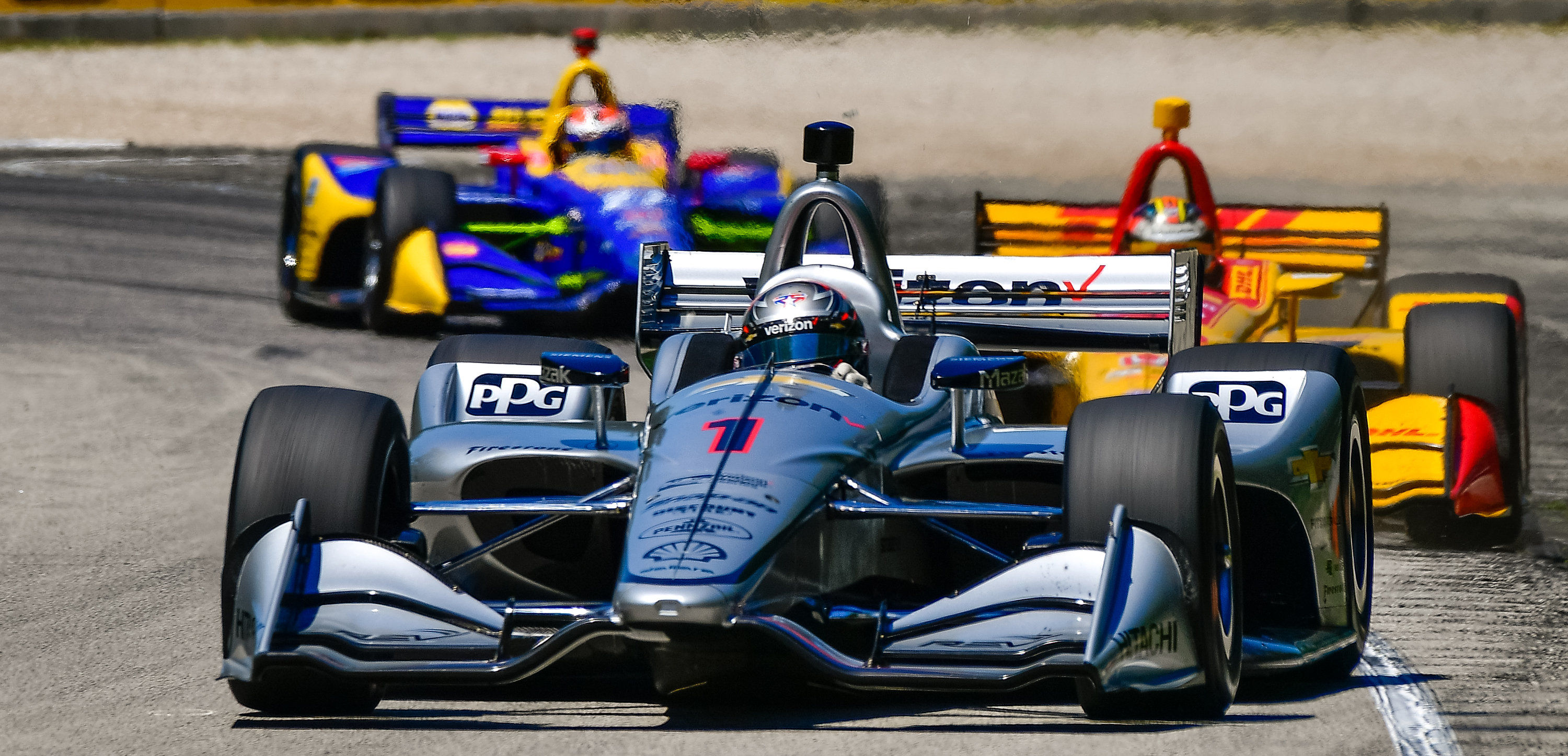
The championship is as tight as ever heading to Texas but, and for the first time this season, there seems to be a breakaway group at the front. Will Power, Dixon and Alexander Rossi are all within 11 points, fourth is Hunter-Reay but he is 31 points off the lead and 20 behind Rossi. The margins are, admittedly, small with a race win being worth 50 points – a gap that all the top 5 remain within. Certainly, Penske don’t look anywhere near as dominant as they did last year, Power may be leading but Josef Newgarden is back in fifth and Simon Pagenaud is only just clinging onto a top 10 position; the universal aero kits have done their job in bringing the field together, whether Penske like it or not.
Moving onto Texas and it was our current championship leader, Power, who took the glory at last year’s event. Only nine cars actually made it to the flag in 2017 and, given 22 started, that’s a very high attrition rate! Charlie Kimball took a surprise pole but his elation was short lived when his race was ended, just 41 laps in, by a mechanical failure. First out was actually Rossi who hit the wall in a single car crash, an incident repeated multiple times by first Helio Castroneves then Newgarden and finally Ed Carpenter. The biggest wreck of the night came on lap 151 when Tony Kanaan nudged James Hinchcliffe into a spin, wiping out seven other cars in the process, including Hunter-Reay and Ed Jones.
The other wreck came just five laps away from the chequered flag when Takuma Sato got on the grass and crashed into Dixon, also collecting Conor Daly and damaging Max Chilton’s front wing. It was a truly wild race that probably won’t be repeated again this year, judging by the difficulty in following seen in the Indy 500.
We’re back on an oval so the usual oval qualifying procedure will apply – single runs of two timed laps in reverse order of the championship standings.
Just the two driver changes for Texas; Zachary Claman De Melo will retake the wheel of the #19 Dale Coyne after Santino Ferrucci got his first taste of IndyCar last time out at Detroit while Ed Carpenter will be in the #20 Ed Carpenter Racing, taking over from Jordan King as he does for all the ovals. Juncos Racing are absent from this weekend, as planned, due to insufficient funding to participate in the whole season so no racing for Kyle Kaiser or Rene Binder.
With the championship starting to take shape and hot up, the races are getting more and more important for the drivers hunting for the crown. A wreck here, while highly plausible, would be a small disaster for any of the title contenders, there’s still time to recover lost ground but that time is starting to run out.
If you’re looking to catch the racing this weekend then the IndyCar streaming channels are your friend as usual with the race being shown on the BT Sport/ESPN channel but, given it’s a night race in America, some of the times aren’t exactly UK friendly…
The British GT series rolls into Silverstone for the longest race of the season just two weeks after the two sprint races at Snetterton.
Aston Martin dominated in the GT3 class with two victories including the #11 TF Sport crew of Mark Farmer and Nicki Thiim in Race One, while Derek Johnston and Marco Sorensen in the #17 Aston held off a late charge from the #99 Beechdean crew of Darren Turner and Andrew Howard in Race Two.
There are fourteen GT3 crews at Silverstone this weekend, with Balfe Motorsport’s McLaren returning this weekend and one-off appearances from Ultimate Speed’s Aston Martin team and another Mercedes in Team ABBA Racing.
Points-and-a-half are on offer in the British GT’s Big One, where five different crews have won five races in 2018, with the #116 Mercedes of Lee Mowle and Yelmer Buurman leading the overall GT3 class by just 4.5 points after a tough weekend in Norfolk.
Like the ERC Sport Mercedes, the second in the championship #33 Barwell Motorsport Lamborghini crew of Jon Minshaw and Phil Keen do not have to serve a success penalty in the first mandatory pitstop.
Such is the closeness of the GT3 category that the top seven crews are separated by less than the 37.5 points available this weekend.
The #99 Beechdean Aston Martin is 12 points behind in third, with the #17 of Johnston and Sorensen and the #11 of Farmer and Thiim following close behind.
The Optimum Aston crew of Flick Haigh and Jonny Adam are still in touch in sixth, while technical issues meant that Iain Loggie and Callum Macleod slipped to seventh in #7 Bentley.
Meanwhile, the GT4 championship race is as closely fought as the GT3 counterparts after Tolman Motorsport’s #56 crew of Joe Osbourne and David Pattison took the spoils in Race One and a dramatic Race Two win for the #42 Century Motorsport BMW of Ben Tuck and Ben Green.
Five different crews have won five races this season, and half a point separates the leading #55 Ginetta crew of Callum Pointon and Patrik Matthiesen leading the #4 McLaren duo of Michael O’Brien and Charlie Fagg.
Academy Motorsport’s Will Moore and Matt Nicoll-Jones are next after three straight podiums and the #42 Century BMW of Tuck and Green.
The Jaguar Invictus’ second batch of wounded, injured and sick armed forces veterans make their British GT debuts this weekend when Basil Rawlinson (2nd Battalion Parachute Regiment) joins Jason Wolfe in the #22 F-TYPE SVR and Paul Vice (42 Commando Royal Marines) teams up with Matthew George aboard #44.
It’ll be a busy weekend for George, who is also registered to race as James Holder’s co-driver in the Generation AMR Super Racing Aston Martin.
George and Holder last contested a full-season British GT programme together in 2016, which ultimately led to David Appleby Engineering – which runs the V8 Vantage – overseeing 2018’s Jaguar project. George will therefore split his weekend between both cars and swap between them during the race, before a lie down after the race.
It was an early start on Sunday the 20th of May, heading up at 6.30am on Sunday for the two-hour trip to the Northampton track. The weather was fantastic, with sunshine and blue skies. Ed Hocknull and I had been invited by Lexus UK to attend the second UK round of this championship that is held in the UK, although this would be the longer endurance three-hour race, rather than the two separate one-hour sprint races held at Brands Hatch.
There were perfect track conditions for the three hour race. – Photo credit, Warren
The team run two Lexus RC-F GT3 cars, numbered 14 and 114. The drivers of car 14 are, Albert Costa, Christian Klein and Marco Seefried, whilst Stephane Ortelli, Norbert Siedler and Marcus Palttala team up in 114. We were given a warm welcome by the team, with VIP passes allowing access to the garage at all times and grid access too.
Emil Frey Racing hospitality – Photo credit, Warren Nel
The first track action of the day was qualifying, which is an hour long. Each driver has to drive the car in qualifying, getting 15 minutes each, with a seven-minute break between each run. This makes for a busy hour when there are 50 cars on track! When all was said and done, the number 14 car was third on the grid, whilst the sister 114 car had qualified seventh. The team were very happy with this result, particularly after topping the timesheets in the second part of the session with car 14, showing that they were starting to find the sweet-spot in the set-up and unlocking the potential pace.
Everyone was watching how qualifying would turn out! Photo credit – Warren Nel
At the start of the afternoon, we were given a garage tour. The BOP or, Balance of Performance was explained. The are so many different cars that run in this championship, that SRO mandate certain things to keep the performance of the cars very close. For example, every team get the same tyres and fuel and then there are also restrictors placed on the inlets for the engines, controlling the power the engine can produce. There are freedoms though and the teams use trick single seater suspension systems.
Garage tour – Photo credit – Warren NelThe poor guy giving us the tour kept getting interrupted by engines revving and wheel gun noise! Photo credit – WarrenThe garage tour continued with a look at the engineers area. – Photo credit, Warren
A pit walk followed the tour, allowing the fans to meet the drivers and teams. The championship definitely welcome fans with open arms, and it’s great to see! After this, we had a delicious lunch at the teams’ hospitality. It was getting close to race time though, and before that was the grid walk. It was super busy on the grid, with the cars coming around from the pitlane, before being pushed to their spots on the grid.
The drivers meet the fans! Photo credit, Warren NelA very fan friendly championship – Photo credit, Warren NelWhat a great looking race car! – Photo credit, Warren NelOn the grid with the team – Photo credit, Warren NelThe number 14 Lexus chases down the 62 Aston Martin. Photo credit, Warren Nel
Race Recap
Christian Klein would be taking the wheel of the number 14 car, whilst Stephane Ortelli would start the 114.
Now after half an hour of racing, the two Lexus were running very well, with Klein in 4th place and Ortelli two places further back in 6th. As the pitstops approached after nearly 50 minutes of racing, the RC-F GT3’s were 6.3 and 9.4 seconds from the leader.
The team had done a very good job indeed. The number 14 Lexus, with Klein behind the wheel pitted, but suffered a slow pitstop. The reason? Well, the team had a failure with a wheel gun slowing down the changing of the tyres.
Ortelli pitted a couple of laps later, and the pitstop was completed without any hitches. All of this meant that the 114, driven by Marcus was now in 5th place, whilst number 14, piloted by Marco was now in 7th.
Lexus 114 approaches the left-right-left before Hangar Straight. Photo credit Warren Nel
Twenty minutes after the pitstops Marcus passed the number 4 Mercedes, and then quickly closed on the number 62 Aston Martin which had Alex Brundle behind the wheel. On lap 51, Alex made a mistake and slid wide in the left-right-left and this allowed Marcus to get alongside the Aston and then make the pass into third place down Hangar straight!
With an hour and five minutes to go, Marcus pitted and handed 114 over to Norbert. It would be down to him to bring the car to the chequered flag. A lap later and Marco pitted and Alberto Costa took the wheel of the number 14 and re-joined in 8th place. He started setting some very fast sector times, looking to move up some places.
Lexus RC-F GT3 – Photo credit, Warren Nel
On lap 69, Albert Costa passed the Strakka Racing number 43 Mercedes for 7th place. He was just two seconds behind the 62 Aston Martin now. Just thirty minutes remained in the race.
With just twenty minutes left, Costa was dropping back a little, with the 43 Mercedes getting closer and behind that, the 72 SNP Ferrari closing on the Merc.
Meantime, the 114 was holding its own, 22 seconds from 1st place, but the number 1 Audi was within 1 second of the Lexus. Drama though for the number 14 car which ran wide at Aintree on lap 75, giving the 72 Ferrari 7th place. Just six minutes remained now, and the battle was on for the final spot on the podium between 114 and 1! With less than 4 minutes remaining the 114 Lexus was still in 3rd place! The team were looking at their first podium finish!
The number 114 Emil Frey Racing Lexus RC-F GT3 chases the number 4 Mercedes – Photo credit, Warren Nel
Coming into the loop near Silverstone six stand, the number 1 Audi got a run and was starting to get alongside the Lexus, but he ran wide, giving Norbert a breather! It was enough! They’d done it! Further back number 14 had lost another place unfortunately, crossing the line in 9th place. The team had definitely done a very good job to improve the car, allowing them to fight at the front.
Nerves were high in the garage as the final minutes of the race counted down. Photo credit, Warren Nel
We all headed down to the end of the pitlane to watch the podium, which was their first ever in the Blancpain championship. The trophies were handed out and then it was the time-honoured tradition to spray the champagne!
The top three celebrate on the podium – Photo credit, Warren NelStéphane Ortelli, Norbert Siedler, Markus Palttala, hold their trophies aloft! Photo credit, Warren Nel
It was now time to go home, but first we visited the team garage and watched as the team all celebrated their great result!
Finally, I’d like to say a big thank you to Matt at Lexus/Toyota and Emil Frey Racing for the invite. Ed and I had a fantastic time, with a really friendly team.
In 2016, it was hard to imagine that ‘silly season’ could get any sillier: Jorge Lorenzo signed for Ducati, Andrea Iannone was dropped in favour of Andrea Dovizioso to accommodate the Spaniard and Aleix Espagaro was dropped by Suzuki to make space for then Moto2 star Alex Rins. Step forward, 2018.
From the beginning, it was going to be bizarre. It all started in January when Movistar Yamaha announced Maverick Vinales for 2019 and 2020, before the 2018 season had even begun. Pramac Ducati got in early, too, by announcing Moto2 title contender, Francesco Bagnaia, as one of their pilots for the next two years, again before 2018 had gotten underway. Later, Danilo Petrucci confirmed that this year would be his last in the Pramac team, as he looked for a factory ride. There was an option for Petrucci at the factory Ducati squad, but was the Borgo Panigale marque really going to let its star Spaniard go in favour of the winless Petrucci? Well, as things went from bad in Qatar to worse in Argentina, to still pretty awful in Texas for Jorge Lorenzo, things started to go Petrucci’s way, and a podium in Le Mans when Lorenzo managed only sixth place only helped the Italian’s case.
Andrea Dovizioso, has a new team mate for 2019. Image courtesy of Ducati
But even if Lorenzo was out, would Ducati pick Petrucci over their newly-signed-for-2018 Jack Miller, who had shown good pace and a lot of promise on the Pramac GP17? Maybe they wouldn’t pick any, some thought Andrea Iannone would slot back in alongside Dovizioso after his back-to-back podiums in Texas and Jerez aboard the factory Suzuki which it was clear he would be leaving at the end of the year when Joan Mir came into the equation.
Back to the Lorenzo/Ducati side of things, and a win last weekend in Mugello amidst strong rumours of a return to the Yamaha M1, but in a so far unnamed satellite team, allowed people to consider the possibility of the 99 remaining in Ducati. Lorenzo and Ducati both pretty much categorically denied the chance of him remaining in red next season, just hours after they had finally found the harmony they had been searching for over the last eighteen months. So where would Lorenzo go? And who would replace him?
Well, everything, as I mentioned, was looking to a Yamaha for next year, in a satellite team with Petronas, the Malaysian oil firm, as the backers, and Franco Morbidelli as the teammate. Even things in the factory team seemed to suggest that it was a possibility, with Lorenzo’s old Yamaha crew chief, Ramon Forcada, reportedly being cast out of Maverick Vinales’ crew at the end of the year, or maybe sooner after the Spaniard raised concerns about the working methods inside his side of the Movistar Yamaha garage. Together, Forcada, Lorenzo and the M1 took three MotoGP World Championship titles, and a reunion would surely offer the opportunity for more.
Dani Pedrosa. Image courtesy of hondaproracing
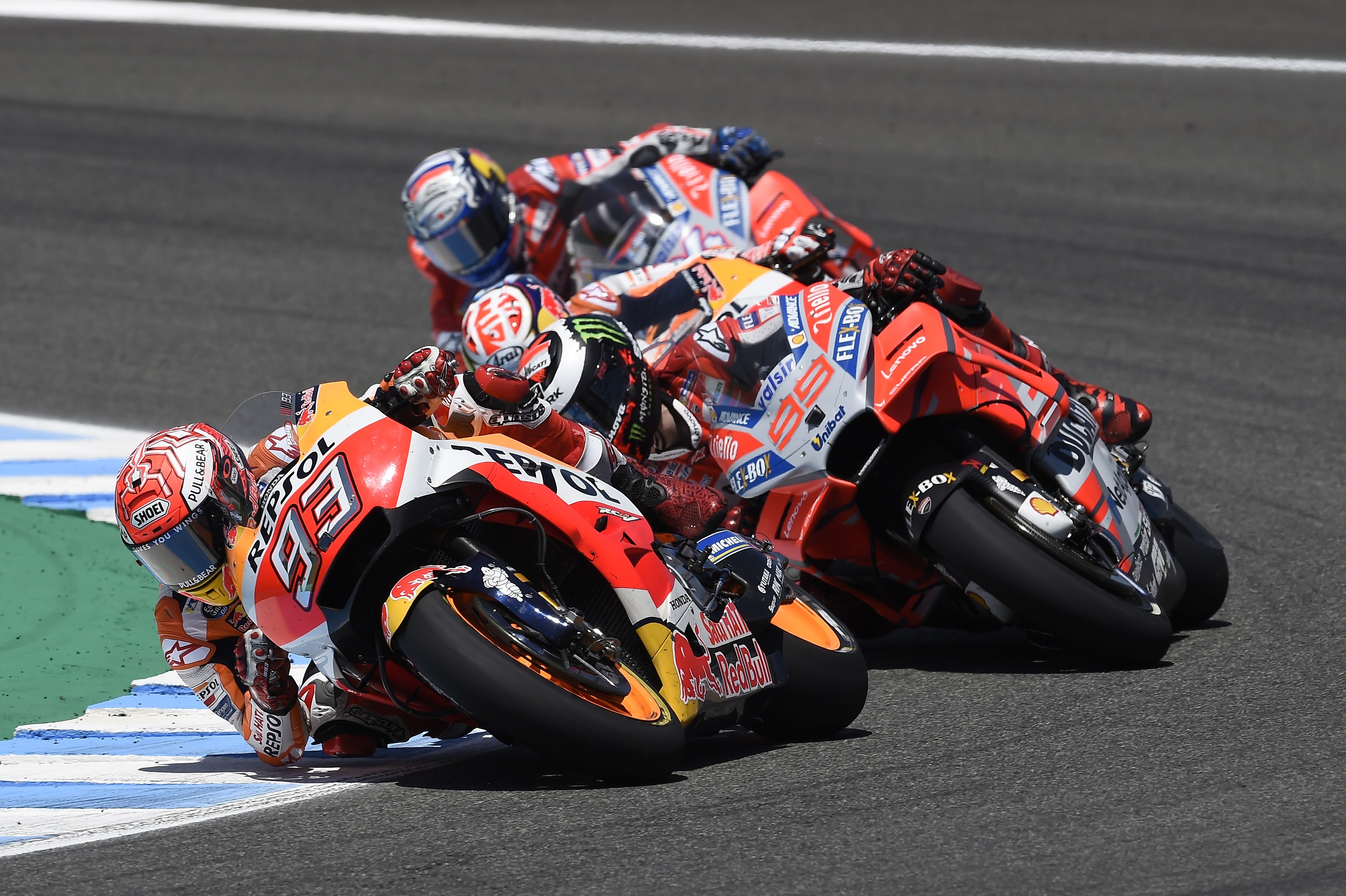
But when HRC announced on Tuesday that Dani Pedrosa would be leaving the Repsol Honda outfit at the end of the season, there was suddenly, seemingly, the combined weight of the universe behind the move of Jorge Lorenzo to replace the number 26 inside the factory Honda team.
Pedrosa leaving Honda was a kind of unsurprising surprise. Dani and Honda had been together for eighteen years, and over those eighteen years it has become increasingly more difficult to see the two parting ways, especially because it is difficult to find someone who could do the job of “Marc Marquez’s number two” as well as Dani Pedrosa, even if his height and weight often work against him. On the other hand, Alberto Puig, who took over as team principal from Livio Suppo over the winter, does not like Dani Pedrosa. In fact, the two dislike each other quite a lot, ever since a falling out a few years ago led Pedrosa to sack Puig as his manager. As a result of Puig’s assumption of a top role in the squad, it has been reported for some months that Pedrosa would be out of Honda at the end of the year, and so it has come to be.
And so it has come to be that Jorge Lorenzo will replace him. It’s a bizarre move, and one that many might have dreamed of, but few actually believed would ever happen. Lorenzo has struggled for one-and-a-half years on the Ducati, trying to get it to work for his super-smooth, very efficient and quite laid back riding style. He finally achieved that in Mugello, but the widely accepted assumption of MotoGP is that Jorge Lorenzo could not win on a Honda. Whilst the Desmosedici simply won’t turn, the Honda will try to dismember the pilot should they disobey a direct order. Even the immense ability of Marc Marquez struggles to tame the RC213V at times, and you only have to take a look at the size and shape of Marquez to understand the physicality involved in riding the Honda to its limits.
One thing you might say Jorge Lorenzo does not have is vast amounts of physical strength, especially not in the upper body. Jack Miller has commented that he has lost a lot of weight from his upper body this year because, where he was steering the Honda with his arms, he is making the Ducati work with his legs. This would be a big change for Lorenzo, who has moved from the least physically demanding bike on the grid, to one which is still comparatively non-physical compared to the Honda – and Lorenzo is not known for high intensity training regimes.
Even if the physicality of the RCV proves to be little, if any, barrier to Lorenzo’s success, there are three other major factors which could prove problematic in this move for the Spaniard.
MotoGP 2018: Round Four – Jerez, Spain. Marc Marquez sliding past the apex. Image courtesy of Hondanews.eu
The first is the bike’s characteristic. Apart from being by far the most physical bike on the grid to ride, even this year where it has improved a lot, the Honda has another big characteristic which many assume will hinder Lorenzo. The bike likes to stop, and then it likes to go. Marc Marquez has made all of his time up, since he came to MotoGP, on the brakes, and this only increased in 2015, ‘16 and ‘17 when he had a motor which would not accelerate. He couldn’t get onto the straight fast, so he had to get off it fast. In 2015, this cost him the championship because he crashed too much trying to make up time on the brakes. In the years since, Marquez has worked out when it is necessary to push the limit on the front, and when it is not; when he can, and when he can’t. In comparison, Dani Pedrosa does not push the limit of the front on every single corner, on every single lap, because he does not have the confidence to do so, and instead of leading the championship by twenty-three points after six rounds having scored three wins and a further podium [which Marquez his team mate is], Pedrosa has scored no podiums, and no wins this season. Pushing the front on the Honda is crucial – if you cannot do that then you will struggle to win. Jorge Lorenzo does not like to push the front in the braking zone to get the bike stopped, turned, and then fired out; he likes to roll through the corners in that wonderful 250 style of his with high apex speed and a lot of momentum.
Since the Ducati does not like to turn, Lorenzo has had to adapt his style into something more similar to that of a typical MotoGP rider, running higher entry speed and stopping the bike more in the middle of the corner. But he has been able to do that with Ducati because the bike has good braking stability, something the Honda does not have. You can see this with Marquez, who, whilst winning races, is sliding the front tyre into every corner, still trying to make up time on the brakes, but skating the tyre in such a way that it makes the bike turn. He is on the verge of crashing in every corner, but he knows how to avoid it. If Jorge is to win on the Honda, it might be the case that he has to learn the same lessons as Marc, that he has to learn how to be on the limit with the front in every braking zone to make lap time. Given how difficult it has been for the Mallorcan to adapt to the Ducati, it is hard to see this happening, but it is not impossible.
Andrea Iannone ahead of Valentino Rossi. Image courtesy of suzuki-racing.com
Of course, there is one obvious way for Jorge to not have to ride the bike like Marc. That way is to make the bike his, or make the bike like a Yamaha, essentially. There is little reason to suggest he will be able to do this, but there is the theory that Marc Marquez is not such a dab hand at developing a motorcycle and, well, he’s only been in Grands Prix since 2008 and MotoGP since 2013 – he is 25-years-old, so who can blame him for not being a great development rider? Anyway, together with this is the letting go of Pedrosa by Honda, which leaves the hole of a development rider to be filled, assuming that that was one of Dani’s roles in the team. Honda’s other choices for this role were Joan Mir, a Moto2 rider; and Andrea Iannone, who tends to crash a bit and does not give the impression of someone who is a development expert. Lorenzo, therefore, fits the bill fairly nicely. This creates a problem for Honda, though, at least in the relatively short-term. If Jorge Lorenzo is given the job of developing the motorcycle, he will turn it into an M1, which will be something opposite to what Marc Marquez wants. Marquez wants, is pretty much, what he has currently: something which he can fire into a corner, and which is ready to fire him out of said corner when he is ready. Lorenzo wants what he had at Yamaha, something which has reasonable power, reasonable acceleration, reasonable braking stability, but most importantly has an amazing chassis which can roll through a corner with little weight on the front tyre whilst holding high corner speed and a lot of lean angle. Now, the major obstacle of making Jorge’s dream a reality in Ducati has been that the bike, for millennia, has not turned, not at all. In Honda, the obstacle is a different one.
The obstacle in Honda is not that the bike turns, but that it turns violently. This violence is what Lorenzo would need to cure to make the RC213V his own. But the things which make it violent are the things which allow Marquez to be so fast, such as the incredibly short wheelbase which allows for very good, quick, rotation in the middle of the corner.
MotoGP 2018: Round Five – Le Mans, France. Marc Marquez. Image courtesy of Hondanews.eu
So herein is the problem for Honda: listen to Jorge and develop the RC2(50cc)13V, or listen to Marquez and potentially end up in the same hole they have just dug themselves out of. Baring in mind that a middle ground wouldn’t really work for anyone, somebody will be disappointed.
That somebody will likely be Lorenzo, which is problem number two. Marc is Honda’s golden boy, and well he might be, with four titles in the last five seasons, two of which have been on subpar machinery. Why would Honda listen to Lorenzo over Marquez for development direction? To go down the path of supporting Jorge fully would mean an almost 180-degree switch in design philosophies, whereas continuing to support Marc would lead to (pretty much) guaranteed titles and little-to-no change in design philosophy. Either way, on the face of it the decision for Honda is a difficult one, especially because of how much they are likely to be paying Lorenzo.
However, there is the another way to look at this signing by HRC; as merely a tactical one, in that they are taking away one rival from Marc Marquez. Honda are not stupid, they know that on an M1, Lorenzo can fight for the title, but Lorenzo on an RC213V is an unknown quantity, and likely a weaker one than the alternative (Lorenzo with Yamaha). So, maybe Honda were just trying to make the next two World Championships just a little bit easier for Marquez to win – although anyone who discounts Maverick Vinales, Valentino Rossi or Andrea Dovizioso is asking to be made a fool. With better luck Dovi could have just be nine points behind Marc, Maverick Vinales proved at the beginning of last season that he has the potential, when the bike is working how he wants it to, to dominate the field, and over the last twenty three years one lesson which has been learnt is that Valentino Rossi will always be in the mix, last Sunday was a prime example of that.
The third major problem for Lorenzo is that he will have to beat Marc Marquez on equal machinery. That has only happened a handful of times, and by people either better suited to the Honda or more accustomed to its behaviour. Whichever way you look at it, this is a huge risk for Lorenzo, but if he pulls it off he will leave fans with no choice but to accept him as one of the greatest motorcycle racers of all time.
Danilo Petrucci, Valentino Rossi, Andrea Dovizioso. Image courtesy of Ducati
Of course, Lorenzo’s departure indeed left a gap to be filled at Ducati. They chose Danilo Petrucci, the safe bet. Petrux(Petrucci) has been riding the Desmosedici since 2015, and is well attuned to it, and to the factory. Miller was an option, but remaining inside the vibrant, relaxed atmosphere of the Pramac team next year on factory-spec machinery should give the Aussie the platform he needs to prove why he deserves to be in the factory team from 2020. It is also worth pointing out that Petrucci’s deal is only for one year, so Miller heading to the factory squad in 2020 is definitely a possibility. In the meantime, though, you have to hand it to Petrucci – if you had said to someone in the paddock back in 2012 when Petrucci was at the back of the grid on the Ioda-Suter CRT bike, having come from European Superstock straight to MotoGP, that he will be riding a factory Ducati in seven years’ time you would have been laughed out of meaning, but Danilo has put the work in, especially since he was picked up by Pramac in 2015, and got his just rewards. He has been fortunate, too, because if he didn’t get the Ducati ride, he would have been fighting against Iannone for the second slot at Aprilia. And, of course, there is no reason to assume that Jack Miller is as good as guaranteed already for the 2020 factory Ducati seat, Petrucci has been signed because Ducati think he can do a job involving winning races and, presumably, fighting for the championship. He will have the personnel next year to go with the machinery to allow him to achieve those targets, then he just has to do it.
So, what about Suzuki? Well, this is where it gets tricky. Dani Pedrosa is available, and they have one bike left, with Rins signed for the next two seasons already. They have one option other than Pedrosa, and it is widely accepted that they have taken this option, and that is Joan Mir. It is hard to believe that Suzuki would turn down Pedrosa in favour of Mir when they already have one young talent in the shape of Rins, who has already started to give them results, much as Maverick Vinales did in 2016. But Rins cannot be expected to be a team leader, surely, he will be only in his third season in the premier class, and let’s remember that Rins’ first season in MotoGP was plagued, in the first part, by injury. Adding Mir to the team will make it very hard to develop the bike, and they could find themselves getting lost next year, especially if they have no concessions, which, judging by the pace they’ve shown so far this season, they won’t have. On the plus side (if they have done or do sign Mir), any success is heightened as a result of lowered expectations and anything disappointing can be cast aside with the affirmation that their riders are inexperienced as well as the bike’s infantility.
So, with Mir almost certainly in Suzuki, that leaves Pedrosa with either: the second Tech3 KTM ride, the second Aprilia ride, a satellite Ducati or one of the satellite Yamahas. Apart from it doesn’t, because Hafizh Syahrin has been confirmed to be staying with Tech3 for their switch to KTM next season, so that door is firmly shut. Next, Aprilia. Again, unlikely, because Andrea Iannone looks a shoe in for this ride, which is a confusing one, somewhat, but we’ll discuss that later. A satellite Ducati? This is Dani Pedrosa, he doesn’t need to be battling for fifteenth. So, a satellite Yamaha it is, then, right? Well, maybe not. Apart from Pedrosa’s presumed loyalty to Honda potentially getting in the way of him moving to Yamaha, there is one other, pretty major, factor: there are no satellite Yamahas. As yet, the Iwata factory have not signed anyone to field the third and fourth M1s for next season, which is a little bit important – if there are no bikes you can’t ride them. The cut-off for Yamaha to sort out whoever is going to field their satellite bikes, if anyone, for 2019 is the end of June. Pedrosa announced that he will give further updates on his future in Barcelona. So, if Dani Pedrosa starts talking in the Montmelo press conference before anything about satellite Yamahas has been mentioned, expect to be saying goodbye to the ‘little samurai’ in Valencia this November.
Andrea Iannone on the grid at Mugello. Image courtesy of suzuki racing
Back to the Iannone to Aprilia situation; it is confusing, Why? Well in part, it is confusing because Aprilia have complained that Aleix Espargaro is not a good development rider because he does one hot lap, gritting his teeth, and then doesn’t understand how he went so fast, whereas their current second rider, Scott Redding, provides good information but they can’t do anything with it because they have no money and no resources. Furthermore, they have already signed Espargaro for 2019 and 2020, meaning it’s Scott Redding against Andrea Iannone, realistically, for that second seat. The factory favour Iannone, mostly because he looks a lot faster right now than Scott Redding, but like Aleix, Andrea is perhaps not the greatest development rider. It could be a dangerous path which Aprilia are venturing down. But the move would be a little bit weird for one other, for a very simple reason: Iannone deserves better than Aprilia. Admittedly, he did himself no favours by only half-arsing most of last season, but he has proven this year that when he is comfortable with the bike he can be incredibly fast – it is a shame he gave Suzuki a reason to sack him. Equally, we saw in his Ducati years that when he is in an Italian team, Iannone can flourish, so perhaps this could work well for The Maniac. Of course, it is yet to be confirmed, but it is likely to happen.
If it does, and Mir is confirmed in Suzuki like the majority of people expect, that is all of the factory seats done and dusted. What then is left is the two Angel Nieto Team bikes, the second Avintia Ducati – Xavier Simeon already has a contract with them for next year- and the two Marc VDS bikes, or whatever they become next year.
And if Iannone does go to Suzuki, Redding will most likely be off to World Superbike. His fellow Brit, Bradley Smith, will probably retire, because he doesn’t want to go to World Superbike and there does not seem to be much interest in him from any of the MotoGP teams with seats left available. Franco Morbidelli’s future is uncertain thanks to the instability currently engulfing the Marc VDS team, but if satellite Yamahas become available there will likely be a big push to get the reigning Moto2 World Champion aboard one of them. Karel Abraham and Alvaro Bautista are both supposedly in talks with World Superbike teams, although the recent form of Bautista (three top tens in the last three races) may have helped to secure his Grand Prix future. Tito Rabat has had a great year so far, and it would be a surprise (and a shame) to see him dropped from Avintia. But, in addition, the current form of Lorenzo Baldassarri in Moto2, could well be catching the attention of some MotoGP teams and, again, if the satellite Yamahas become available expect a big push from VR46 to get their man aboard one of them.
There is still a reasonable amount to be decided for next year yet but the revelations of the week following the Italian Grand Prix have brought all-new levels of intrigue and anticipation for 2019.
The Formula One circus will soon begin its busiest period of the year, with the prospect of four races in five weeks looming on the horizon, kick-started this weekend by the Canadian Grand Prix.
On the face of it, it would seem that there is no greater contrast on the calendar than the jump from Monte Carlo to Montreal. The former is known for its slow speeds where downforce is king, whereas the latter boasts one of the highest average speeds of any race on the calendar, with 45% of the lap spent at full throttle. There are, however, more similarities than you might think. Like Monaco, Canada has areas where there is virtually no run-off with the walls only a whisker away. Controlled aggression is the name of the game, and any small mistake could prove extremely costly.
Red Bull arrive at the Circuit de Gilles Villeneuve off the back of a strong showing in Monaco. Yes, Max Verstappen may have binned it in FP3 but he was the source of the most overtakes during the race, and you could not fault Ricciardo for his race-winning performance up front.
Unfortunately, it is likely that the Australian will be receiving a grid penalty after his MGU-K failure during that race. Each driver is only allowed two MGU-Ks per season, and Ricciardo has already used up both of his. Using a third merits an automatic ten-place grid penalty. Furthermore, he has also used up his allowance of batteries and control electronics, which would mean an additional five-place penalty for each should they have to be changed as well.
Red Bull have in recent years gone better in Canada than perhaps would have been expected of them, given their Renault power unit’s deficiency to both Mercedes and Ferrari. Last year, for instance, Ricciardo finished P3 ahead of both Ferraris and both Force Indias, and Canada is of course the place where he scored his first F1 victory back in 2014.
It is arguable that this is a must-win race for Ferrari. Lewis Hamilton has a fourteen-point gap to Sebastian Vettel in the championship, and the next few races are probably more suited to the Silver Arrows than the Scuderia. Ferrari haven’t taken the top step of the podium since Bahrain back in early April, and it was at this point in the season last year that things began to slip away from them.
A single podium, in 2016 courtesy of Sebastian Vettel, is the highlight of the team’s trips to Canada in the hybrid era – surprisingly, even Red Bull have more podium finishes than that – although it is worth noting that in 2017 Vettel managed to recover to P4 after dropping to the back of the grid when contact with Verstappen on lap one broke his front wing.
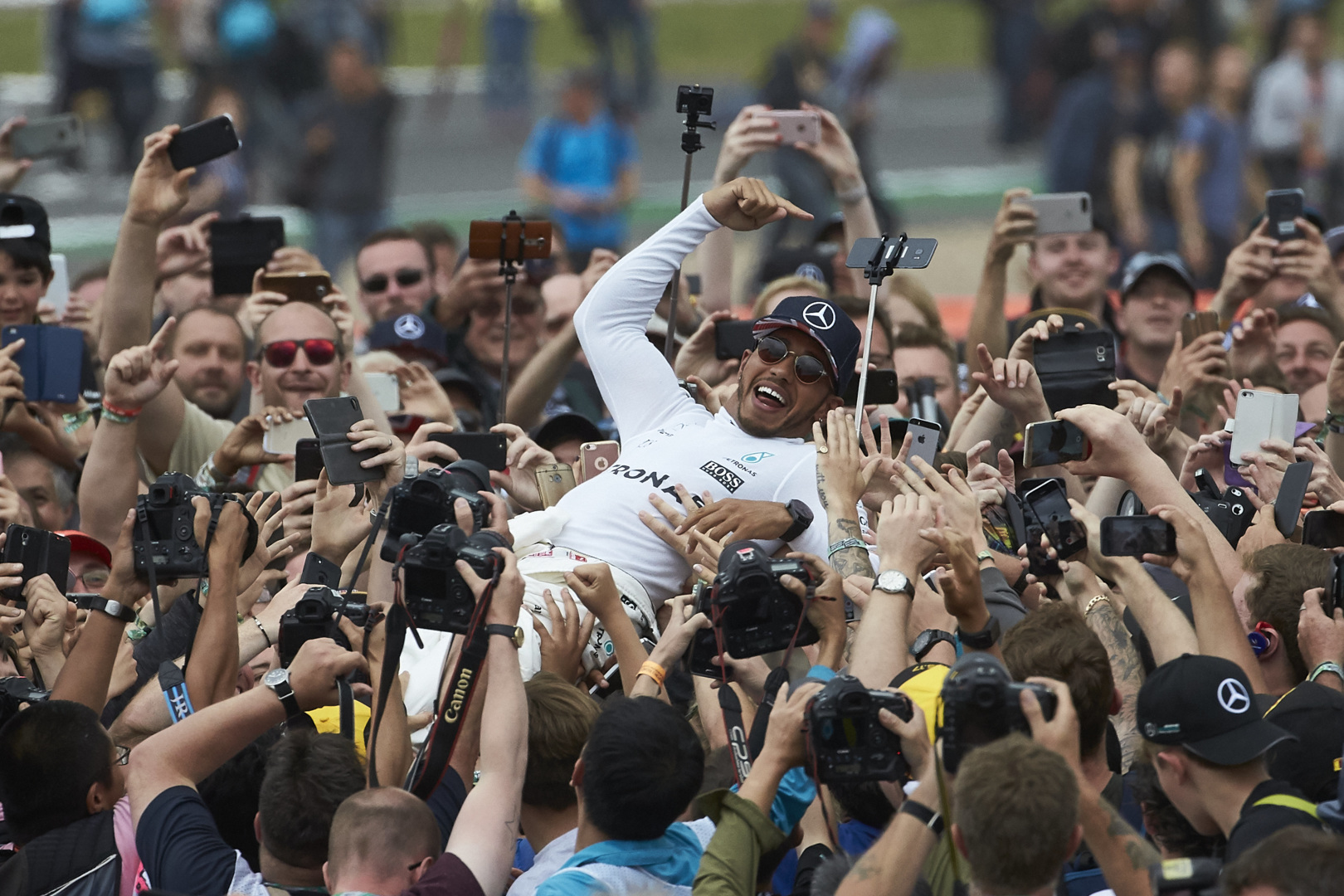
If there has been one constant in Canada in recent years, it’s that this is Mercedes’ race to lose. There has only been one Canadian Grand Prix since the hybrid era began – the aforementioned race in 2014 – that Mercedes have failed to win. This is one of Lewis Hamilton’s best tracks on the calendar – he won the race in 2010, 2012, and every year between 2015 and 2017 inclusive – and it was here last year that he matched Ayrton Senna’s record for the number of pole positions claimed.
Team-mate Valtteri Bottas also has good history with the track. He finished on the podium twice when he was racing for Williams, and also last year in his first year with Mercedes. He also qualified an amazing P3 in his rookie year in 2013, in a car that only finished in the points once in the entire year.
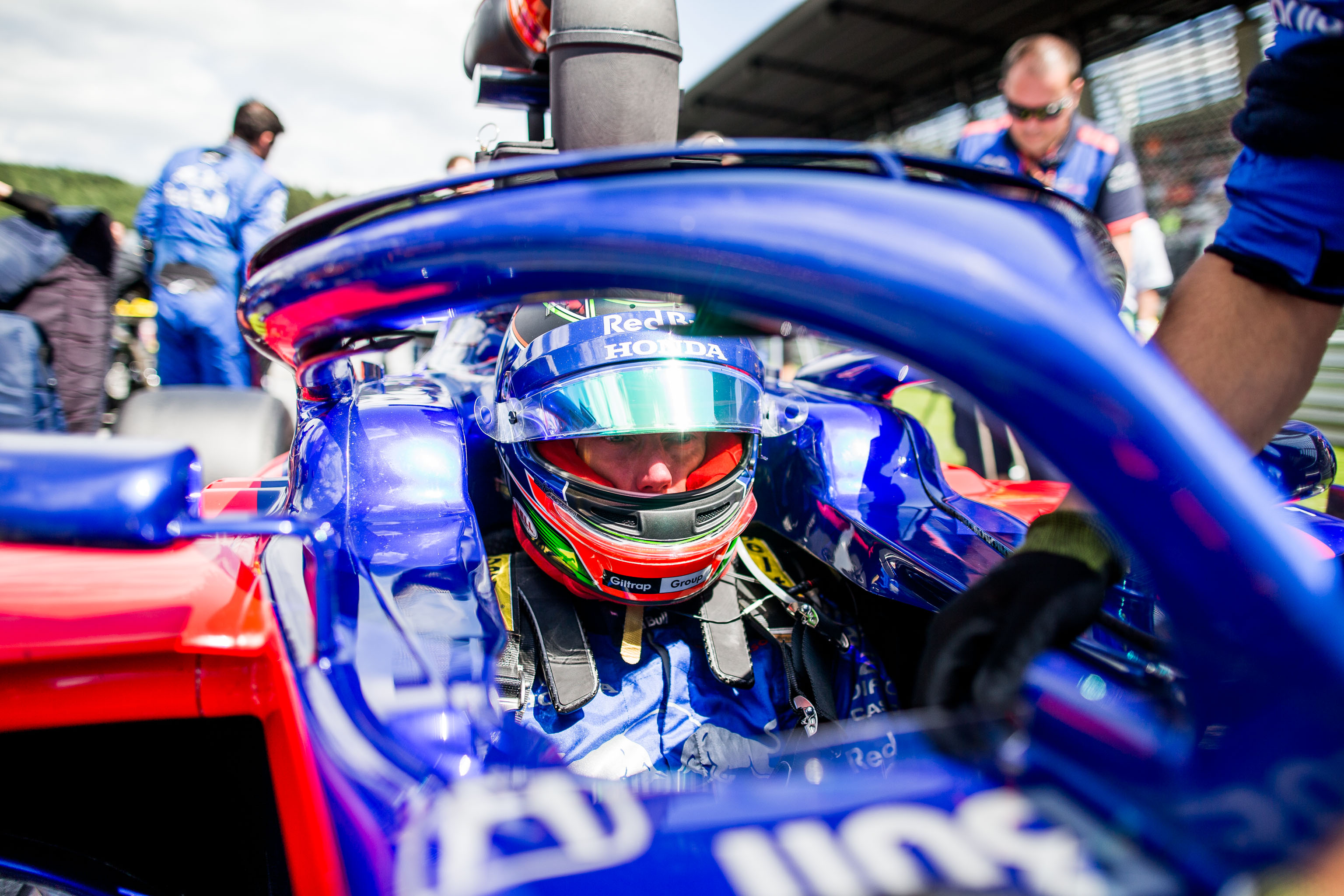
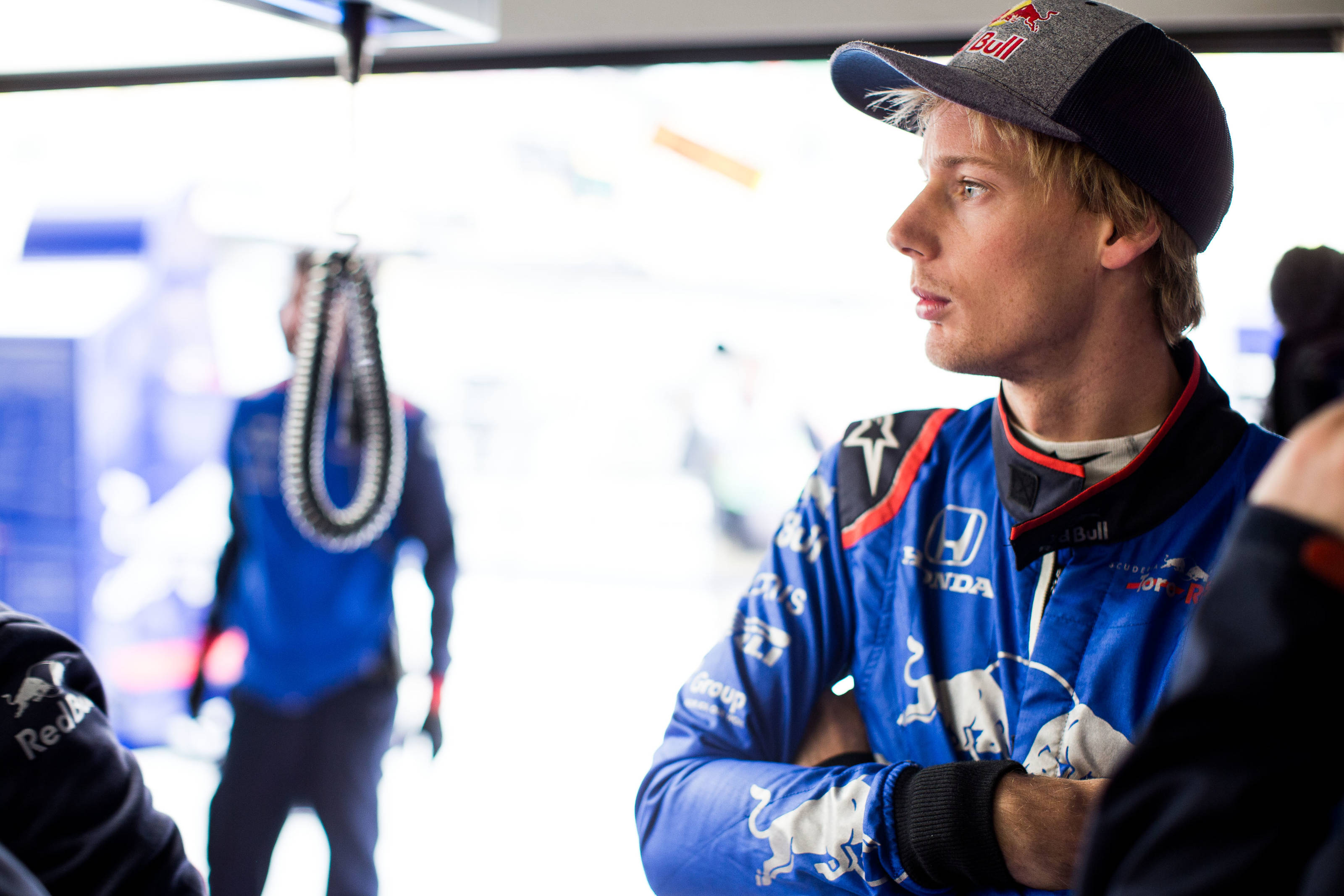
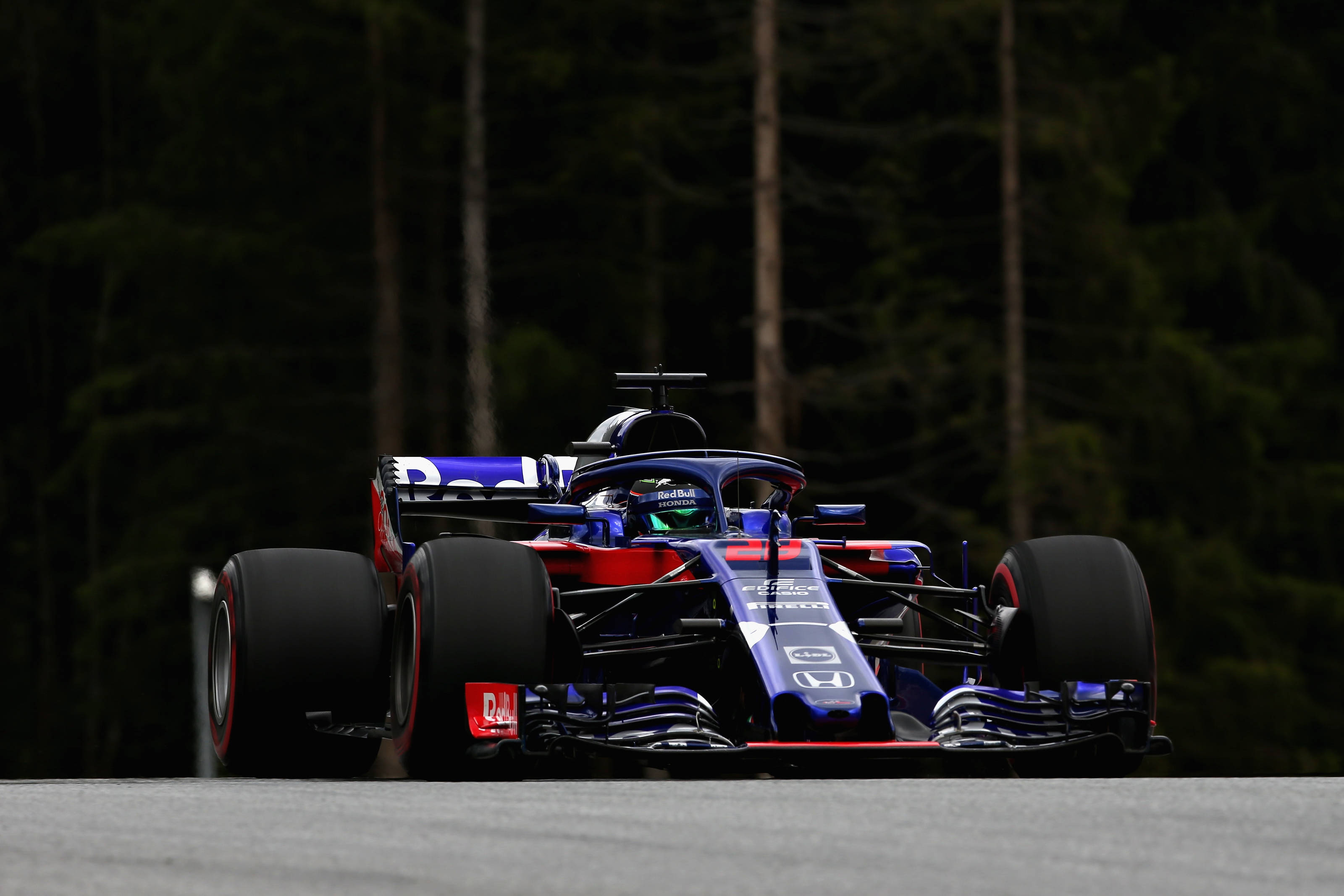
Further down the grid, Toro Rosso will be hoping for a better showing than last year, when both Daniil Kvyat and Carlos Sainz retired. Brendon Hartley in particular needs to put in a good performance, with questions about the safety of his seat continuing to be asked.
Williams have gone well in Canada recently. As mentioned, Valtteri Bottas finished on the podium twice during his stint driving for them, and in 2017 it was one of home favourite Lance Stroll’s best races. They struggled around Monaco, but they will be crossing their fingers that the long straights of Canada will better suit the design of their car and enable them to add to their meagre haul of points so far this year.
Force India will also be expecting good things – Sergio Perez scored a podium back in 2012, and Esteban Ocon will be keen to keep up the momentum from his P6 finish in Monaco.
Haas have claimed to have solved the braking problems that have plagued them seemingly since they joined the sport in 2016 and for that they will certainly be grateful, as a lot of time can be found around the Circuit de Gilles Villeneuve just through having confidence on the brakes. They only have one points finish to their name in Canada so far, but there is a fair chance they will be able to add to that this weekend.
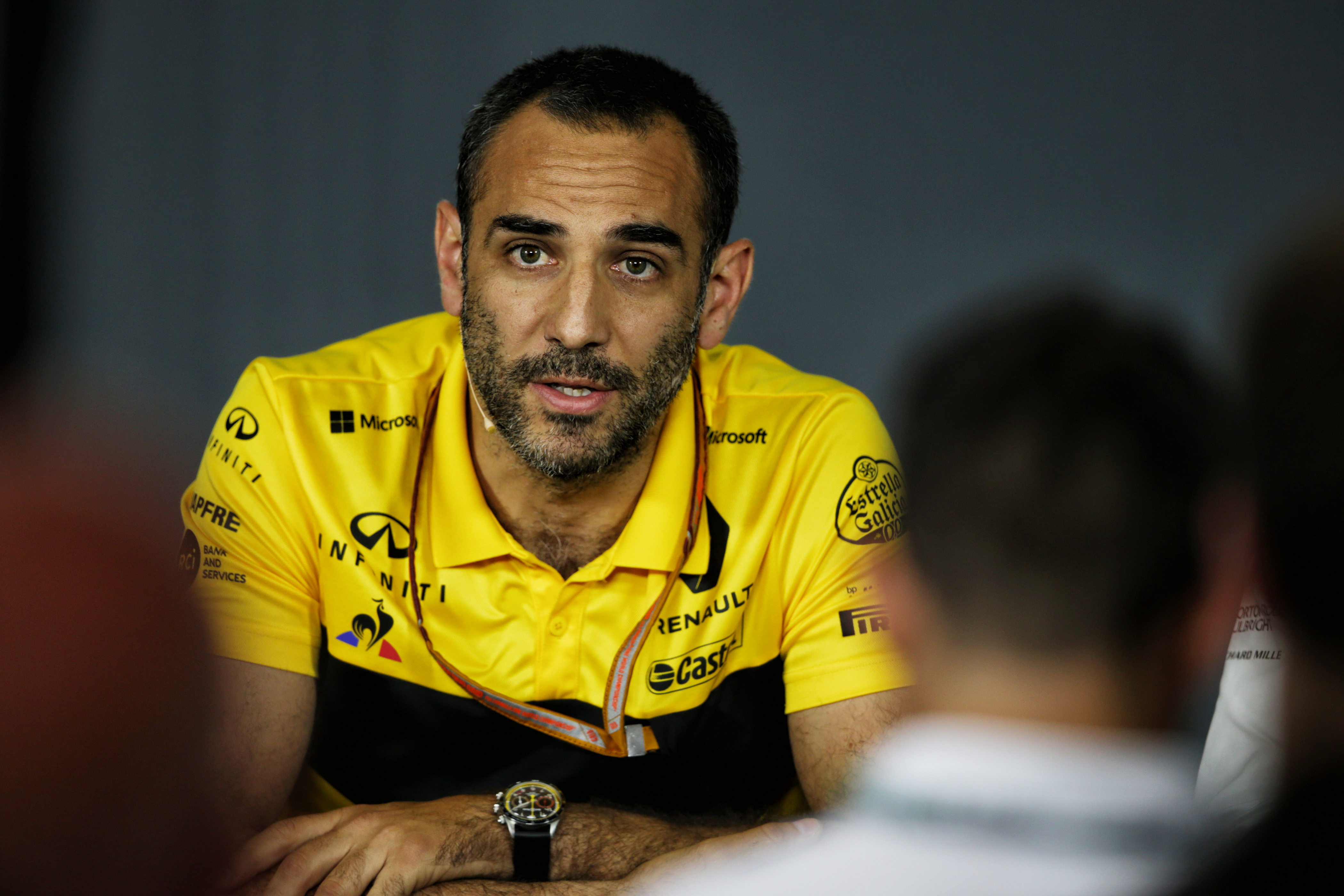
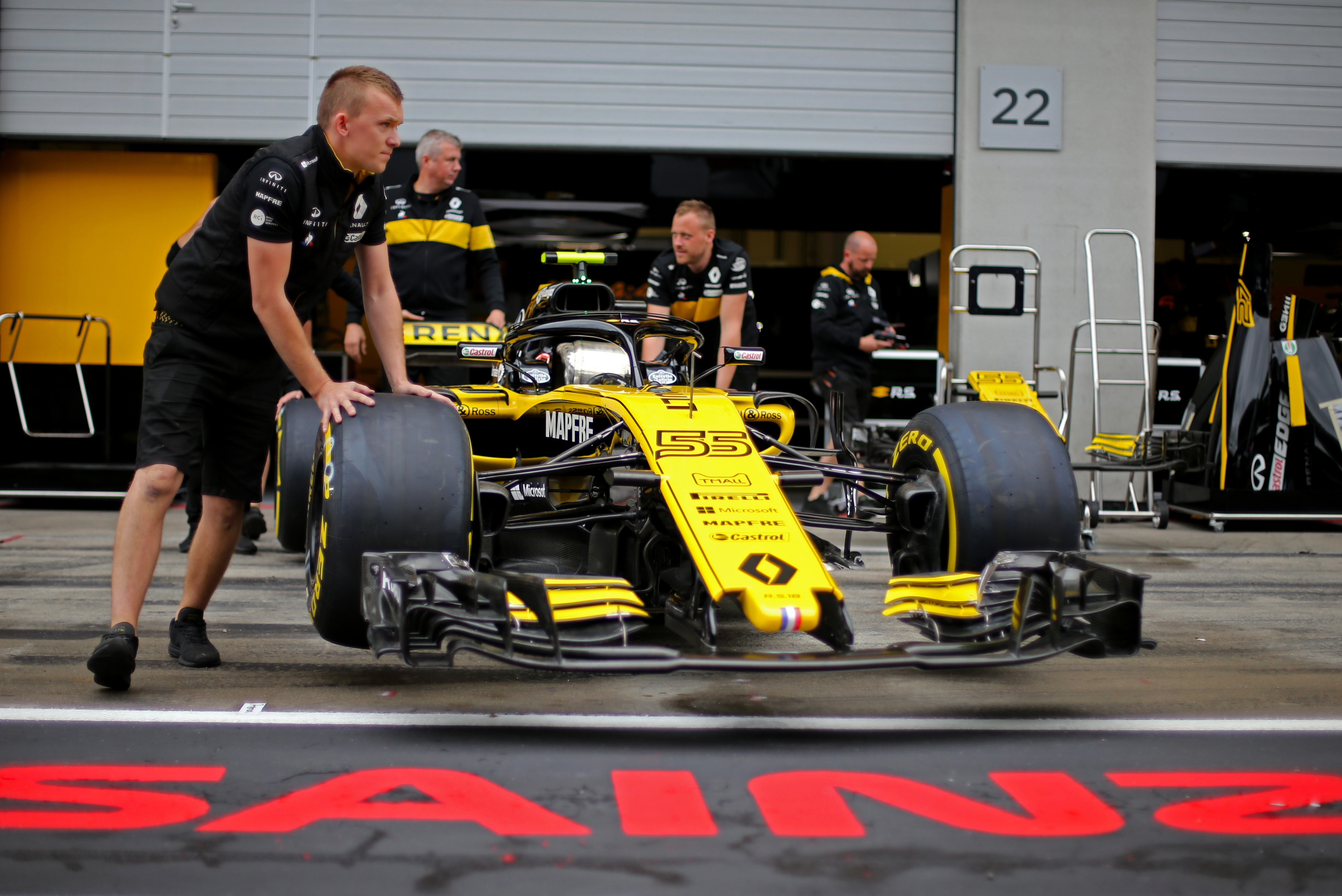
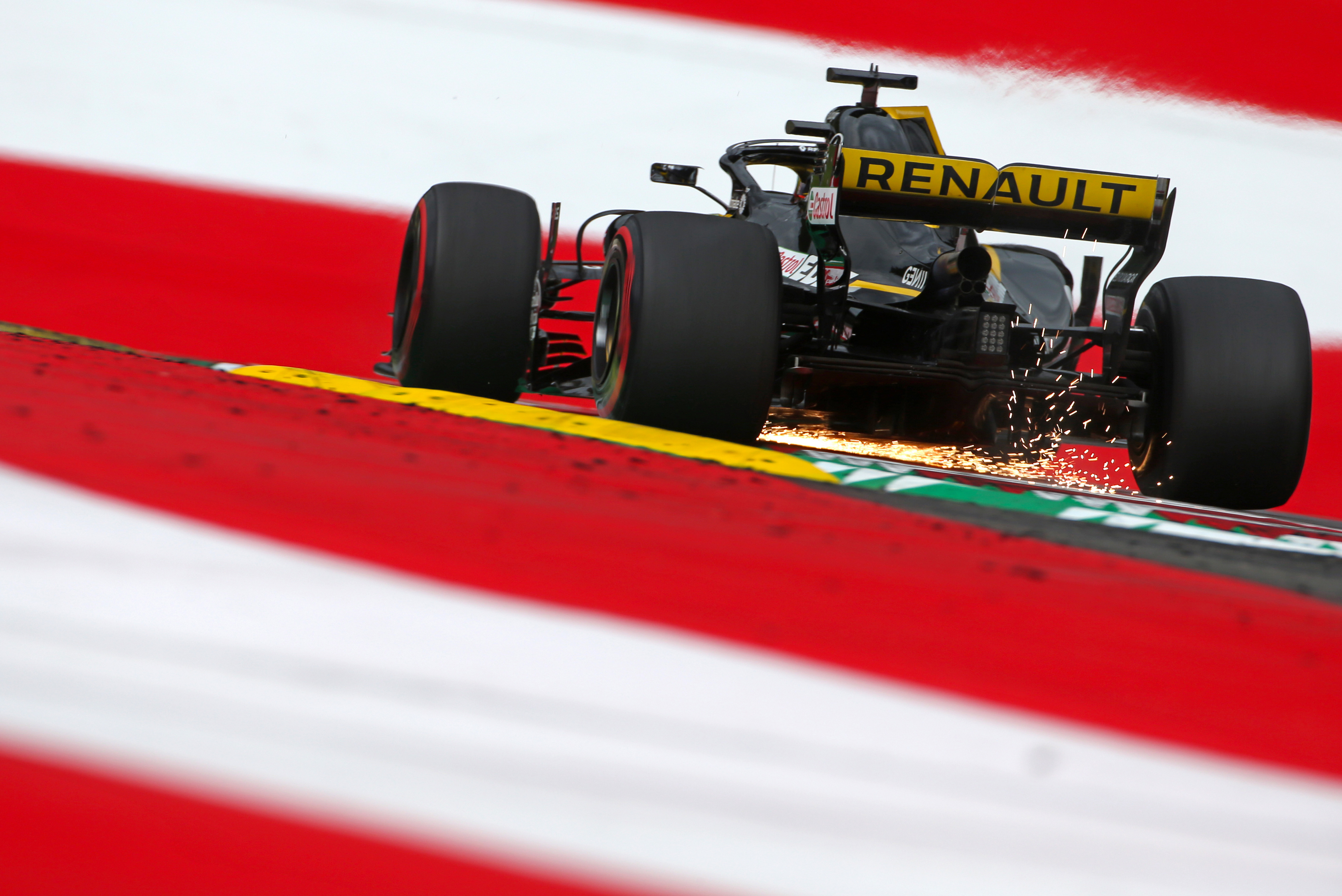
Renault are another team who have been on the bubble of being able to score points in Canada in the past. According to Cyril Abiteboul they are scheduled to introduce the next stage of their power unit development along with some aero upgrades, but with Canada’s long straights there will be no place to hide if those updates don’t prove fruitful.
McLaren – who will also be receiving updates from Renault – will be hoping that won’t be the case, but they are nonetheless bracing themselves for a difficult weekend.. Sunday’s race will be Fernando Alonso’s 300th in F1, but the track will not be one of McLaren’s best with its slow corners and long blasts at full throttle.
Finally, Sauber’s Charles Leclerc will be keen to bounce back from the brake failure he suffered in Monaco, and he believes Canada will be one of the best races of the year for himself and team-mate Marcus Ericsson, with both believing that the worst races are over and done with.
Race 1 saw Scott Dixon take his 42nd IndyCar win while in the second race, Ryan Hunter-Reay managed to break his losing streak of nearly as many races, 41, by taking the win after Alexander Rossi cracked under pressure late on. Detroit is a notoriously bumpy track, ready to severely punish any mistakes but also graciously reward those who get it right. Both races proved to be a https://www.youtube.com/watch?v=mQALMfRkdzgbattle between the 2-stop and 3-stop strategies with each being made work by different drivers.
It may have been Marco Andretti on his first pole since Pocono 2013 for Race 1, but just a few laps into the race it became evident that Dixon had far better pace and was more confident in the trickier areas of the track. The first round of pit stops played nicely into Dixon’s hands, removing the challengers of Andretti and Rossi, thus leaving the fight for the win down to just himself, Hunter-Reay and Rahal. Once last year’s double winner, Rahal, had removed himself from contention by hitting the wall, the race was on between Dixon and Hunter-Reay with the former having the pace to pull away in the closing stages of the race, taking his first win of the season.
Race 2 was a quieter affair for Dixon, coming home in an eventual fourth place. The second race certainly had an odd start, the pace car crashed on the formation lap, causing a 34-minute delay to proceedings but once the race did eventually get going, Dixon seemed to be missing some of his Race 1 pace. He had some good battles with Sebastien Bourdais and race-winner Hunter-Reay but ultimately didn’t have the pace to challenge, leaving him in fourth.
The most relieved driver after the weekend would probably be Hunter-Reay who broke a victory drought that had spanned back to Pocono 2015. Admittedly, that gap is not as large as teammate Andretti whose last win came back at Iowa 2011, but it’s still longer than any driver would want and in breaking it, Hunter-Reay has answered a lot of the questions that have been coming his way recently. Race 1 was already a good showing from Hunter-Reay but he didn’t quite have the pace to match Dixon who seemed imperious in the first outing, leaving Hunter-Reay as the slightly disgruntled bridesmaid once again.
However, the #28 Andretti driver’s fortunes finally turned to the better, after years of bad luck and hardship, in Race 2. A poor qualifying, including two spins, had left Hunter-Reay playing catch up in the first half of the race but, even as he was cutting his way through the field, he clearly had the pace of the leaders, namely Rossi. Following his last stop, Hunter-Reay was over eight seconds back from Rossi but, with just seven laps to go, Rossi had been caught. A lock up from Rossi handed Hunter-Reay a lead he would’ve surely taken anyway and meant that his nearest challenger was over 16 seconds back, meaning the American could take a dominant victory, 41 races after his last.
Losing that race to Hunter-Reay was Rossi who, after coming home in third in Race 1, was the championship leader. Rossi was repeatedly told on the radio to think about the bigger picture, about the championship, not just this race but, racing drivers are just that, racing drivers and Rossi wanted that win more than anything else. With Hunter-Reay having the superior pace, Rossi was right on the limit, already shown by an earlier lock up that cost the #27 Andretti driver valuable time. Then, at Turn 3, Rossi had another, much larger, lock up that forced him to go straight on, losing him the lead, leaving him with a puncture and meaning that he only trailed home in 12th. Rossi’s now lost the championship lead to Will Power but he’s just 11 points back so all is far from lost.
Will Power, driver of the #12 Verizon Team Penske IndyCar Chevrolet V6, races to a seventh place finish Saturday, June 2, 2018 during the first of two Verizon IndyCar Series Chevrolet Detroit Grand Prix Duals on Belle Isle in Detroit, Michigan. (Photo by Scott R. LePage/LAT for Chevy Racing)
Following on from his Indy 500 triumph, Power was top Chevrolet all weekend, getting a seventh in Race 1 and then a podium in Race 2, meaning he stays in the championship lead. In Race 1, all the Chevrolet-powered cars struggled for pace and were no match for their Honda-powered counterparts however, some overnight changes meant that their pace was much improved, meaning Power could snatch a podium. While Penske teammates Josef Newgarden and Simon Pagenaud could hardly make it into the top-10, Power was able to take the fight to the Hondas, even if he wasn’t a threat to Hunter-Reay.
Top rookie, as it always seems to be, was Robert Wickens who came home eighth in Race 1 and then sixth in Race 2, after starting second. Schmidt Peterson, like so many others, struggled for pace all weekend with Wickens’ teammate James Hinchcliffe having an awful pair of races, a significant amount off the pace in both.
Last year’s Rookie of the Year, Ed Jones, put in very good performances in both races with a sixth in Race 1 and then a remarkable third in Race 2, showing that he can challenge teammate Dixon and removing some of the questions that had been hanging over him for the first part of the season.
IndyCar first-timer and F2 driver Santino Ferrucci also put in very respectable performances, even if the results don’t show it. His first ever IndyCar race ended in a trip to the barriers curtesy of a nudge from behind by Charlie Kimball, who served a drive-thru penalty for the collision. Race 2 was a similar story; Ferrucci managed to avoid the barriers after spinning on exiting pit lane but his race was ruined by it. Regardless, it was a good showing from Ferrucci who was, at times, outpacing teammate Bourdais who had a dire weekend.
An excursion in the run off in the opening stages of Race 1 dropped the Frenchman well down the order with Bourdais eventually finishing in 13th place. His weekend was to only get worse in Race 2 after first getting a puncture, then a penalty for pitting under caution and, to top it all off, a spin as a result of a bent tow-link. Certainly, a weekend to forget.
The races keep coming for the IndyCar paddock who now head onto Texas Motor Speedway for their third consecutive weekend of racing. A well-deserved two-week break awaits the teams and drivers after Texas, providing a crucial reset button.
The wait for a maiden TT victory finally ended this afternoon for Lincolnshire rider Peter Hickman, as he held off Michael Dunlop over four pulsating laps of racing.
As has been the case with the previous two contested races, Conor Cummins (Padgetts Honda) was the first rider to set off down Bray Hill, and once again was soon overhauled by the rampaging trio of Dean Harrison (Silicone Engineering Kawasaki), Michael Dunlop (MD Racing BMW) and Peter Hickman (Smiths Racing BMW). This time however, there was nothing Cummins could do to even offer any resistance, as his Honda began losing power over the first ascent of Snaefell. The Manxman ground to a halt at Governor’s Bridge, his fortunes this week so far in tatters.
The trio matched each other almost exactly over the opening lap and were in a league of their own – distancing the overall fourth placed contender, Dave Johnson (Gulf BMW) by over 15 seconds. By the end of the race, the gap from the top three to the rest would be an enormous 1 minute and 21 seconds.
As the riders thundered over Ballaugh Bridge, Dean Harrison was dropping back behind Dunlop and Hickman – almost certainly testament to the efforts he’d put in to his Superbike and Supersport challenges. Although unable to contest for the top spot this time, the Yorkshireman never let the leading duo out of his sights, and securing third place and his third podium of the week.
Hickman and Dunlop were left to duke it out for what will surely go down as one of the greatest TT races since the turn of the millennium. Having entered and then left the pit lane together, following their one and only stop, the pair traded fastest sector times from the Grandstand to the Bungalow. Dunlop braved it out on the descent, pulling out a small margin of 1.8 seconds by the time they passed Cronk-ny-Mona. The smallest of advantages to the Ulsterman heading into the final lap.
Hickman responded by taking a full second off Dunlop by the time the bikes thundered through the trees at Glen Helen. The gap was down to just 0.5 seconds by the time the pair made the turn at Douglas Road Corner and blasted into Kirk Michael. Dunlop hit back and again had almost a full second over his rival, as they rounded the Ramsey hairpin for the final time. Hickman clawed a few tenths back as he wound up the Gooseneck. Dunlop pulled out a couple of tenths as he shot through Verandah. Nothing between them. Hickman kept the throttle pinned as he passed Kate’s cottage and tore off towards Creg-Ny-Baa.
Dunlop crossed the line first with a finishing time of 1 hour, 8 minutes and 54 seconds. Thirty agonisingly long seconds later, Hickman’s bike fired out of Governor’s Bridge and roared across the line at the Grandstand. The Brit had done it by 4 seconds. He has wins in British Superbikes to his name, on the roads he’s the master of the Dundrod circuit (which hosts the Ulster Grand Prix). Today, he can add the Isle of Man TT to his CV.
There were, understandably, highly emotional scenes in the winners’ enclosure. Hickman having to stop himself on more than one occasion as he was interviewed by Manx Radio. Who could blame him for being unable to completely fight back the tears? He had put everything into that race, and today Lady Mona had smiled upon him.
Despite not being on the podium, Dave Johnson’s race was no less eventful that the podium finishers. He was involved in a fierce battle of his own with James Hillier (Quattro Plant JG-Speedfit Kawasaki) before he finally secured fourth place.
Michael Rutter (Bathams BMW) and Martin Jessop (Riders Motorcycles BMW) both had solid races, coming home in P6 and P7 respectively. However there was an excellent scrap between Sam West (PRL-Worthington BMW) and Ivan Lintin (Dafabet Devitt Kawasaki) over eighth place. The two, although finishing almost a minute apart on the road, they were inseparable throughout the race on corrected time. West took the honours, finishing ahead by 2 seconds. Around a 150 mile race, it simply does not get any closer.
Rounding out the top ten, and increasingly becoming a sensation in his own right, is TT newcomer Davey Todd (Burrows Engineering Suzuki). The former National Superstock 600 race winner has made the transition to real road racing seamlessly during the meeting. He finished just 3 minutes off the leaders’ times. Remember the name, as it won’t be long until he steps up onto the podium.
The riders will now take stock, and with the majority having contested two gruelling races today, will rest up ahead of the resumption of racing on Wednesday. Whether Lightweight class, Supersport or Superbike – it is going to have to take something truly extraordinary to top this race today.
Michael Dunlop (MD Racing Honda) made it two wins out of two this week on the island, as he claimed his seventeenth victory around the TT course.
Whilst Saturday’s triumph had come aboard the 1000cc Superbikes, this morning’s race was contested on the smaller 600cc machines. Smaller in engine size, and slower in lap time – just as fiercely contested.
Desperate to make amends following his retirement last time out, Dean Harrison (Silicone Engineering Kawaski) once again set the early pace. The ‘Bradford Bullet’ taking the lead, on corrected time, at the first time check at Glen Helen. The Yorkshireman broke the record from the Grandstand to Ballaugh (from the standing start) and for all money like he was on course to smash yet another circuit record.
Dunlop had other ideas.
Clawing his rival back in over the mountain road, the Ulsterman closed in on his rival and claimed the lead of the race for his own as he passed the checkpoint at The Bungalow. Not content with just the race lead, the 29-year old blasted out the Supersport lap record, next time around, with an astonishing average speed of 129.197 mph (17 minutes and 31 seconds). Harrison was not far behind – the gap between the leaders was a mere 4 seconds as the pair entered the pit lane for their one and only stop of the race. Crucially, Dunlop was the only rider of the top ten to opt for a new rear tyre. A decision which would prove
With the knowledge that he would not run out of grip over the remainder of the 150 mile race, Dunlop began to turn the screw on his rivals. Although not threatening his new lap record – in fairness, he did not need to – he slowly closed down on Harrison until they were together on the road. A quick glance from Harrison over his shoulder on the approach to Ballaugh, and he saw the Northern Irishman bearing down on him. Try as he did to reduce Dunlop’s lead – he tried so hard he knocked the transponder off his machine as he brushed the wall at Guthries – he could not be shaken off.
Behind the leading duo, came a thrilling battle for the final place on the podium. Peter Hickman (Trooper Triumph) and James Hillier (Quattro-Plant Kawasaki) traded personal best lap times throughout the entire race, culminating in a thrilling dice over the final climb of Snaefell mountain. From Glen Helen to Ramsey, it was Hillier who had the advantage, inching out a couple of seconds to his rival. Hickman, however, was in a different league from the Goosneck to the Grandstand. The British Superbike race winner blasted the fastest crossing of the mountain road, ensuring that it was he who rounded out the podium. Like Harrison, Hickman was a non-finisher in Staurday’s Superbike TT race, he will be delighted to have finished in third place today.
Further back, Josh Brookes (McAms Yamaha) entertained the spectators by climbing up from tenth into P6 on the final lap – setting his personal best time in the process. It was another strong result from the 34-year old Australian, backing up his top ten finish aboard the Norton SG6 on Saturday. Such was his pace on the final lap, he managed to finish 8 seconds clear of his nearest rival Gary Johnson (RAF Regular and Reserves Triumph). Rounding out the top ten were Lee Johnston (Padgetts Honda), James Cowton (McAdoo Kawasaki) and Ivan Lintin (Dafabet Devitt Kawasaki).
It was another difficult race for Ian Hutchinson (Padgetts Honda). The 14x TT race winner continues to struggle with his injury problems, and could only manage to finish in P16. The 38-year old has effectively written off this year’s races from a performance perspective. Instead, the Bingley-based rider is focusing on clocking up the miles, in preparation for next season.