Blog

  • Formula 1 Viewing Figures Contradict Fan Criticisms

    Formula 1 Viewing Figures Contradict Fan Criticisms

    A press release on the 18th January 2019 from Formula 1 Media announced that the TV and Digital audience has grown for the second consecutive year. With a reach of 490.2 million unique viewers throughout the 2018 season, the figures re-enforce Formula 1’s position as a powerhouse in motorsport.

    The press release documents Formula 1’s increased popularity in Brazil, Germany and Italy which is hardly surprising given that the competition between Mercedes and Ferrari has become even tighter in the past few seasons. It also acknowledges a growth in social media platforms, increasing by a whopping 53.7% since 2017, which must come as excellent news to Formula 1’s owners Liberty Media, who put themselves in the driving seat in 2017.

    News of an increase in viewing figures comes as a surprise to some, and indeed some journalists have been quick to fill in what F1 have been careful to omit. Reuters Formula 1 correspondent Alan Baldwin took to Twitter to discuss these findings, putting the growing figures to a change of measurement. According to Baldwin, F1 took the decision to change the duration of viewing time, lowering it from 15 consecutive minutes to the industry ‘standard’ of 3 minutes, which many believe could have potentially over inflated TV viewing figures.

    The reported increase is almost a direct juxtaposition to the opinions of commentators, ex-drivers and fans who have frequently suggested the formula is no longer as appealing as it once was, expressing a desire to see more exciting racing and greater competition among the teams.

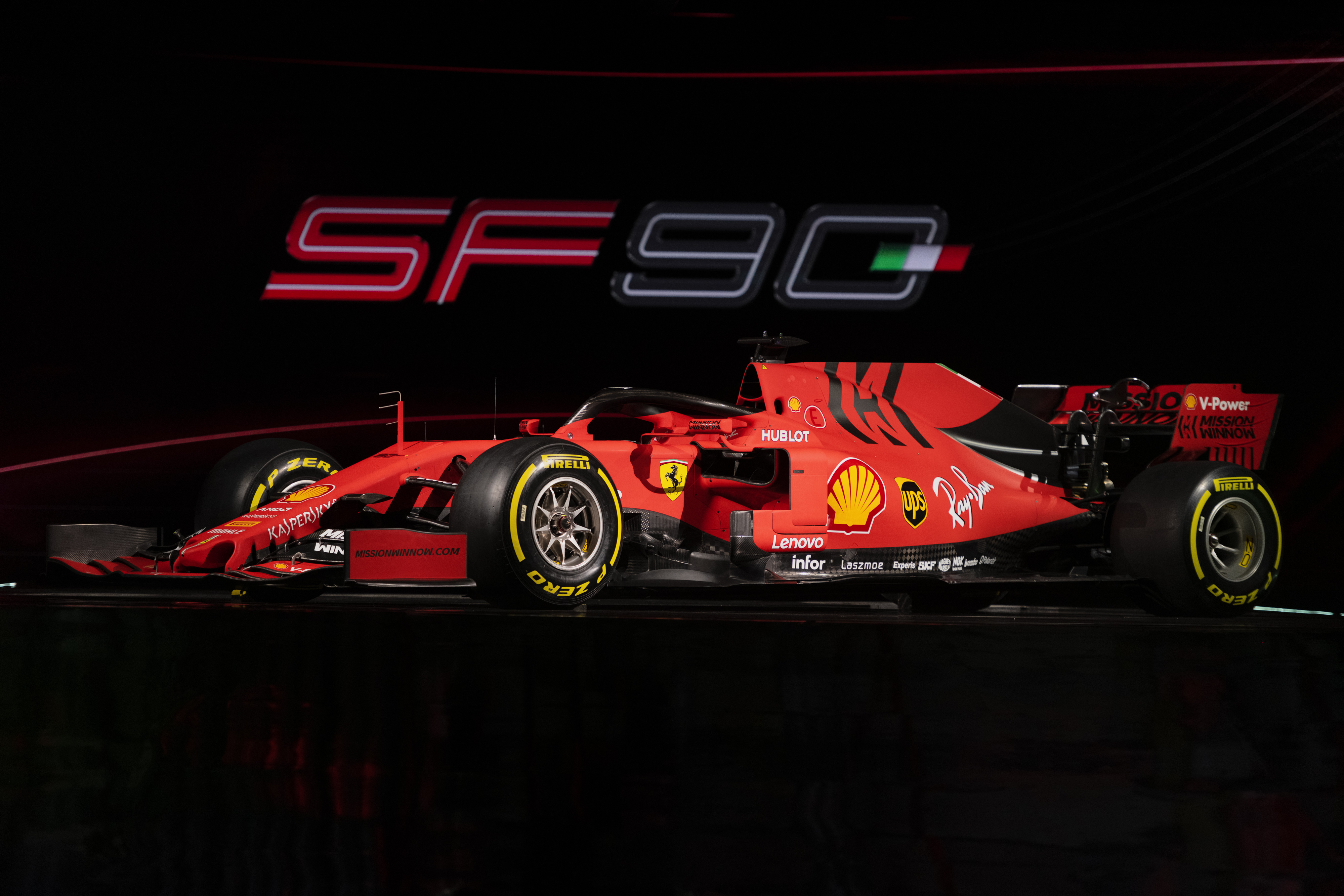
    Ferrari Media

    In a recent interview, ex-driver and Sky F1 commentator Martin Brundle expressed his own concerns about whether F1 was really doing enough to encourage competition and further interest in the sport: ‘We’re on a little Formula One island spending a lot of money to run 20 cars, and the drawbridge is up and I don’t see anybody waiting on the other side to come on’.

    So why is there a disconnect between fans and commentators, and F1 bosses, and what could be done to bring down that metaphorical drawbridge?

    The biggest issue for fans is the lack of real variety and competition in the sport. Upon hearing the news of a change in measurement, fans joked that it only took three minutes from the start of the race to figure out who was likely to win. If you’re a fan of Lewis Hamilton, it has been an excellent few years for you. However, others have grown tired of a very similar looking line-up each week, and are looking for change.

    Some are of the belief that Formula 1 should take inspiration from their American cousins in the NTT IndyCar series, providing each team with a uniform car to develop each year as opposed to allowing teams to spend exorbitant amounts on existing cars. Teams such as Toro Rosso, Sauber and Force India are often seen running old technology in their cars, immediately putting them on the back foot when attempting to compete with teams like Mercedes and Ferrari. If IndyCar is anything to go by, giving each team the same car should create much more variety on the podium, and healthy and fair competition between the drivers.

    Ferrari Media

    Budget is also a huge issue in Formula 1. In the past ten years, fans have waved goodbye to a total of six teams who have failed to keep their cars on the grid due to a lack of results and racking up debts that cannot be settled without closure or repossession. Formula 1 favours the teams who can afford to invest large sums, and punishes those who cannot, so should this too be subject to a change?

    Capping the amount a team can spend on their cars could give the smaller teams a greater opportunity to ‘catch-up’ not only on the grid, but in terms of the changes they can make on the car. Investing endless sums of money into finding a winning formula is bound to result in success at some point, take Mercedes as an example, but it also automatically relegates the smaller teams to the back of the grid, instead of challenging the big names and keeping the racing exciting.

    In reality, getting the bigger more influential teams such as Ferrari, Mercedes, Red Bull and McLaren to agree to these changes would be like having the turkeys vote in favour of Christmas. Indeed, if the F1 viewing figures continue to grow as they seem to be, Formula 1 bosses will probably argue there is no need to make such drastic reformations. Only time will tell.


    Featured image – 2018 Abu Dhabi Grand Prix, Sunday / Steve Etherington

  • Mick Schumacher joins Ferrari Driver Academy

    Mick Schumacher joins Ferrari Driver Academy

    Ferrari have announced that they have signed Mick Schumacher to their Driver Academy ahead of the 2019 season.

    In a press statement, Schumacher said, “I am thrilled that Ferrari has entered into a partnership with me and [that] my next future in motorsport will be in red, being part of the Ferrari Driver Academy and also of the Scuderia Ferrari family.

    “This is another step forward in the right direction, and I can only profit from the immense amount of expertise bundled there. Be sure I will make everything to extract whatever helps me achieve my dream [of] racing in Formula 1.

    “It is more than obvious that Ferrari has a big place in my heart since I was born and also in the hearts of our family, so I am delighted on a personal level about this opportunity as well. At this stage it is, however, also time to say thank you to my family, friends and partners who supported me all along and helped me arrive at this point.”

    Zak Mauger / FIA Formula 2

    Past alumni include Charles Leclerc, Sergio Perez, Lance Stroll, Antonio Giovinazzi and the late Jules Bianchi, who was the first driver to be signed to the program when it was formed back in 2009.

    Schumacher joins the Academy on the back of his title-winning campaign in the Formula Three European Championship, where he won eight races and finished on the podium on six other occasions. He finished the season 57 points ahead of second-place Dan Ticktum.

    New Ferrari team principal Mattia Binotto said that despite the more sentimental aspects of the signing, Schumacher had been picked first and foremost because of his racing talent.

    “For someone like me who has known him from birth, there’s no doubt that welcoming Mick into Ferrari has a special emotional meaning,” he said, “but we have chosen him for his talent and the human and professional qualities that have already distinguished him despite his young age.”

    Alongside his duties with the Academy in 2019, Schumacher will make his debut in FIA Formula 2, where he will compete with Prema Racing.


    Featured image – Joe Portlock / FIA Formula 2

  • British GT: Scottish Alliance in 2019 for 2018 British GT champion Jonny Adam

    British GT: Scottish Alliance in 2019 for 2018 British GT champion Jonny Adam

    2018 British GT champion Jonathan Adam is happy to be working with Scottish compatriots at TF Sport in 2019 as he bids to defend his overall title.

    Adam, three-times a British GT champion, will be working with Graham Davidson this year as last year’s partner Flick Haigh looks to race in Europe after becoming the first woman to win the British GT championship outright in 2018.

    The 13-time British GT winner will move from Optimum Motorsport to TF Sport to remain in an Aston Martin Vantage, although he will be running a new car for the first time since 2011.

    “I’ve known Tom Ferrier very well and I’ve raced for him before in British GT and WEC, he’s a good friend, the preparation has already started in December, we raced in Abu Dhabi and that’s given the team good information for the season ahead.

    “Graham is itching to try and get going and drive the new car in anger. He had a brief spell of 15 laps at Snetterton, loved the car and made his decision there and then that this is what we wanted to drive. He’s been fast, on and off he’s won races and for me it’s about trying to hone him and get the last few tenths out of him.”

    After getting married in the autumn of 2018, Adam will be fully focused on racing with a challenging schedule over the next twelve months.

    “2018 was mega for host of different reasons and 2019 is really busy. There’ll be a few more programmes to be announced and the British GT already confirmed at the moment but it could be between a 15-18 weekend season.”

    The work doesn’t stop for the teams during the winter months, with it being a busy schedule as constructors sort out their entries for next season.

    The new Aston Martin, which replaces the successful V8 Vantage, has been popular across both the GT3 and GT4 classes.

    “We have a lot going on behind the scenes now, back in the workshop with both GT3 and GT4 cars. The four especially has been really well received, 12 brand new customers have bought the car over the last four or five weeks and they’ve really enjoyed the car, which will make life easier for the customers.”

    With Haigh becoming the first woman to win overall since the series’ inception in 1993, Adam was honoured but not surprised to be a part of an historic season in British GT.

    “It was nice for me last year because I personally broke a few records for the most wins in GT3 and a third championship, but when the deal was struck in mid-November with Flick and I was told of the programmes we’d be involved in, I did say around the table to Sean Goff and Flick that if we did the right testing with the right engineer and the right package, then I had a gut feeling that something could come good.

    “It was no surprise to me that she went to Oulton and smashed it on pole because she tested so well, she put the mileage in. We did 9-10 days of testing, which in GT3 is quite a lot, but she was so determined to be the fastest Am out there and wrap up the championship. All round, for Optimum and British GT it was the perfect story, a new Am driver winning the championship but a female one too. You had Jamie Chadwick in 15 or 16 winning GT4 but it hadn’t happened at the top class for a female. I wish her well this season.”

  • Mark Sutton Interview: “There is great camaraderie between all photographers”

    Mark Sutton Interview: “There is great camaraderie between all photographers”

    Mark Sutton is one of the best-known names in motorsport photography, being the the co-founder of Sutton Images, the largest independent motorsport picture agency in the world.

    His interest in motorsport and in photography was piqued at a young age when his father took him to local race meets.

    “My father Maurice was a huge [motorsport] fan and took us to our local circuit Oulton Park in Cheshire near Manchester,” he told us, “so you could say I was brought up on motorsports as a young boy, going to races in my dad’s MGT with his mates from work, who built aircraft like the Nimrod, Vulcan bomber and HS147.

    “He always photographed me with racing drivers and cars as he was a keen amateur photographer, always taking photographs every weekend at the races and at home.”

    It was this initial foray into the world of motorsport that led to Mark’s pursuit of a career in the industry, and in 1983 he attended his first race as a photographer.

    Sutton Images | British Formula Three Championship, Oulton Park, England, 6 August 1983.

    “My first race working as a photographer was the Formula Three race at Oulton Park in August 1983, covering the Ayrton Senna and Martin Brundle battle that year,” he said. “My brother had a contract as Senna’s photographer so I went along to assist him.”

    Positioned at Cascades Corner, once the race started Mark found himself in the ideal spot to get a shot of the action.

    “Brundle led at the start and after a few laps Senna lunged down the inside of the corner and they collided, and Senna landed on Brundle’s car. I have the frame of them side-by-side, but was shooting on a Praktica camera with no motor drive and this was in black and white.

    “Then my next frame is them looking around the cars and those images were used all over the world as the story of the championship got bigger and bigger, and in fact it went down to the last round of the championship in Thruxton. It was a great start to my career at 18 years old!”

    Sutton Images | British Formula Three Championship, Oulton Park F3, 6 August 1983

    Just a few years later Mark made his move into the world of Formula One, and, out of the places he has visited in the few decades since, he highlighted Monaco and Spa-Francorchamps as two places he particularly enjoyed working at.

    “The Monaco Grand Prix is my favourite track,” he said. “You can photograph the cars very close as it’s a very tight and twisty circuit that was first raced at in 1929 and has had different layouts, but the general feel is exactly the same. If a driver makes a mistake he is likely to cause a lot of damage to the car, and also it is very difficult to overtake.

    “One of my favourite corners is Eau Rouge at Spa-Francorchamps in Belgium, which is a fast kink coming downhill from La Source and then into a hill going up. It offers you some very different opportunities to shoot different images with the speed of the cars and then the exit, sometimes with the cars sparking.”

    When asked about the nature of the relationship between photographers when working at a track, Mark said, “There is great camaraderie between all photographers, as most of them have worked in F1 or motorsports for a long time and have grown to love the sport. Of course there is competition between us all, but that’s life in the business.

    “I always laugh at the driver celebration photos when everyone is fighting for the same photo. Elbows get wider and then after, as we all check our photos, we recover from getting wet. It’s all very stressful to get the images, but is also a funny moment.”

    Sutton Images | Mark Sutton (GBR) Photographer at Austrian Grand Prix, Qualifying, Saturday 8 July 2017.

    It goes without saying that at the heart of a photographer’s job is their equipment, and Mark pointed out that when it comes to upgrading, it isn’t necessarily as simple as immediately going for the highest quality camera.

    “I tend to upgrade cameras every two to four years,” he said. “This really depends on how often Nikon brings out the new professional camera into the market, [but it] tends to be every four years now, as progress on the equipment has slowed down from creating the best configured camera with twelve frames per second and 22MB sensors. These offer huge files for both JPEG and RAW files, so the quality is good enough for all uses.

    “There are better or higher quality cameras, but these are generally used in studio or still-life photography where subjects are not moving quickly. When a car is moving at 200 miles per hour you must be able to move with the subject and in most cases take multiple frames of the car either head-on or from the side, and that is where the twelve frames per second are essential.

    “The Nikon D5 will shoot 4K videos as required, but we are not allowed to shoot moving footage at F1 races.”

    Sutton Images | Formula One World Championship, Rd13, Belgian Grand Prix, Race, Spa Francorchamps, Belgium, Sunday 26 August 2018.

    Equipment

    X2 Nikon D5 bodies

    Nikkor 200-400mm F4

    Nikkor 500mm F4

    Nikkor 70-200 F2.8

    Nikkor 24-70mm F2.8

    Nikkor 14-24mm F2.8

    Nikkor 1.4x Mk3 converter

    Nikkor 10.5mm F2.8 Fisheye

    X2 Nikon speed light flash SB-910

    Apple MacBook Pro


    We thank Mark for taking the time to speak to us, and wish him all the best for 2019!


    You can follow Mark on Instagram, and on Twitter | Sutton Images

    Featured image: Sutton Images | Mark Sutton, Sutton Images F1 Photographer at Formula One Testing, Day Two, Yas Marina Circuit, Abu Dhabi, UAE, Wednesday 28 November 2018.

  • Billy Monger – I don’t know what series I’ll be in next season

    Billy Monger – I don’t know what series I’ll be in next season

    Billy Monger admits he is unsure exactly where he’ll be racing in 2019 as he looks to finalise a deal for next season.

    The 19-year-old had a strong finish to the 2018 British F3 season and is likely to race internationally with Carlin, although quite where has not been confirmed.

    “There’s still a fair bit to do with funding but we’re further down the line than in the autumn. I don’t know what series I’ll be in next year as there’s two series, the International F3 series which is effectively GP3 and the European F3 series.

    “At the moment we’ve got enough budget for one but not quite enough budget for the other. I’m still looking for sponsors to add to the budget, but it is getting better.”

    The Reigate racer wants the future sorted and while it looks likely that he will be competing in the European F3 series, Monger wants it sorted sooner rather than later to ensure maximum preparation time.

    “It’s looking to be that way (European F3) because in whatever I am racing in I need to be prepared properly for it, I don’t want it to get to stage where I am just waiting and waiting for that extra sponsorship to come through and getting to the first round and I’ve not had time to test. If I race in it, I want to make sure I am at the front of it, in which case I will need to put the prep in. Nothing is discounted yet though.”

    After spending much of the first half of 2018 adjusting to his adapted hand controls following the accident in 2017 that cost him his legs, Monger is confident that he’ll be able to run competitively for the entirety of 2019, whichever series he competes in.

    “It’s all down to me at the minute. I’ve shown with the controls that I am capable of being at the front in that series (British F3). As long as the controls are up to a good enough level, I should be at the front in European F3. It’s only going to come down to my ability.

    “The halo extraction all went well and is sorted. Me and Carlin are working hard to get out testing as soon as possible, looking at if we can improve the controls for next year but it would only be small adaptations to make to those because by the end of last season they were very good.”


  • D’Ambrosio flies high whilst Da Costa and Sims tangle: Marrakesh ePrix report

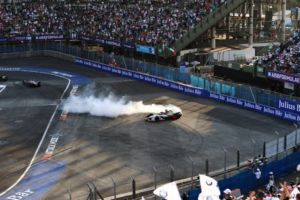
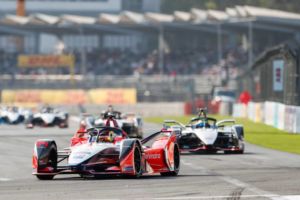
    With their two drivers occupying the two spots in the race, BMW i Andretti seemed set for another dominant victory in Marrakesh. Despite not taking pole, Antonio Felix da Costa and Alexander Sims swept through the field, taking advantage of Sam Bird and Jean-Eric Vergne’s opening lap clash. However, seven minutes from the chequered flag, the two BMWs collided into one another, sending Da Costa out of the race and Sims limping out of the podium positions. Mahindra’s Jerome D’Ambrosio took advantage of the clash to claim his third win of Formula E, and his first that did not involve disqualification.

    Da Costa took first blood in the first qualifying group with an impressive 1.17.950, narrowly beating out Vergne. Lotterer also looked set to challenge the BMW, but a mistake in turn 7 left him in a lowly P5. As track conditions improved, Nissan’s Sebastien Buemi snatched the top spot away, forcing his way comfortably into superpole. Audi looked competitive initially, but both drivers made crucial mistakes in the final sector, leaving them out of the top six spots.

    In contrast, their customer team Virgin Racing continued with their impressive form throughout the weekend as Sam Bird claimed P1 and Robin Frijns edged into P6. However, there was further drama in the pitlane as the NIO of Tom Dillmann ended up clattering into both Virgin cars, causing damage to their diffusers. The final group did little to trouble Bird and Buemi, with the exception of Sims who scored his first superpole appearance to the expense of Pascal Wehrlein on his maiden race with Mahindra.

    Vergne managed to post the fastest time of qualifying so far in superpole, his time of 1.17.535 was enough to dispatch Mitch Evans from the top spot. Da Costa ended up less than a tenth of a second behind Vergne, with his teammate Sims performing well to slot in behind the championship leader. However, it was Sam Bird who clinched the all-important top spot and the valuable three points to kickstart his season.

    Credit: Alastair Staley / LAT Images

    The chaos started early as Vergne collided with Bird at the start as the pair duelled for the lead. The contact sent Vergne’s Techeetah to the back of the grid, forcing the current champion to force his way back through the pack. In the fracas of the opening lap, Buemi dropped from third back to thirteenth, whilst Sims was able to pick up second place, just behind his teammate da Costa who had started sixth after a penalty for energy overuse. Lotterer, who was also suffering from a penalty that relegated him to the back, slowly climbed the ranks as did the Audi of di Grassi, but not before collecting Wehrlein and sending the German out of the race. HWA’s bad luck also continued as Paffett and Vandoorne both collided in the opening lap, sending the former out of the race with a puncture.

    Da Costa soon dispatched of Sims before snatching the lead away from a struggling Bird on the tenth lap. Sims followed his teammate through and the pair began to pull away from the chasing Virgin cars and the lone Mahindra of D’Ambrosio who managed to bypass a sleeping di Grassi and Bird shortly afterwards. The Techeetah cars of Vergne and Lotterer too began to gain ground, with the pair occupying P8 and P9 with under twenty minutes left on the clock.

    Credit: Sam Bloxham/ LAT Images

    The lead that the two leading BMWs built up soon disappeared as many cars began to use up their mandatory attack modes, and on lap 25, Sims decided to attempt to snatch the lead away from his teammate. However, team principal Mark Preston could only look on in horror as the two banged wheels, colliding and sending Da Costa into the barriers, along with the chance of the team’s first ever 1-2. Sims climbed back into P4 as D’Ambrosio inherited the lead ahead of the Virgin cars of Frijns and Bird. Da Costa’s stricken car summoned the only safety car of the entire race. Like in Ad Diriyah, the drivers with one attack mode remaining seemed to be at an advantage, including the two Techeetahs of Vergne and Lotterer, and the lone BMW of Sims sitting behind the podium positions, who all hoped to use their last line of attack to climb the standings.

    However, Da Costa’s car remained on the track as the clock ticked down and only one lap remained when the safety car period ended. Despite most of the cars running out of their attack mode whilst following the safety car, D’Ambrosio and Frijns engaged in a thrilling duel until the finish line with the Dutchman finishing only 0.143s behind D’Ambrosio, who continued in his excellent form, propelling him to the top of the championship. Bird finished in the final podium position, followed by Sims who managed to hold off the dual attack of Vergne and Lotterer.

    Formula E returns to Santiago on January 26th.

  • Formula E Attack Mode: Worth the Hype?

    Formula E Attack Mode: Worth the Hype?

    Announced in 2018, Formula E’s Attack Mode was set to create yet more excitement and variety up and down the grid in the 2018/19 season. The official Formula E website describes the mode as an opportunity for drivers to ‘race harder, giving them the edge to keep ahead of the competition’. The mode can be activated at different points in the race; drivers are given an extra 25kW (12%) of power, however the duration and number of times a driver can activate the mode is not fixed. FIA officials determine these details one hour before the race, keeping team strategists, drivers and fans guessing.

    But as fans are just getting to grips with the Gen2 cars, is this new feature a step too far in trying to keep the series interesting?

    Seeing it in action for the first time in Ad Diriyah, you might be forgiven for thinking you were watching a real-life version of Mario Kart. Indeed, fans have criticised Formula E mastermind, Alejandro Agag, for ‘dumbing down’ the feature by likening it to a video game, suggesting that gimmicks such as this one make Formula E an easy target for cynics of new racing formulas.

    Some fans have likened Attack Modeto a joker lap in Rallycross and, indeed, it’s easy to see the similarities, as drivers are forced to move away from the racing line in order to activate the feature, before re-joining the race with the added boost. But even this could throw up problems, with dirty tyres and unsafe manoeuvres to attack, and re-join the race. Okay, so that part is down to the reliability of the drivers, but is it really worth the drama where we have plenty already?

    Credit: LAT/Formula E

    Watching Attack Mode in action for the second time in Marrakesh, you could say that the feature really didn’t add much to the race. Drivers such as Jean Eric Vergne were able to steadily work their way up the grid, providing the fans with a couple of interesting overtakes, most of the action wasn’t really a direct result of the Attack Mode feature.

    As the use of Attack Mode is mandatory for each car, drivers are forced to use the feature to simply tick a box. Ultimately, as we saw in Marrakesh, drivers chose to use their final Attack Mode during a safety car towards the very end of the race, which arguably contradicts the whole point of the feature’s introduction.

    If this is the case, why was it introduced?

    Perhaps FE bosses are keen to avoid the same accusations their counterparts in F1 are currently receiving, that the racing simply isn’t entertaining enough. However, when compared to Formula 1, realistically Formula E is in the infancy of what it can achieve. Even from the very first race in 2014, Nick Heidfeld managed to crash his way, quite literally, into the news headlines by ploughing his Venturi into the barrier. Since then, Formula E has continued to provide fans with entertaining races, enhanced by the FanBoost feature that was introduced from the very first season.

    Daniel Abt (Audi Sport Abt Schaeffler), Valencia pre-season testing – Credit: LAT/Formula E

    With that in mind, what of the FanBoost?

    At the moment, Formula E have no plans to alter or get rid of the FanBoost feature that allows fans to vote for their favourite driver, giving them a further two ‘boosts’ on track. With some critics labelling the FanBoost a mere popularity contest from the beginning, the introduction of Attack Mode where all drivers are given at least one boost before the race even starts, it opens up the question of where FanBoost really fits in this new feature.

    Unlike Formula 1, Formula E features cars, teams and drivers on a more even playing field. The series already offers unpredictable racing and fans haven’t exactly been crying out for the series to be made more ‘interesting’ in the same way F1 fans have. Perhaps Formula E bosses are keen to avoid the same criticism, however with the addition of Attack Mode, it is difficult to know exactly what audience they are attempting to appeal to.

    With only two races down, the true value of Attack Mode remains to be seen. If bosses expected Attack Mode would make for an explosive opener to the 2018/19 season, they were sorely mistaken.

    The next E-Prix will take place in Santiago on 26th January.

  • Inside the UK’s only student-run professional race team

    Inside the UK’s only student-run professional race team

    Educating and training the next generation of engineers and mechanics is the goal of any university running a motorsport engineering degree, but the University of Wolverhampton Racing (UWR) do it with a twist. While many universities participate in Formula Student against other student-run teams, UWR’s students run a team in the F3 Cup, against other professional teams with fully qualified team members.

    This is a rare occurrence and comes with significant challenges, but UWR have been determined to make it work and, so far, they have. The team have finished within the top three in the championship in all three seasons they’ve participated in and are now heading into their fourth season in the series, with even bigger ambitions for the future.

    We caught up with their driver, Shane Kelly, at Autosport International to talk to him about his role within the team and the on-going preparations for 2019.

    “My role has grown over the years, we’re getting into our fourth year now. We started in Formula Renault which was really a promotion year for the course; it was a great car for students to learn on. As we’ve upped our game, and as the awareness got around that we’ve got a motorsport engineering degree, we upped our game into Formula 3 [cup]. It’s a great car to engineer as a student, knowing an F3 car inside out is a brilliant thing to be able to put on your CV. We’ve got Formula Student and the Morgans as well, we’ve really gone from strength to strength as we built up.”

    “Every year we get stronger in the sense of we have more data. The F3 is such a niche car, there’s so much going on with the car. The speed is in the suspension, the geometry and the damping. Engine we can quantify, we know what we’ve got. The biggest thing is the mid-corner speed and I think we got that right last season. Bad luck aside, we should’ve been at the top. More of the same from last year would be good, we were more consistent than the year before. But you can’t account for bad luck, you only have to look at Sebastian Vettel in probably the quickest car over 75% of the season and he still didn’t win it.”

    Credit: Reuben Inganni

    UWR face all the same challenges as any other professional race team, but they have the added element of being student-run, meaning there has to be an educational side to everything that they’re doing.

    “We go the long way around everything, that’s for sure! There’s no point us going out doing races if the students didn’t remember any of it, it’s all about the student experience really, that’s why we’re here doing it. We take a bit longer because each student needs to know what they’re doing. We have a bigger team, we have 20 students for this season, and that’s a lot for one F3 car. We manage that, and I think we’re on the cusp of two cars and two championships. We do pick and choose our students, but our students chose us so it’s important that we honour each student and we’ll move them around the car as well, that’s probably the challenge we face most in keeping consistent.”

    “It’s hard work to have any team of this level in a university, be it a race team, a rugby team or whatever. At the end of the day, it’s high-level industry, we’re not racing other university teams – it’s not a university championship, it’s a mainstream championship. Some universities wouldn’t touch that because it’s a lot of hard work and myself and Matt Fenton [chief race engineer], we work hard and we put a lot of hours in, but the reward is there and as most people know, you can’t stand still in racing, you need to keep getting better. As a university another thing you come across as well is funding, we’re quite strong with sponsorship with multiple sponsors, we had a breakfast meeting on Friday and sixty people, all sponsors, turned up. It’s just about keeping that up.”

    As for the future, both Shane and UWR are optimistic about growing their racing programme and keeping the new projects coming in.

    “We have to keep moving, keep changing and refreshing. We’re always open to ideas, different manufacturers, different championships, but that all comes at a cost. The great thing is that we own our own cars, so we can do what we like in that respect.”

    To find out more about UWR, click here

    [Featured image credit: Reuben Inganni]

  • Euro NASCAR gearing up for 2019 with new rules package

    Euro NASCAR gearing up for 2019 with new rules package

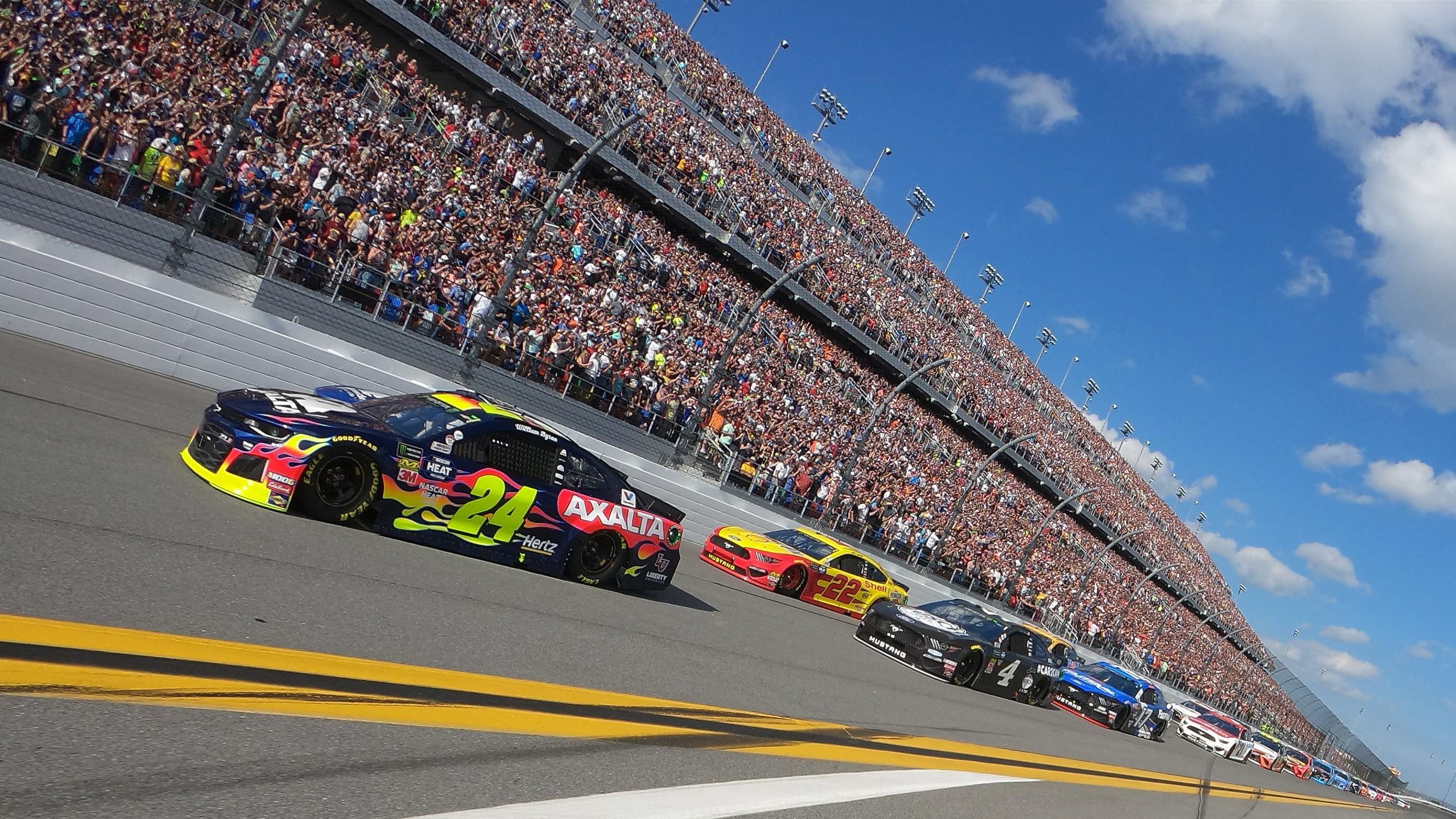
    NASCAR Whelen Euro Series (NWES) is entering its seventh season in its current format, and a new rules package is set to bring the racing closer than ever while making the series more accessible to drivers, teams and fans alike. Announced in early January, the regulation change is promoting ‘pure racing’ with new tyres, suspension and aero, as well as more stringent technical inspections.

    NWES has grown significantly since it first got sanctioned by NASCAR in 2012; the fan base has extended across Europe and the calibre of drivers continues to improve, making the series highly competitive.

    Credit: Reuben Inganni

    Only four drivers have been officially confirmed for 2019 so far, with all of them competing in the Elite 1 class. Francesco Sini and Alex Sedgwick are both returning to the series after making their debuts last season. They will be joined by Ellen Lohr, DTM’s only female race winner, and 1997 F1 world champion Jacques Villeneuve, both of whom are returning to racing and making their debuts in NWES.

    We spoke to Alex Sedgwick at Autosport International about the series and how it differs to its American counterpart.

    “The main difference is that the Euro series is mainly road courses compared to ovals. In Europe, we have a lot less ovals than in America in the first place, so we go to places like Valencia, Brands Hatch, Hockenheim and Zolder. We still do one oval this year, Venray which is in Holland. That’s the main difference really, and also the backgrounds of the drivers. I came from Clios and Ginettas, Villeneuve has come from F1 and we’ve got guys who have done Le Mans whereas in America it’s sort of NASCAR, NASCAR, dirt racing, NASCAR! It’s NASCAR with a European input, that’s the way to look at it really.”

    “The NWES cars are a little lighter than the American cars with fibreglass bodies instead of steel bodies, but they’re also a little less powerful. They only have about 400 horsepower, whereas in America they’ve got 600 to 650 horsepower. Other than that, because we mainly go to road courses, the cars aren’t set up to just turn left, we’ve got a Watt’s link in the rear rather than a track bar to help it turn both directions and make it a little bit more agile. It’s not the most agile thing in the world anyway but it helps. They’re the main differences really but the basics are all exactly the same – a big 5.7 litre V8, 4-speed manual, solid rear ends, no brakes, no grip and loads of drifts, so it’s good fun!”

    Credit: Reuben Inganni

    Having a name like Villeneuve in the series is significant for its popularity, but he is not the first big-name driver that the NWES has attracted.

    “I started last year in the series and we had Bobby Labonte (2000 NASCAR Cup champion). My teammate’s Marc Goossens (Le Mans veteran), we’ve also got Christophe Bouchut (1993 Le Mans winner) and now Villeneuve; it’s certainly a cool time to be part of NWES. It brings more credibility and attention to the series from the European side and the fact that the names that we’ve had in the series so far haven’t run away with it, they’ve struggled to get into the top five or even top ten, shows the level the championship’s at – it’s a hard series to do well in.”

    One of the main aims of the new rules package, aside from improving the on-track show, was to make the series more affordable for teams and drivers – an aim that Sedgwick believes has been achieved.

    “It’s well cheap! Because it’s racing, it’s still expensive but you’re going to seven different countries across Europe, racing a proper stock car in front of an average of 40,000 spectators at each round and it’s less than you’d pay to race in Ginetta Juniors in the UK. In terms of that, and for what you get out of it, it’s a bargain!”

    With NWES growing as a series, the opportunities it can provide for the drivers are also increasing with the series definitely a viable route for making a career in America.

    “My aim is to use this as a stepping stone to hopefully go from this to something like K&N or Trucks in America and just see what happens really. With the way the series is, and the way that it works, there’s a lot of opportunities to make that happen – it’s not like Clios in the UK where you need a lot of money to race and at the end of the year, you’re left with nothing. We’ve got prize money and the chance to win drives in America. In terms of making a career out of it, it’s quite a good place to be.”

    The NWES season kicks off on the 13th April at Valencia with the rest of the calendar as follows:

    April 13th/14th – Valencia, Spain
    May 11th/12th – Franciacorta, Italy
    June 1st/2nd – Brands Hatch, UK
    June 22nd/23rdundisclosed street circuit, France*
    June 29th/30th – Most, Czech Republic
    July 13th/14th – Venray, Holland
    September 21st/22nd – Hockenheim, Germany
    October 5th/6th – Zolder, Belgium

    *non-championship


    [Featured image credit: Reuben Inganni]

  • Brundle: F1 needs “massive step” to improve show

    Brundle: F1 needs “massive step” to improve show

    Martin Brundle has said that Formula One needs to make a much bigger step than is planned in 2019 to improve the racing show.

    Wolfgang Wilhelm/Mercedes-AMG

    Speaking about the 2019 season’s new aerodynamic regulations, the F1 veteran said he is unsure whether the changes will produce any real improvement in the number of on-track overtakes.

    “A more simple front wing makes sense to me, [but] I think it needs a much bigger step. A massive step, actually. I can’t really see why we’ve done an interim 2019 because the cost is massive in terms of a brand new car for everybody.

    “The big teams tell me they were going to do a new car anyway, but the small teams don’t. They have a lot of continuity of certain things like the chassis.

    “It all looks like a lot of money spent, so if they’re not side-by-side and nose-to-tail more often, then it’s money wasted.”

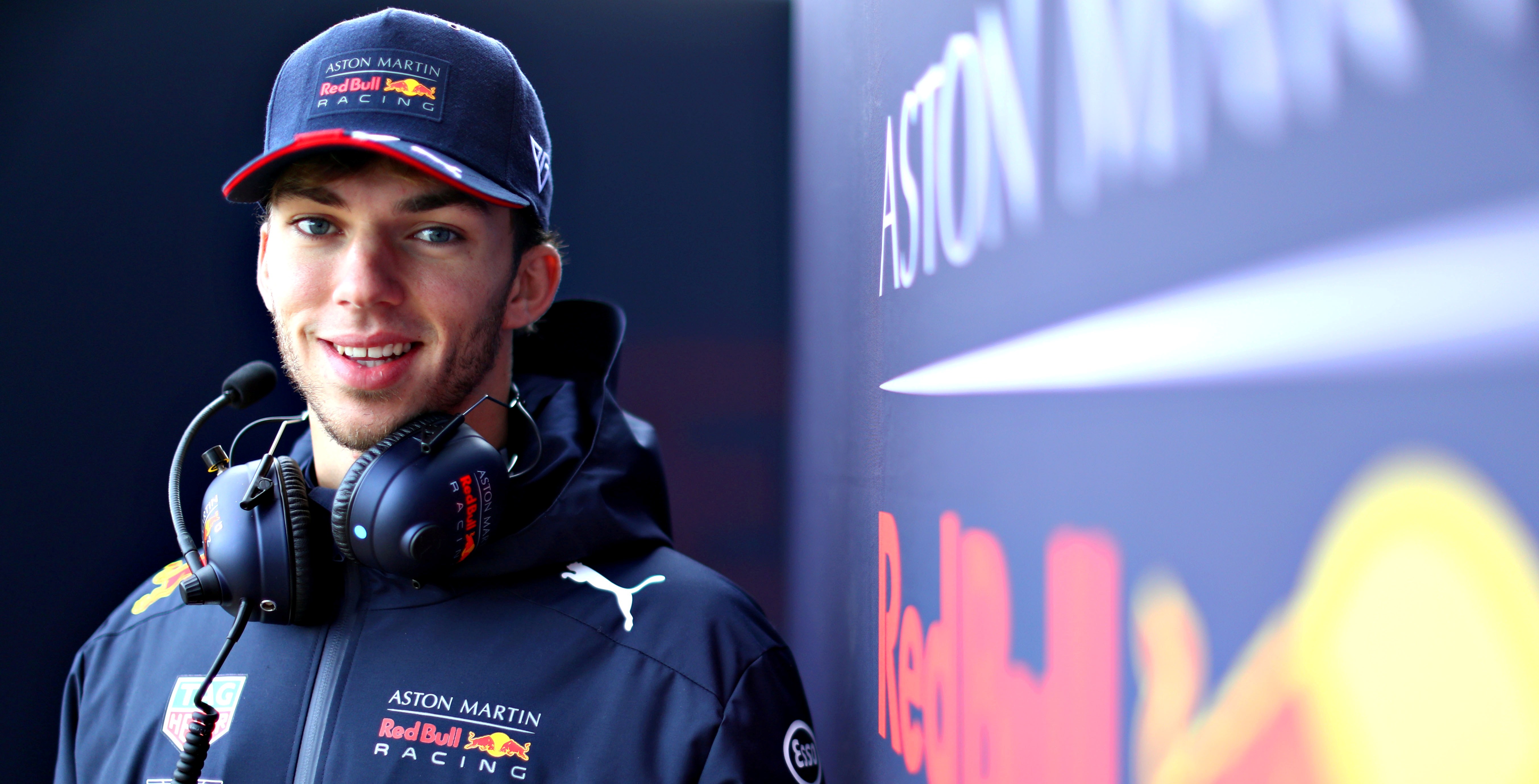
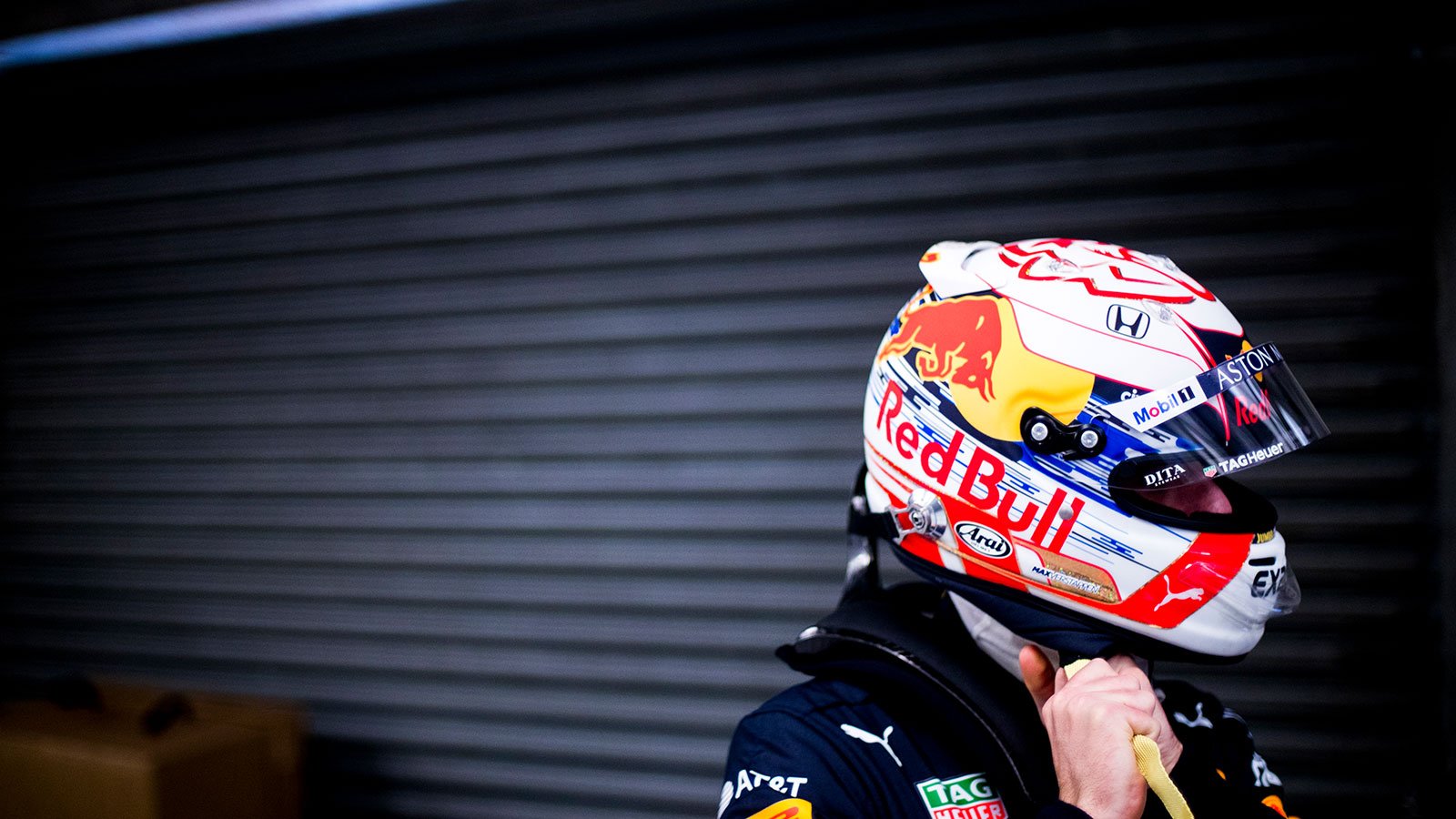
    Charles Coates, Getty Images/Red Bull Content Pool

     Brundle added that as well as its aerodynamic regulations, F1 needs to address the size of its grid to deliver a better show in the future:

    “Back in the day, a Carlin, a DAMS, or an ART would have migrated into Formula One like Eddie Jordan did, for example, or Paul Stewart Racing with the Stewart team. Now we’ve got 20 [cars], and that’s more likely to become 18 than 22 from what I’ve seen at the moment. I see that as quite a peril.

    “Ross Brawn used an expression, ‘We pulled up the drawbridge’. He’s absolutely right. We’re on a little Formula One island spending a lot of money to run 20 cars, and the drawbridge is up and I don’t see anybody waiting on the other side to come on. That’s a huge issue they need to address for the 2021 regulations.”