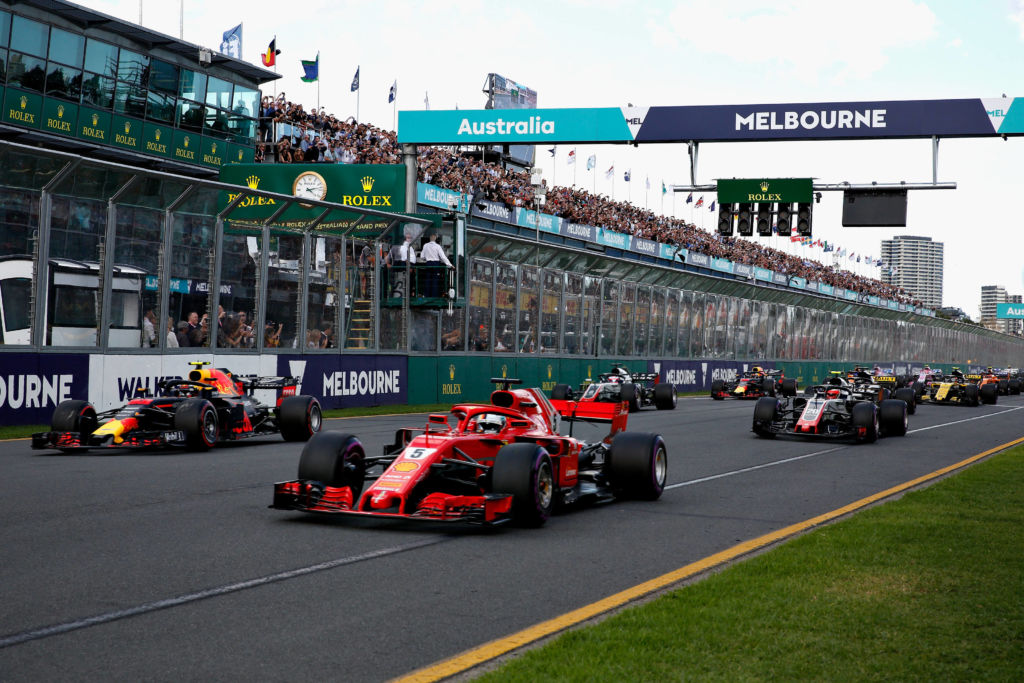
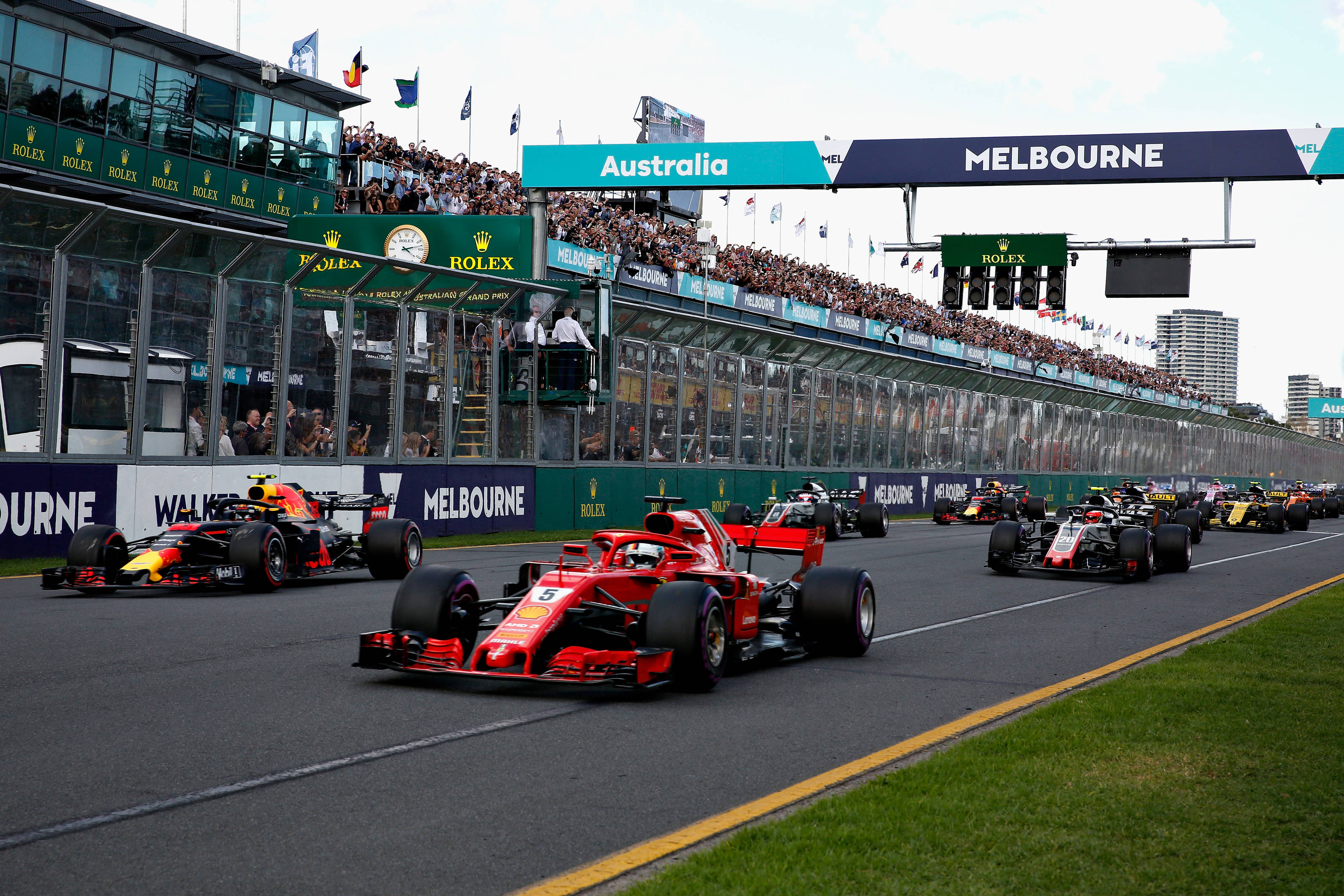
Well finally, here we are. Nearly four months after the culmination of a 2018 F1 season that saw an utter humiliation administered to Ferrari by Mercedes, the 2019 season is now upon us – and it begins in the beautiful city of Melbourne, around the 5.3 kilometre Albert Park circuit.
This has become a happy hunting ground for Ferrari in recent years. Sebastian Vettel has won it on each of the last two occasions, and could have been on for victory in 2016, if not for a costly strategic error by the Ferrari team after a red flag. World champion Lewis Hamilton was leading last year, only to be pipped by Sebastian Vettel following a Virtual Safety car which allowed Vettel a free pit stop to re-join in front of his title rival.
Further back, the battle for the best of the rest will be an interesting one; Red Bull will be using Honda engines for the first time this year, resulting in a time of relative uncertainty as to their pace and whether they can hold off possible challenges from Renault and Racing Point, who continue using Mercedes engines for this season.
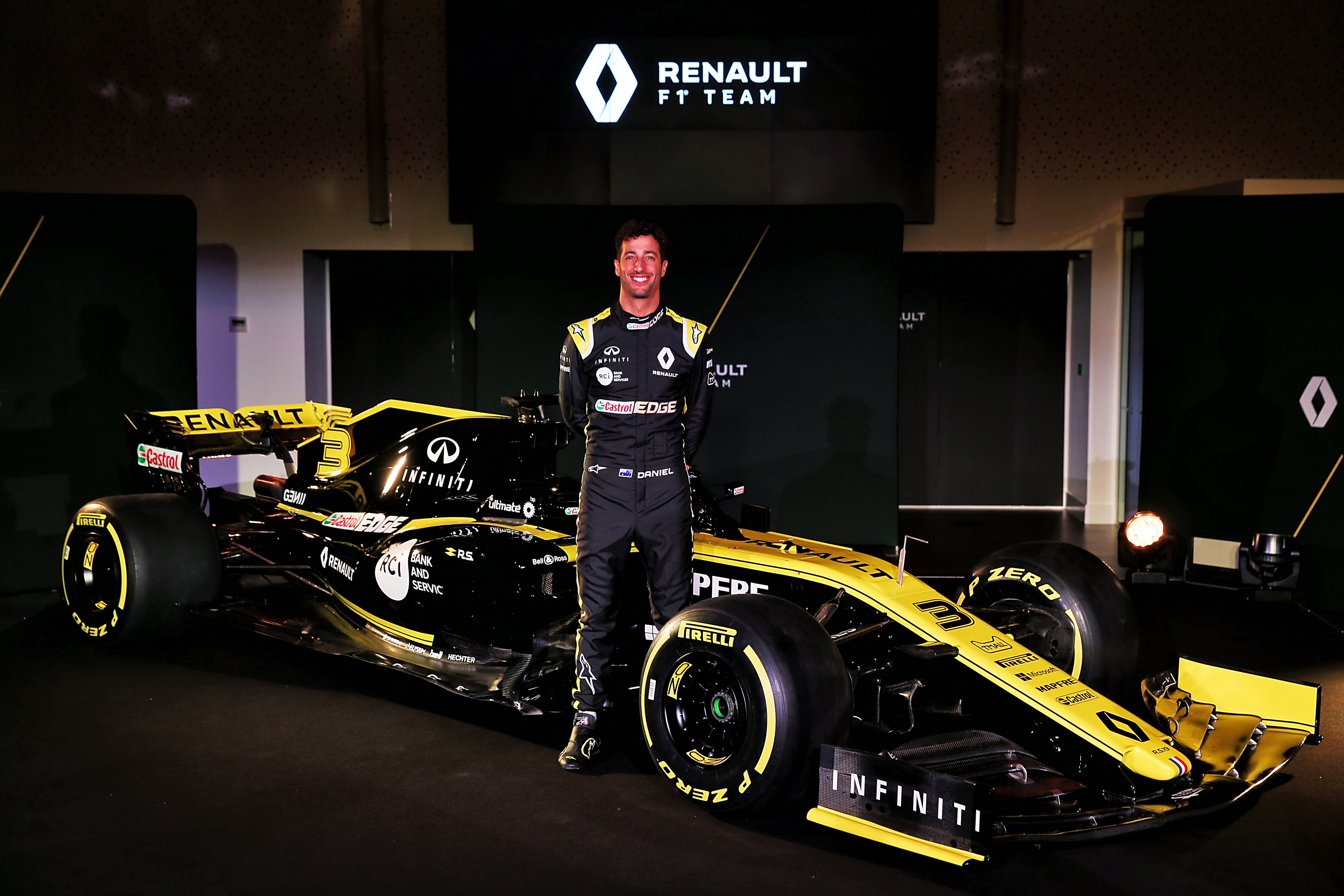
Daniel Ricciardo (AUS) Renault Sport F1 Team RS19. Image courtesy of Renault F1 Team
And speaking of Renault, this will be the home race of new boy Daniel Ricciardo. He will be looking to add to Renault’s 35 race victories and 2 championship titles; but they may have to wait until a little beyond 2019. If he were to somehow pull off a victory in the ever-improving French factory car, it would be the first time the Australian Grand Prix would have been won by an Australian in a world championship format. The race has however been won by Australian drivers 19 times in Australian Formula One. We’ll let you make your minds up as to whether that counts (it doesn’t).
Elsewhere in terms of new drivers, Charles Leclerc will make his Ferrari debut, Kimi Raikkonen is back where it all began at Sauber and we will see the F1 debuts of Lando Norris and George Russell for McLaren and Williams respectively – there is a lot to watch out for.
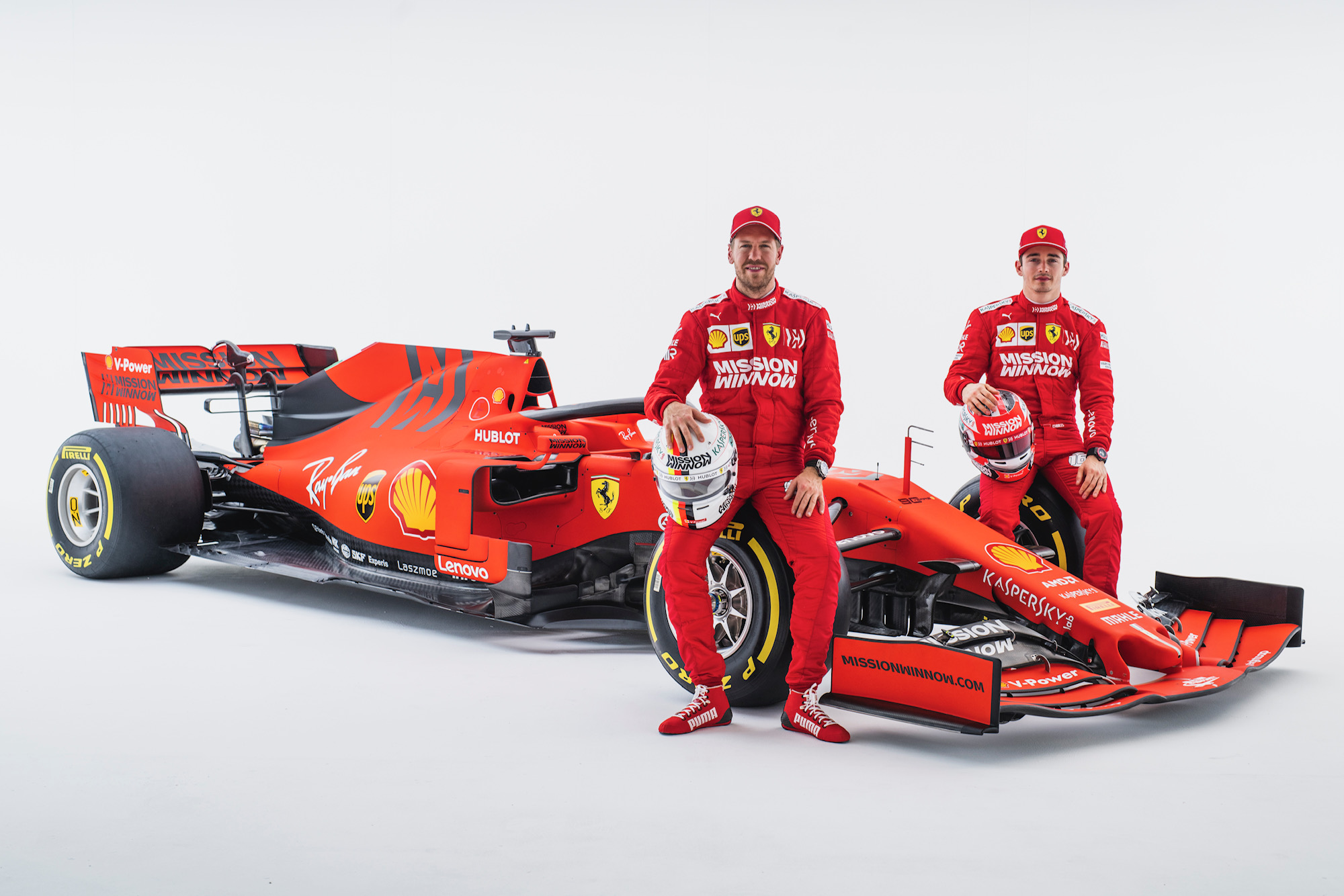
Sebastian Vettel and Charles Leclerc with the 2019 Ferrari SF90 title Challenger. Image courtesy of Ferrari
In pre-season testing, Ferrari have generally looked to have the quicker car, but Mercedes haven’t seemed to show their hand in terms of pace and both teams have had teething issues with their respective new cars. We cannot really be certain who has more power, but it will be needed around a circuit round which the throttle is used for around 70% of the lap – this figure has gone up by around 10% since the car regulation changes in 2017, highlighting the proficiency of power that teams now need; and that very few have.
As a result, a lot will be revealed in Australia, which is the reason that the event is so hotly anticipated every year, along with the various sporting venues around the city including MCG and the Rod Laver arena. There is a real sporting buzz around the city of Melbourne, making it the perfect place to start what will hopefully be a close, exciting and enticing season of Formula One racing.
As a new season dawns upon us, the Prancing horse seeks revenge against the ever potent silver arrow, as the quest to reach the top gets started Down Under.
Featured Image courtesy of Getty Images/Red Bull Content Pool
The WRC season continues with Rally Mexico, a very tricky round. Road position will be key for the hopes of those further down the championship order and this could mean that drivers like Kris Meeke, Jari-Matti Latvala and Elfyn Evans could all feature in the top spots at the end of the first day. Last year in particular, Elfyn was going well having been second fastest in stage three before the roll that gave then co-driver Dan concussion, meaning that they’d have to retire on safety grounds.
Kris of course drove well, securing at the time his last podium for Citroen Racing. Jari-Matti was the best placed of all the Toyota drivers, getting eighth place. Of course, they had challenged near the front before problems with the cars had dropped them back.
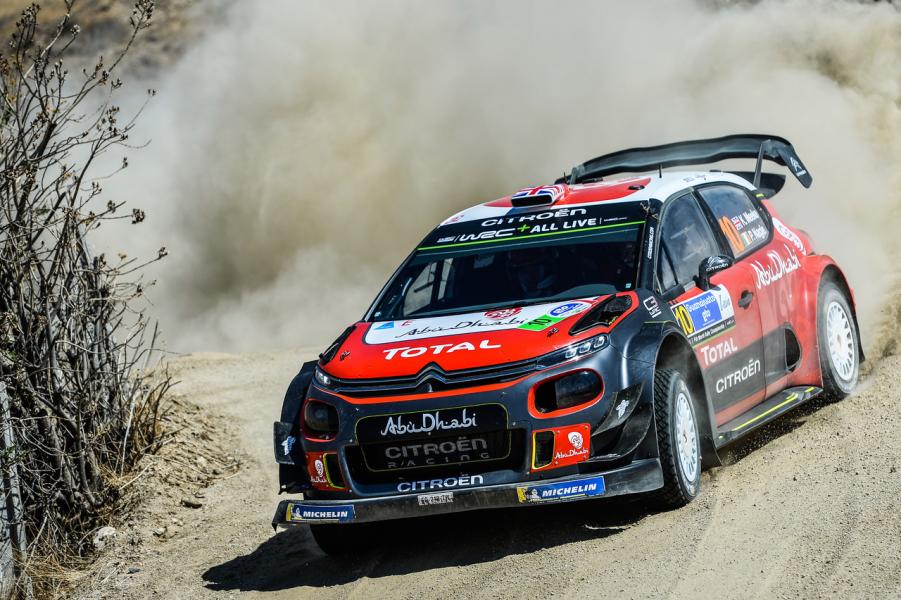
Kris Meeke scored a good podium last year for Citroen. Photo credit, Citroen Racing
Last years winner, Seb Ogier sits third in the championship and is also in a strong position to win for Citroen, although hopefully not like Kris Meeke in 2017, driving through a carpark on the last stage!
Now, here are the key points about Rally Mexico. There are 30km’s less this year, compared to last year’s event. Friday sees 114km’s of competitive stages, with Saturday 138km’s and Sunday around 60km’s.
21 timed stages covering a total of 313.87 km.
10% the percentage loss of power for every 1,000 metres above sea level.
2,756 metres – the peak altitude of the rally, located on the Ortega stage.
The stages are run six hours behind GMT.
THURSDAY 7 MARCH
10.00am: Shakedown (Llano Grande)
6.00pm: Start day 1 (Leon)
8.08pm: SS 1 – Street Stage GTO (1,14 km)
9.38pm: End of day 1 (Leon)
FRIDAY 8 MARCH
9.00am: Start day 2 and service A (Leon – 15 mins)
10.18am: SS 2 – El Chocolate 1 (31,57 km)
11.16am: SS 3 – Ortega 1 (17,28 km)
12.59pm: SS 4 – Street Stage Leon 1 (1,11 km)
1.34pm: Service B (Leon – 40 mins)
3.17pm: SS 5 – El Chocolate 2 (31,57 km)
4.15pm: SS 6 – Ortega 2 (17,28 km)
5.18pm: SS 7 – Las Minas (10,72 km)
6.58pm: SS 8 – V-Power Shell Stage 1 (2,33 km)
7.03pm: SS 9 – V-Power Shell Stage 2 (2,33 km)
8.03pm: Flexi service C (Leon – 45 mins)
SATURDAY 9 MARCH
7.15am: Start day 3 and service D (Leon – 15 mins)
8.23am: SS 10 – Guanajuatito 1 (25,90 km)
10.11am: SS 11 – Otates 1 (32,27 km)
11.08am: SS 12 – El Brinco 1 (8,13 km)
12.53pm: Service E (Leon – 40 mins)
2.31pm: SS 13 – Guanajuatito 2 (25,90 km)
4.29pm: SS 14 – Otates 2 (32,27 km)
5.38pm: SS 15 – El Brinco 2 (8,13 km)
7.03pm: SS 16 – V-Power Shell Stage 3 (2,33 km)
7.08pm: SS 17 – V-Power Shell Stage 4 (2,33 km)
7.51pm: SS 18 – Street Stage Leon 2 (1,11 km)
8.21pm: Flexi service F (Leon – 45 mins)
SUNDAY 10 MARCH
8.00am: Start day 4 and service G (Leon – 15 mins)
9.03am: SS 19 – Alfaro (24,38 km)
10.11am: SS 20 – Mesa Cuata (25,07 km)
12.18pm: SS 21 – Las Minas Power Stage (10,72 km)
1.53pm: Service H (Leon – 10 mins)
3.00pm: Podium
Let’s hear from the drivers.
Citroën Total WRT
Sébastien Ogier
“We had two good days of pre-event testing, on roads that were fairly representative of the kind of stages we’ll have to tackle this weekend. We were lucky with the weather during the tests, which was very warm, although obviously not quite as hot as in Mexico. After a tough Rally Sweden, where we weren’t able to express ourselves, I can’t wait to get started and realise our full potential. The stages are beautiful here but you do need to be careful on the afternoon loop, when it’s warmer. The second passes are always hard on the cars, especially as the high altitude means not only reduced horsepower but can also cause issues with cooling.”
Esapekka Lappi
“The tests held in Spain enabled me to feel even more comfortable in my C3 WRC, building on what we achieved at Rally Sweden. I feel increasingly at one with the car. Having said that, I know that my experience of Rally Mexico is very limited. I only have one competitive appearance here, at last year’s rally, in addition to completing recce in 2017. In light of that, a top-five finish would be a good result for me. Our starting order will give us an advantage over the first few crews so it’ll be up to us to make the most of it. You really need to be clean and efficient in your driving on these roads, given that we lose about a hundred or so horsepower due to the high altitude.”
Toyota Gazoo Racing WRT
Ott Tänak
“It was a great feeling for us to win in Sweden, but we quickly changed our focus to Mexico. We flew straight to Spain for two days of gravel testing on the Monday and Tuesday after the rally. We worked on a number of different things, just trying to be as well-prepared as we can be. The whole team has been working hard and I believe we should be competitive in Mexico. As championship leaders, we will have to run first on the road on the Friday. It won’t be easy but we saw in Mexico last year that it is possible to have a good result from this position, so let’s see how it goes.”
2018 FIA World Rally Championship / Round 03, Rally Mexico 2018 / March 8-11, 2018 // Worldwide Copyright: Toyota Gazoo Racing WRC
Jari-Matti Latvala
“I am looking forward to being in Mexico: particularly the warm sun at the end of the Finnish winter! So far, it hasn’t really been the start to the season for me that I would have wanted. If there is one positive from this, however, it is that I will have quite a nice starting position for the first day in Mexico, as the eighth car on the road. I had a good test in Spain last week, using pretty much the same setup that I used to win in Australia, with just a few small tweaks. Most importantly, I am confident that as a team we are totally prepared this year for the altitude and the high temperatures.”
Kris Meeke
“I had two days of testing in the south of Spain last week, which was my first time driving the car on gravel outside of Finland. It was really useful for me and I came away feeling comfortable. Mexico is a place I’ve gone well in the last few years: I won in 2017, and last year I was in the fight for the victory and finished third. Now with a different car I hope to be competing at the sharp end once again. Monte Carlo and Sweden were events with very complicated conditions where it would have been easy to make a mistake. Mexico is usually a lot more consistent, and I’m looking forward to it.”
Hyundai Motorsport
Thierry Neuville
“We have got the 2019 season off to a solid start with two satisfying podium results. It’s early days in the championship but we have shown our pace and potential, as well as identifying areas of improvement. Mexico, as always, will be a different challenge. It’s the first rally of the year with hot temperatures, a real contrast to Monte-Carlo and Sweden, as well as being high up in the mountains. The reduction of oxygen at altitude will mean less horsepower for the engine, while the heat makes life more demanding in the cockpit for the driver and co-driver. It’s a rally where we’ve fought for podiums in the past, so we know what we have to do to be successful.”
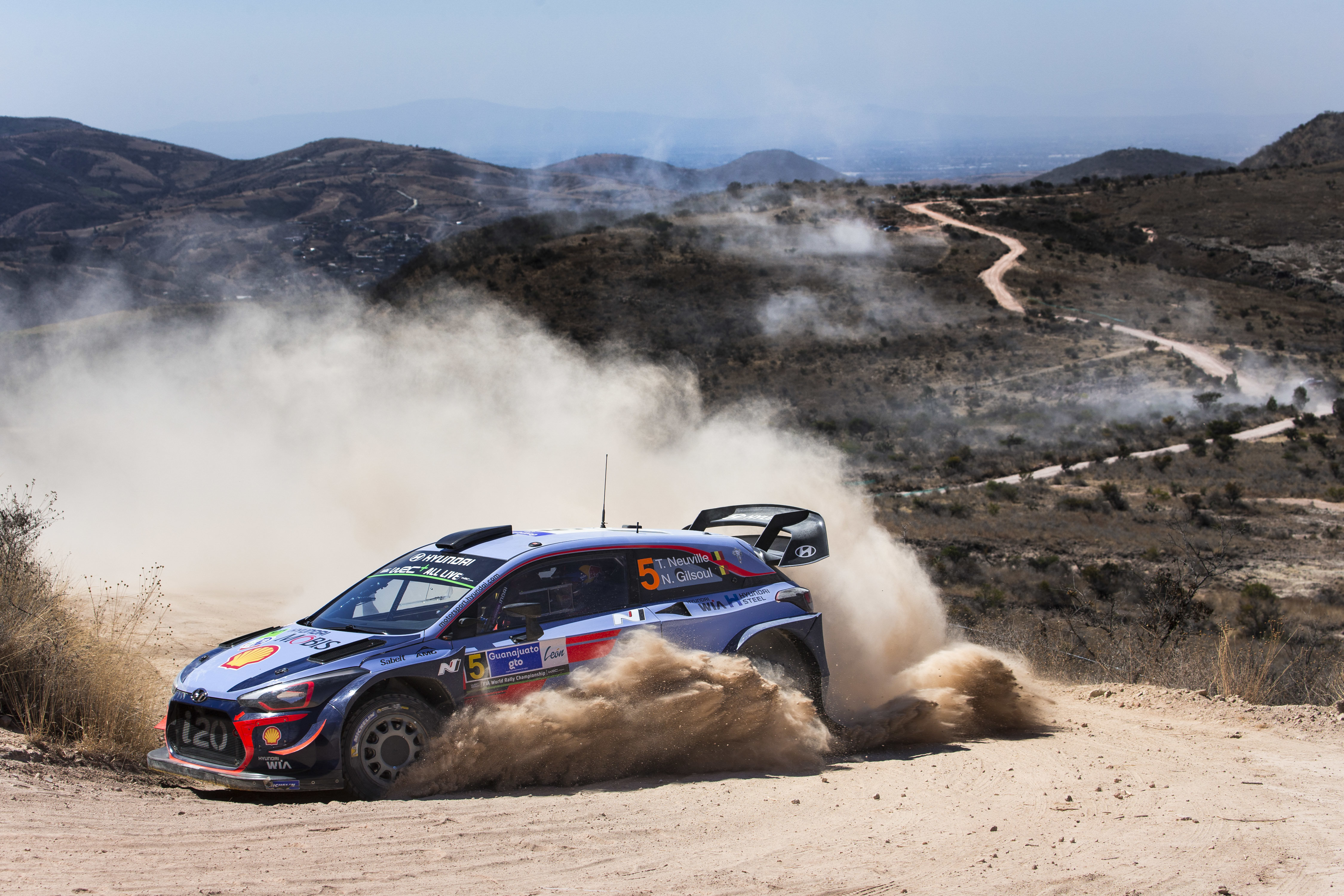
2017 FIA World Rally Championship Round 03, Rally Mexico 07-11 March 2018 Action Thierry Neuville, Nicolas Gilsoul, Hyundai i20 Coupe WRC Photographer: Helena El Mokni Worldwide copyright: Hyundai Motorsport GmbH
Andreas Mikkelsen
“The difference in conditions from Sweden to Mexico could not be greater! It is one of the warmest rallies of the season, at high altitude and with some long, hard gravel stages. The combination of heat and height makes it a gruelling rally for crews and cars. The altitude reduces the engine power output, which means we are constantly looking for something more from the car. The start of the season has brought some positives for us as a crew, and for the team. We were fighting for second place in Sweden, so we’ll be hoping to feature near the front in Mexico too.”
Dani Sordo
“I am happy to be starting my first WRC event of the season, having followed the opening rallies very closely. The other crews have already warmed themselves up at Monte-Carlo and Sweden, even in the cold conditions. Now it’s time to begin our own season! Carlos and I used Rali Serras de Fafe as a way of preparing ourselves for Mexico, and we had a successful weekend in the Hyundai i20 R5. We will use this experience, as well as Thursday’s shakedown, to get quickly up to speed, as we aim to fight for the podium. Mexico is a tough event but one I enjoy and with incredible support from the fans.”
M-Sport WRT
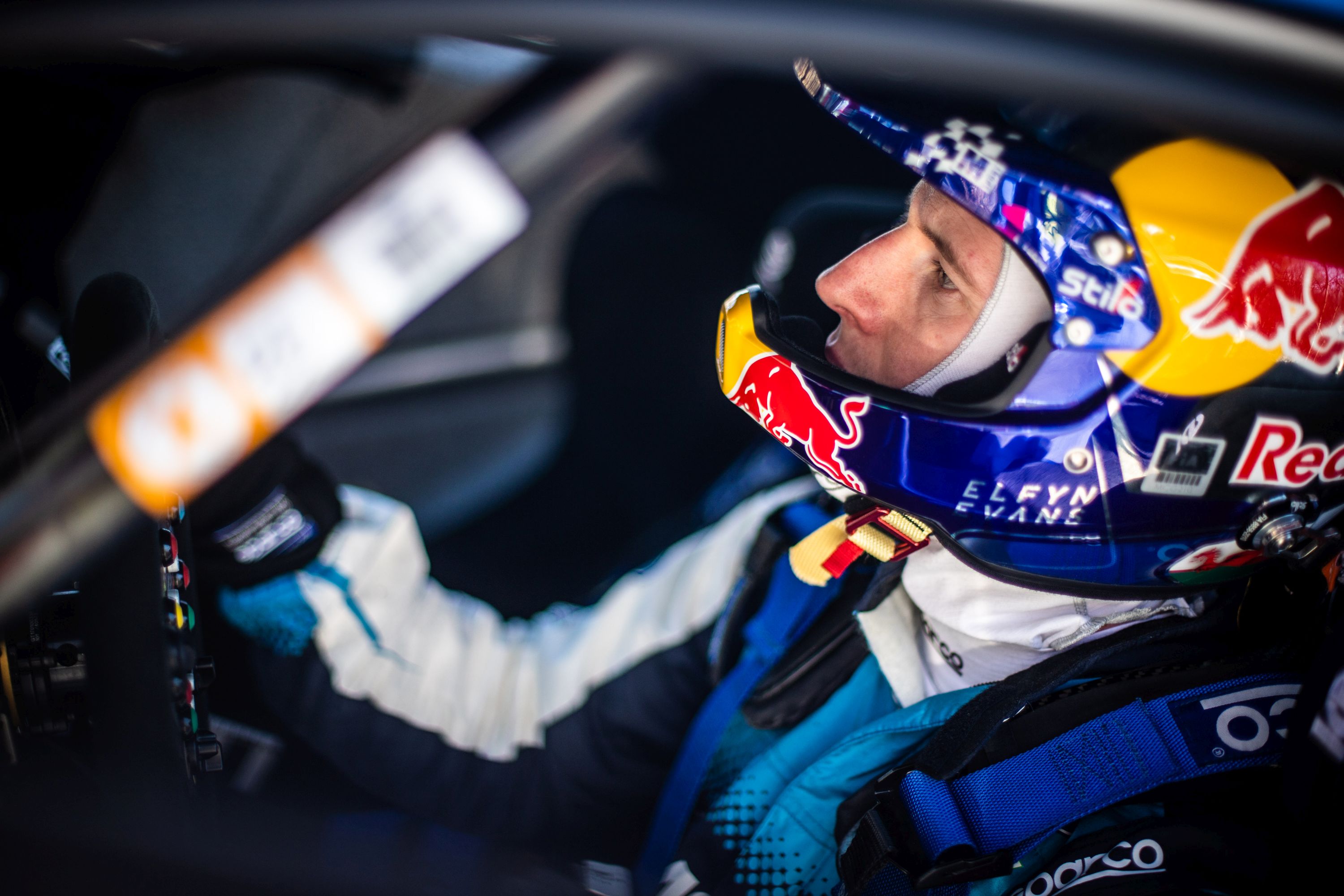
Elfyn Evans
“I’ve always enjoyed Rally Mexico and have had some good results here in the past. I’ve come close to the podium a couple of times, and the aim will be to challenge for the top results again next week. The whole team showed good speed in Sweden, and we want to continue that in Mexico.
“We’ll have a good road position on the first day that we’ll need to make the most of. But this rally isn’t without its challenges. It’s a notoriously demanding event with high temperatures and rough stages. So, we’ll need to be fully focused to deliver the best results.
“We’ll also encounter the highest altitudes of the year, and the thinner air can see performance fall by as much as 20 percent. We’ll need to adapt our driving style to contend with that – being really smooth and not so aggressive behind the wheel – to ensure we’re getting 100 percent of the available performance.”
Photo credit, M-Sport.
Teemu Suninen
“Rally Mexico and Rally Sweden are two totally different events, but it would be nice to continue our strong performance. We drove a one-day test in Spain last week and, although the temperatures aren’t very close to what we’ll see in Mexico, it was a good opportunity to get a feel for the car at high altitude on gravel.
“The feeling was really good, but there is always a little uncertainty going to the events as we don’t know what our rivals have done. There was that same feeling before Sweden, but our pace was good and we had the speed to challenge for the top results.
“I don’t know if we’ll be able to challenge with the top guys next week, but we’re all working really hard and team have put a lot of effort into the development of the Fiesta. That hard work showed in Sweden, and I hope it will show in Mexico too.
“I’ll have a later start position, but that’s not always a good thing as there could be a lot of stones dragged onto the line. The key for me will be to drive neatly and have the consistency as well as the speed.”
Łukasz Pieniążek (WRC 2 Pro)
“I’m really looking forward to Rally Mexico which will be my first ever event outside Europe. Due to the high temperatures and potentially really demanding conditions, Kamil [Heller, co-driver] and I have been training really hard, and we’re ready for the battle.
“We left Poland on Thursday to give ourselves two days to acclimatise ahead of Monday’s pre-event test. I didn’t find a set-up that was perfectly suited to my driving in Sweden, but we have a few ideas of what we can improve next week. We want to continue the work we started in Sweden – to try a few things and get to know our Fiesta better.
“It’s a great pity that we’ll be the only WRC 2 Pro crew in Mexico, but that doesn’t mean we’re not going to fight. Our goal is to be the first R5 crew so we won’t be cruising and we’ll try to go as fast as possible. On the other hand, there will surely be less pressure. Either way it’s still going to be a long and demanding rally, but the longer the stages the better for me.”
Summary
Well, we are set for an interesting event, with potentially five or six different winners. We could have a mixed podium with crews from different teams. In fact, this is what happened last year. The weather looks to be very hot and dry over the weekend.
Now you’ll also be able to listen and watch live with WRC+, and there’ll be highlights on Channel 5 as well. Finally, early next week you will be able to read a full review, stage by stage right here.
Check out the latest Mobil 1 The Grid video featuring Haas F1’s Romain Grosjean, Kevin Magnussen and Guenther Steiner as they reflect on the ‘Haas Project’ whilst also previewing the season ahead.
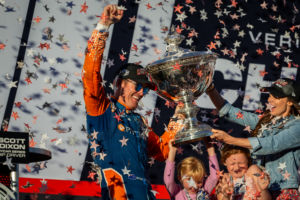
After a long off-season, the start of the 2019 IndyCar season is just a few days away. 2019 holds huge potential for great racing and a very close title fight, with numerous contenders all looking to topple the defending champion, Scott Dixon. Since the end of last season, there have been some significant changes, affecting action both on and off the track, so here’s a run through of them.
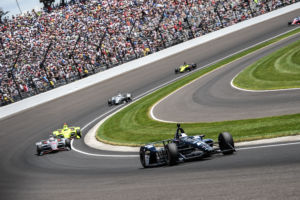
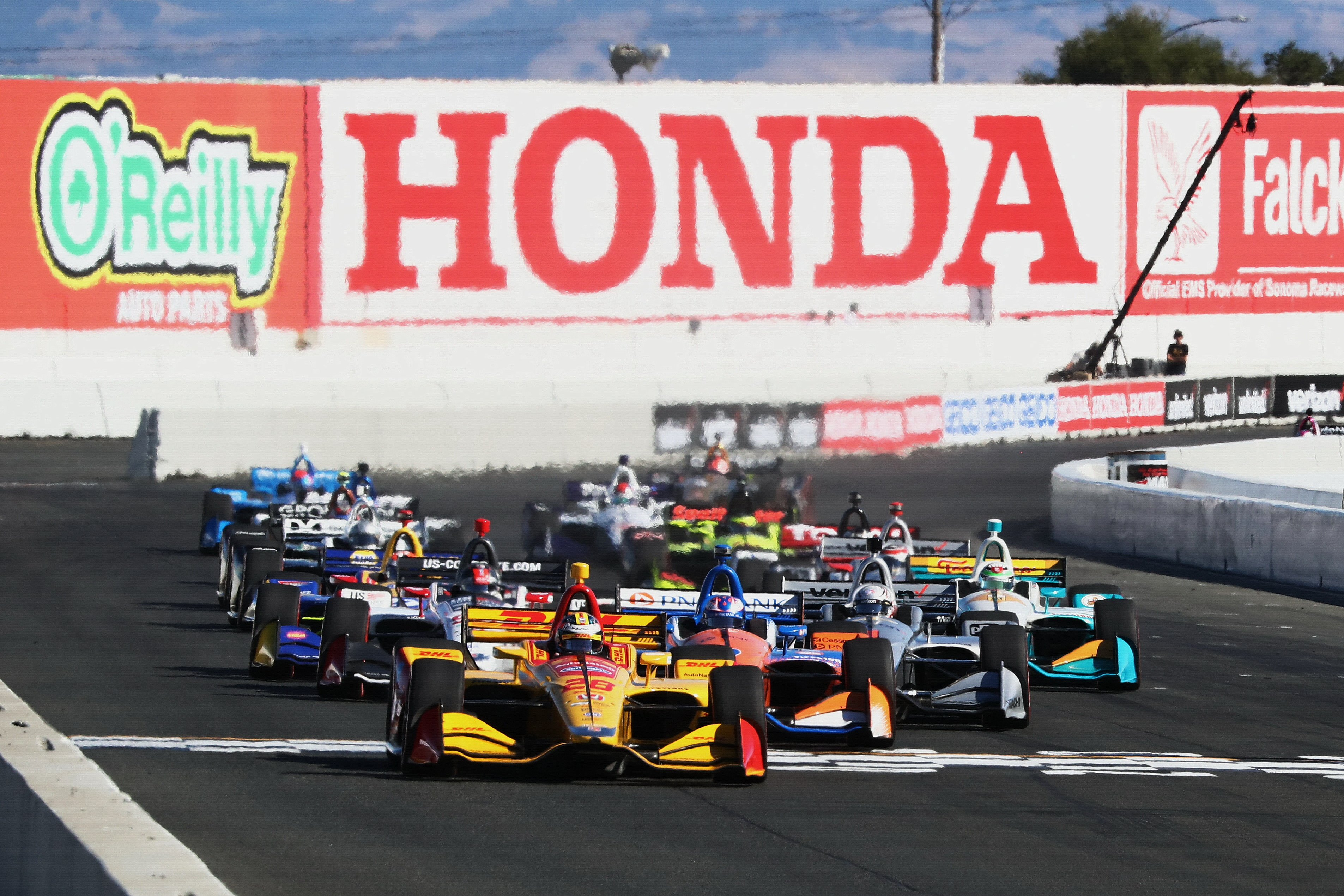
2019 will see the same number of races as 2018, seventeen, but there have been a few switches and substitutions. Phoenix and Sonoma have both left the calendar, with both experiencing financial difficulties and drops in attendance over recent years. With Phoenix gone from its slot in second on the calendar, the first oval race will now be the Indy 500, which is certainly a change from years past.
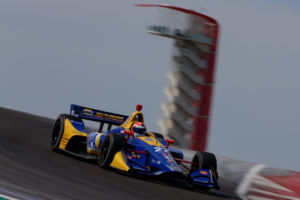
Replacing Phoenix is the Circuit of the Americas, which has been an F1 venue since 2012. This is an addition that has been expected for some time, and it has finally materialised for this season. Similarly, Laguna Seca is making its long-awaited return to the IndyCar calendar, taking over from Sonoma as the season finale.
Credit: Joe Skibinski/IndyCar
The only other changes are relatively minor; Long Beach and Barber are switching around so that Barber is now third and Long Beach fourth and Iowa and Toronto have done the same, with Toronto now eleventh and Iowa twelfth.
Some more major changes have taken place off the track, with regards to how fans will be watching the series this year. Last season, ABC aired its last IndyCar race at Detroit, handing over exclusive rights in the US to NBCSN, who will show all races in 2019. Outside the US, it’s all change with IndyCar taking international coverage in-house, rather than going through ESPN as they have done in the past.
This means that UK coverage switches from BT Sport to Sky Sports, who will be showing all qualifying sessions and races live on their Sky Sports F1 channel. While it’s far from free-to-air, Sky is slightly more accessible than BT and it means that viewers can get F1 and IndyCar on the same channel, making the cost a bit more acceptable.
Fernando Alonso was reported to have taken over IndyCar rights in Spain near the end of last year, but that was never officially confirmed. Meanwhile, Canada’s TV coverage remains somewhat up in the air, with some races available on NBC, but not all, and no clear provider announced, which isn’t exactly great for one of IndyCar’s biggest audiences.
Credit: Doug Matthews/IndyCar
Back on track, there have been some alterations to what is the biggest IndyCar race of the year – the Indy 500. These changes mainly revolve around qualifying and bumping, after James Hinchcliffe was infamously bumped out of the race last year. With 33 entries already confirmed, and more expected, bumping will be taking place this year, but with a difference…
This year, the Saturday session will lock-in starting positions 10 through to 30 – leaving the order of the Fast Nine and the last three entrants to be decided on the Sunday, in two separate sessions.
Many are citing this as a way of avoiding any shock bumpings, meaning that all the full-time drivers should qualify for the race, as should Alonso who makes his Indy 500 return after a year away.
Another new addition to the Indy 500 will be the Advanced Frontal Protection system, which is scheduled to make its race debut at the 500 before being used in all races thereafter.
For the season as a whole, there’s a wide range of drivers that could be in the mix for both race wins and the championship. The usual suspects of Scott Dixon, Will Power, Josef Newgarden, Alexander Rossi and Ryan Hunter-Reay should all be in contention, but the likes of Hinchcliffe, Sebastien Bourdais, and even some of the rookies like Felix Rosenqvist and Marcus Ericsson, could also be strong challengers.
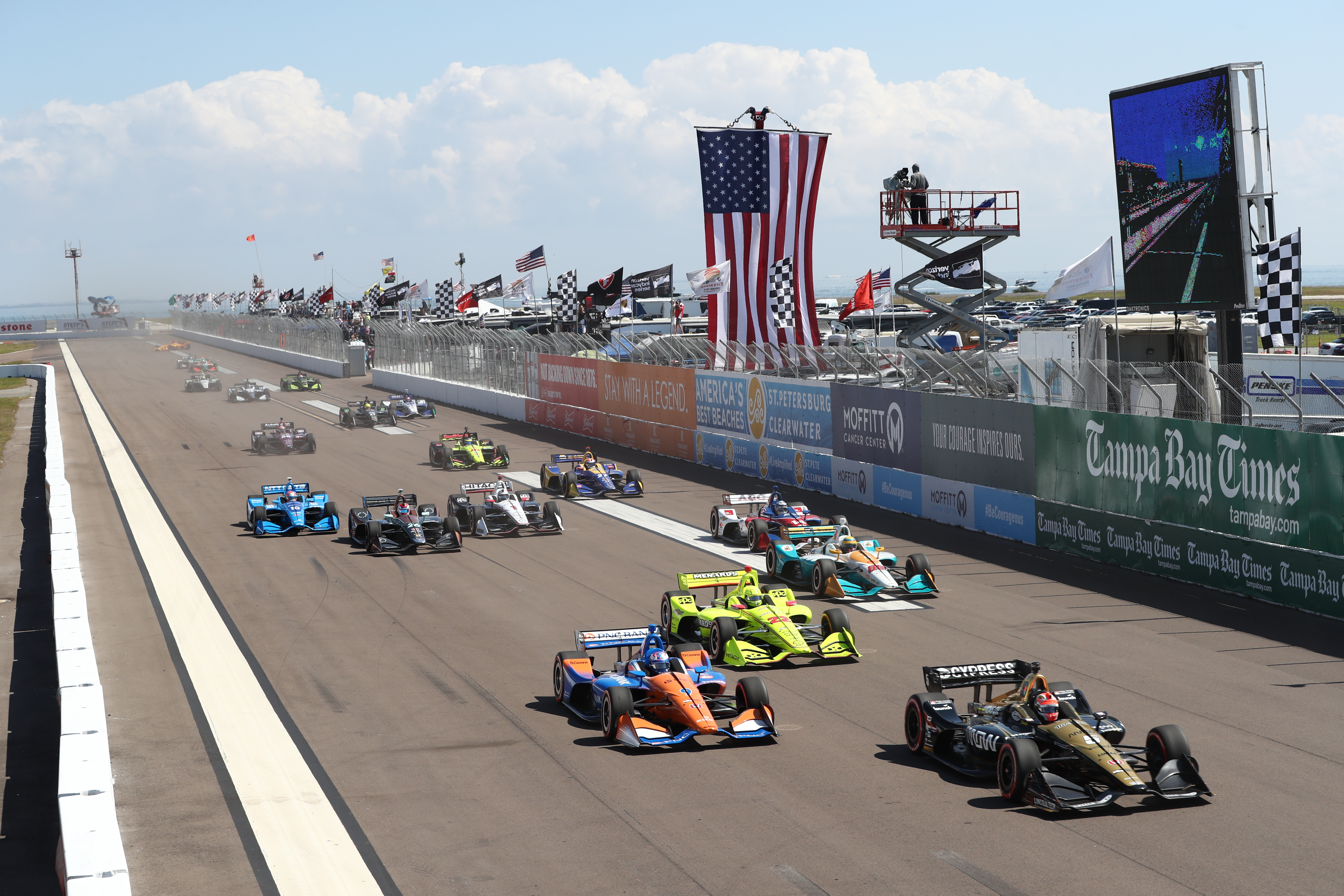
The season kicks off at St Petersburg on March 10th, with the race starting at 12:30pm ET, 5:30pm GMT. The full schedule and entry list for St Pete are as follows:
March 8th
Practice 1 – 10:45am (ET) / 3:45pm (GMT)
Practice 2 – 2:20pm / 7:20pm
March 9th
Practice 3 – 10:25am / 3:25pm
Qualifying – 2:30pm / 7:30pm
10th March – St. Petersburg (S)
24th March – Circuit of the Americas (R)
7th April – Barber Motorsports Park (R)
14th April – Long Beach (S)
11th May – Indianapolis GP (R)
26th May – 103rd Indy 500 (O)
1st June – Detroit Race 1 (S)
2nd June – Detroit Race 2 (S)
8th June – Texas Motor Speedway (O)
23rd June – Road America (R)
14th July – Toronto (S)
20th July – Iowa Speedway (O)
28th July – Mid-Ohio (R)
18th August – Pocono Raceway (O)
24th August – Gateway Motorsports Park (O)
1st September – Portland (R)
22nd September – Laguna Seca (R)
The 2019 IndyCar season is almost upon us with a grid packed full of talent from across the world, each with varying amounts of experience in the series. Five rookies join the grid this season, accompanying the seven champions and plethora of race winners. Here’s a run-down of the twelve main teams and their respective drivers for 2019…
Reigning champions Chip Ganassi Racing have retained Scott Dixon, with their partnership entering into its seventeenth year, while a different driver steps into the #10 entry for the third year running. After Ed Jones’ fall from grace with Ganassi, Swede Felix Rosenqvist will be hoping for better fortunes in his rookie season. The ex-just-about-everything driver makes his IndyCar debut this season, after running in Indy Lights in 2016 and walking away from a top Formula E drive to take up the Ganassi vacancy. He, like all Dixon’s previous teammates, will have his work cut out trying to match ‘The Iceman’, but he’ll be learning from the best and has good potential for the season ahead. For Dixon, the aim’s the same as it always is; to win the championship – and you’d be brave to bet against him doing just that.
Credit: Stephen King/IndyCar
Andretti Autosport are keeping their four-car line up for 2019, with the same drivers as they had last season. Alexander Rossi leads the charge after just missing out on the title in 2018, while Ryan Hunter-Reay will be looking to regain his once established position as team leader. Zach Veach lines up with a year of experience under his belt after a tough but promising rookie season, with the youngster looking to take the fight to his teammates on a more regular basis. Attention is starting to turn to whether Marco Andretti really deserves his drive at the team after he extended his losing streak to 126 races in 2018; his future is in doubt if he doesn’t put that right soon. Andretti are planning to run five cars at the Indy 500 with Conor Daly joining the team in the #25.
Like Andretti, Team Penske are sporting an unchanged line up for 2019 with their three drivers all crowned champion in the last five years. Will Power was the main one flying the flag for Penske last season and will be aiming to continue to do so heading into this season. Josef Newgarden’s hopes of championship retention came crashing down during 2018, and he will not want to be left behind by Power again in 2019. Simon Pagenaud’s career seems to be on the rocks at Penske, with him edging ever nearer to the same IMSA fate of Helio Castroneves and Juan Pablo Montoya – he needs a good season to stand a chance of staying at Penske. Castroneves will join the team for the Indianapolis GP and the Indy 500, as he did last season.
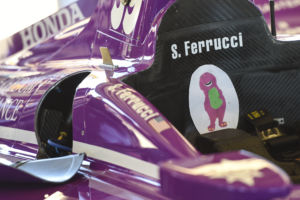
Dale Coyne Racing have kept hold of four-time CART champion Sebastien Bourdais, who will have the job of leading the team and coaching yet another rookie through their first season of IndyCar. This time, it’s F2-reject Santino Ferrucci who has had to turn his back on his F1 dreams to instead chase a career in the States, after his high-profile departure from F2 last season. Ferrucci’s pace was promising at the four races he competed in during 2018, and you’d expect Dale Coyne to benefit from the consistency of having a single driver in the #19, a far cry from the car sharing shenanigans of 2018.
Credit: Chris Owens/IndyCar
Rahal Letterman Lanigan Racing are the third of four teams to have an unchanged line up for 2019. Graham Rahal and Takuma Sato will once again be fielding the two RLL cars for the full season, while Jordan King will be joining them for the Indy 500. After Sato took the team’s only win last season, all involved will be hoping for a more fruitful 2019 and a rise up the grid, after years of inconsistencies.
Schmidt Peterson Motorsports have a new title sponsor in Arrow Electronics, after being a personal sponsor of James Hinchcliffe for a number of years. Hinchcliffe is staying put at SPM, but he welcomes a new teammate for the third year running. Marcus Ericsson joins SPM after five years in relatively back-marker teams in F1. Having another new driver was not the intention of SPM, but after Robert Wickens was seriously injured at Pocono last season, they had to bring another driver in. Wickens continues to recover and the #6 SPM remains open to him ‘when he wants to and is able to return’. Jack Harvey will also run with the team in partnership with Meyer Shank Racing for ten races, up from the six he competed in last season.
Credit: Joe Skibinski/IndyCar
Ed Carpenter Racing have kept on two of their three drivers from last season with Jordan King leaving and Ed Jones replacing him in the shared #20 drive. Spencer Pigot will once again be in the #21 car for the full season while team owner Ed Carpenter and Jones share the #20 – with Carpenter in on the ovals and Jones in for the road courses, as per the usual arrangement. The only difference this season is that Jones will be entering the Indy 500 in a one-off #64 entry, taking his race total up to thirteen for 2019.
Despite a fairly dismal 2018, AJ Foyt Racing haven’t been tempted to shake things up with their drivers, keeping their all-Brazilian line up of Tony Kanaan and Matheus Leist. At 44 years old, it’s widely accepted that Kanaan is nearing the end of his IndyCar tenure, while teammate Leist is only just getting started. They worked well together last season and will intend to do so again in 2019 in an attempt to drag AJ Foyt Racing back up the grid.
After initially expecting to have a three-car lineup, Carlin have ended up only entering two cars, with some doubt over whether the second will be running as a full-time entry or not. Max Chilton will be in the #59 full-time, as he was last season, and he’s once again joined by Charlie Kimball however, the American has only be confirmed for five races in the #23. RC Enerson, who has previously run in IndyCar, albeit briefly, has been announced as another driver of the #23, but his races are yet to be confirmed and there is some speculation that there could be a third driver in the #23.
Harding Steinbrenner Racing are another team who promised more entries than they have delivered. Indy Lights runner-up Colton Herta will be in the only full-time entry for the team while the #8 car is expected to run in the Indy 500, though a driver has yet to be announced. Previously, Indy Lights champion Pato O’Ward was signed for Harding, but after it emerged that they had failed to get an engine lease for the #8 to run for the full season, he walked away and is yet to find a new drive.
Credit: Chris Owens/IndyCar
Juncos Racing also have a bit of a cloud over their heads with the team only confirmed for one race, Texas, with Kyle Kaiser. They’re expected to run in more with another driver, but nothing more has been announced.
DragonSpeed are the only new entrant to IndyCar in 2019 to be running in more than just the Indy 500. Ben Hanley makes his IndyCar debut with the team after racing with them in IMSA, WEC and ELMS over the past few seasons. Hanley’s been confirmed for five races in the #85, including the Indy 500.
That’s a wrap for the 2019 IndyCar grid! Stay tuned for more previews for both IndyCar and the Road to Indy in the run-up to the first race at St Petersburg on March 10th.
New teams, new cars, new rules, it’s all change in the British Touring Car Championship, and it is shaping up to be one of the best seasons ever.
The 2018 campaign went right down to the wire, with BMW’s Colin Turkington prevailing over independent driver Tom Ingram to win his third title. In a season which saw 17 different race winners, 2019 has a tough act to follow.
With only one more driver to be announced, the grid is taking shape, and with a host of changes, including an ex-Formula One driver making their BTCC debut, the racing will be just as competitive.
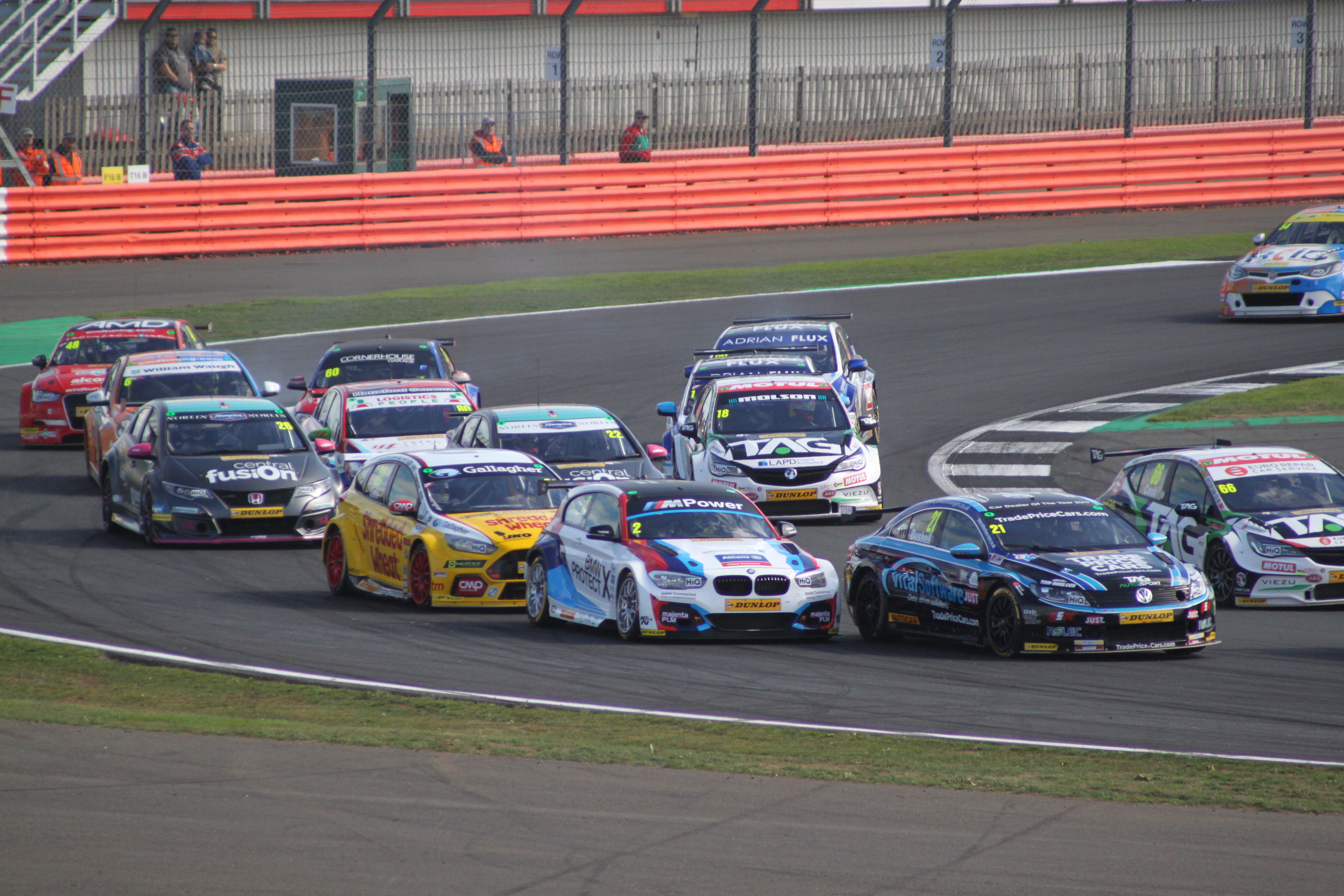
Champions BMW are replacing the title winning 1 series with the all new 3 series, bringing back a very successful model from BTCC history. They have brought in Tom Oliphant from Ciceley Motorsport to replace Rob Collard, who moves to Power Maxed Racing. He will partner reigning champion Turkington. Andrew Jordan remains at BMW in his Pirtek sponsored car.
Team Dynamics retain their driver lineup of Matt Neal and Dan Cammish in their Honda Civic Type R’s. Both will be looking to build on an impressive debut year for the all new FK8 Civic.
The big news over the winter is that Toyota are returning to the sport in a full manufacturer capacity. Enjoying title success in the 80’s with Chris Hodgetts winning two titles, Toyota will be running the Speedworks Motorsport team with Tom Ingram behind the wheel of the all new Corolla, replacing his Avensis used in recent years.
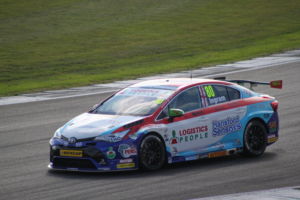
2019 sees the Toyota Avensis retired in place of the all new Corolla.
Team BMR retain Subaru’s manufacturer backing, title sponsor Adrian Flux, and 2017 champion Ash Sutton. Though they welcome Senna Proctor to the team, who moves from Power Maxed Racing. In an effective straight swap, Jason Plato moves to PMR, who are backed by Vauxhall, reigniting a famous partnership which saw Plato win his first title in 2001. Plato is joined by former BMW man Rob Collard in the Vauxhall Astra’s.
Motorbase continue with their Shredded Wheat backed Ford Focus’, with Tom Chilton remaining with the team after finishing third in last season’s championship. Ollie Jackson replaces James Cole in the second Focus, moving from AMD Tuning. The third Motorbase car will be ran by Nic Hamilton, younger brother of F1 superstar Lewis.
New team Trade Price Racing raised eyebrows in the off-season by announcing former F1 and IndyCar driver Mark Blundell will be joining the grid in one of their new Audi S3’s. Jake Hill will be partnering him.
BTC Racing had a fine season last season, and welcome former Power Maxed driver Josh Cook to partner Chris Smiley. Cook showed his prowess last season picking up a handful of wins and going head to head with Ash Sutton in the final race of 2018 at Brands Hatch. They’ll be looking to build on another strong season in their Honda Civic FK7’s.
Ciceley Motorsport retain Adam Morgan and welcome former Clio Cup driver Dan Rowbottom to drive their Mercedes A Classes. Aidan Moffat remains in a Mercedes but has gone solo, having formerly ran under the Ciceley banner with his Laser Tools team.
AMD Tuning have ditched their Audi’s for the ex-Eurotech Honda Civics. They have recruited Rory Butcher and Sam Tordoff to drive their RCiB Insurance backed cars.
Another new team to the BTCC grid is Excelr8 Motorsport. They will be racing in the former AMD MG6’s that will be driven by Rob Smith. He has worked with Excelr8 for the last four seasons in the Mini Challenge and will be looking to hit the ground running in the BTCC. Their second driver is yet to be announced.
Team HARD continue with their four-car squad, running Volkswagen CC’s. Mike Bushell and Bobby Thompson remain with the team, with Carl Broadley and Michael Crees joining them.
Independent driver Matt Simpson continues with his Simpson Motorsport team while Stephen Jelley is expected to remain with Team Parker Racing despite no official word from the team or driver.
With the BTCC going through a period of transition, one constant remains, the racing promises to be as scintillating as ever.
The final MotoGP preseason test of 2019 took place over the weekend in Qatar, with teams and riders looking to try any last new things they might have wanted to evaluate before the first Grand Prix – in Losail – which gets underway in just nine days’ time, as well as look for further confirmation on items tested in Sepang a couple of weeks ago and to prepare for the Grand Prix of Qatar.
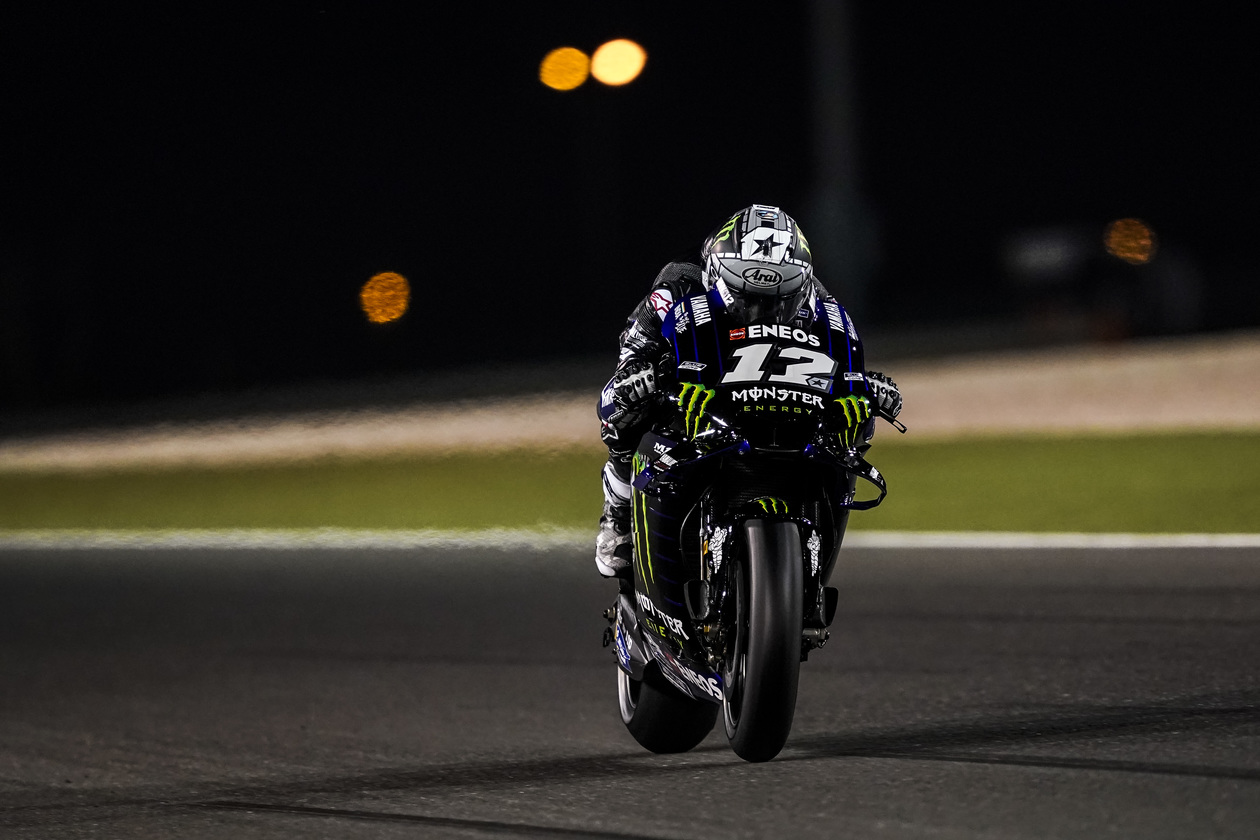
It was Maverick Vinales (Monster Energy Yamaha MotoGP) who topped the combined times of the test, with a 1’54.208. Vinales had two tenths on the field, but was still six tenths shy of Johann Zarco’s outright lap record set in last year’s Q2 session at the Grand Prix itself. Vinales’ positive tune – which has been a constant since the post-season Valencia test last November – continued throughout the Qatar test. The Spaniard happy with the feeling he has on the bike, though still pointing out Yamaha’s need to improve on acceleration. It was this concern which was echoed by Vinales’ Monster Energy Yamaha MotoGP teammate, Valentino Rossi, who sounded almost desperate after day two of the test. The Italian spent the second day trying some new things, and lost his direction, ending the day in nineteenth. He recovered on the final day, but feels he needs more to fight at the front. Overall the preseason has been positive for Yamaha, but we won’t find out exactly how positive until the paddock returns to Europe.
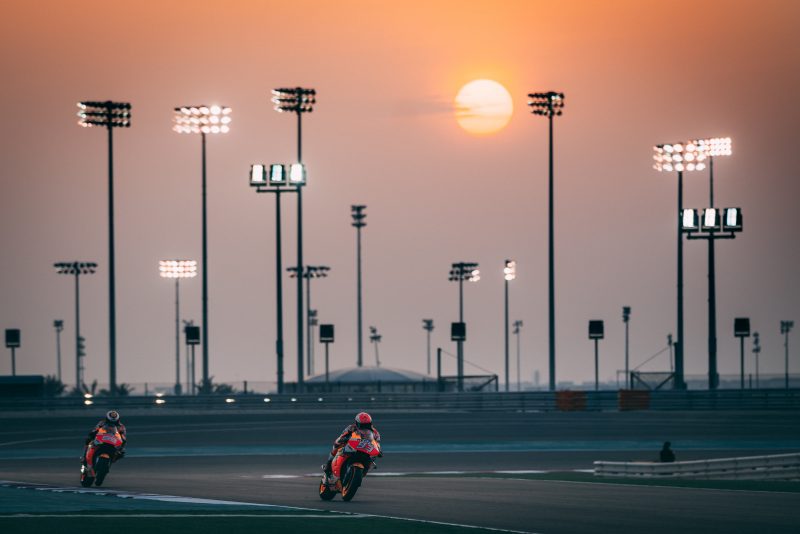
Marc Marquez and Jorge Lorenzo on the HRC Honda durring qatar preseason testing 2019. Image courtesy of HondaProRacing.
It has not been an easy preseason for Honda, with Cal Crutchlow (LCR Honda MotoGP), Marc Marquez (Repsol Honda Team) and Jorge Lorenzo (Repsol Honda Team) all suffering from injuries throughout the winter. This was made clear on the first day in Qatar, after which Marquez declared that the RC213V was a way behind its rivals. However, the strength of HRC’s package was shown on day two, when that deficit was erased, and Lorenzo and Marquez climbed the time sheets. Marquez has still yet to make a proper long run, as he is still nursing his left shoulder, but the laps he did put together showed him to be one of the strongest, which – of course – is a surprise to no one. In comparison, Lorenzo spent a lot of the test working on ergonomics, a big part of his success in Ducati. The sooner HRC can get him completely comfortable on the RC213V the sooner he will be able to fight for wins regularly.
The test was something of a disaster for Cal Crutchlow, who is missing some feeling with the front of the 2019 RC213V – an area which has been worked on over the winter to try to stress the front tyre less under braking. Another issue which was affecting Crutchlow in Losail was the size of the boot on his injured ankle, because he could not use the rear brake properly. Things like that should get easier, in theory, for Crutchlow over the course of the season, but his feeling on the bike is something which could prove more problematic for the Brit in the longer term.
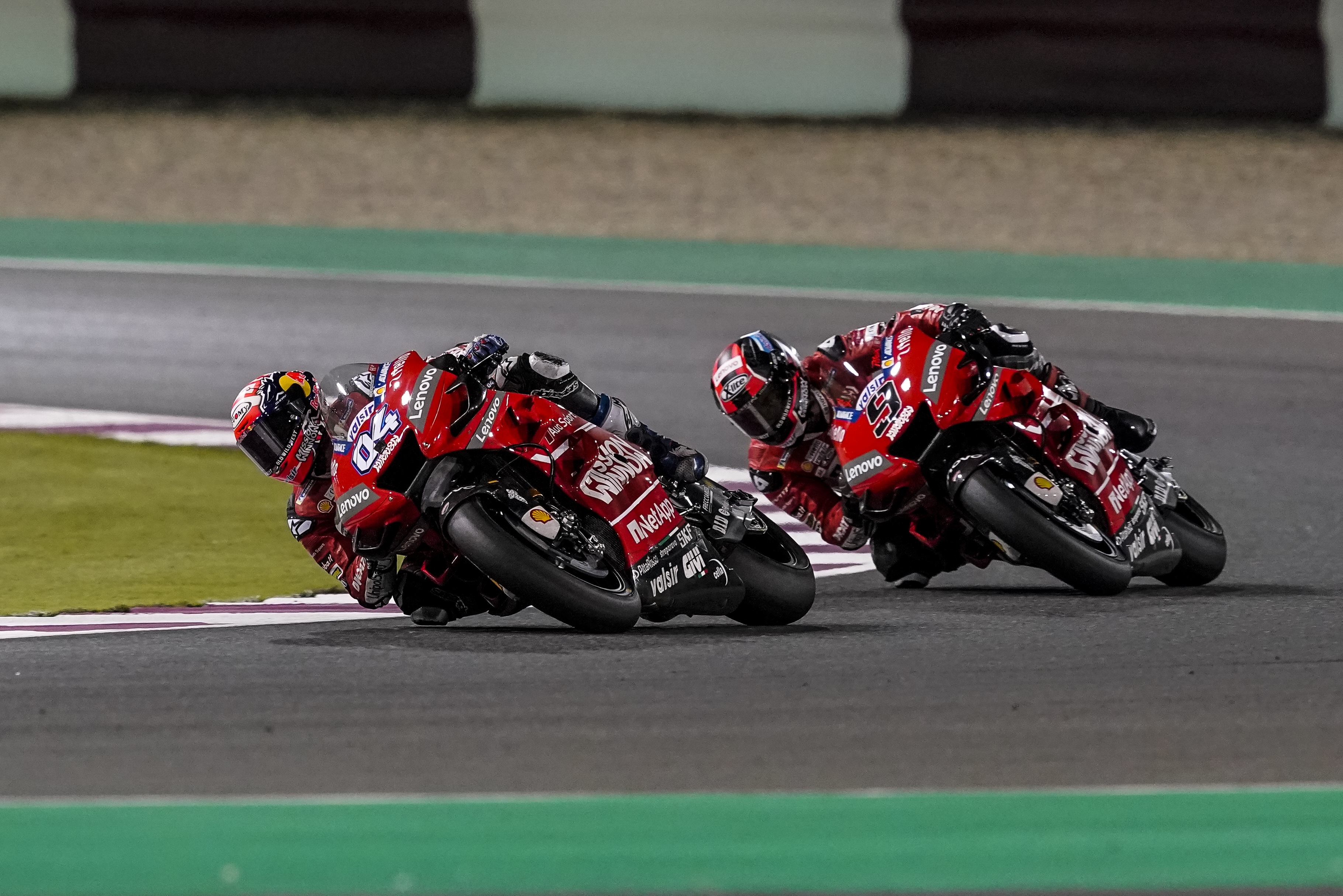
Andrea Dovizioso & Danilo Petrucci riding the Ducati Desmosedici GP19s in Qatar testing. Image courtesy of Ducati.
Ducati’s test was mixed, with Mission Winnow Ducati duo Andrea Dovizioso and Danilo Petrucci both featuring in the top four on day one in Qatar, and Petrucci in fourth as well on the second day. However, by the end of the test, only one Desmosedici figured in the top ten, that of Petrucci. Meanwhile, fellow GP19 runners, Dovizioso and Jack Miller (Alma Pramac Racing) were in fifteenth and eleventh, respectively. Dovizioso admitted to a misdirection on the final day in Doha, whilst Miller was content with his performance, and is positive about his chances for the season opener, as is Danilo Petrucci who showed impressive pace and consistency on his long runs.
Perhaps one of the things which helped Petrucci in the long runs is the new piece of aerodynamics debuted by Ducati in Qatar, which appears to direct air towards the rear tyre, keeping it cool. As the heaviest rider on the grid, Petrucci stresses the tyre more than any other, which is exacerbated by the Desmosedici’s massive horsepower (although it must be noted that, looking at speed traps, Honda seem to have completely erased their deficit to the 90-degree L4 motor in the GP19). The additional stress caused by Petrucci’s weight means he builds heat in the tyre more than any other rider, and it is this which limits the Italian the most, so any method Ducati can come up with to keep the rear tyre cool is welcomed with open arms by the number nine.
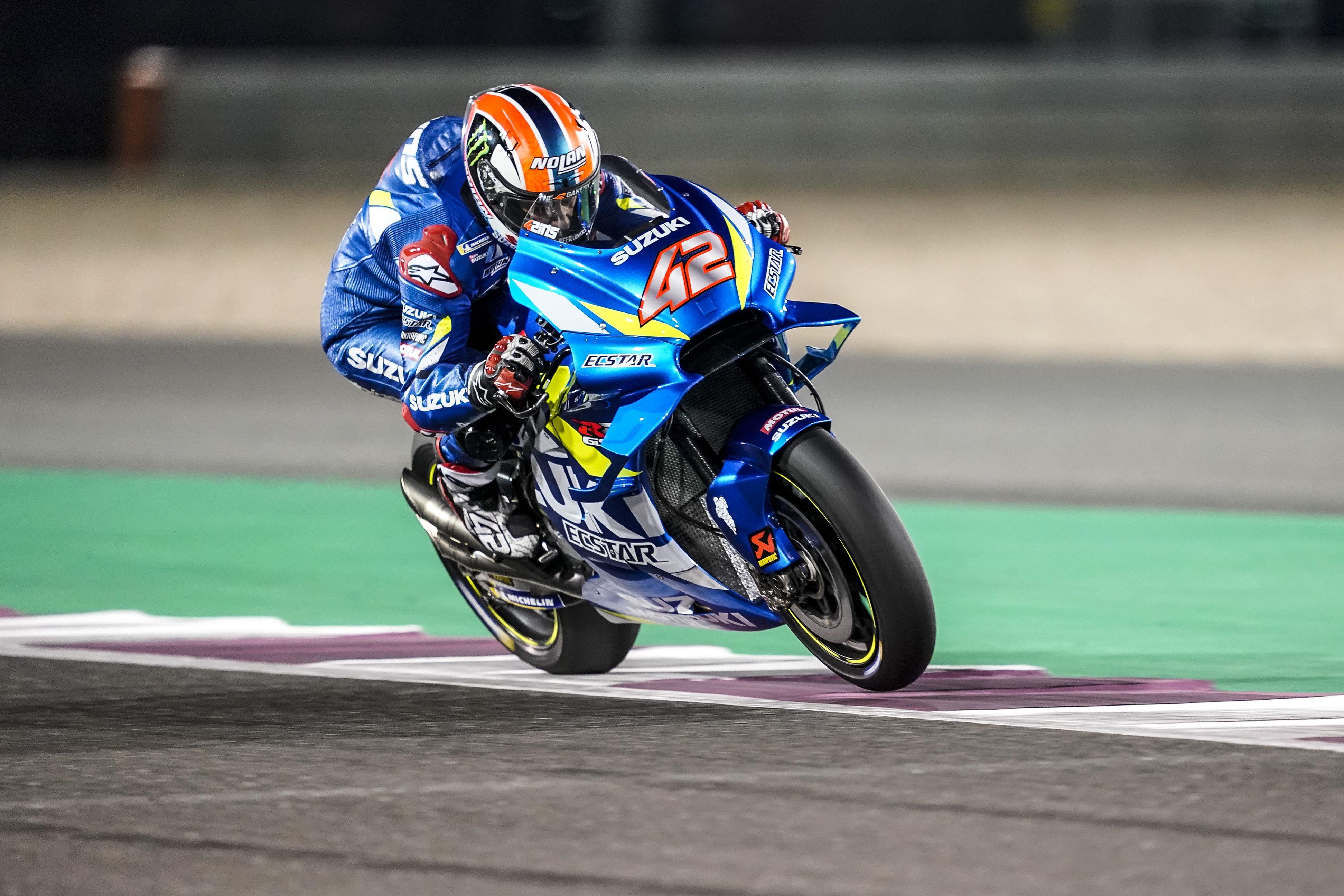
One of the most impressive preseason performers has been Alex Rins (Team Suzuki Ecstar) on his GSX-RR. After day two in Qatar, the 2013 Moto3 runner-up had featured inside the top two in four of the five days of testing and shown impressive race pace in both Losail and Sepang. Day three in Qatar saw Rins fall outside of the top ten, just as he had in Sepang, but there is no doubting the impressive gains made by Suzuki over the winter, and Alex Rins is clearly all too ready to take advantage of those. In Doha there was a new split-pipe exhaust for Rins to try (similar to those seen in Moto2 in the last couple of years). This may not have given an improvement in absolute power, but the top end gains made in the motor department of the GSX-RR over the winter may have prompted the engineers back in Hamamatsu to design a new exhaust to make that power more manageable.
Aprilia had a new fairing to try in Qatar, and also had the privilege of an Andrea Iannone (Aprilia Racing Team Gresini) who was fully fit to ride in all three days. Additionally, Aleix Espargaro (Aprilia Racing Team Gresini) was able to be fast, despite admitting that he had to push the limits of the bike to be competitive. So far, though, Aprilia’s reversion to 2017’s RS-GP design appears to be working, and they look set for a decent 2019.
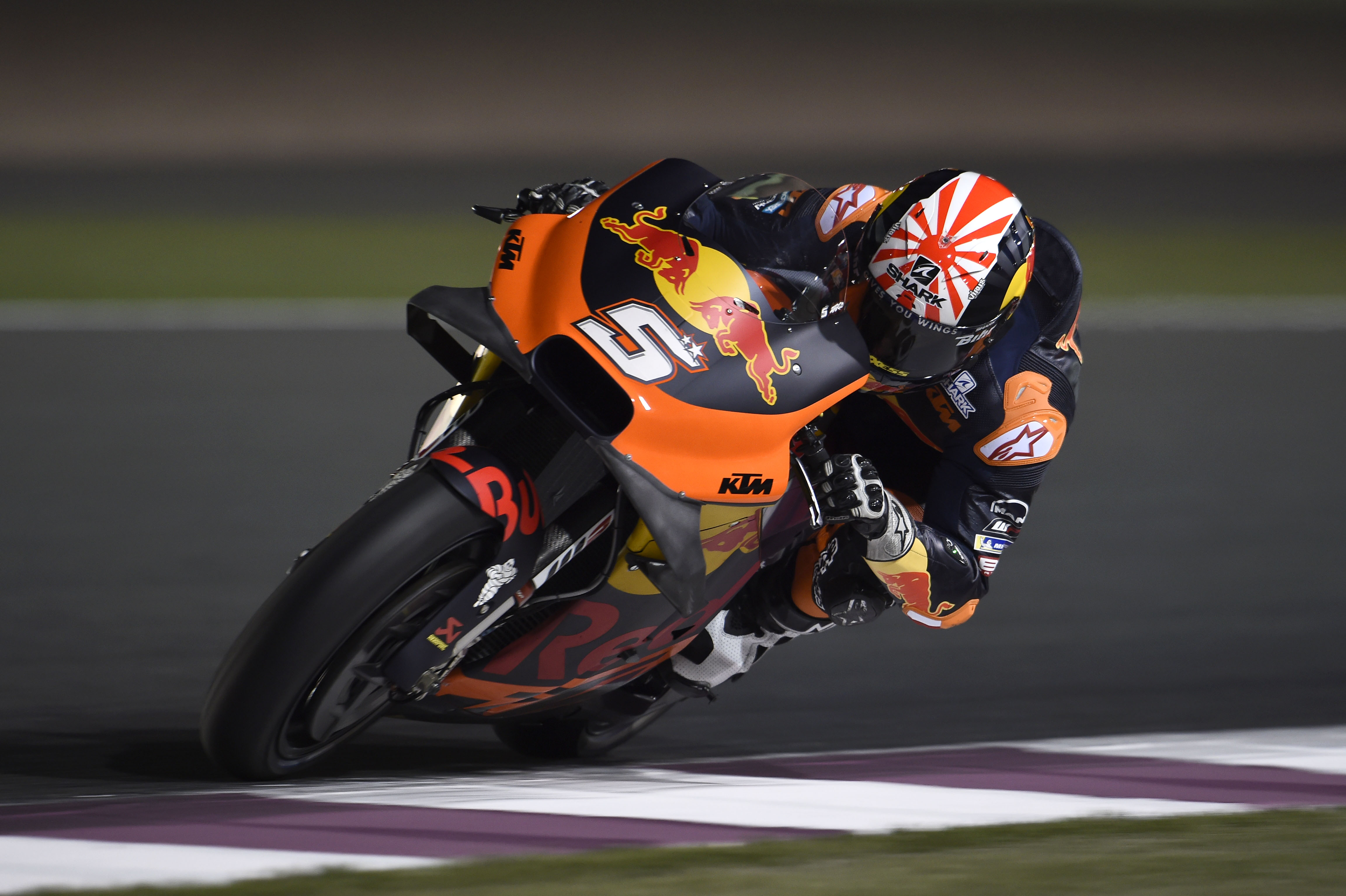
Joann Zarco KTM RC18 Qatar Test February 2019. Image courtesy of Gold and Goose/KTM
KTM, like Ducati, had a mixed test. Pol Espargaro (Red Bull KTM Factory Racing) showed impressive speed throughout the three days, and reaffirmed his position as KTM’s strongest rider at the moment. His factory KTM teammate, Johann Zarco, however, seemed to take a step back from where he was after Sepang, and was only nineteenth at the close of the three days. There is clearly still a lot of work to do for the Frenchman with the RC16 before he is truly comfortable with it, but in Sepang he showed what his potential with the bike is, and both he and KTM should use that as encouragement going forward.
If nothing else, preseason testing showed us that the fight for top rookie this season will be spectacular. Francesco Bagnaia (Alma Pramac Racing) produced a brilliant hot lap in Sepang with his Ducati GP18 and went on to impress in race trim in Doha, ending the test thirteenth in the combined times, ahead of Dovizioso. Whilst Joan Mir (Team Suzuki Ecstar) had some impressive speed in Qatar aboard his Suzuki GSX-RR.
Additionally, Fabio Quartararo (Petronas Yamaha SRT) was second in the Qatar test combined times, only two tenths from Maverick Vinales, and showed good speed on the long runs, too. Miguel Oliveira (Red Bull KTM Tech 3) may not be able to challenge the likes of Mir, Quartararo or Bagnaia on a regular basis this season, owing at least in part to his machinery, the progress the Portuguese has made over the winter has been impressive, and he is now clearly faster than teammate Hafizh Syahrin (Red Bull KTM Tech 3), and ended winter testing only 0.057 seconds slower than Johann Zarco. This year’s rookie battle might be the most exciting in recent memory.
With testing now complete before the season proper gets underway with free practice one at the Losail International Circuit on March 8th, the factories will now be sifting through the data gathered over these three days in Qatar to try and arrive at the Grand Prix in the best shape possible. It is not long now until we find out the reality of the order for the 2019 MotoGP World Championship.
Featured image courtesy of Yamaha Motor Racing Srl
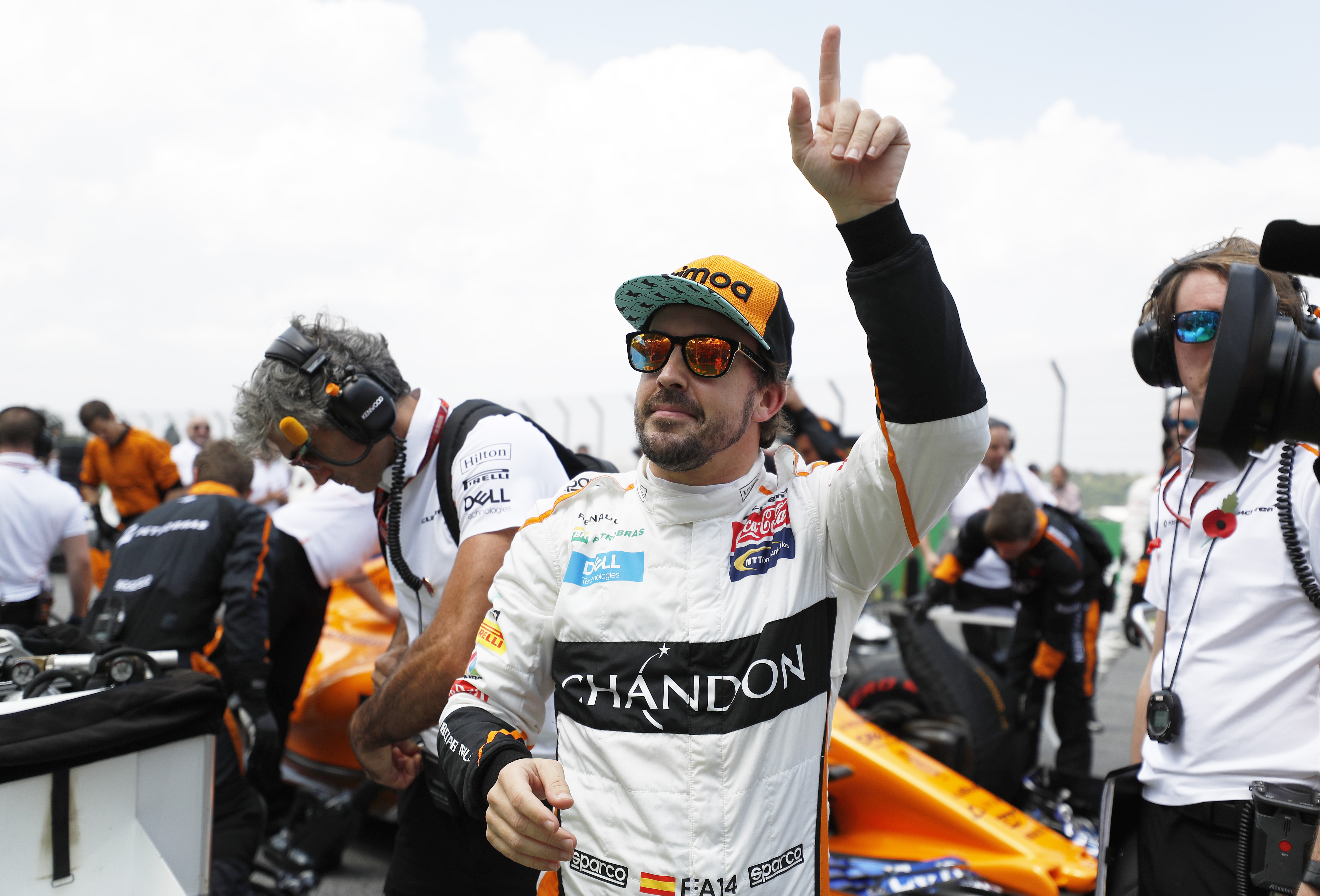
McLaren have announced the continuation of their relationship with double world champion Fernando Alonso, naming the Spaniard as a McLaren Racing ambassador.
They also revealed that Alonso will drive alongside Carlos Sainz and Lando Norris in selected tests over the course of the 2019 season to aid in the development of this year’s car, and also of the 2020 design.
“Becoming a McLaren ambassador is a true honour,” Alonso said. “It is a special team, and despite the challenges we have endured recently, it remains so. I said before I stopped racing in Formula 1 last year that I see myself with McLaren for a long time to come, so I am delighted at this new role and the ability to stay closely involved with the team I feel is my spiritual home.”
Fernando Alonso, McLaren, in the pit lane | LAT/McLaren
Speaking of the announcement, McLaren Chief Executive Zak Brown said, “For any race team, having someone of Fernando’s class on hand to provide support through his experience is of huge value. His insights and perspective will be welcomed by both our drivers and engineers alike, while his stature and character remain highly appealing to our partners and fans.”
Alonso retired from F1 at the end of last year with two titles and 32 race wins to his name, four of which came during his first stint at McLaren in 2007. He rejoined the team in 2015, where an underwhelming Honda power unit put a stop to any hopes of adding to his tally.
As part of his pursuit of motorsport’s Triple Crown, Alonso will make his second Indy 500 appearance later this year, having first competed at the event with McLaren in 2017.
“We have the Indianapolis 500 in May of course, which I am looking forward to immensely,” Alonso said, “but this is just the beginning of many things we can do together. I am particularly passionate about nurturing young talent, whether that’s with my own team or helping the new generation of Formula 1 drivers at McLaren unlock their true potential. This is important to both the team and myself, so will be an especially rewarding part of my role.”
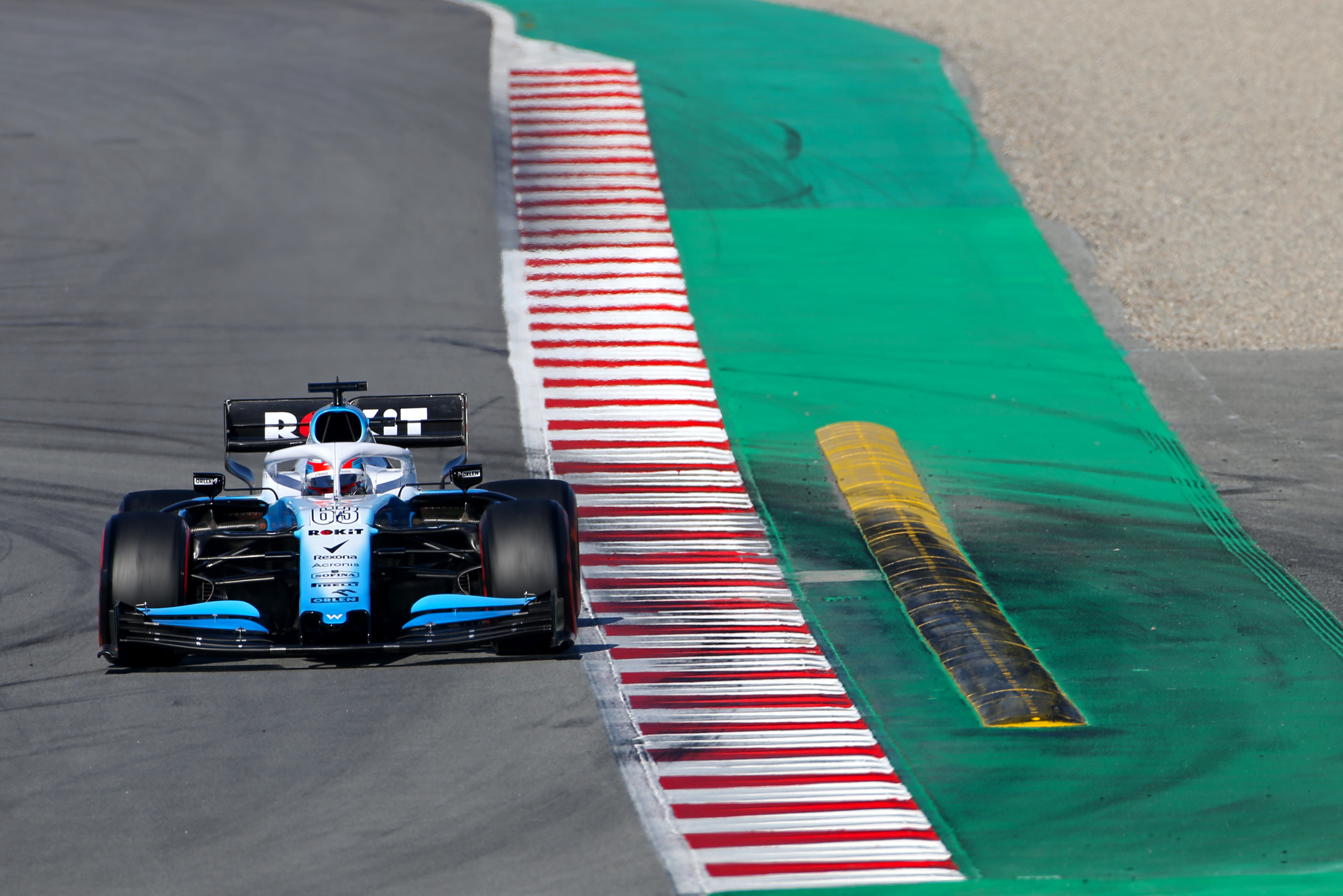
Williams’ George Russell has described the first day of the second pre-season test as “a huge relief” for himself and for the team, completing all the planned running with no issues.
“It was a good day,” Russell said. “Our plan was to get as many laps on the board, make sure we had no issues and that’s exactly what we did. We have learnt so much about the car on lower fuel and higher fuel which gives us a good indication moving forward into the next few days.
“All in all, it was a huge relief to have a day like today and we completed our test plan as intended.”
Russell posted the ninth fastest time of the day using the C5 tyre – the softest compound available – and also completed 119 laps, the third most of the day.
George Russell (GBR) Williams Racing. Formula One Testing, Day 1, Tuesday 26th February 2019. Barcelona, Spain.
It comes after a less-than ideal first test for Williams, which saw delays with the production of parts for the car force the Grove-based team to miss the first two days of running.
Chief Technical Officer Paddy Lowe added, “It was a good day of testing with George driving the car. We completed 119 laps without any significant reliability issues, so we achieved the entire programme that we had planned from the start of the day.
“Well done to the team, a great job by everybody to get a car that can do the laps without incident to make a solid start to the second test.”
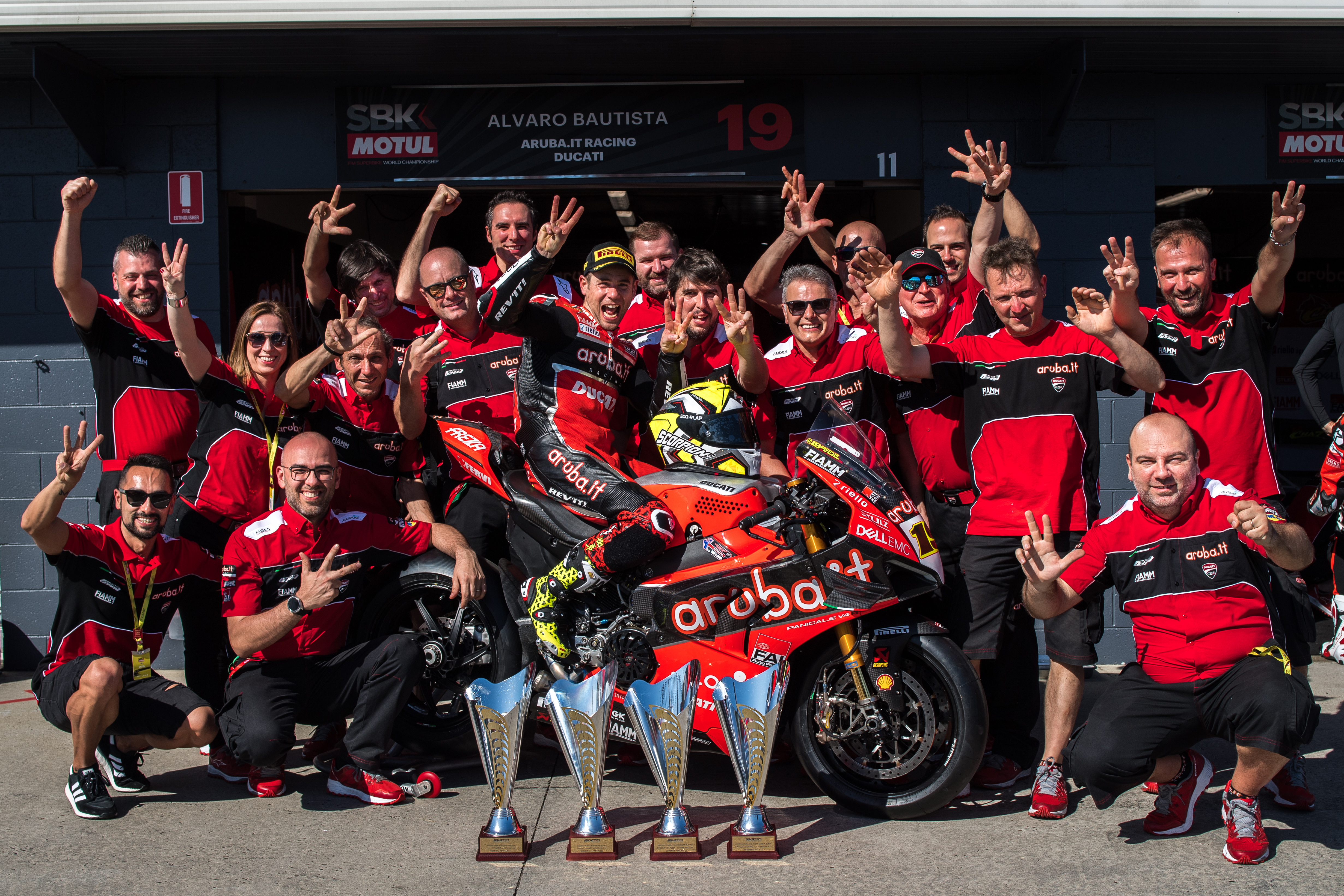
Two wins from the first two races of the weekend made Alvaro Bautista (Aruba.it Racing – Ducati) the favourite for the third and final race of the opening weekend of the Superbike World Championship in Phillip Island.
Of course, winning the Superpole race earlier in the day gave Bautista pole position for the second full-length race of the weekend, and the power of the Ducati allowed him to make the holeshot. Having gotten through turn four in the lead, it was a clear run for the #19, and it wasn’t long until he had broken clear of the pack. They wouldn’t see him again until the cool-down lap.
Whilst Bautista was escaping at the front, Leon Haslam (Kawasaki Racing Team WorldSBK) had passed his teammate, Jonathan Rea (Kawasaki Racing Team WorldSBK) for second place, whilst Marco Melandri (GRT Yamaha WorldSBK) was attempting to join the battle.
Haslam led Rea and Melandri for around half the race before the reigning World Champion decided to make his move. Rea passed Haslam into turn one with ten laps to go, but was unable to break away. The battle that followed between the KRT teammates allowed Melandri to arrive on the back of the two ZX-10RRs, and it was not long before Michael van der Mark (Pata Yamaha WorldSBK) had joined the scrap as well.
With time running down in the second full-length race of the day, van der Mark made his move on Melandri for fourth, and it was at this point that the two Yamaha riders started to drop back from the Kawasakis.
As the Kawasaki duo escaped from the Yamahas behind, Rea’s advantage over Haslam became more apparent – it simply looked as though he had more tyre left. Haslam had tried to chase Bautista in the first couple of laps, presumably trying to contain the Spaniard’s pace as Rea had tried in the Superpole race. This cost Haslam some grip towards the end of the race and it is this which cost Haslam the second place.
The second place was important for Jonathan Rea. With Bautista being so dominant it was important for the Northern Irishman to do a good job of damage limitation, and to lose only twelve points could be crucial for his championship.
Third place for Leon Haslam was his second of the day after making the same result in the ten-lap Superpole race earlier in the day, and made up for his crash whilst battling with Rea in race one which cost him a shot at the podium. Despite it not being a perfect weekend for the Englishman, Haslam comes away from his return to the World Championship after three years away with two podium finishes – a strong base for the #91 to build from.
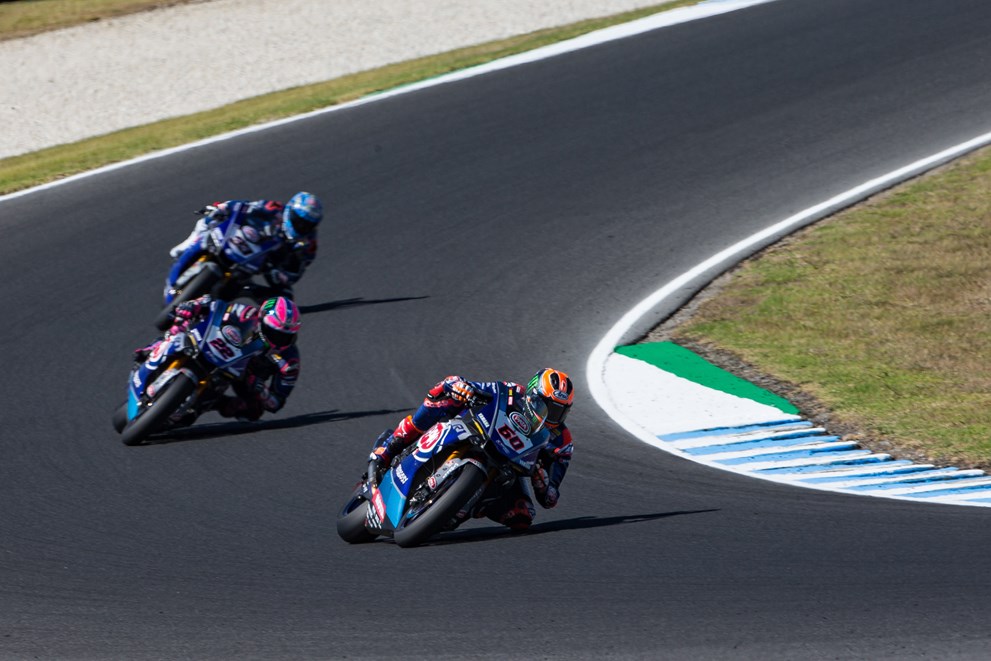
Van Der Mark, Lowes and Melandri 2019 WorldSBK – R1 Phillip Island. Image courtesy of Yamaha Corporation
Michael van der Mark and Marco Melandri were joined by the end of the race by Alex Lowes (Pata Yamaha WorldSBK). It was van der Mark who came out on top of the trio, something important for the Dutchman having been beaten by his stablemates in the two previous races of the weekend.
Lowes managed to make it a Pata Yamaha WorldSBK 4-5 by passing Melandri on the final lap and forcing the Italian to settle for sixth.
The battle between these three riders has the potential to be a very interesting fight this season, with all having an apparently similar level and speed and of course equal machinery.
Chaz Davies (Aruba.it Racing – Ducati) made progress overnight and finished race three in seventh place, 26.823 seconds behind his teammate. It is going to be a long season for Davies, but with the most confidence demanding track on the calendar out of the way, the Welshman will be hoping that it will only get better from here.
Only seven tenths back of Davies was Sandro Cortese (GRT Yamaha WorldSBK). The German’s performance should not be underestimated were it not for Bautista’s performance on the WorldSBK debut, there would undoubtedly be a lot of attention surrounding the German. Whilst he was twenty-seven seconds back of the winner, Cortese was only twelve seconds away from van der Mark – the top Yamaha – in fourth place, and this is something from which the rookie can take a lot of confidence.
Ninth place went to Eugene Laverty (Team GoEleven), who presumably had the correct amount of pressure in his rear tyre for the final race of the weekend, after being 25% over-inflated in Saturday’s race. Laverty has seemed to make some good progress over the course of the weekend, and to come away with a top ten after a difficult preseason, only 2.3 seconds behind Chaz Davies’ full factory Panigale V4 R is at least something for the thirteen-times WorldSBK race winner and his GoEleven Ducati squad to build from.
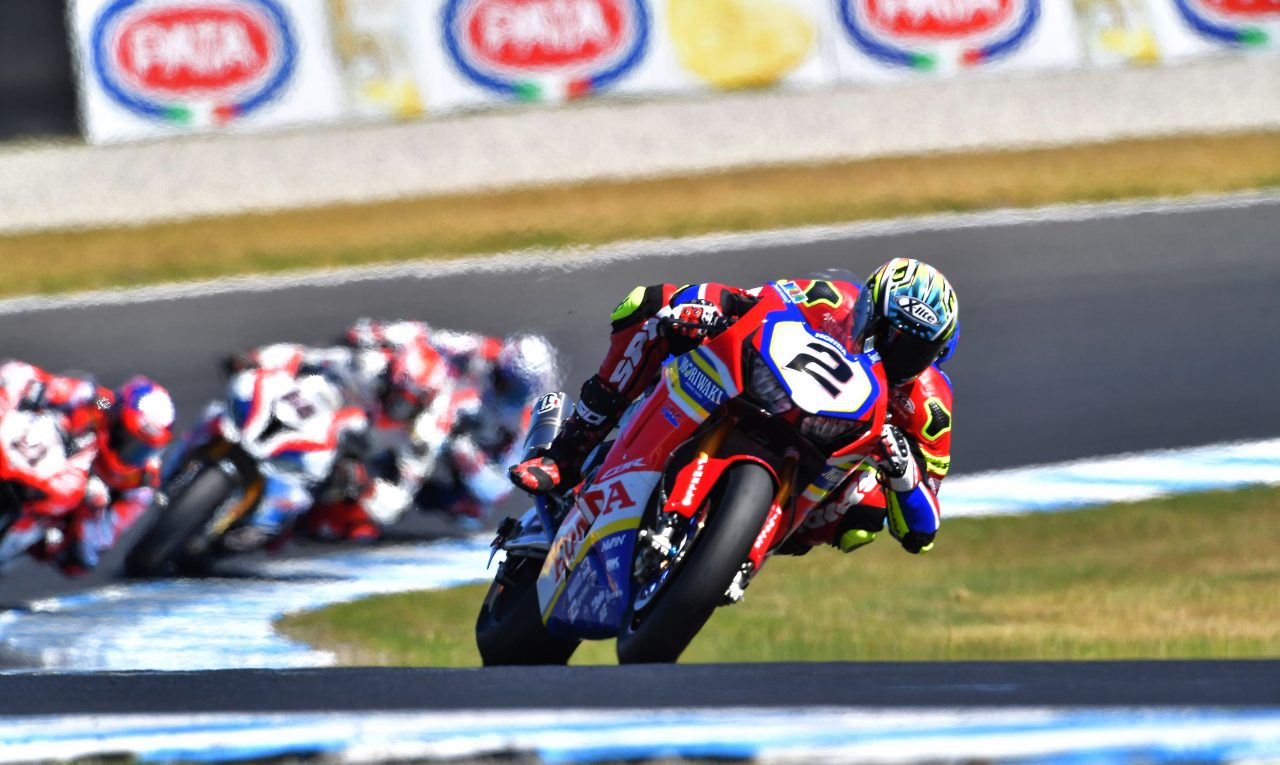
Leon Camier finishing tenth at Phillip Island for the Moriwaki Althea Honda Team. Image courtesy of Hondaproracing.com
Leon Camier will also be happy with his first top ten of the season for the Moriwaki Althea Honda Team. The 2009 BSB champion knows there is still a lot to come from his package for 2019, so will be encouraged by this starting point, although Thailand may provide a more accurate reflection of the reality in a few weeks’ time.
Leandro Mercado (Orelac Racing VerdNatura) finished in eleventh place, ahead of the BMW Motorrad WorldSBK duo of Markus Reiterberger and Tom Sykes. Both Reiterberger and Sykes had a poor starting position after – particularly for Sykes – compromised Superpole races and coming through the pack when you are severely down on power is not an easy task, especially with the speed of the straight at Phillip Island. Nonetheless it was a surprise to see Reiterberger beating Sykes to the flag. Things aren’t about to get any kinder for the S1000RR riders, either, with the two long straights in Buriram for round two being followed by the downhill drag race in Aragon.
Jordi Torres (Team Pedercini Racing) and Ryuichi Kiyonari (Moriwaki Althea Honda Team) rounded out the points finishers for the third race of the season in fourteenth and fifteenth, respectively.
Michael Ruben Rinaldi (Barni Racing Team) was the final classified rider, although a lap down after pitting due to a mechanical problem.
Alessandro Delbianco (Althea Mie Racing Team) retired in turn two of the first lap with a crash after having to change an under-inflated rear tyre on the starting grid. The wildcard Troy Herfoss (Penrite Honda Racing) was the next to retire, before Toprak Razgatlioglu (Turkish Puccetti Racing) dropped out with a mechanical.