Tag: Formula 1

  • Alpine’s 2021 F1 car officially unveiled

    Alpine’s 2021 F1 car officially unveiled

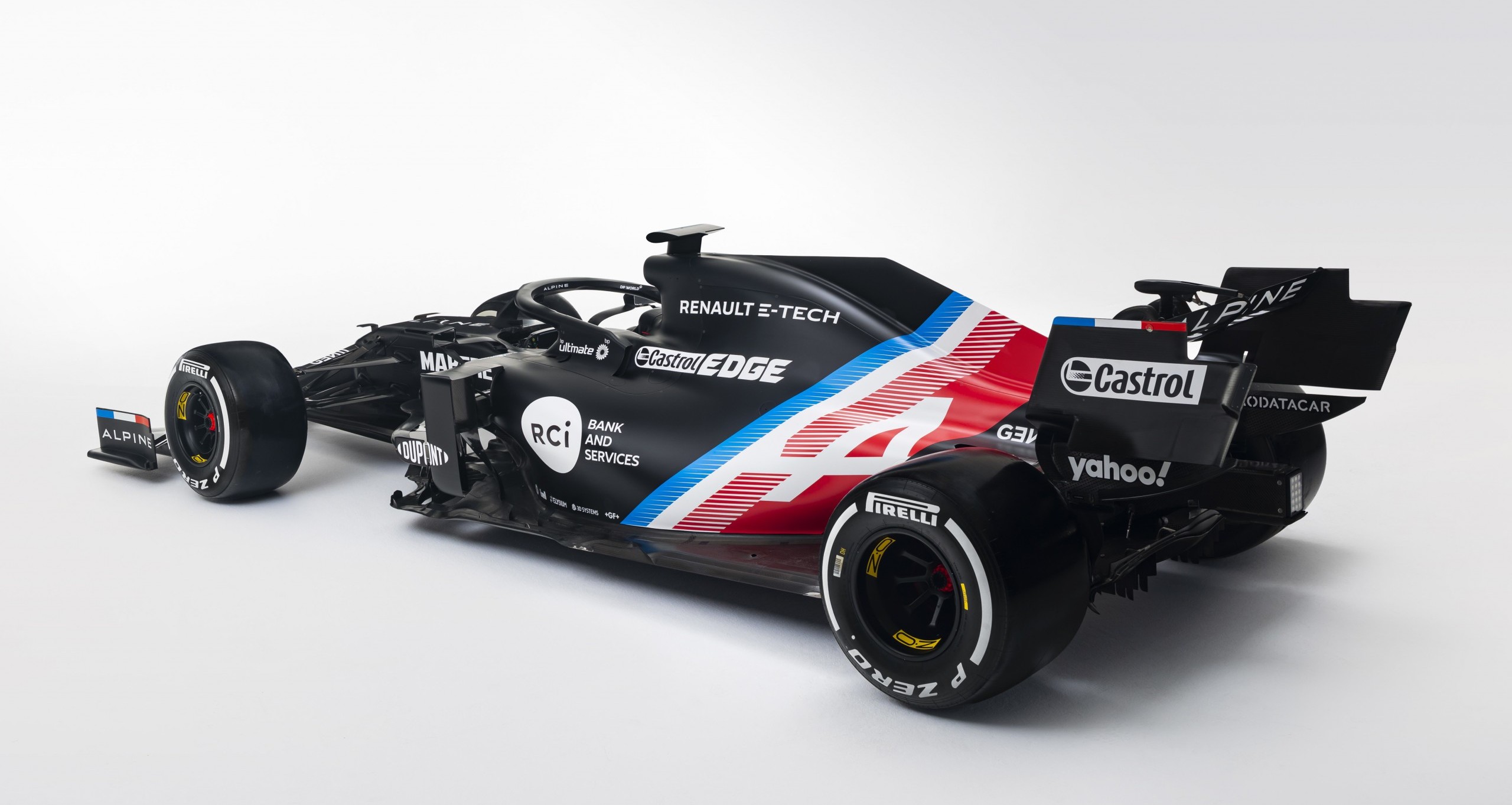
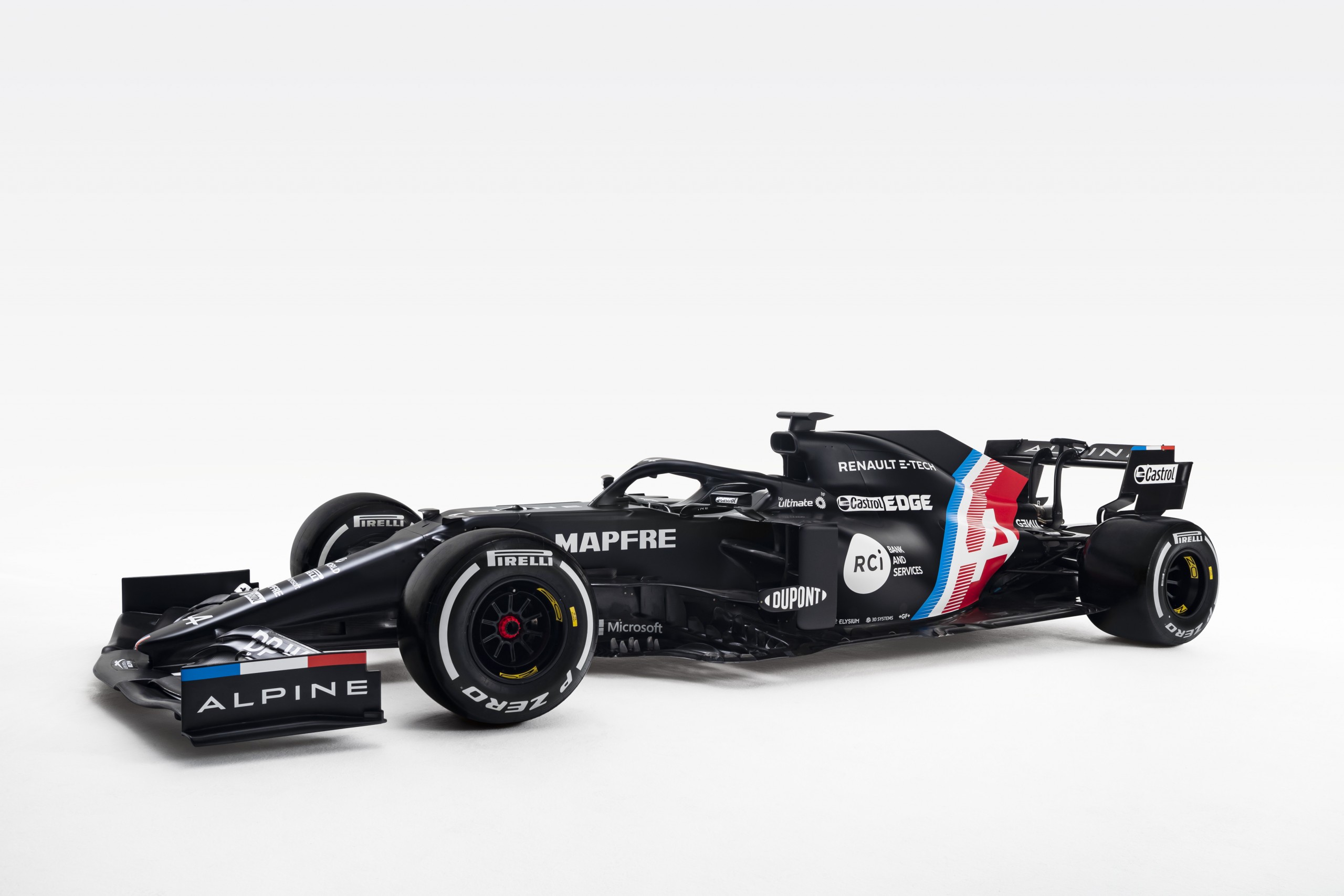
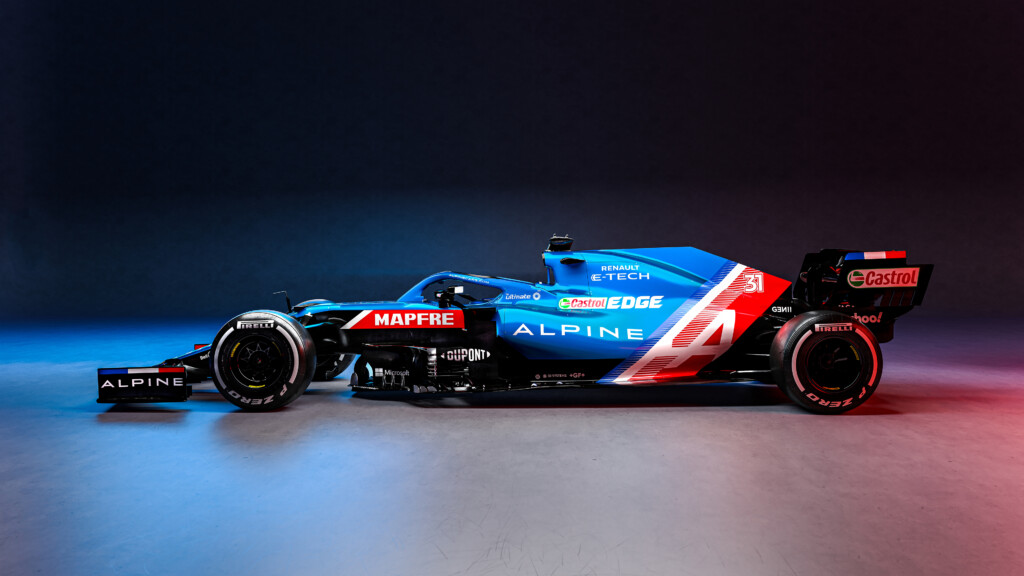
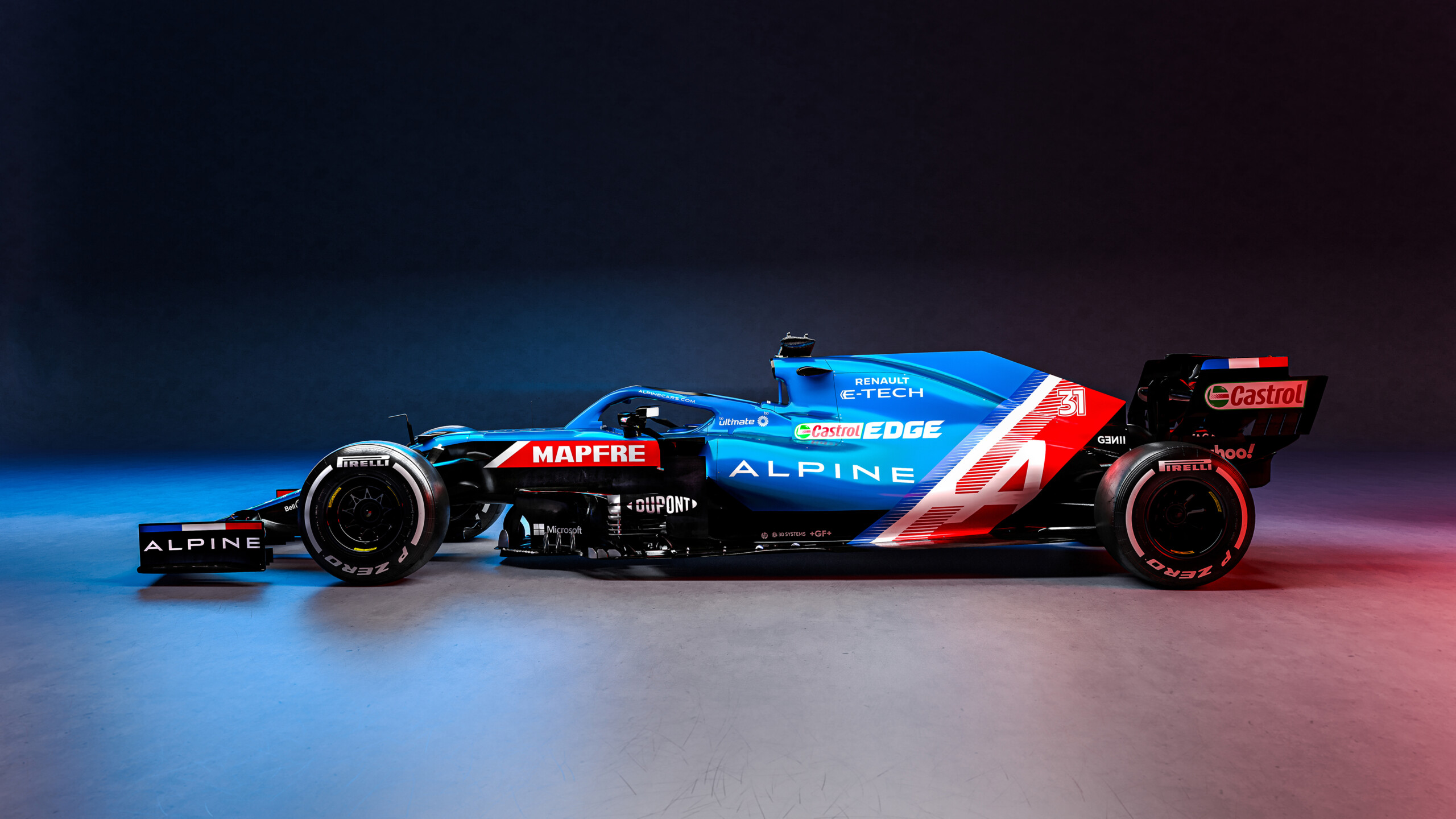
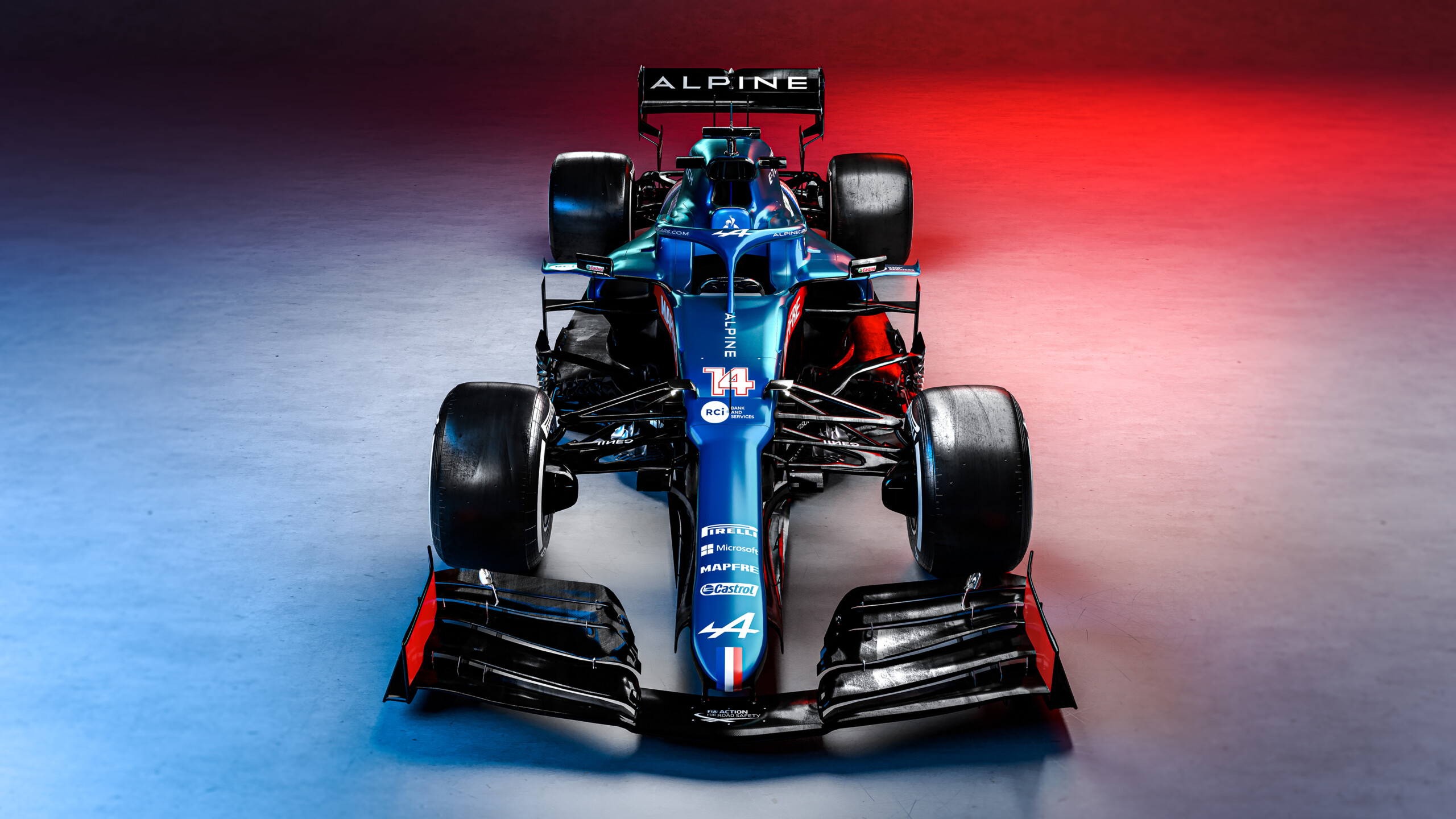
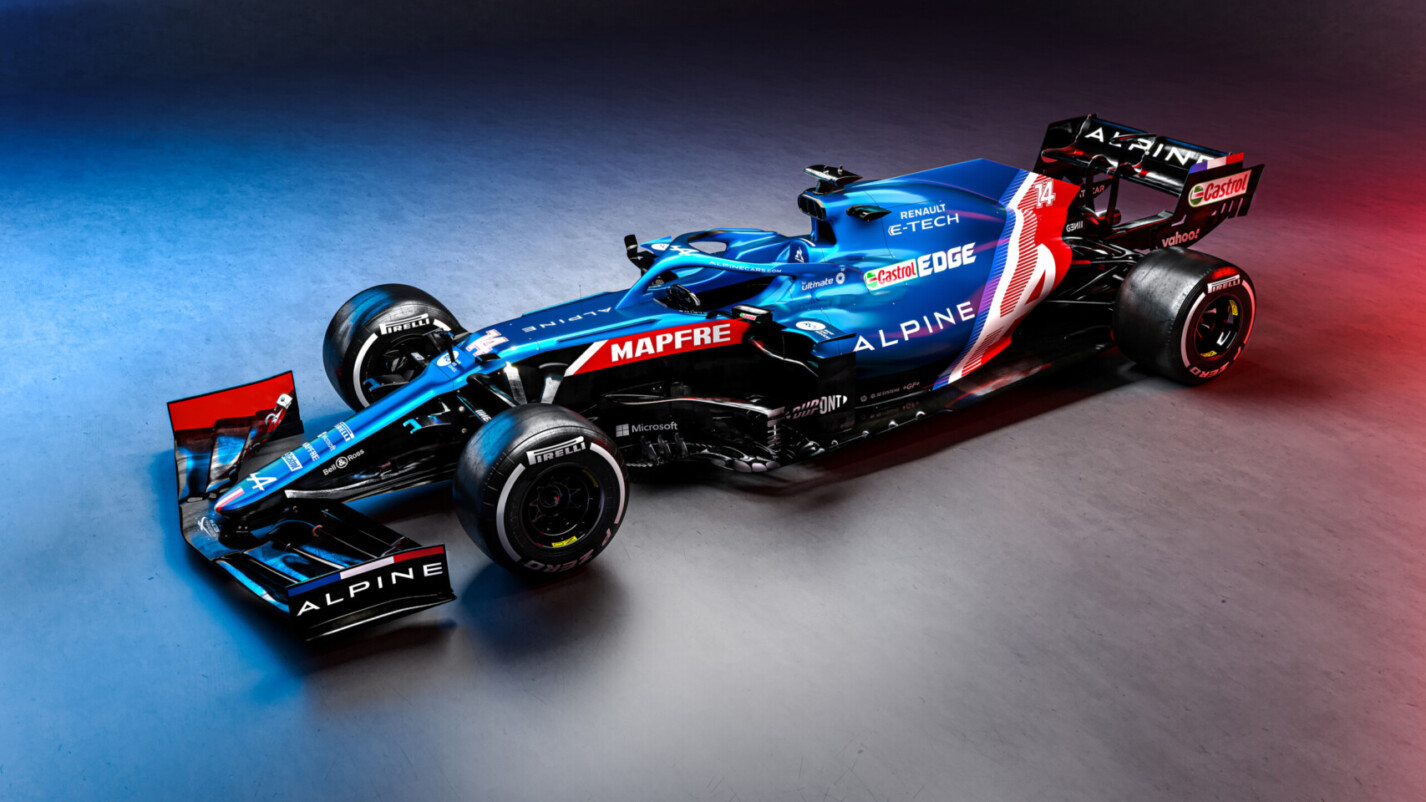
    Alpine has unveiled its new contender for the 2021 season, the A521. The first car built by the newly rebranded team at Enstone.

    Although a new name to F1, Alpine have been a part of motorsport since the 1950’s. After being bought out by Renault in 1973 they have developed a reputation as Renault’s ‘high performance’ brand. The Alpine name was used for Renault’s rallying and endurance endeavours, resulting in an Alpine-Renault World Rally Championship in 1973, and the 1978 Le Mans 24 Hours.

    Alpine ceased production in 1995 but was revived in 2017, before the decision last year to elevate their long-forgotten brand to the pinnacle of motorsport.
    Courtesy of Alpine F1

    During a virtual launch, the car was unveiled in a striking blue, white and red livery.

    On the new livery, Laurent Rossi, Alpine CEO stressed the symbolism of French and British collaboration:

    “This car identifies the Alpine identity. It’s livery conveys it’s values. The blue, white and red is a reference to both the French flag and Union Jack. Representing the soul of this multicultural team that merges flamboyant skills under one banner.”

    At first glance, the A521 looks to have the trademark 2021 shrunken sidepods and more complex outboard vanes to the bargeboards – all because of the new floor and diffuser setup created by changes in the aerodynamic rules. The rear wing looks subtly different too with more complex endplates.

    “We had to adapt, we had to innovate, but that’s what we do best.” said Marcin Budkowski, speaking on the new technical changes.

    “This year’s car is an evolution of last years contender. […] we’ve worked and tried to improve every area that was left free to develop.”

    “But also the FIA, to spice things up a bit, have changed the aerodynamic regulations that means we have lost a lot of performance which we’ve tried to recover.”

    “Interestingly, they are in an area that normally doesn’t behave in the same way on track than our tool and simulations tell us. So it’s going to be very important to get the best collaboration between people at the factory and on track to develop the car aerodynamically and allow us to realise our ambitious development programme for the first few races.”
    Courtesy of Alpine F1

    In addition, Renault will have a new and improved power unit, looking to maintain and improve it’s impressive position as one of F1’s most powerful units in terms of straight line speed.

    On the team’s power unit, Laurent Rossi stated: “The delay in the technical (engine) regulations means we will be using an evolutions of our RE20A unit. There are a few developments with the power train and we have worked specifically for optimum  performance and reliability.”

    The team finished fifth in the constructors championship in 2021, with three podiums to there name, their first in almost a decade of racing.

    With returning two-time champion Fernando Alonso and Esteban Ocon, they will be hoping to have similar success with what will be a formidable line-up with a mix of youth and proven championship winning pedigree.

    “The team at Enstone are highly experienced and motivated” said Racing Director, Davide Brivio. “I’m very lucky to have two very excellent drivers.”

    “The dynamic between Fernando and Esteban is going to be an interesting one, they can definitely benefit from each other. “

    The Alpine A521 will make its first extended on-track appearance at the start of pre-season testing in Bahrain, which takes place from 12-14 March.
  • Mercedes unveils “old friend” W12

    Mercedes unveils “old friend” W12

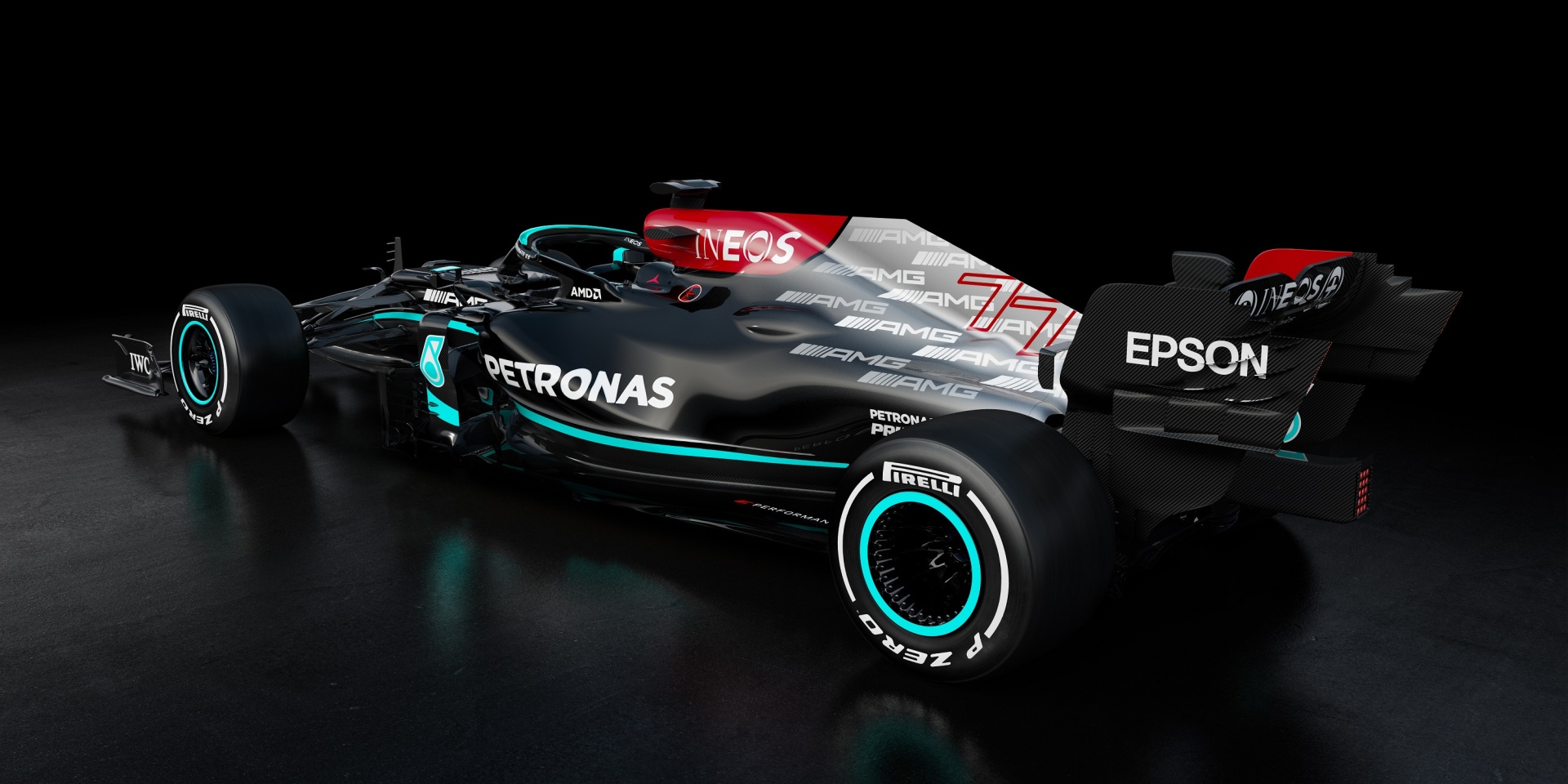
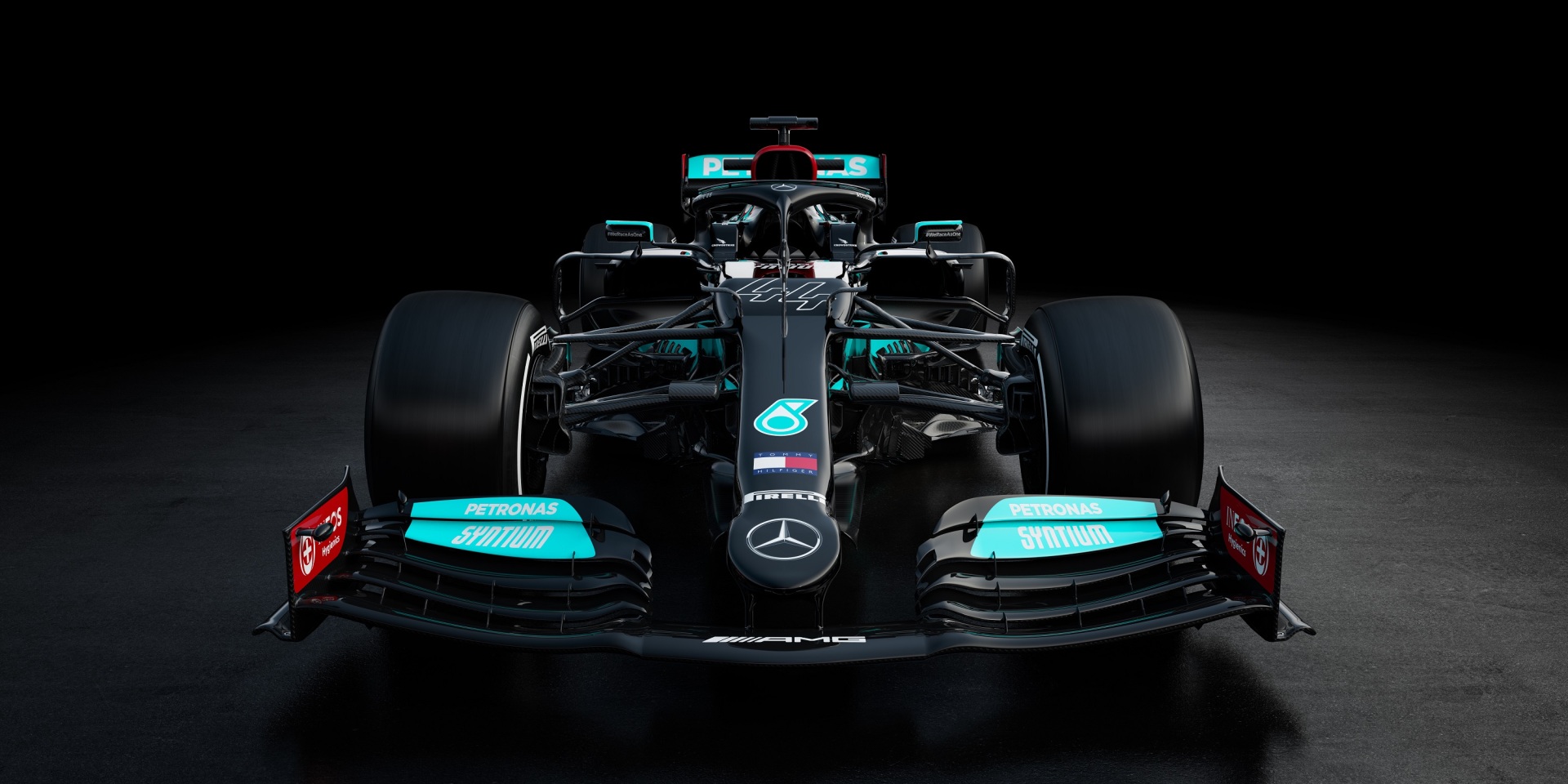
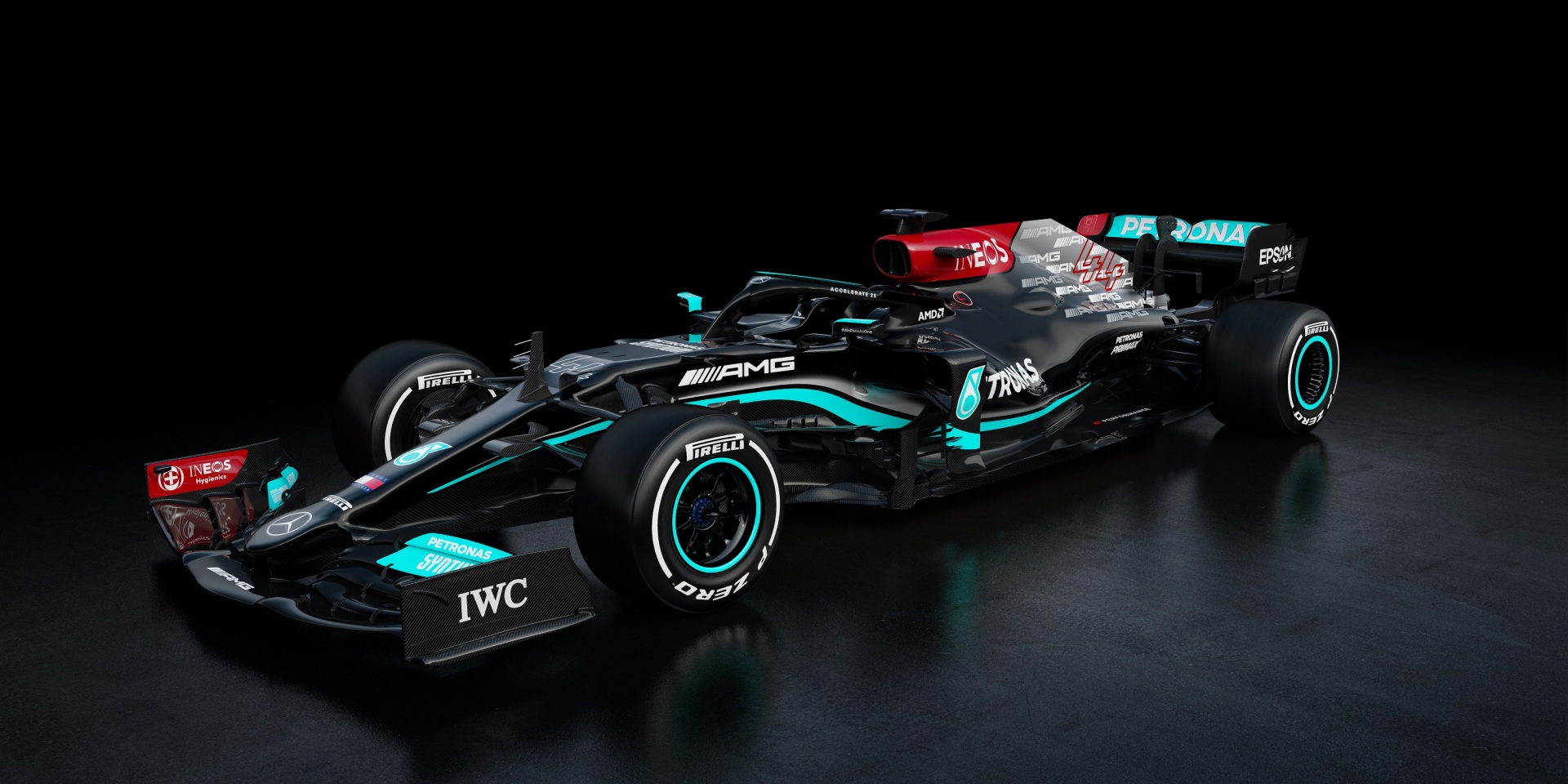
    Mercedes has unveiled its new W12, the car with which it hopes to win an eighth consecutive pair of F1 titles in the hands of Lewis Hamilton and Valtteri Bottas.

    Courtesy of Mercedes AMG F1

    The Mercedes AMG F1 W12 keeps the black base livery introduced last year as part of the team’s anti-racism commitments, fading to silver on the engine cover. It also features much more prominent AMG branding across the car as per Mercedes’ plans to foreground its high-performance division within its F1 marketing.

    The most visible changes to the design that’s carried over from 2020 are towards the rear, which is more tightly packaged around the engine. The front of the car is largely the same, which bucks the trend of the front-end development seen in the launches so far, but that could still change before testing next week.

    Mercedes technical director James Allison called the W12 “an old friend in many ways”. However, he admitted that the launch spec of the car was missing some aero developments to the floor, which the team wanted to keep hidden from its rivals before testing.

    Allison also said that AMG High Performance Powertrains have added more power to the engine for 2021. Beneath the chassis, the W12 features further improvements to the suspension and cooling systems.

    Although the W12 is the clear title favourite for 2021, Mercedes team principal Toto Wolff greeted the new challenger with his trademark scepticism. “Every year we reset our focus,” he said. “The scoreboard goes to zero and there’s always more performance to be found.

    “It’s very natural to get used to success, and therefore not fight as hard for it. But this team has not shown any of that. I see the same fire, hunger and passion now as I did the first time I walked through the doors in 2013.”

    Courtesy of Mercedes AMG F1
  • McLaren launches 2021 contender

    McLaren launches 2021 contender

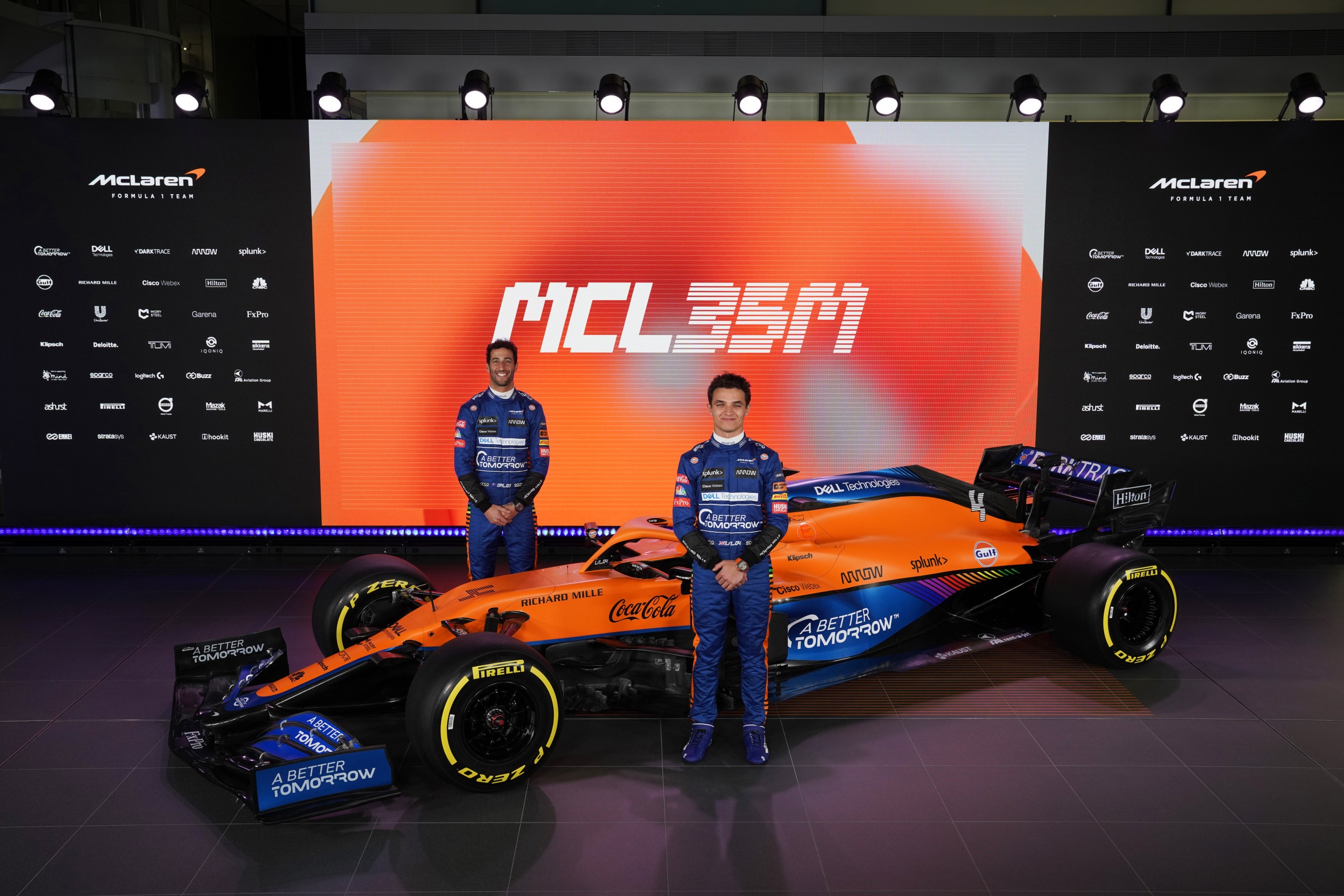
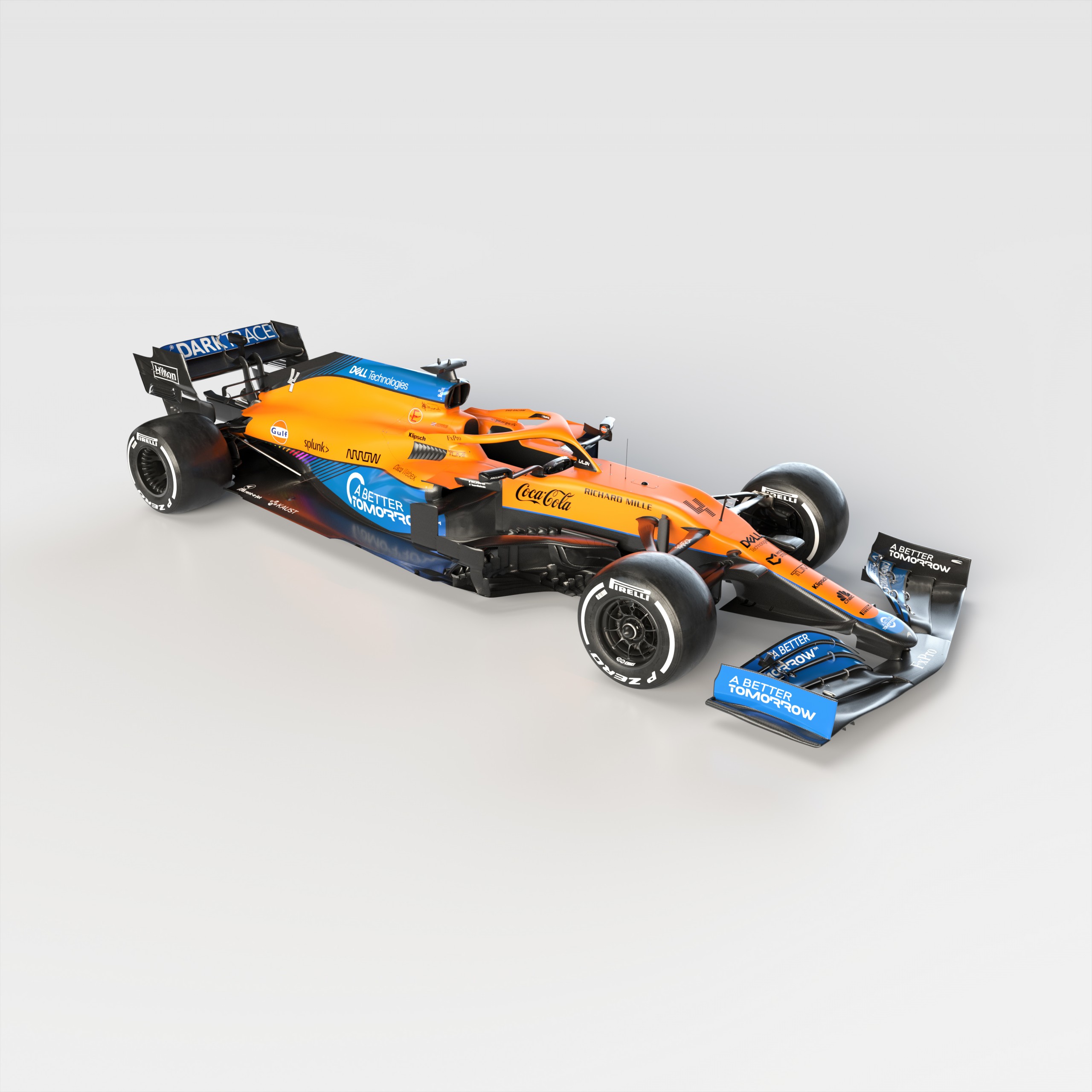
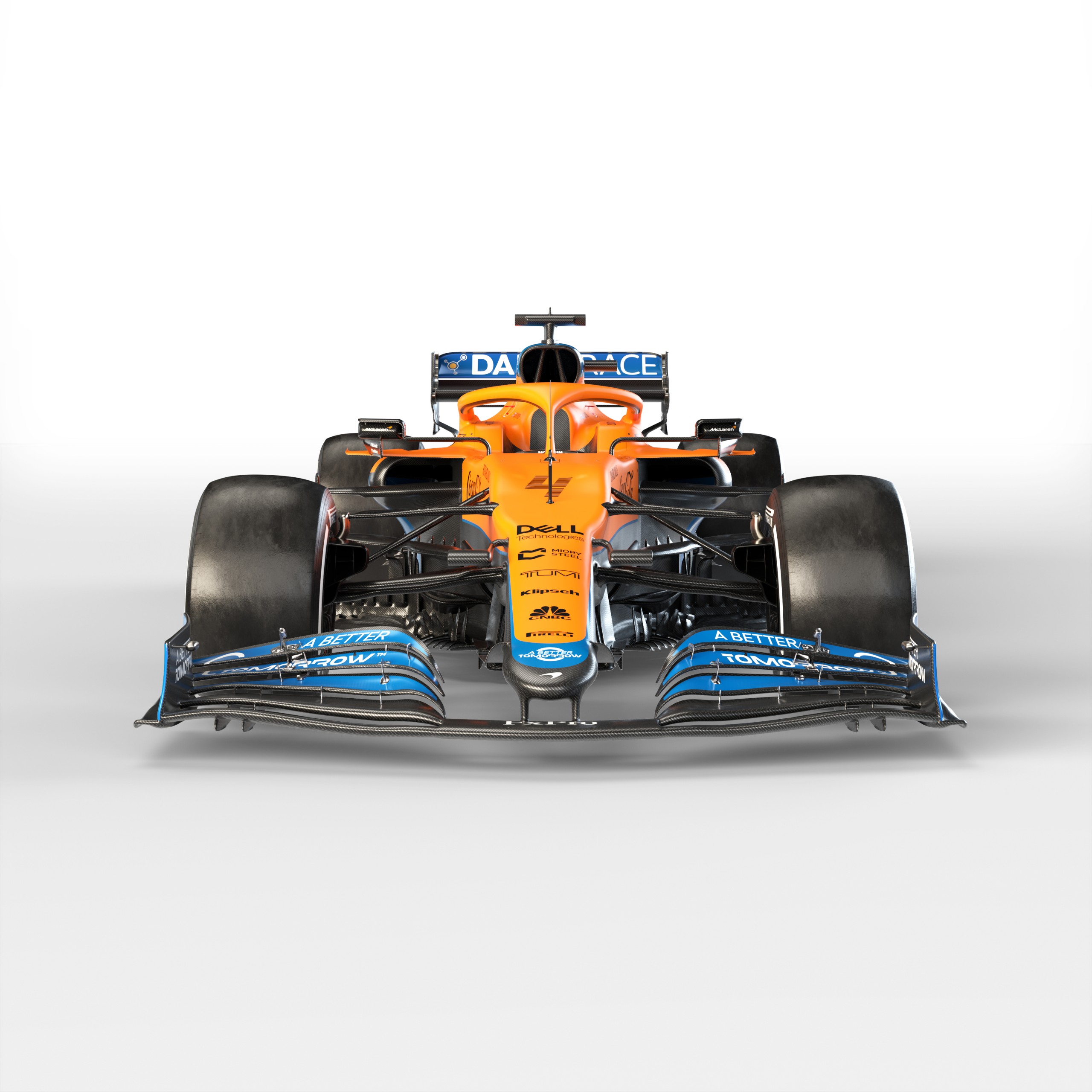
    McLaren have become the first F1 team to unveil their 2021 challenger in a launch held at their factory in Woking.

    Externally, the MCL35M is quite similar to its 2020 predecessor, featuring the same orange and blue livery. The most notable difference is around the power unit with tighter bodywork and a narrower floor.

    McLaren Media Centre

    Speaking of the launch in a press release, CEO Zak Brown said, “After a challenging but rewarding 2020, we have firmly hit the reset button for this season as we continue on our path towards the front of the grid. This will be an even tougher season but we’re ready to meet the challenge. I want to pay tribute to Formula 1 and the FIA and our fellow teams in continuing to work hard for the benefit of our sport as we strive to bring exciting racing to fans around the world.”

    McLaren’s driver line-up has partially changed for 2021. Lando Norris is staying on for a third season, while Daniel Ricciardo is now driving alongside him. He replaces Carlos Sainz, who has moved to Ferrari for this year.

    Team Principal Andreas Seidl said, “Together, Lando and Daniel comprise one of the most competitive driver line-ups in the sport. With these two behind the wheel of the MCL35M, we know we’ll have a team that gives total commitment in the pursuit of on-track performance as we head into the 2021 season.”

    After using a Renault power unit from 2018 to 2020, the 2021 McLaren features a Mercedes power unit. McLaren previously worked with Mercedes between 1995 and 2014, a partnership that yielded three drivers’ championships and one constructors’ championships.

    McLaren Media Centre

    Speaking of the partnership, Technical Director James Key said, “One of the key elements of the MCL35M design is the integration of the Mercedes-AMG power unit, which has taken a considerable effort from the team in Woking, as well as our colleagues at Mercedes. Despite our limited scope for installation in a homologated car, the team has done a fantastic job of optimising our design work.”

    The MCL35M will run for the first time at Silverstone tomorrow as part of a filming day.

  • F1 Virtual Grand Prix Series to return

    F1 Virtual Grand Prix Series to return

    During last year’s extended off-season, F1 put on a set of Virtual Grand Prix races to sustain our appetite for racing whilst we couldn’t do that in real life. It ran between the weekend of what would have been the Bahrain Grand Prix to the weekend when the Canadian Grand Prix would have taken place, before F1 returned to real racing three weeks afterward.

    The races were entertaining and there was hope we could see the Virtual Grand Prix return during the winter off-season. Well, now it’s back!

    Starting at the end of this month, a run of three consecutive weeks will see more drivers, other notable sporting athletes and celebrities compete on the F1 game. The first race will take place on January 31st on the Red Bull Ring, the second on February 7th on Silverstone and the last round on February 14th on Interlagos.

    Unlike the 2020 events which all ran as standalone races, all three events will keep a points tally and have a champion at the end of it. Had points been counted last year, Williams driver George Russell would have been the unofficial winner with four wins in the last four races, but this time a champion will officially be crowned.

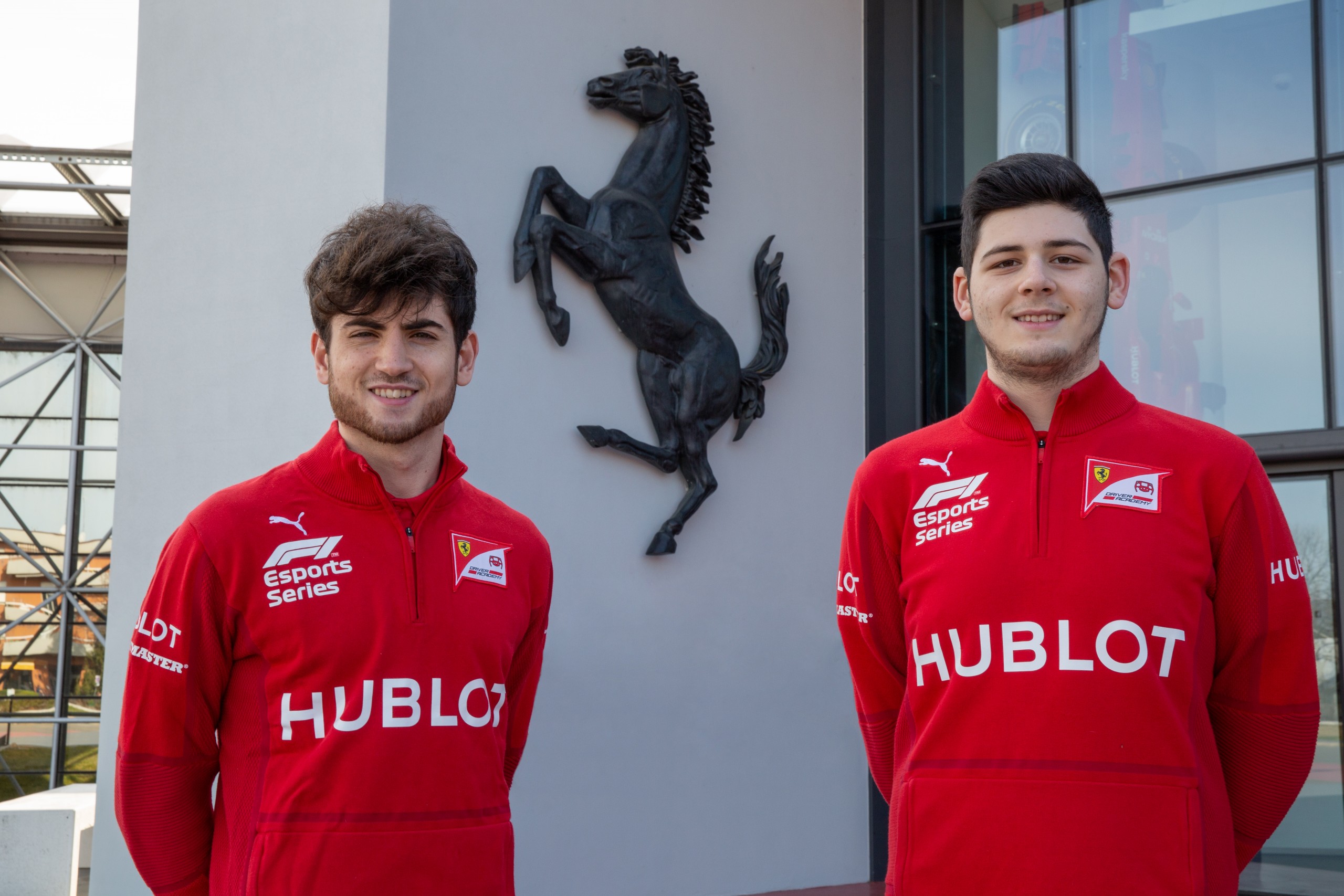
    For the three-race championship, the format has been given a little shake-up. Before the official race, the drivers of the F1 Esports series will take to the virtual track in a five-lap sprint which will essentially be a qualification race to determine the grid.

    In support of last year’s Virtual Grand Prix events, the F1 Esports drivers such as eventual 2020 champion Jarno Opmeer, his predecessors David Tonizza and Brendon Leigh among the many other talented racers would compete in a Pro Exhibition race. Now they’ll be playing a much more direct part in the event itself, perhaps enticing more people to seek out the F1 Esports series when it returns for its fifth season later this year.

    Enzo Bonito and David Tonizza, FDA (Scuderia Ferrari Media)

    After the grid is determined, the usual crowd will take over and compete in a 50% distance race. All ten teams will battle for points and will nominate a charity for F1 to send a donation to after the three-race season ends, with all the drivers playing a part in getting the best possible result and earning their selected charity some money.

    So who will compete? F1 says to keep your eyes on their social media channels for driver announcements in the upcoming weeks. Expect a fair amount of celebrities and other sporting athletes to compete alongside drivers both in F1 and from other categories.

    13 of the 23 drivers from last season competed in at least one race in the first run of Virtual Grand Prix races: Lando Norris, Nicholas Latifi, Charles Leclerc, George Russell, Alexander Albon, Antonio Giovinazzi, Carlos Sainz, Pierre Gasly, Esteban Ocon, Valtteri Bottas, Sergio Pérez and even the super subs Pietro Fittipaldi and Nico Hülkenberg.

    Expect that a few of these will take part. Despite being some of the first to commit to them, Norris and Leclerc are both currently recovering from COVID-19 and Norris has even stated he would be taking a step back from any committed sim racing events in the off-season.

    Other notable drivers who competed include former drivers like Jenson Button, Anthony Davidson, Johnny Herbert and Stoffel Vandoorne, DTM driver Phillip Eng, F2 driver and Renault junior Guanyu Zhou, and many Ferrari Driver Academy members like Robert Shwartzman, Callum Ilott, Gianluca Petecof and Arthur Leclerc. BTCC driver Nicolas Hamilton even did a couple of races with his brother’s former team McLaren.

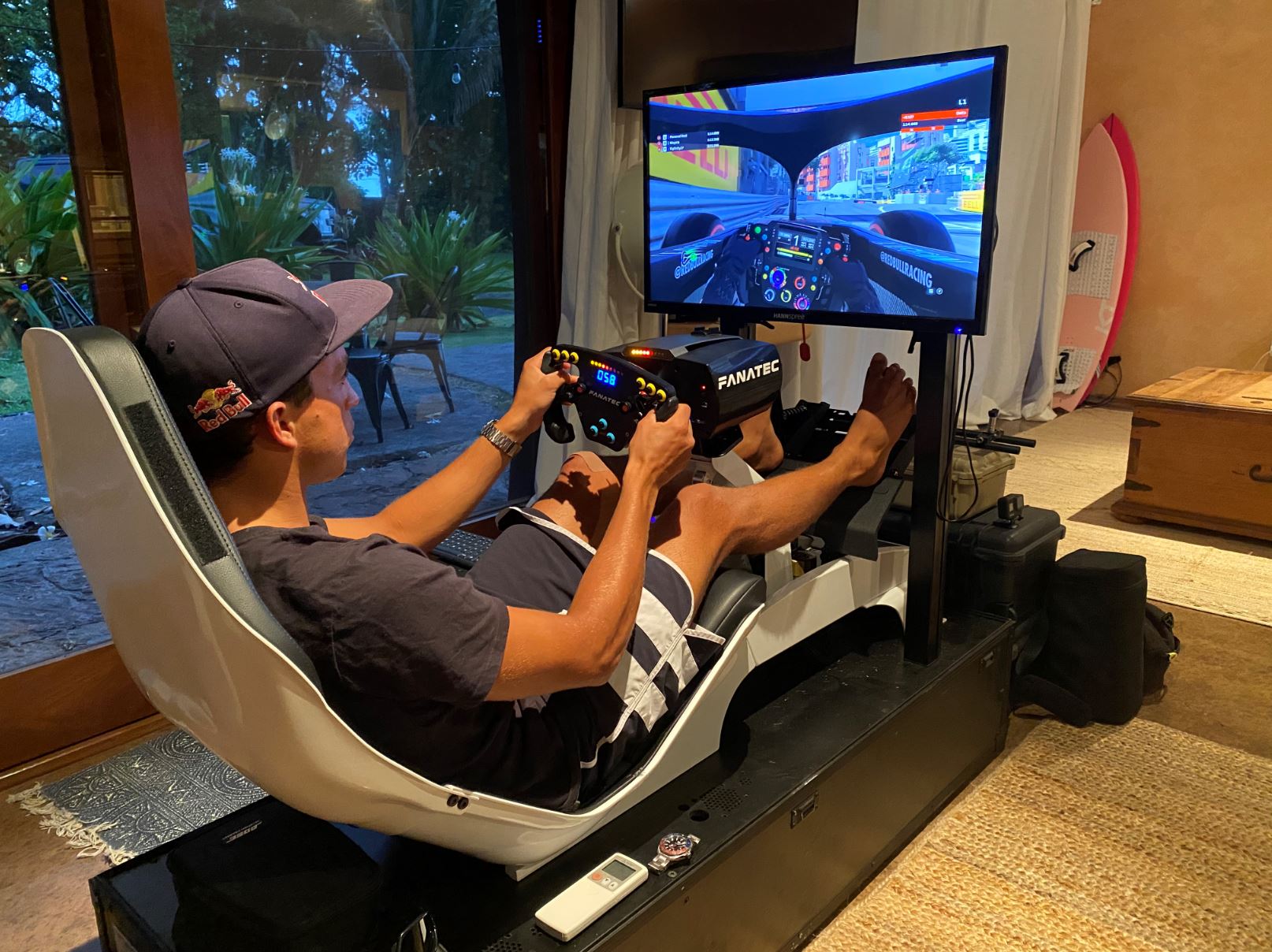
    Many guest drivers from outside of motorsport drove during the first leg of Virtual Grand Prix races—some with more success than others—such as surfer Kai Lenny (pictured in the feature image above driving for Red Bull). Some standout performances from top athletes in other sports include Real Madrid goalkeeper Thibaut Courtois and professional golfer Ian Poulter, who both also competed in many of Veloce Esports’ Not The GP races.

    Some other popular additions to the grid would include YouTubers such as Jimmy Broadbent who did a few races with Racing Point, and also Tiametmarduk who competed in the last two Virtual GP events for McLaren after becoming their Esports team’s brand ambassador.

    Ultimately, the Virtual Grand Prix races were an immense success even if they could have been conducted better. But with the lack of time to plan in advance and how the F1 schedule was changing all the time, we got the best we could. Now though, this three-race mini championship promises to provide us with some immense entertainment as we prepare for the 2021 F1 season.

    Keep an eye out on F1’s social media channels to find out who will represent the 10 teams and expect to be able to watch the three events in the three successive weeks beginning on January 31st on F1’s official YouTube, Twitch and Facebook pages.

  • An optimistic future for new-look Alpine?

    An optimistic future for new-look Alpine?

    Renault’s Formula 1 efforts will undergo a major shift in 2021, with a new driver lineup, core changes to the team, and most notably, a complete rebranding of its works squad as the Alpine F1 Team.

    But after falling short of its target to be a regular race winner and even title contender by last year, the Enstone-based team has some soul-searching to do under its new guise. So are the changes planned going to be enough for Alpine to succeed where Renault couldn’t?

    The drivers

    Fernando Alonso, Renault (Renault Sport Media)

    Fernando Alonso. Like him or loathe him, he’s back to spearhead Alpine’s first year in F1.

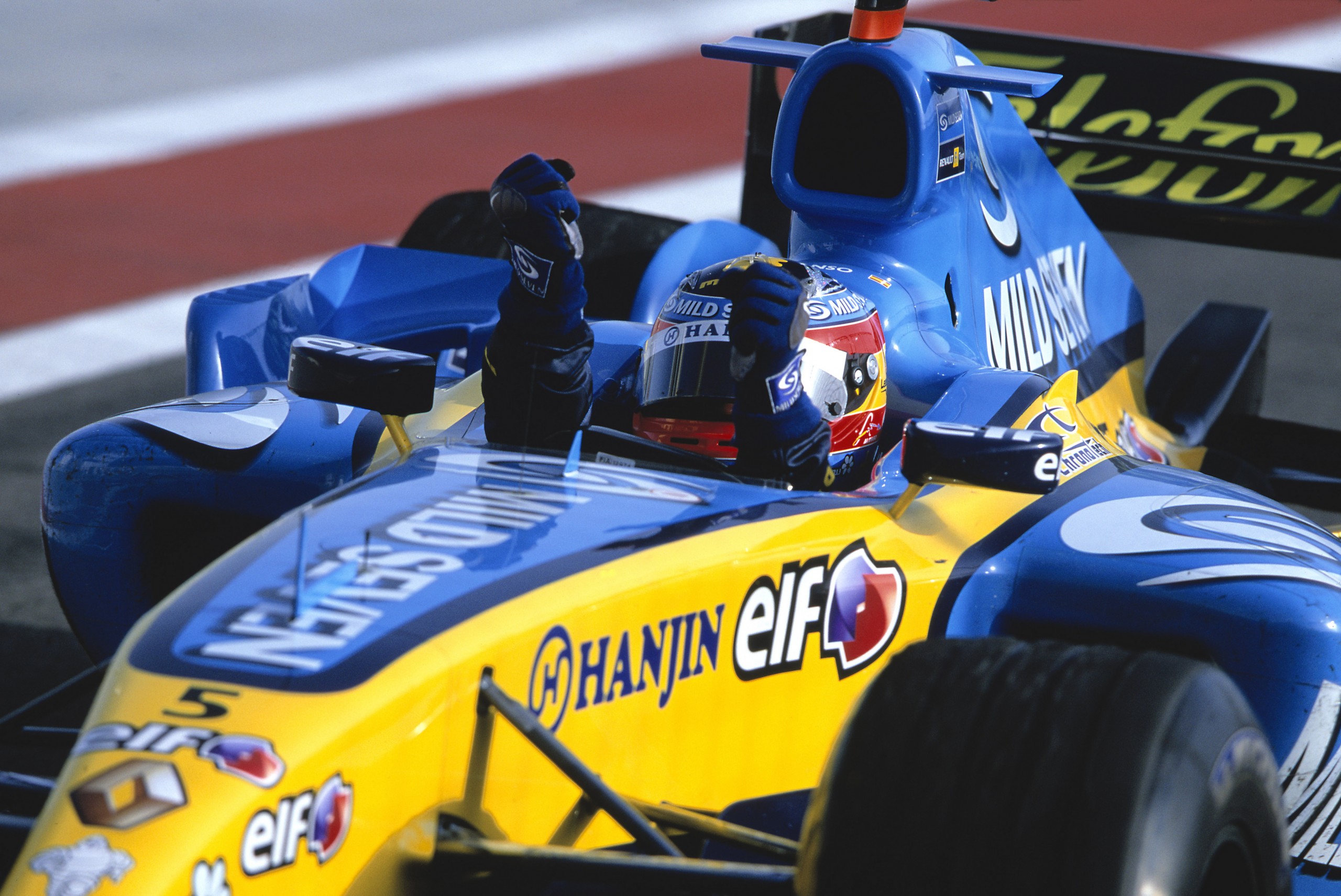
    The two-time world champion was coaxed out of his sabbatical to replace the team’s former star driver Daniel Ricciardo, and Alpine will be hoping he brings some of the insight and inspiration they need to catch the likes of Mercedes and Red Bull.

    The big question mark over Alonso’s return is of course the fact that he’s now been out of F1 for two years. He’s not exactly been resting easy in that time, having taken a WEC crown, two Le Mans victories and one at Daytona, and made headline-grabbing entries into the Indy 500 and Dakar Rally. On top of that, he also conducted an extensive testing programme with Renault throughout last year.

    But two years out of Grand Prix racing is a long time, and it remains to be seen if Alonso can return at the same level he left the sport in 2018.

    On the other side of the garage will be Esteban Ocon, returning for his second year with the Enstone team. Ocon had a rocky campaign in 2020 and spent much of the season getting back up to full racing speed after 18 months on the sidelines as Mercedes’ test and reserve driver.

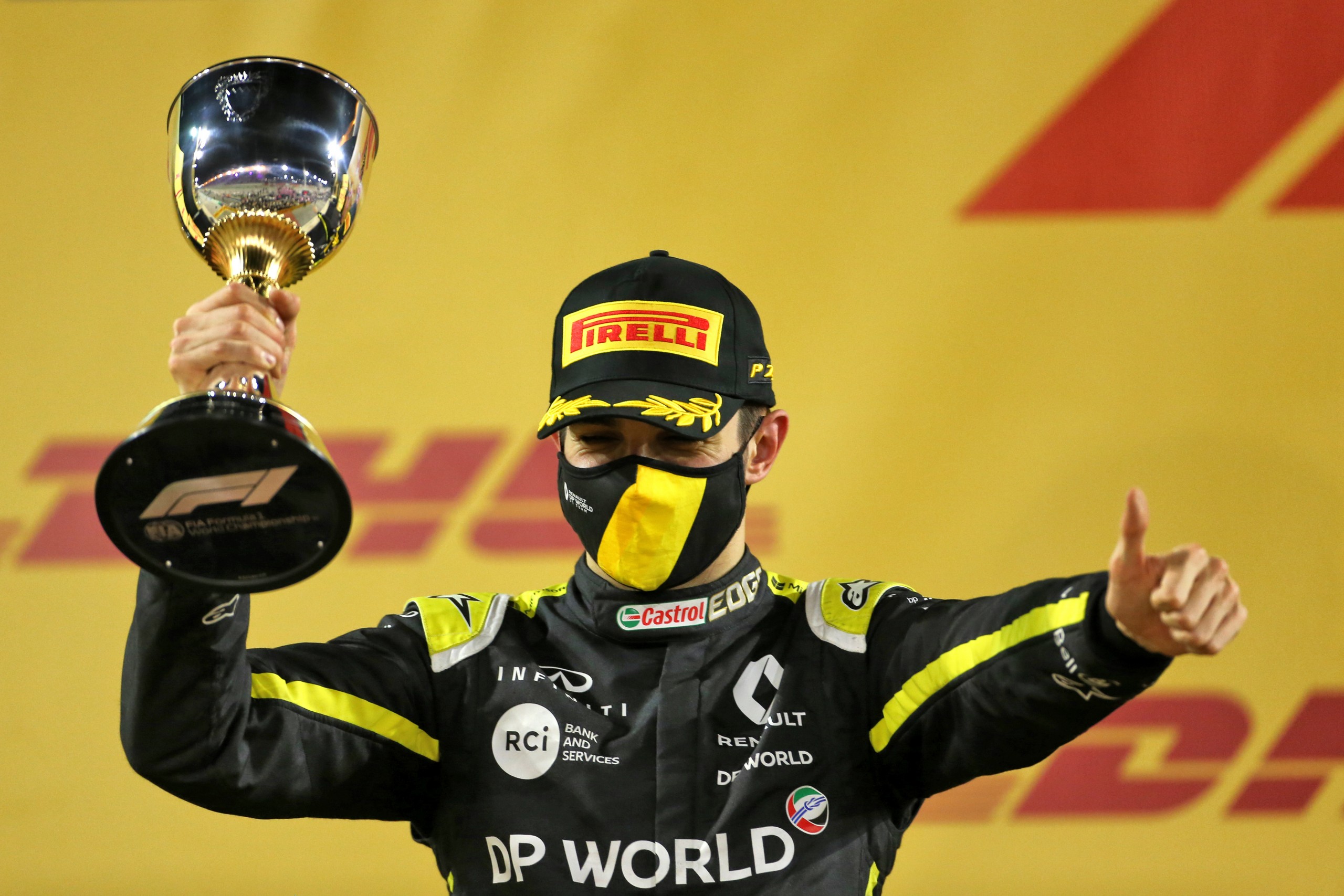
    But by the end of the year Ocon had closed his qualifying gap to Ricciardo and scored Renault’s best result of the season (and his own maiden podium) with second at the Sakhir Grand Prix. Had Ricciardo stayed with Alpine this year, it’s likely Ocon would have made it a much closer teammate battle as he did over his two years with Sergio Perez at Force India.

    Alonso and Ocon are an uncertain lineup for Alpine’s first season, and it’s not a given that their potential and past form will equate to strong results in 2021. But if everything goes as Alpine are hoping, this could be a formidable driver pairing in the midfield battle and one with a lot of promise for the team’s near future.

    The team

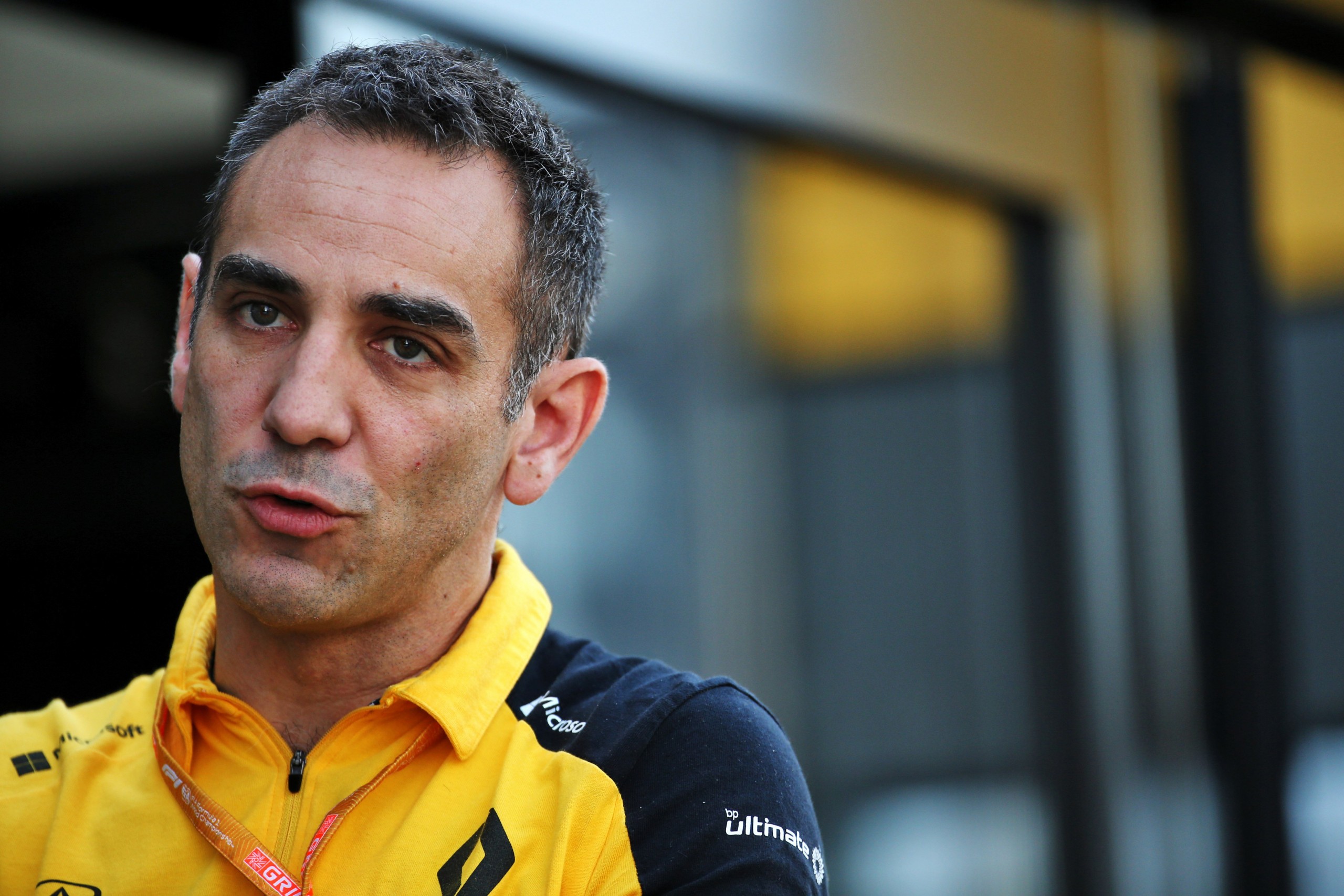
    Cyril Abiteboul, Renault (Renault Sport Media)

    One of the big headlines this month was that Cyril Abiteboul, Renault’s longtime team principal and CEO of the F1 operation, was stepping down from the team ahead of the new Alpine era.

    It’s a move many have been calling for for some time now, as Abiteboul’s management has taken the lion’s share of blame for Renault’s failure to break out of the midfield. And whether or not that’s right, it is true that Abiteboul’s time in charge at Enstone was defined more by his engagement with the politics of F1 rather than the success of the team.

    This is hopefully something that will change with Abiteboul’s replacements. Laurent Rossi, previously Renault’s Chief Strategy Officer, has already been announced as the new Alpine F1 CEO, while Executive Director Marcin Budkowski is tipped to take over as team principal.

    Splitting Abiteboul’s role between these two is a sensible choice for Alpine. Rossi’s corporate strategy background makes him the ideal choice within the Renault group to lead the business side of Alpine’s rebranding. Meanwhile Budkowski, who has overseen the day-to-day operations at Enstone for years, will be free to focus on the sporting side of running an F1 team.

    Add to that a new Racing Director in Davide Brivio, who just led Suzuki and Joan Mir to double MotoGP title glory in 2020, and Alpine has the makings of a real heavyweight team at the top.

    It might take longer than 2021 for the full effect of these changes to be felt. But as we’ve seen in the likes of Toto Wolff at Mercedes or Andreas Seidl and Zak Brown at McLaren, sometimes the right leadership structure at the right time can be just what a team needs to propel itself out of a stall.

    The car

    Alpine A521 (Alpine F1 Media)

    The car is a mostly known quantity at least, as under the 2021 regulations Alpine’s A521 is essentially a carry-over of last year’s Renault R.S.20. And that bodes well for Alpine, as the R.S.20’s power and rear traction made it a formidable package at low-downforce circuits last year, as well as through low- and medium-speed corners in high-downforce configuration.

    The A521 will be slightly different to the R.S.20, as its floor will be trimmed off in accordance with the rules to reduce the aerodynamic pressure on the tyres. How much of a difference this will make isn’t clear. Several teams have played up the impact of this floor tweak throughout 2020—but the same noises were also made about the front and rear wing changes in 2019, which hardly produced the tectonic shift that was billed.

    However, it’s thought that the A521’s low rake philosophy—which was a new, Mercedes-inspired direction for last year—will mean that Alpine has less of a headache navigating the change than some of its rivals, at least in the early part of the season.

    And so long as the overall design isn’t too unsettled by the revised floor, Alpine will definitely have a car quick enough to challenge for third in the constructors’ championship again.

    Ultimately, we won’t know if Alpine is able to make that breakthrough that eluded Renault until the season gets underway. And even then, with the focus this year almost entirely on 2022’s aerodynamic overhaul, we might be kept waiting to see if the team can finally make good on its ambitions to be title contenders again.

    But with the performance gains made last year, combined with a hungry driver lineup and some canny leadership changes, it’s looking like an optimistic future ahead for Enstone’s new Alpine era.

    Esteban Ocon, Renault (Renault Sport Media)
  • Who is Jack Aitken?

    Who is Jack Aitken?

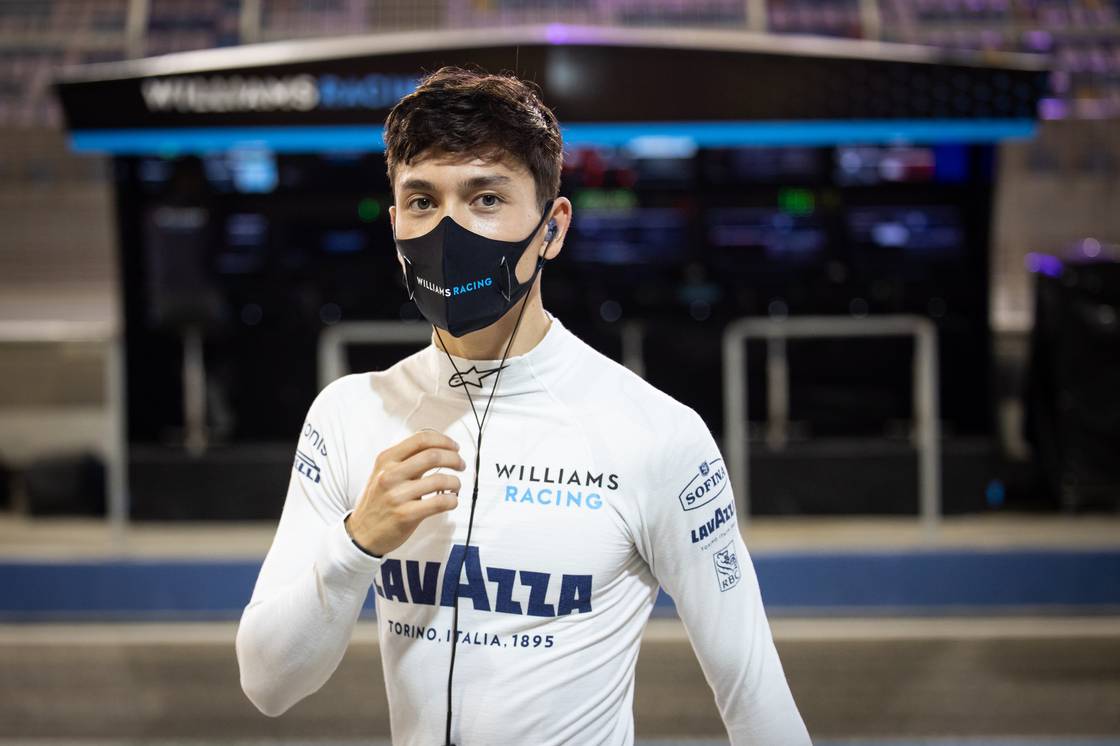
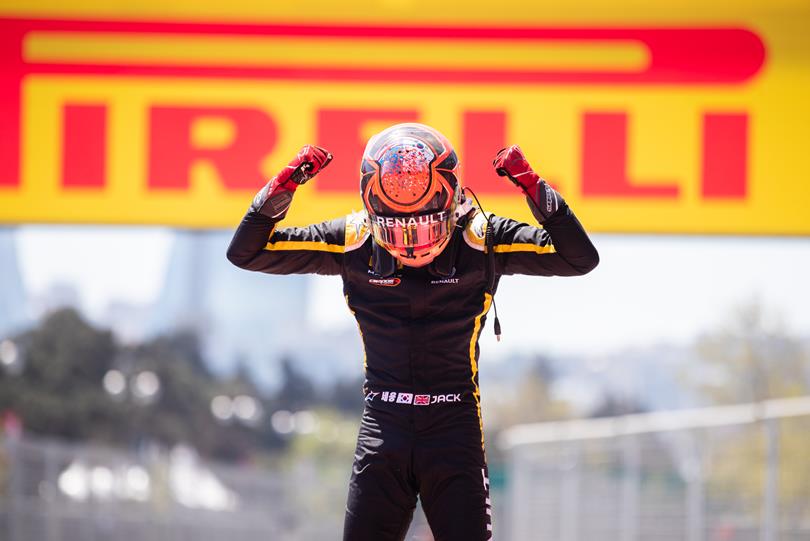
    With Pietro Fittipaldi filling in for Romain Grosjean in the Sakhir Grand Prix, nobody was expecting another change to the grid. However it was Lewis Hamilton’s positive COVID-19 result which meant his Mercedes seat was taken by Williams driver George Russell, whose own seat went to Jack Aitken.

    So for those of you who were not aware of Aitken before last weekend, here is all you need to know about the latest British driver to reach F1.

    First thing you should know, he’s actually British-Korean. Born to a Scottish father and Korean mother, he began karting in 2006 at Buckmore Park where he won the Summer Challenge club series aged 14 before moving into national and international karting championships.

    Aitken made his first move into car racing in 2012. In the BARC Formula Renault winter series he took one win and just missed out on the championship by one point to future British GT champion Seb Morris. His main campaign was the InterSteps Championship, where he would finish third overall having taken 13 podiums across 23 races, two of those being wins.

    In 2013 Aitken moved to the Northern European Formula Renault championship and was second to Matt Parry, the previous year’s InterSteps champion. That was followed by a move to the Formula Renault EuroCup for the following year in which he finished seventh in the championship, but it was all building up to what would be Aitken’s best year.

    For 2015 Aitken would double up his Formula Renault campaign with assaults on the EuroCup and Alps championships, but to prepare for the season he went over to the States to compete in the Pro Mazda Winterfest. He battled for the championship with Malaysian driver Weiron Tan and pipped him to the title by a single point, which boded well for his dual Formula Renault campaign.

    So it did! Moving to the Koiranen GP team that took Nyck de Vries to both the EuroCup and Alps championships the year before, Aitken racked up five wins in the EuroCup and four wins in the Alps series. He capped off his successful season by becoming a member of Renault’s F1 driver academy, and by sealing a drive in the F1-supporting GP3 Series with Arden.

    While the 2016 GP3 championship was between now-F1 drivers Charles Leclerc and Alexander Albon in the leading ART team, Aitken did very well with a win and fifth in the standings. 2017 looked to be an even better year for Aitken as he took one of the ART seats. However, a new kid arrived who plays a big part in Aitken’s story.

    That new kid was George Russell, who moved up from European F3 to take one of the other ART seats. The season was hard fought and ART occupied the first four places in the driver’s championship with Russell, Aitken and their teammates Nirei Fukuzumi and Anthoine Hubert.

    However, Russell annihilated Aitken, taking four wins to Aitken’s one and finishing nearly 80 points clear. They both moved up to F2 the following season remaining with ART, but Russell dominated the championship there as well, over the likes of Lando Norris and Albon. Aitken did win the sprint race at Barcelona, but finishing only 11th in the championship coupled with Russell’s success did not do his reputation any good unfortunately.

    For 2019, Aitken made the move to the unfancied Campos team. He began to repair some of the damage that had been done, taking the feature race win at Baku, a glorious victory on the Sunday morning of the British Grand Prix at Silverstone and a further sprint win at Monza to finish the season fifth.

    Jack Aitken, Campos. Image courtesy of FIA Formula 2.

    He remained with Campos for 2020 but left the Renault academy, joining Williams as a reserve driver. He was thought to be one of the favourites for the F2 title this year, but the results have not been there for Jack.

    However with Russell’s immediate call-up to Mercedes in Sakhir, Aitken’s F1 dream came true. It may have been short-lived, but he immediately made an impression by qualifying less than a tenth from Williams’ other full season driver Nicholas Latifi and outqualifying an F1 world champion in Kimi Räikkönen.

    It may be unusual circumstances but Aitken can be pretty pleased with how he did. While it was Russell who starred in his Mercedes debut and nearly came away with a victory, Aitken has certainly done himself a lot of favours with how he performed over the Sakhir Grand Prix weekend.

  • The problem with finding the ideal F1 reserve driver

    The problem with finding the ideal F1 reserve driver

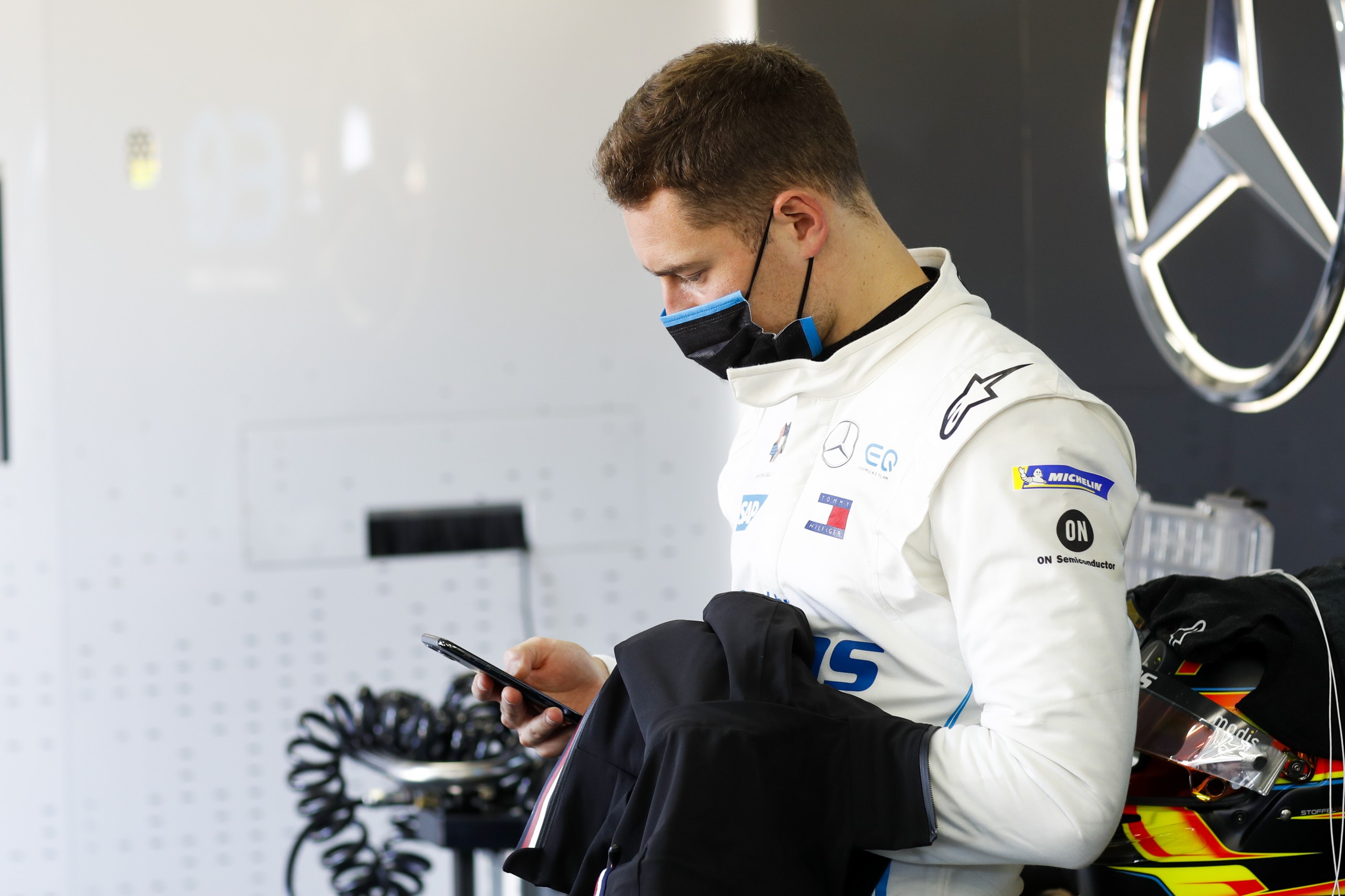
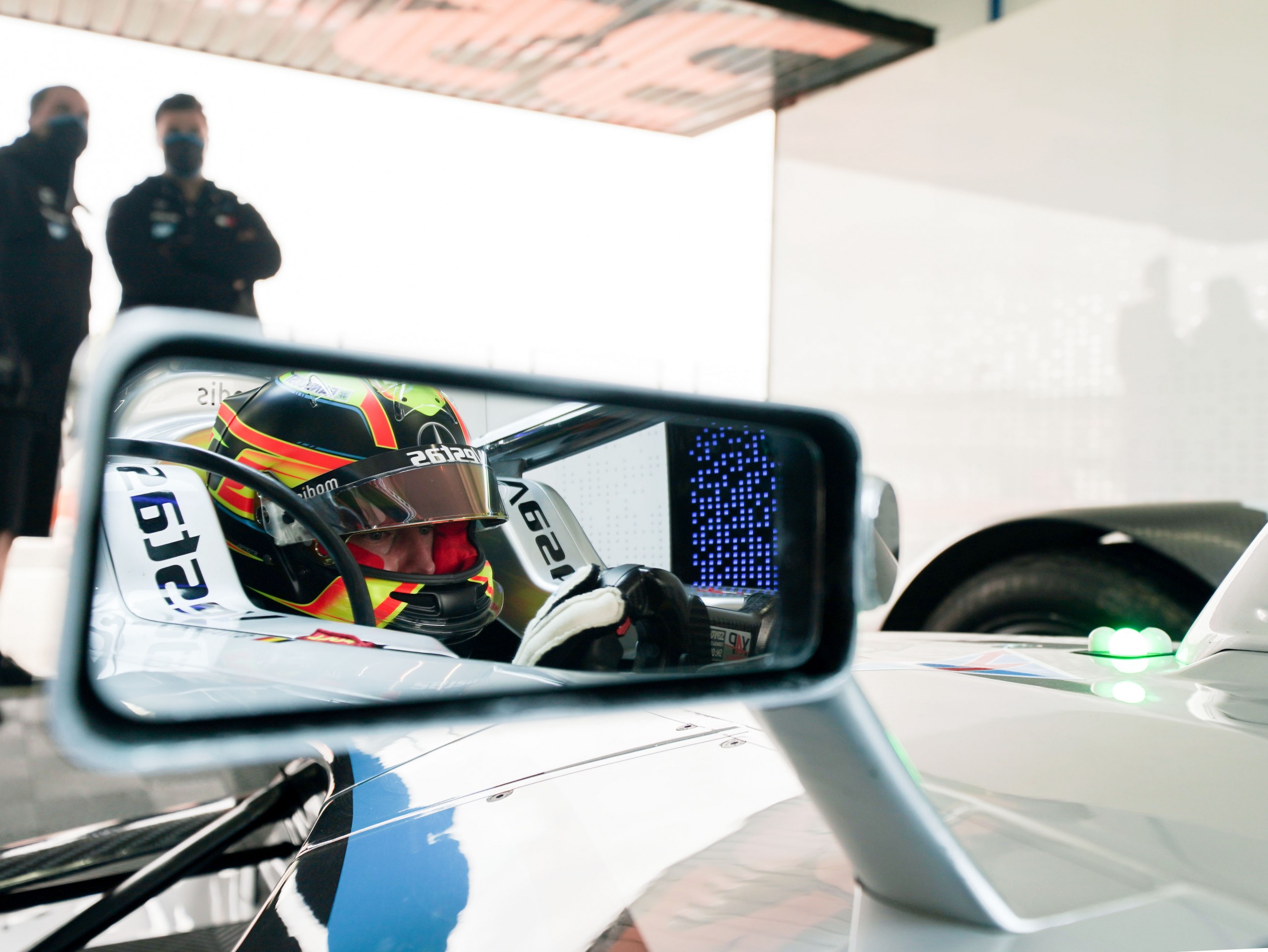
    You’ve got to feel for Stoffel Vandoorne. The former McLaren driver has had several realistic chances to return to the Formula One grid this season in his capacity as Mercedes reserve driver, but each time he’s found himself overlooked in favour of an outside contender.

    It’s no reflection on Vandoorne as a driver. Leaving aside his two demoralising years driving uncompetitive McLarens, Vandoorne has been a race-winner in almost every top flight series he’s contested.

    The problem is more with the concept of F1 reserve drivers in general. Or rather, with the near impossibility of finding a reserve driver who truly fits the bill of what’s asked of them.

    Stoffel Vandoorne, Mercedes F1 reserve driver (Courtesy of FIA Formula E)

    When it comes to the ideal F1 reserve, the most important thing teams look for is someone whose experience is as recent as possible. F1 development stops for no one, so there’s little use in fielding a stand-in whose last Grand Prix was four or five seasons ago.

    Secondly, they need to be quick if they’re going to fight for the results the team expects. But the problem here is that if a driver with that kind of talent finds themselves out of F1, it’s most commonly the case that they’re either moving on to another series or retiring at the end of their career, and therefore won’t be looking for a reserve role.

    (There are of course exceptions to this. Nico Hulkenberg, for example, found himself without a drive for this year but that’s not for lack of talent. And Jenson Button stepped in to deputise for Fernando Alonso at McLaren in 2017 despite bowing out of F1 the previous year. But cases like this are extremely rare.)

    The final problem with finding the ideal reserve is availability.

    For a reserve driver to be quick they need to keep their qualifying and race craft sharp for whenever it’s needed, even if that’s away from F1 machinery.

    But at the same time, they can’t spend so much time racing in other series’ that it clashes with F1 weekends—an increasingly large problem as the F1 calendar continues to swell year by year.

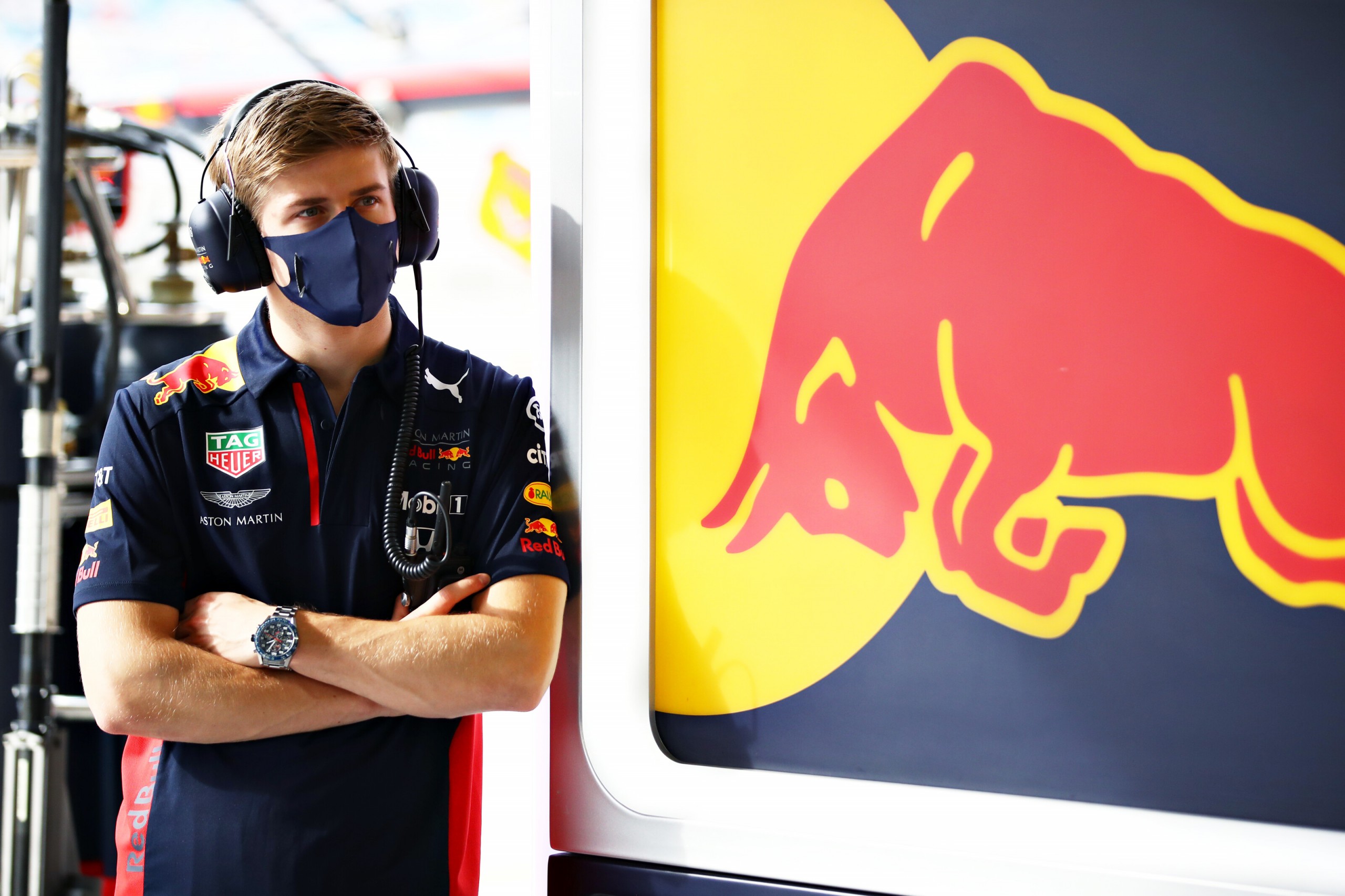
    Red Bull is a good example of this, as they recently had to secure a super licence for Juri Vips to act as reserve for the Turkish Grand Prix, as their usual backups Sebastien Buemi and Sergio Sette Camara were both racing elsewhere.

    Juri Vips, Red Bull reserve driver (Mark Thompson, Getty Images / Red Bull Content Pool)

    And that’s the reserve driver paradox. To be the ideal Grand Prix stand-in, one has to be fresh out of F1 and somehow keep that freshness year after year, be quick enough to compete with the current F1 grid despite being dropped from it, and keep race-sharp all year round while still being available 23 weekends out of 52 (and counting).

    As a result, reserve drivers tend to be a compromise that’s not quite the best of any worlds. You have the likes of Paul di Resta, who was briefly named McLaren’s reserve this year despite not racing in F1 since 2013. Or you have Formula 2 drivers like Jack Aitken at Williams or Louis Deletraz at Haas, who race regularly on the F1 calendar but are completely unproven in a Grand Prix.

    And then you have Ferrari, whose nominated reserve is Antonio Giovinazzi—somehow who has plenty of contemporary F1 experience and race-fitness, but comes with the added complication of currently driving for Alfa Romeo.

    It’s all part of the reserve driver role. They’re the person a team relies on when one of their star drivers is sick or injured, but they’re often an imperfect solution at best. And so it’s not really a surprise that teams often search for a better alternative outside their pool if the need for a stand-in actually arises.

    It’s a shame when that happens, especially for a driver like Vandoorne whose talent merits at least one more outing in a competitive F1 car. But when big points are on the line and a Hulkenberg or George Russell is available, it’s hard to fault the teams for taking advantage of that opportunity—even if it means their reserve driver spending Sunday playing Call of Duty.


  • The Problems With The Provisional F1 2021 Calendar

    The Problems With The Provisional F1 2021 Calendar

    Earlier this week Liberty Media released the provisional calendar for the 2021 Formula One season. While there were minimal surprises, it raised some eyebrows about the integrity of the sport.

    Many believe that the idea of racing in countries with less than ideal human rights records contradicts the mantra “We Race As One” that Formula One has been pushing so often this year. With races in Bahrain and China, as well as the new Saudi Arabia race, many believe that F1 should not be holding races, and thereby drawing in fans, in countries where seemingly dodgy political regimes can reap the economic rewards.

    To counter that, some have argued that it isn’t fair to punish the inhabitants (for whom many will not have had a say in who runs their country) by not allowing any international sport to be held for them to see. Ultimately though, money talks and therefore Formula One is unlikely to avoid controversial venues if they have suitable funds.

    Another issue some have raised is Liberty Media’s insistence on quantity over quality. Initial plans are for a 23-race season sometimes covering tracks that have famously struggled to produce exciting racing. F1 is entertainment as much as sport, and as a result fan enjoyment should be a top priority. If you were to ask F1 fans to create their dream race calendar, very few would have as many as 23 venues, and even fewer would include the likes of France and Spain.

    By focusing on the number of races over the quality of the racing the track produces, some believe you run the risk of wearing the fans out. Yes, we love racing, but if you’re tuning in every weekend to watch very little of it, you’re going to get worn out and lose some love for the sport. This is all without mentioning the impact on the teams being away from their families for so long.

    At the end of the day, Formula One is seen by the owners as a business over a form of entertainment and therefore Liberty Media are certain to want a race calendar that can maximise their profit. Fan opinion is just an aside.

    Feature image courtesy of Racing Point F1 Media

  • F1 Throwback: Massa’s maiden triumph in Turkey

    F1 Throwback: Massa’s maiden triumph in Turkey

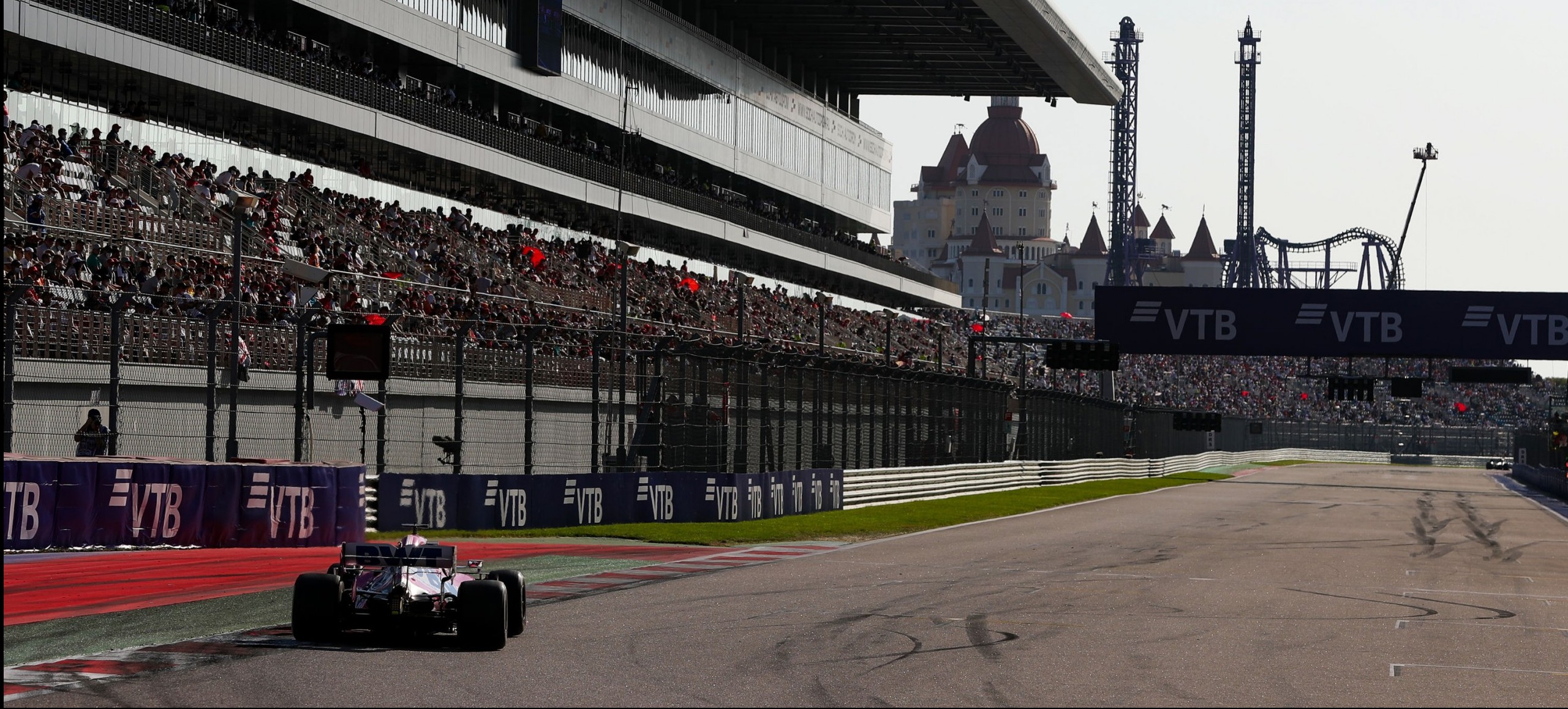
    In its short tenure on the Formula 1 calendar, Turkey’s Istanbul Park circuit has helped create plenty of iconic moments. From Red Bull’s infamous clash in 2010 to the many incidents around the mighty Turn 8, it’s not hard to see why the Turkish Grand Prix is a fan-favourite return this year.

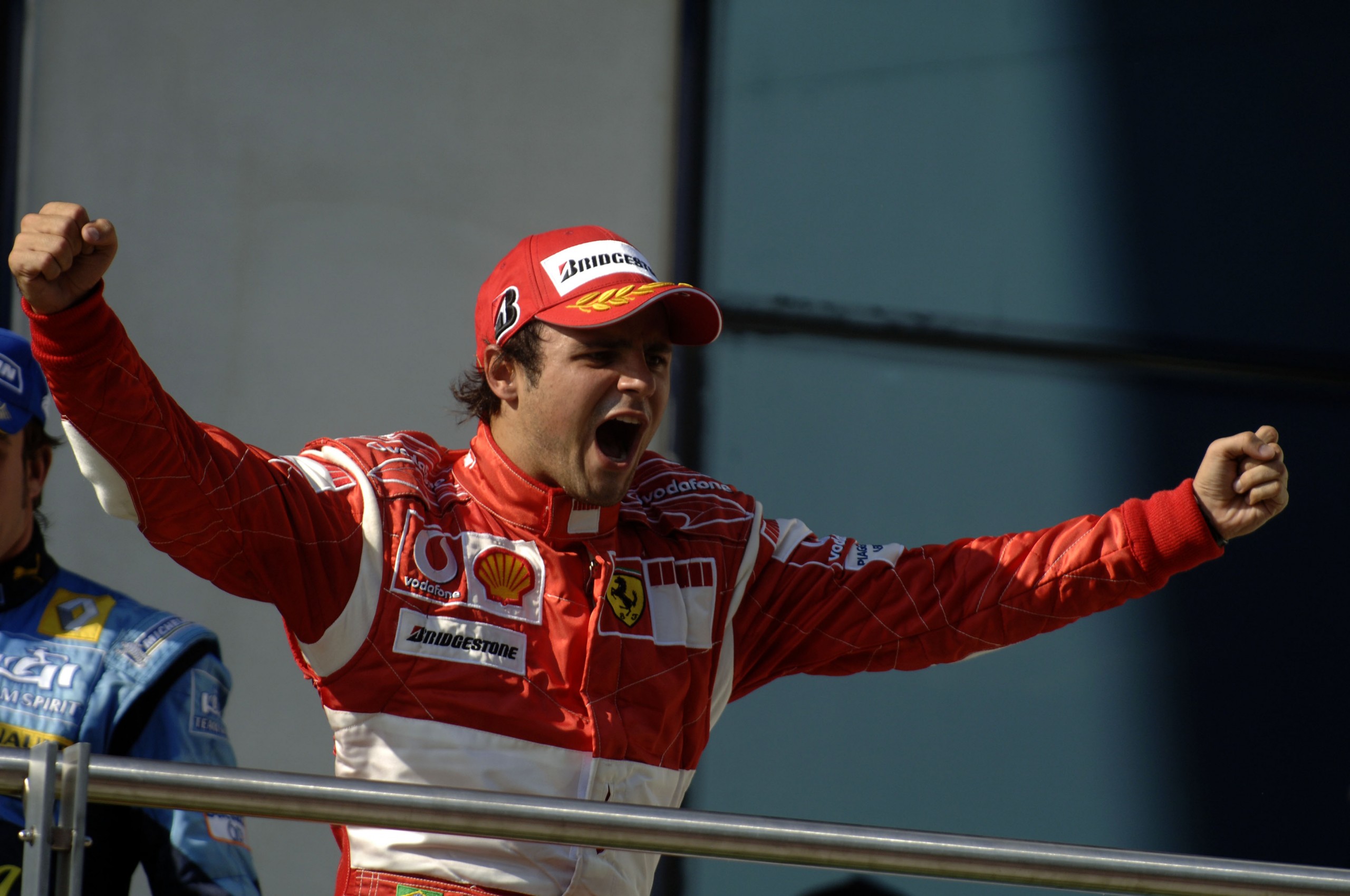
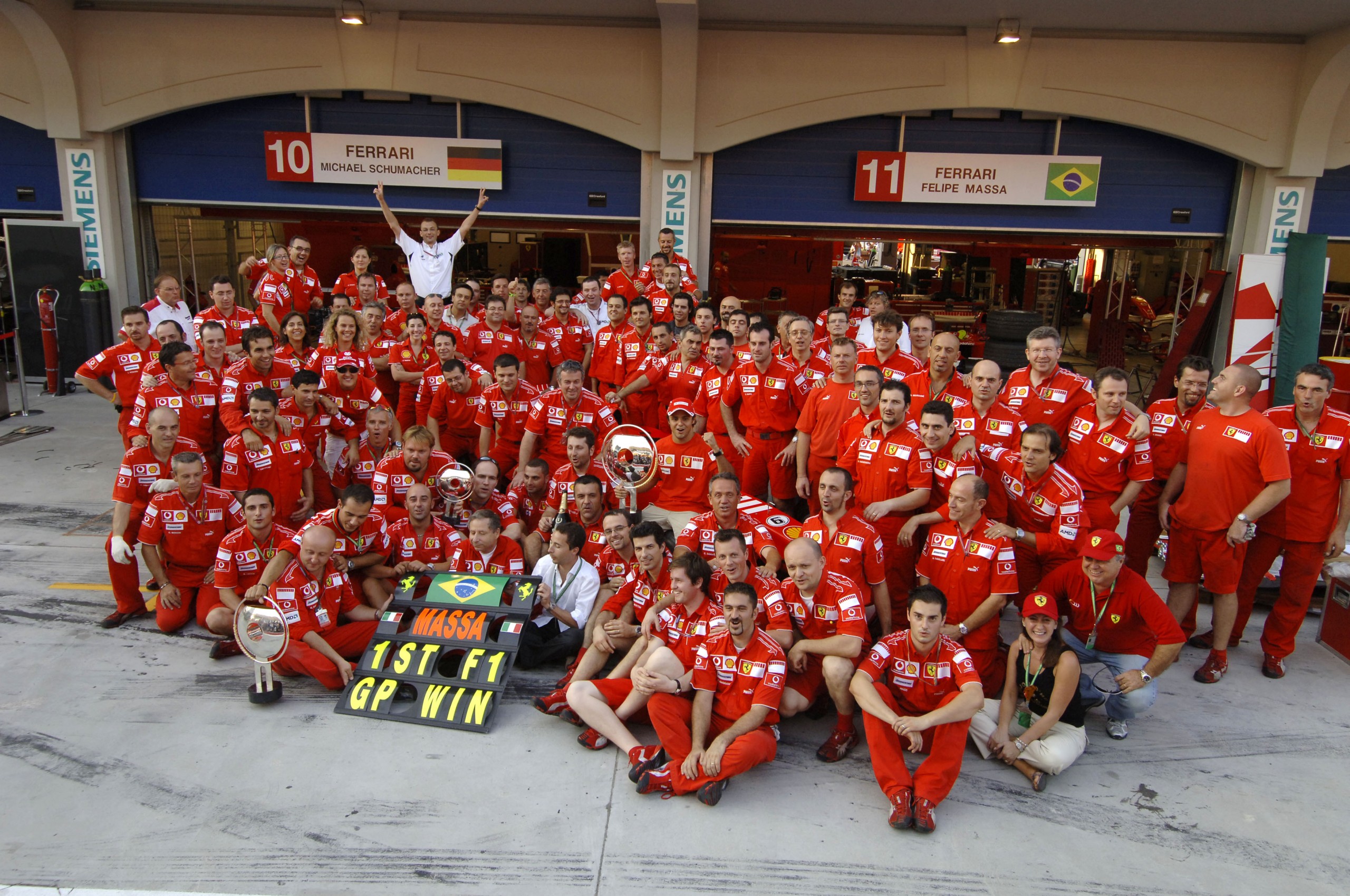
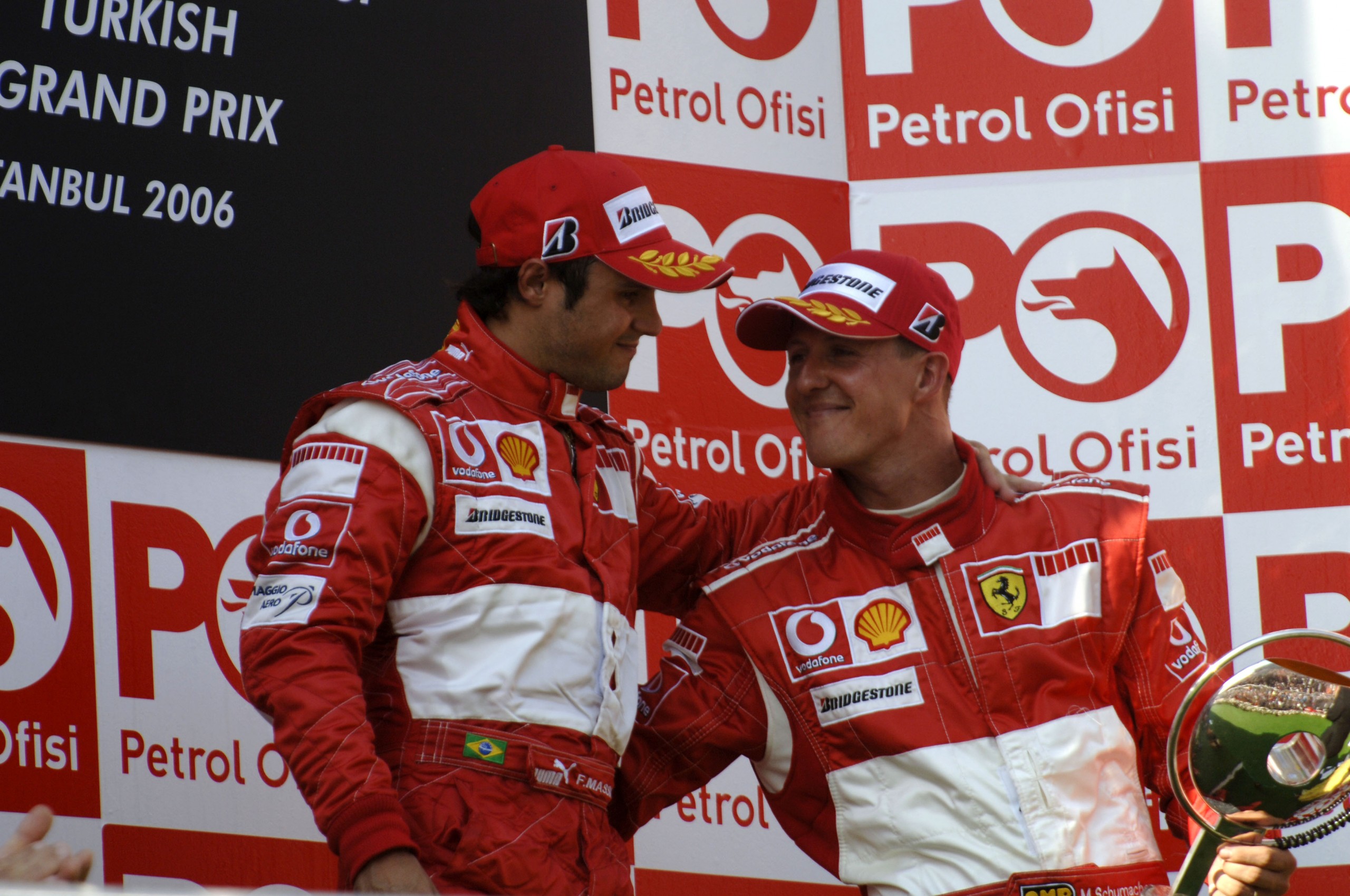
    But for Felipe Massa, there’s one Istanbul Park moment that would surely spring to mind before any other—the end of the 2006 race, when he crossed the finish line to become a Formula 1 Grand Prix winner for the very first time.

    Scuderia Ferrari Press Office

    2006 was already set to be a big year for Massa. Having cut his teeth with Sauber, this was the year he was called up by Ferrari to replace countryman Rubens Barrichello as Michael Schumacher’s teammate.

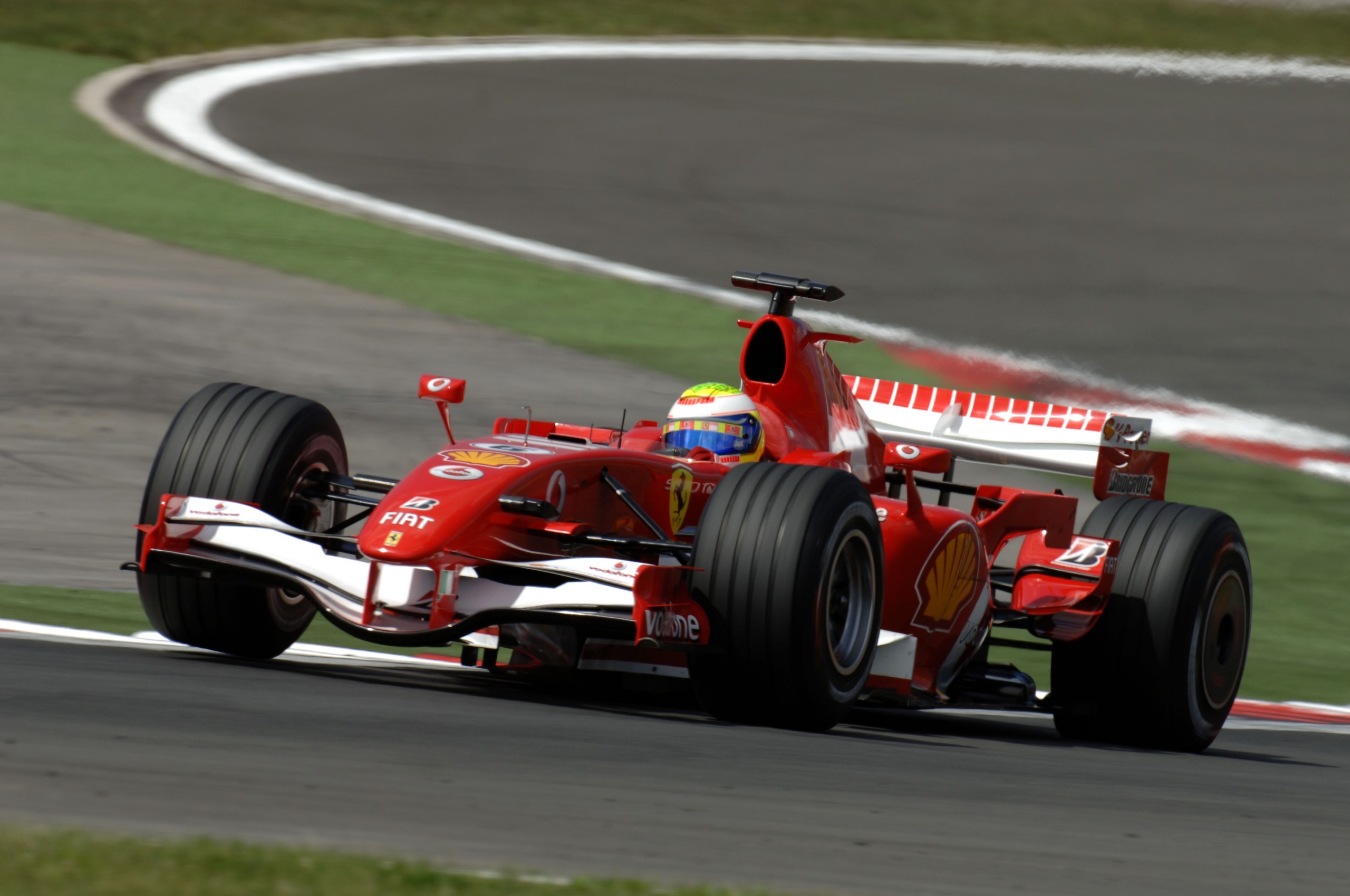
    Prior to Turkey, which was the 14th round of the 18-race season, Massa’s start to life at Ferrari had been mixed. His pace was clear by his four podiums, two fastest laps and qualifying results, but his scorecard was marred by spins and a first-lap collision with Christian Klien and Nico Rosberg in Melbourne.

    With rumours swirling of Ferrari considering a Schumacher/ Kimi Raikkonen partnership for 2007, what Massa needed was a definitive result to close out the season. And that was exactly what he set up on Saturday in Istanbul, when Massa took advantage of several errors by Schumacher to take his first pole position by three tenths over his teammate.

    Given Schumacher’s tight championship battle with Fernando Alonso and Massa’s team role as the German’s rear gunner, Schumacher was still considered the favourite on race day. But come lights out, Massa soaked up the pressure as Schumacher and Alonso bore down on him into Turn 1, and was able to bolt clear by almost a second by the end of the first lap.

    Behind the leading trio, Giancarlo Fisichella spun his Renault at the first corner as he backed out of a move on Alonso, causing a chain reaction incident in the midfield. Raikkonen, Scott Speed, Nick Heidfield and Ralf Schumacher were all caught up and joined Fisichella in pitting for repairs, while Midland’s Tiago Monteiro retired on the spot.

    Scuderia Ferrari Press Office

    On lap 13 the safety car was deployed when Vitantonio Liuzzi spun and stalled his Toro Rosso at the exit of Turn 1, and Massa pitted together with Schumacher, Alonso and Jenson Button. But while Massa kept his position at the front, Alonso managed to jump Schumacher for second as Ferrari’s attempt to double-stack their stops held Schumacher up in the pits.

    When the race resumed, Massa took advantage of his teammate’s battle with Alonso to restore his lead. As Alonso drove defensively to hold off his title rival, Massa continued to get further and further away from the pair and closer to his first victory.

    But on the final lap there seemed to be a cruel final twist waiting for Massa before the finish line. As Schumacher closed to within a few tenths of Alonso and began all but pushing the Renault along, Massa drastically backed off the pace to the tune of several seconds compared to his teammate.

    The understanding was that if Schumacher managed to retake second from Alonso, Massa was obliged to let Schumacher by for maximum championship points—at this late stage in the season, Alonso had a ten-point lead in the standings so a win would have put Schumacher level with four rounds remaining.

    However, despite Schumacher’s best efforts he simply ran out of opportunities to pass Alonso, meaning Massa was free to push on to the line and take the victory with five and a half seconds still in hand.

    Scuderia Ferrari Press Office

    Two weeks later at the Italian Grand Prix at Monza, Ferrari announced that Schumacher would be leaving the team at the end of the year, and that Massa would stay on to partner Raikkonen. Massa closed out the 2006 season with two more pole positions, a second place at Japan, and a home win at Interlagos.

    He would win twice again at Istanbul Park, in 2007 and 2008, and currently holds the record for the most wins at the circuit.

    There are many moments that define Felipe Massa’s F1 career: the pain of losing the 2008 World Championship, the darkness of his 2009 crash in Budapest, and of course his emotional guard of honour after retiring from the 2016 Brazilian Grand Prix.

    His maiden win is every bit as defining as what came after. A thoroughly deserving victory against two of the sport’s greatest drivers, Istanbul Park was a glimpse of the formidable talent Massa had to offer.

  • Why Hulkenberg would and wouldn’t be the right choice for Red Bull

    Why Hulkenberg would and wouldn’t be the right choice for Red Bull

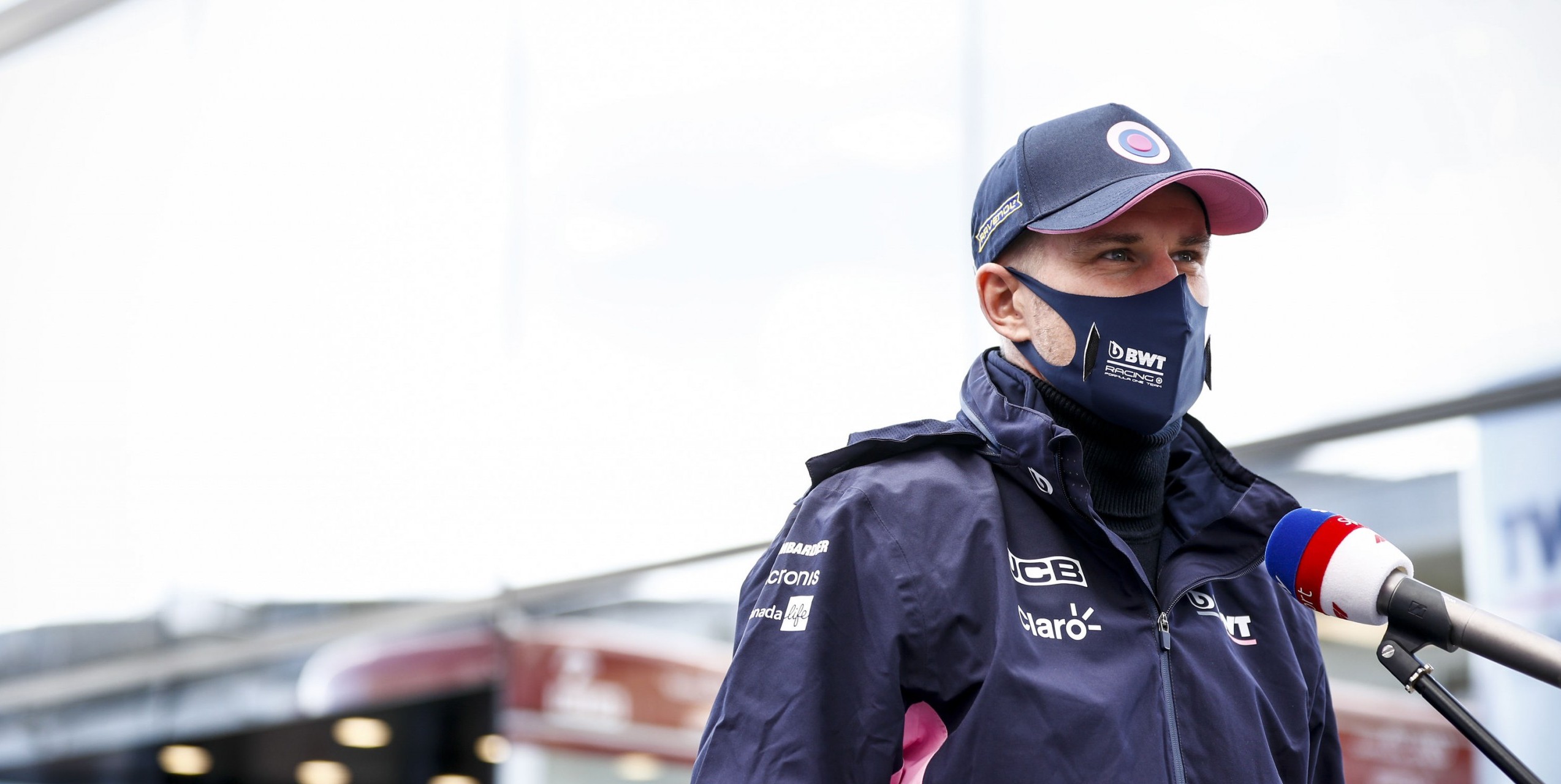
    2020 is fast turning into every Nico Hulkenberg fan’s dream. Despite not having a full-time place on the grid for this year, he’s been able to put himself front and centre in the driver market for 2021 with his impressive stand-in drives for Racing Point.

    Now, Hulkenberg has been named by Red Bull as one of their prime targets for next year if they decide to let the struggling Alex Albon go. But as popular a signing as Hulkenberg would be, would he actually be the solution Red Bull is looking for?

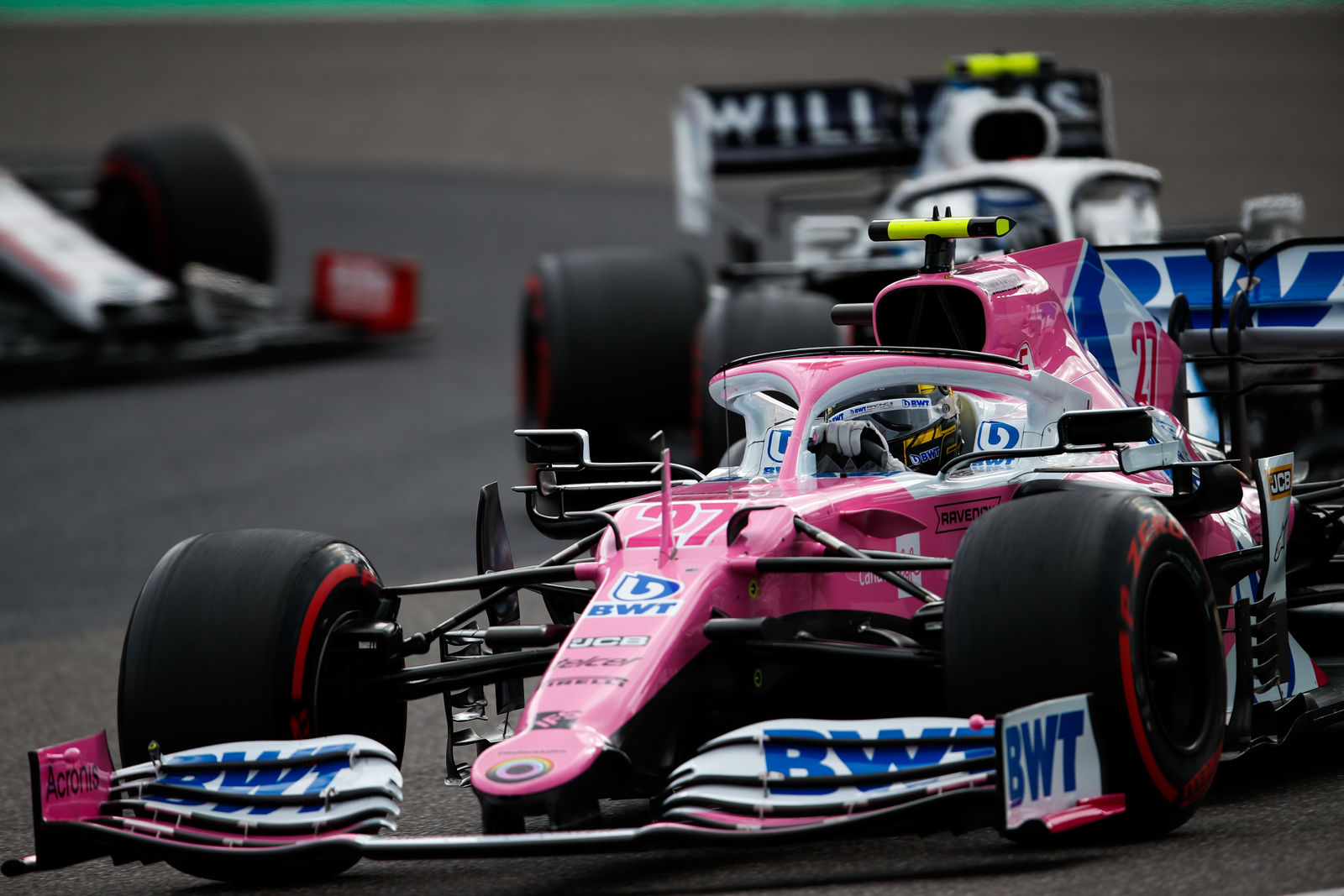
    Hulkenberg driving in the 2020 Eifel Grand Prix (Zak Mauger, Motorsport Images / Racing Point media)

    The big complication is that Hulkenberg isn’t the only driver in contention for the seat. With Red Bull openly looking at Sergio Perez too, it’s not as simple as whether Hulkenberg offers an improvement over Albon.

    And when it’s Hulkenberg against Perez, the Mexican arguably has the edge in terms of the overall package he offers.

    The most obvious setback for Hulkenberg against Perez is that Perez has scored eight podiums throughout his career, while Hulkenberg has the record for the most F1 starts without one. When one of Red Bull’s criticisms of Albon is his lack of regular top three finishes, taking Perez over Hulkenberg seems the more sensible bet on this count.

    The fact that four of Perez’s podiums came when driving the same Force India machinery as Hulkenberg only swings things further in the Mexican’s favour. And speaking of their time together as teammates, Perez’s top three finishes helped him outscore Hulkenberg across the season two years to one.

    And then there’s the financial elephant in the room. With his personal backing from Carlos Slim and Telmex, Perez is said to bring anything between €15 million and €20 million to a team.

    While Red Bull isn’t exactly hard up for cash, a number like that will still factor into their thinking—especially when they’re going to lose their Aston Martin title sponsorship next year, and are considering a costly move to take over Honda’s engine IP when the Japanese manufacturer leaves F1 at the end of 2021.

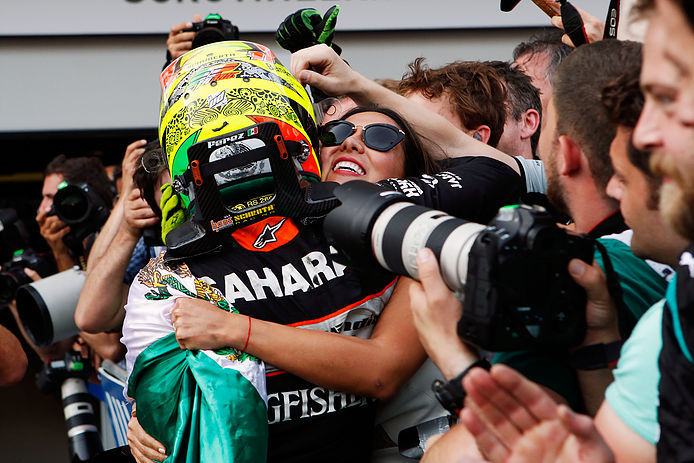
    Perez celebrating P3 at the 2016 European Grand Prix (Force India F1 media)

    So with Perez winning out in terms of top three finishes, year-long consistency and financial backing, is there any area where Hulkenberg can actually make a case for being the better choice?

    Luckily, yes—in fact, there are two.

    The first is qualifying pace. While Perez has the edge in terms of race craft, Hulkenberg is undoubtably the better qualifier. His Interlagos pole with Williams in 2010 springs to mind, but there are much more recent examples than that—specifically, his third on the grid at the 70th Anniversary Grand Prix this year for Racing Point.

    You don’t get any points on a Saturday in F1. But Hulkenberg’s qualifying record would go a long way to addressing Red Bull’s need for its second car to start higher up the grid on Sunday than Albon is currently achieving.

    With Perez, a driver who traditionally focuses more on race setup so he can battle his way back through the field, Red Bull could potentially end up with the same situation they currently have with Albon.

    Hulkenberg after qualifying third for the 70th Anniversary Grand Prix (Steven Tee, Motorsport Images / Racing Point media)

    Perhaps the biggest tick in Hulkenberg’s favour, however, is his fit within the team. Of course it’s impossible to say for sure how he’d gel with Max Verstappen and Red Bull without him being there. But historically Hulkenberg has had harmonious working relationships with all of his teammates—including Daniel Ricciardo and Carlos Sainz, both of whom famously clashed against Verstappen at Red Bull and Toro Rosso respectively.

    Hulkenberg’s demeanour and approach in the last few years suggests a driver comfortably assured of how good he is, regardless of what the F1 record shows, and this stands him in good stead as a potential teammate to Verstappen. He’s not trying to build a reputation within the sport, and so isn’t likely to trip up over the finer details of proving himself a match for Verstappen in the same way Albon and Pierre Gasly have.

    By comparison, Perez has a history of friction with teammates, particularly when trying to assert himself against them. We saw this first in his on-track clashes with Jenson Button at McLaren in 2013, but more notably with Esteban Ocon during their two years together at Force India.

    With Red Bull wanting a supportive rear-gunner for Verstappen, scenes like Perez squeezing Ocon into the wall in Singapore or refusing to let Ocon by for a podium shot in Canada aren’t going to count in his favour.

    At the end of the day, you could make a case for both Hulkenberg and Perez being the best option for Red Bull. And that’s assuming Red Bull are going to replace Albon—at time of writing, there’s still every chance they could choose to keep him for another year.

    With no clear right or wrong choice, the second Red Bull seat is the Schrödinger’s Cat of the driver market. We might as well assume it belongs to Albon, Hulkenberg and Perez for now, because we just won’t know for sure until the box is opened and we see whose name is on the contract.